A Family in Evans Georgia Lost Their Home to a Suspected Lightning Fire on Sunday Night
One Sunday evening in Evans, Georgia, a neighbor stepped outside after hearing a loud crack of lightning around 7:10 PM. He looked around. Trees were fine. Nothing seemed wrong.
A few minutes later, he looked again. Smoke was rising from the house next to his. By the time firefighters arrived, the roof was fully engulfed in flames.
According to WJBF NewsChannel 6, the fire broke out at a home in the Windmill Plantation community in Evans. Two people lived there. Both were displaced.
No injuries were reported. The Columbia County Fire Department says lightning is suspected, but the cause remains under investigation.
The family lost their home overnight. Not to a break-in. Not to a faulty appliance. To a single summer storm.
This Is Not a One-Off in Georgia
Georgia homeowners have lived through a painful pattern this year. In April, Pastor Denise Gibson and her husband Michael lost their Gwinnett County home of nearly 19 years after lightning sparked a fire that spread through their attic.
“Everything we built for these 18 years will have to be started over,” Gibson told 11Alive.
Earlier in 2026, a lightning strike destroyed a home in Cumming. Forsyth County firefighters responded fast but were eventually forced to pull out as the fire grew beyond control.
These are not isolated incidents. Fast-moving fires have displaced families with no warning across multiple states this year, and the pattern keeps repeating when conditions are right.
The Fire You Cannot See Is the Dangerous One
Here is what most coverage misses. When lightning hits a house, it does not always announce itself with visible flames. It enters through the roof, travels into the attic, and starts burning inside the walls before anyone outside notices anything.
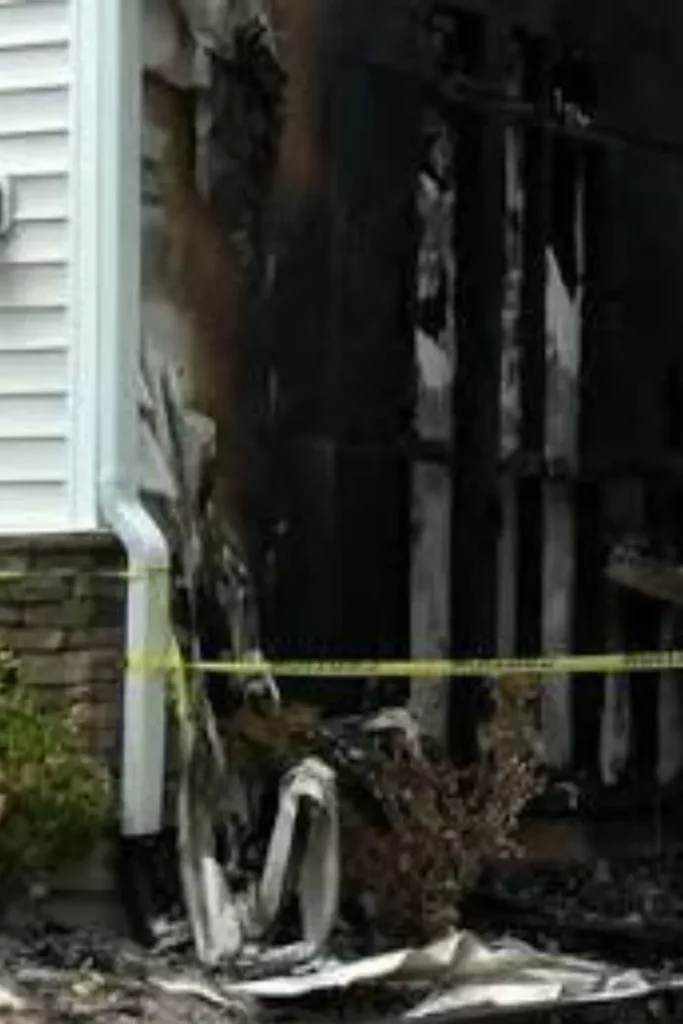
Lightning can reach temperatures up to 50,000 degrees Fahrenheit. A direct hit punches straight through shingles into the attic, burning through insulation and electrical systems silently.
This same pattern of fires that spread through a home before anyone can react has shown up in incident after incident.
If your home is ever struck, do not wait to see flames. Call 911 immediately.
Why This Matters
The numbers here deserve attention.
According to the Insurance Information Institute, U.S. insurers paid an estimated $1.65 billion in lightning-related homeowners insurance claims in 2025, a 59 percent jump from 2024.
The average cost per claim hit $26,616. Since 2017, the average lightning claim has risen nearly 147 percent.
Two-thirds of all lightning fires in the U.S. occur between June and August. July is the peak month. Georgia sits right in that window every single year.
If you want updates on home safety incidents like this one as they break, the Build Like New WhatsApp channel covers these stories in real time.
What Every Homeowner Should Do Right Now
Standard homeowners insurance covers lightning strikes and the fires they cause, including structural repairs, personal belongings, and temporary housing. But insurers reimburse based on actual cash value, not what you originally paid.
A five-year-old laptop gets depreciated. A home inventory with photos and serial numbers stored off-site is what separates a fast claim from a denied one.
Two things worth doing before the next storm. Install a whole-house surge protector at your main electrical panel.
And review your homeowners policy to confirm coverage limits still match what it would actually cost to rebuild today, because building costs have gone up sharply.
It is also worth remembering that not every home fire starts where you expect. A strike entering through the roofline and smoldering inside a wall for twenty minutes before anyone notices is exactly the scenario most homeowners never plan for.
For the Evans Family, Recovery Starts From Zero
The investigation in Evans is still ongoing. No formal cause has been confirmed yet by Columbia County Fire. But a family is displaced, a home is gone, and a neighbor watched it happen in minutes.
If you want to support families displaced by fires like this, the American Red Cross provides emergency assistance at redcross.org.
Is your policy limit still accurate? Would your home inventory hold up to a claim right now? Drop your thoughts in the comments below. It is one of those things most homeowners only think about after something like this happens.
For more home safety coverage as it breaks, follow Build Like New on X and join the conversation in the Facebook community.
Disclaimer: This article is for informational purposes only and does not constitute legal, insurance, or financial advice.