Why Homeowners Fear Vacant Houses: 7 Problems No One Warns You About
When I speak with homeowners across the US, one concern keeps coming up again and again: “The house next to mine is empty, and something feels off.” If you’re living next to a vacant home, there’s a good chance you’ve felt that discomfort too.
At first, an empty house may not seem like a problem. No noise, no complaints, no daily interaction. But over time, I’ve seen how these properties quietly turn into real health, safety, and financial risks — not for the owner who left, but for the people still living nearby. You.
What often gets overlooked is how quickly these issues show up and how common they’ve become in neighborhoods across the country. This isn’t just about looks or inconvenience. It affects how safe you feel at night, how much stress you carry, and even how confident you feel about your home’s value.
I’m not here to create fear. I’m here because many homeowners don’t realize what’s happening until the impact is already personal — when pests start crossing over, when strangers show up, or when buyers begin asking uncomfortable questions.
In the sections ahead, I’ll break down the serious problems homeowners are facing when they live next to a vacant house — and why, for many people, this situation has turned into a dealbreaker.
As you read, take a moment to think about your own street. Have you started noticing any of these warning signs already?
1. Safety and Crime Risks — Vacant Homes as Crime Magnets
When a house stays empty, it doesn’t stay unnoticed. I’ve seen this happen in quiet neighborhoods where nothing ever used to go wrong. The moment regular movement stops, the house starts sending the wrong signal — no one is watching.
Vacant homes attract opportunistic behavior because there’s no daily activity to interrupt it. No lights turning on. No cars coming and going. No one answering the door.
Homeowners living next to these properties often start dealing with:
- Trespassing, especially late at night
- Break-ins or attempted break-ins
- Vandalism and damage to fences, windows, or yards
- Strangers using the property as a hangout spot
I’ve read and heard countless real neighbor stories where police visits became common, not because the street changed — but because one house went empty. And once that pattern starts, it rarely stays limited to just that property.
If you’re next door, the biggest impact isn’t just crime itself. It’s the constant alertness. You notice unfamiliar cars. You double-check doors. You feel less relaxed in your own home.
That loss of everyday peace is often what pushes homeowners to say, “This is not something I signed up for.”
2. Health Hazards from Neglect and Environmental Decay
Castelblanco Law Group
This is where things get more serious — and far less visible.
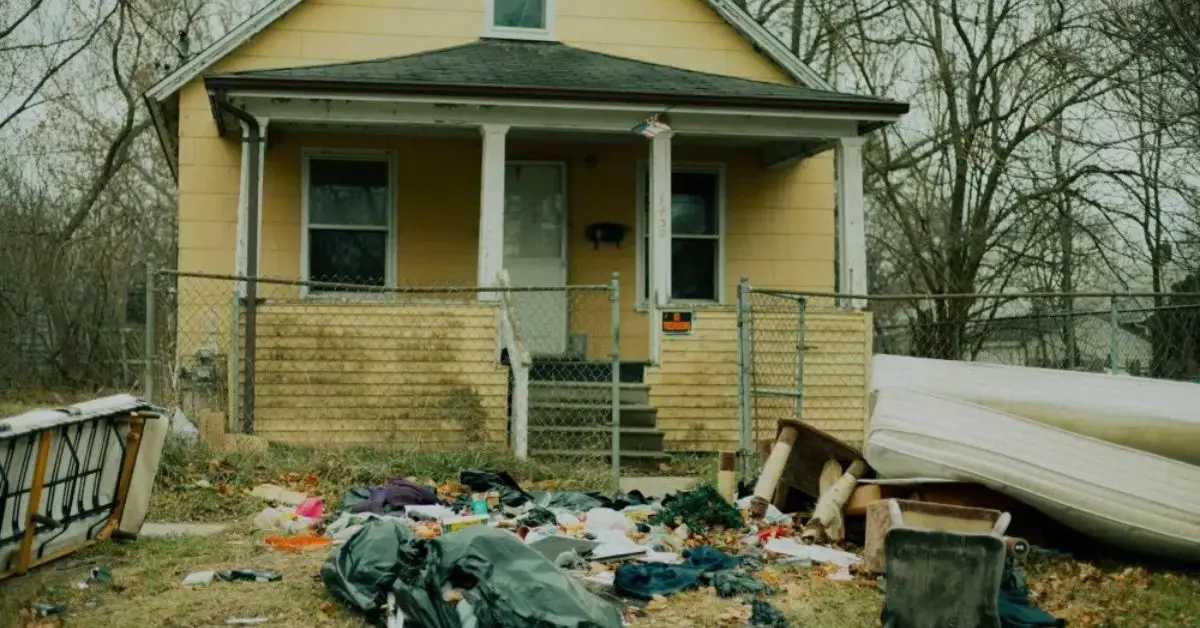
When a home isn’t maintained, moisture builds up. Small leaks go unchecked. Air stops circulating. Over time, the structure starts breaking down in ways you can’t always see from the outside.
From what I’ve seen, neglected vacant homes commonly lead to:
- Mold growth from water damage
- Damp air that worsens breathing conditions
- Rotting materials that release irritants
Once pests enter the picture, health risks multiply. Rodents and insects don’t respect property lines. They move through soil, walls, and shared spaces, bringing bacteria and allergens with them.
Medical research has consistently shown that areas with long-term vacant properties see higher levels of respiratory stress and mental strain among nearby residents. Even if you never step inside that house, the environment around it still affects you.
If you’ve been dealing with musty smells, unexplained allergies, or worsening air quality, it’s worth looking beyond your own walls.
3. Pest and Wildlife Infestations Overflowing Onto Neighboring Yards
In my experience, this is one of the earliest warning signs — and one homeowners underestimate the most.
An empty house is ideal shelter. Quiet. Undisturbed. No cleaning or human presence. That makes it perfect for pests and wildlife to settle in.
Neighbors living next to vacant homes often report:
- Mice and rats spreading into garages and basements
- Raccoons or bats nesting inside attics
- Insects increasing around yards and entry points
The problem is, once that property becomes a hub, treating your own home doesn’t fully solve it. You’re addressing the symptom, not the source.
Public health guidance from the Centers for Disease Control and Prevention makes it clear that rodents and wildlife increase disease risks once they move closer to occupied homes. And vacant structures accelerate that movement.
If pest issues suddenly appeared out of nowhere, ask yourself honestly — Did anything change on your street before the problem started?
4. Falling Property Values and Neighborhood Decline
This is where things start hitting the wallet — and the stress level rises fast.
I’ve worked with homeowners who did everything right: maintained their home, improved the yard, kept the place clean. Still, the moment a vacant house sat next door, buyers started hesitating. Questions changed. Offers dropped. Some deals quietly fell apart. When buyers start hesitating because of a vacant home nearby, knowing how to negotiate a lower home price becomes critical — especially when location-related risks aren’t something you can fix yourself.
An empty home sends a signal to buyers and agents alike. It suggests neglect, uncertainty, and future problems — even if your home is in perfect shape.
Living next to a vacant property often leads to:
- Lower perceived value of nearby homes
- Fewer buyer showings and longer time on market
- Buyers negotiating harder or walking away entirely
- A general “this area is declining” label
Real estate data consistently shows that homes near long-term vacancies struggle more during resale, a point also highlighted by Realtor.com when discussing how empty properties affect surrounding home values.
What makes this worse is the emotional side. You may love your home, but knowing that someone else’s neglect can quietly drag down years of your investment feels unfair — and honestly, frustrating.
For many homeowners, this is the moment concern turns into urgency.
5. Structural Deterioration Risks and Hidden Damage
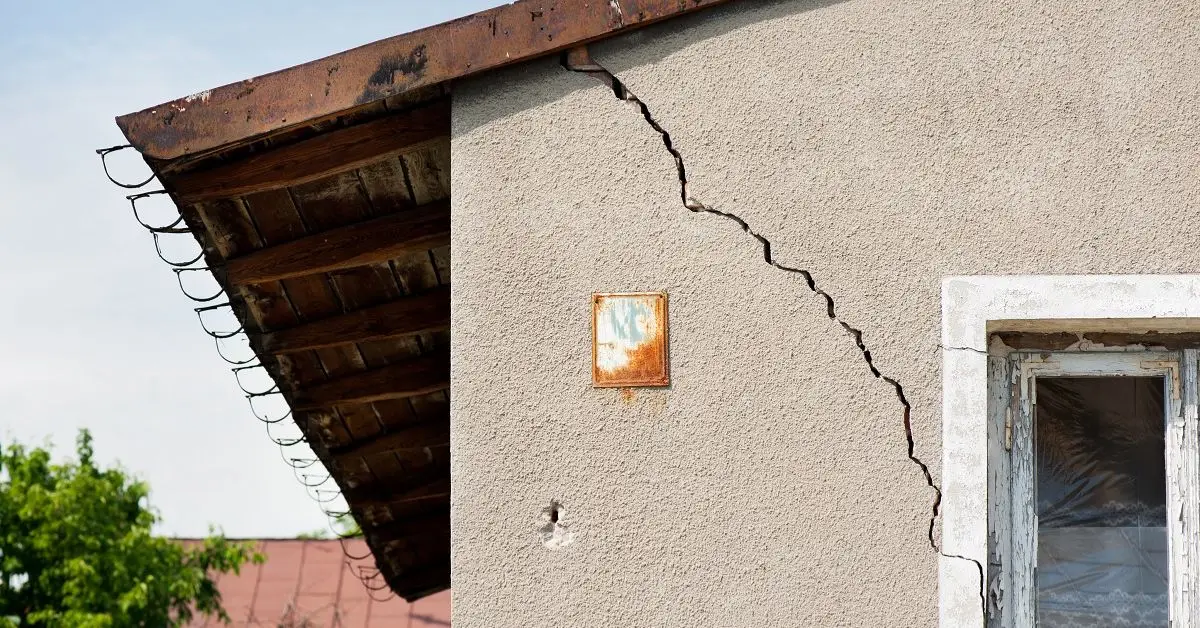
One thing I always tell people: buildings don’t “pause” just because no one lives inside them. They slowly fall apart.
Without regular maintenance, a vacant home begins to deteriorate in predictable ways — and those problems don’t always stay contained.
Over time, neglected properties often develop:
- Roof damage that allows water intrusion
- Plumbing leaks that go unnoticed for months
- Electrical systems that degrade or become fire hazards
- Structural weakening from moisture and rot
What worries neighbors most is spillover risk. Fires don’t respect property lines. Collapsing fences, falling debris, or water runoff can damage adjacent homes without warning.
There are also visual signs many homeowners miss early on:
- Sagging rooflines
- Overgrown gutters and vegetation
- Boarded or broken windows
- Strong musty or damp odors outdoors
Once these signs appear, deterioration is usually already well underway. And the longer it continues, the higher the risk — and the harder it is for the situation to be fixed quickly. Many homeowners don’t realize that issues caused by nearby neglect can quietly turn into unexpected home buying costs later — especially when inspections uncover risks buyers didn’t initially plan for.
Knowing what to watch for gives you a chance to act before the damage becomes irreversible.
6. Unwanted Social Issues — Squatters, Encampments, and Trespassers
This is one of the most uncomfortable topics, but it’s also one of the most real.
Vacant houses don’t just attract pests and decay — they attract people looking for shelter, privacy, or opportunity. And when that happens, neighbors are often the first to feel the impact.
I’ve seen homeowners deal with:
- Squatters quietly moving in
- Strangers entering and exiting at odd hours
- Makeshift encampments forming on the property
- Increased police activity on otherwise quiet streets
Even when the individuals aren’t causing direct harm, the uncertainty creates stress. You start wondering who’s inside, whether the situation could escalate, and what happens if something goes wrong.
There’s also a legal gray area many people don’t think about. If someone is injured on or near that vacant property, nearby homeowners sometimes worry about liability, disputes, or drawn-out investigations.
More than anything, this erodes the sense of community. Neighbors stop feeling comfortable. Kids play outside less. Trust on the street starts to fade.
And that loss of everyday comfort is exactly why so many people search for answers about vacant homes in the first place.
7. Municipal Code Enforcement and Legal Options for Neighbors
After hearing all these risks, the question I get most often is simple: “So what can I actually do?” This is where things shift from frustration to action.
If a vacant home is creating safety, health, or nuisance issues, you’re not powerless. In many US cities and counties, local governments already have tools in place — they just don’t always explain them clearly to residents.
Common options available to homeowners include:
- Filing a complaint with local code enforcement for safety or sanitation violations
- Reporting the property under nuisance abatement rules if it attracts crime or hazards
- Checking whether your city maintains a vacant property registry that holds owners accountable
Platforms like City Detect explain how municipalities track vacant homes and use fines, inspections, and enforcement to push owners into maintaining or securing their properties.
From real neighbor experiences, one thing makes a big difference: coordination. When multiple homeowners report the same issue, cities tend to respond faster. Documenting problems, sharing photos, and staying consistent matters more than one-off complaints.
Legal action is usually a last step, but it becomes realistic when:
- The property creates repeated safety incidents
- The owner ignores official notices
- Damage or risk spreads to neighboring homes
Knowing where that line exists helps you decide when to escalate — and when persistence alone can work.
Additional Considerations (Often Overlooked, Still Important)
Insurance and Liability Exposure
This is something many homeowners don’t think about until a claim gets denied.
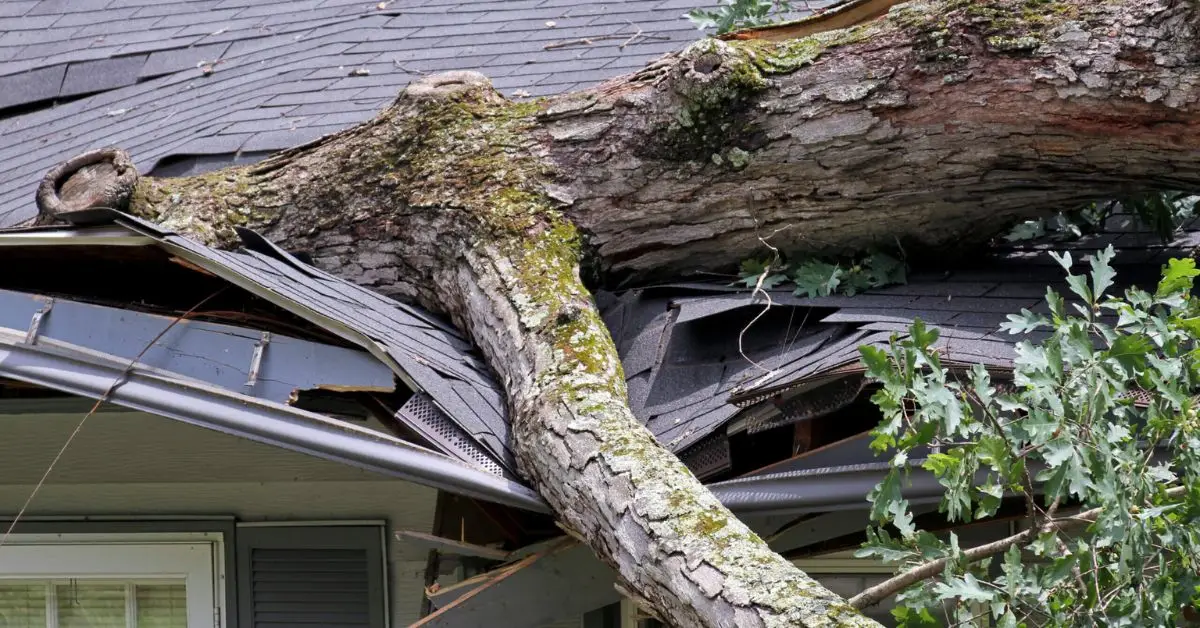
Vacant or poorly maintained properties nearby can complicate insurance situations in subtle ways. If a fire spreads, a tree falls, or a structural failure causes damage, insurers often look closely at the surrounding conditions.
Some homeowners have discovered:
- Higher scrutiny during claims involving nearby vacant structures
- Questions about shared risk or preventable damage
- Delays when liability isn’t clearly defined
Even if your policy stays the same, risk in the area affects how insurers evaluate incidents. That uncertainty alone can be stressful.
Impact on Mental Well-Being of Residents
Living next to a vacant home isn’t just a physical issue — it’s a mental one.
I’ve spoken to people who describe constant low-level stress: listening for noises, watching unfamiliar activity, worrying about what might happen next. Over time, that tension wears you down.
Neighborhood neglect has been linked to:
- Increased anxiety and sleep disruption
- Feeling less safe in familiar spaces
- Reduced sense of community and trust
When your home stops feeling like a place to relax, that’s a real cost — even if it never shows up on a bill.
What Every Homeowner Living Next to a Vacant Property Should Know
If there’s one thing I want you to take away from all this, it’s this: living next to a vacant home isn’t just an inconvenience. It’s a layered problem that affects your safety, health, peace of mind, and long-term investment.
Here’s the reality many homeowners across the US are dealing with:
- Vacant homes often attract trespassing, vandalism, and suspicious activity, making nearby residents feel less safe
- Lack of maintenance leads to mold, moisture, and environmental issues that don’t stay contained
- Pests and wildlife use empty properties as shelter and slowly spread into neighboring homes
- Property values can drop as buyers hesitate and neighborhoods gain a “declining” label. For buyers already struggling with affordability, vacant homes nearby only add friction — which is why understanding how improving affordability in 2026 may help first-time buyers matters more than ever in uncertain neighborhoods.
- Structural decay increases risks like fire, water damage, and falling debris
- Squatters or repeated trespassing can disrupt community trust and raise legal concerns
- Local enforcement and legal options exist, but they usually require awareness and persistence
If you’re living next to a vacant house, the most important step is paying attention early. Document changes. Talk to your neighbors. Use local reporting channels before small issues turn into major ones.
I share insights like this regularly on Build Like New, where the goal is simple — help homeowners protect what they’ve worked hard to build. If this situation is affecting your home or your decisions, you’ll find more practical guidance there.
Now I’d really like to hear from you.
Are you currently dealing with a vacant home next door? What’s been the biggest issue for you so far?
Drop your experience or questions in the comments — your story might help someone else in the same situation.
Disclaimer: This content is for general informational purposes only and is not legal, medical, or financial advice. Local laws, regulations, and conditions vary, so homeowners should consult qualified professionals or local authorities before taking action.