Los Angeles Massive Housing Plan Is Turning Heads Among Big Real Estate Developers
Los Angeles has spent decades being the city where housing projects go to die. Neighbor protests. Endless permit delays. Zoning laws that locked out density for 40 years straight. Developers knew the game, and most chose easier markets.
That’s shifting now. And the numbers are starting to prove it.
A City That Finally Said Yes
In February 2025, LA’s City Council passed the Citywide Housing Incentive Program (CHIP), a 14-0 vote that became the engine behind the city’s push to build 456,643 homes by 2029.
The goal sounds ambitious. The backstory explains why. From 2013 to 2021, LA added just 82,000 units. That’s roughly 10,000 a year in a city of 4 million people. CHIP was the city’s answer to that failure.
One year in, Mayor Karen Bass called the progress real. About 28,500 new homes are now under development. And 40% of them will be income-restricted affordable housing, not market-rate luxury builds, but actual workforce housing.
What Changed for Developers
Before CHIP, getting a housing project approved in LA could take years. Environmental reviews. Community hearings. Appeals. Each layer added cost and risk.
CHIP didn’t eliminate that, but it carved out a faster lane. Projects with affordable units get streamlined approvals. Go 100% affordable, and the incentives stretch even further. The result? Nearly 90% of the new proposed homes qualify for the city’s fast-track process.
That’s what’s drawing attention from outside California.
Thomas James Homes, an Aliso Viejo-based builder that got its start in Southern California, told Realtor.com that LA has become noticeably friendlier to pre-approved building plans, especially after the 2025 wildfires forced the city to accelerate rebuilding.
CEO Steve Schlageter put it plainly: “It can be incredibly complicated to go from one town to the next town. And California has a lot of layers.”
LA is still complex. But it’s more navigable than it used to be.
Why This Matters
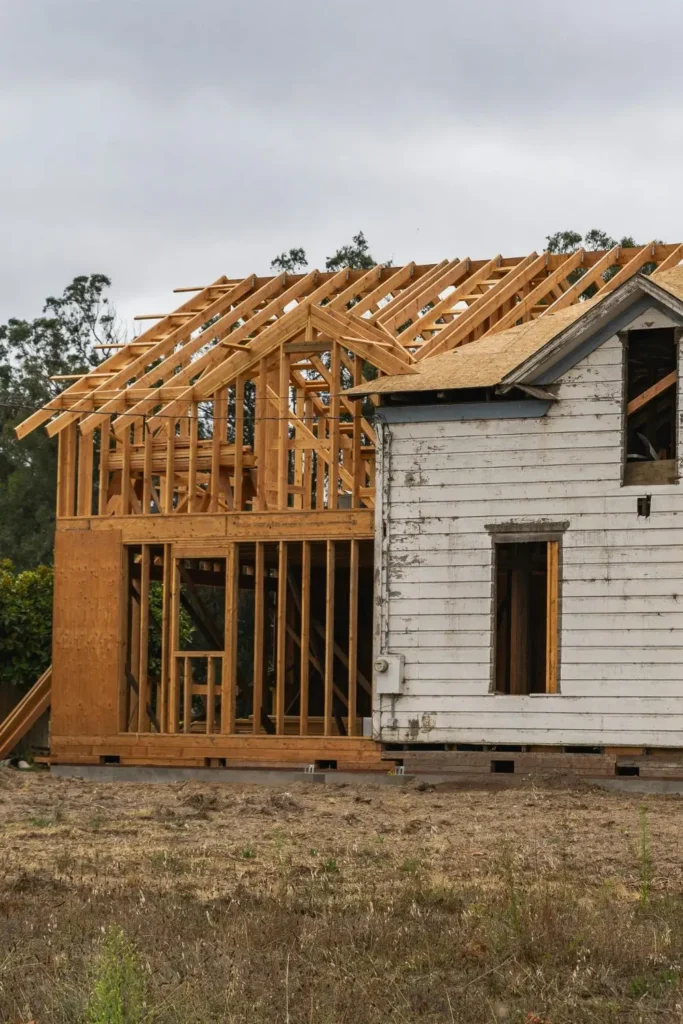
In the first six months after CHIP took effect, housing proposals in LA doubled, from about 120 to 242 projects. That pace is roughly double what the city typically sees.
Almost 60% of that new development is concentrated in Central Los Angeles and the south San Fernando Valley, a real geographic shift away from the downtown-heavy pattern of earlier years.
About 57% of the proposed units sit in “higher opportunity areas,” meaning residents would have access to transit, schools, and jobs.
The UCLA Lewis Center’s analysis of CHIP found the plan is gaining traction, but it also found that development is still concentrating in some neighborhoods more than others, and that much of the impacted land was already financially viable for development before CHIP passed.
Progress, yes. Solved, no.
If you want to stay updated as this story develops, there’s a housing and real estate discussion community on WhatsApp where people are actively tracking these kinds of policy shifts across the country. Worth checking out if this is something you follow closely.
The Housing Market Right Now
Here’s where things get interesting for buyers and renters watching this unfold.
The median list price for a home in LA hit $1,185,226 in April 2026, down 8.8% year over year. That’s a sharper drop than the national average of 1.4%.
Inventory stood at 3,190 homes, though much of that reflects homes sitting longer on the market, not a wave of new supply hitting.
Rents are also softening slightly. Asking rents across the LA metro reached $2,730 in January 2026, down about 1.9% from the year before. Vacancy rates ticked down from 4.8% to 4.4%.
This softening isn’t unique to LA. Across the country, home sellers are cutting prices and buyers are finally getting some leverage after years of being priced out. LA is just one of the most extreme examples of how fast that shift can happen.
And as new supply slowly enters the market, the pressure on housing costs tied to things like rising homeowners insurance rates is becoming part of the real affordability equation for families evaluating whether a new home actually pencils out.
Small moves. But in a city where rents had been climbing for decades, even a slight dip is meaningful.
What’s Still Broken
Here’s the part that doesn’t make the press releases.
Single-family zoning still covers 74% of LA’s residential land, and CHIP barely touched it. The plan originally aimed at denser development across the whole city.
The council carved out exceptions for single-family neighborhoods, essentially concentrating all new growth onto commercial corridors and existing multifamily zones.
Those are often the neighborhoods where lower-income residents and communities of color already live. More development there means more pressure on existing affordable housing and potentially more displacement.
This isn’t just an LA problem either. Cities like New York have been dealing with the downstream effects of housing instability for years, and as we covered, the consequences for families can be severe and long-lasting.
The city built in protections: 99-year affordability covenants, stronger housing replacement rules. But protections on paper and protections in practice aren’t always the same thing.
And not every proposed project gets built. LA typically approves around 20,000 homes a year. Doubling proposals to 242 active projects is a start, but it’s still nowhere near the pace needed to hit 456,643 units by 2029.
Do you think cities are doing enough to protect existing residents while building new housing? Drop your thoughts in the comments. Genuinely curious what people think about where the line should be.
Key Takeaways
- 28,500 homes now under development, 40% of which are income-restricted
- Housing proposals doubled in the first six months after CHIP took effect
- Nearly 90% of new projects qualify for fast-track approvals
- LA home prices dropped 8.8% YoY, steeper than the national average
- Rents are down slightly, but the city is still far behind on its 2029 housing target
- 74% of residential land remains single-family, largely untouched by this plan
The Bottom Line
CHIP is the most significant housing policy shift LA has made in decades. The early numbers are real. Developers are moving. Affordable units are being built in places they weren’t before.
But the math is still hard. The city needs to build roughly 57,000 units a year to hit its 2029 target. Right now, it’s producing a fraction of that. The red tape is thinner, but it’s not gone.
The plan is working better than most expected. Whether it works well enough is the question LA hasn’t answered yet.
For more housing, construction, and real estate trend breakdowns, visit Build Like New where we cover what’s actually being built and why it matters.
Follow us on X and join the conversation on our Facebook group where we share updates, breakdowns, and discuss stories like this one every week.
Disclaimer: This article is for informational purposes only and does not constitute legal, financial, or real estate advice.