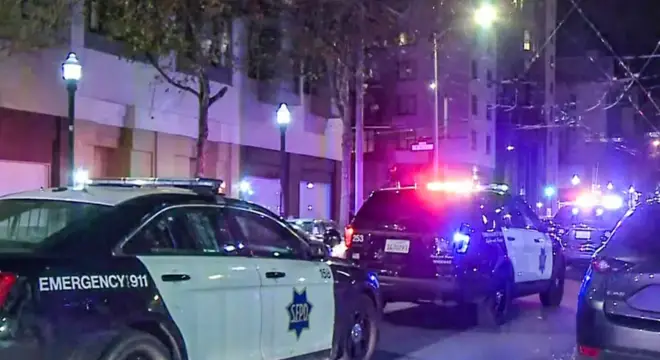
Firefighters Respond to Deadly House Fire in Woodbridge, One Man Dead
I want to take you straight into what happened on Hallsey Lane because when a house fire leaves someone dead, you and I both look for clarity first — not noise.
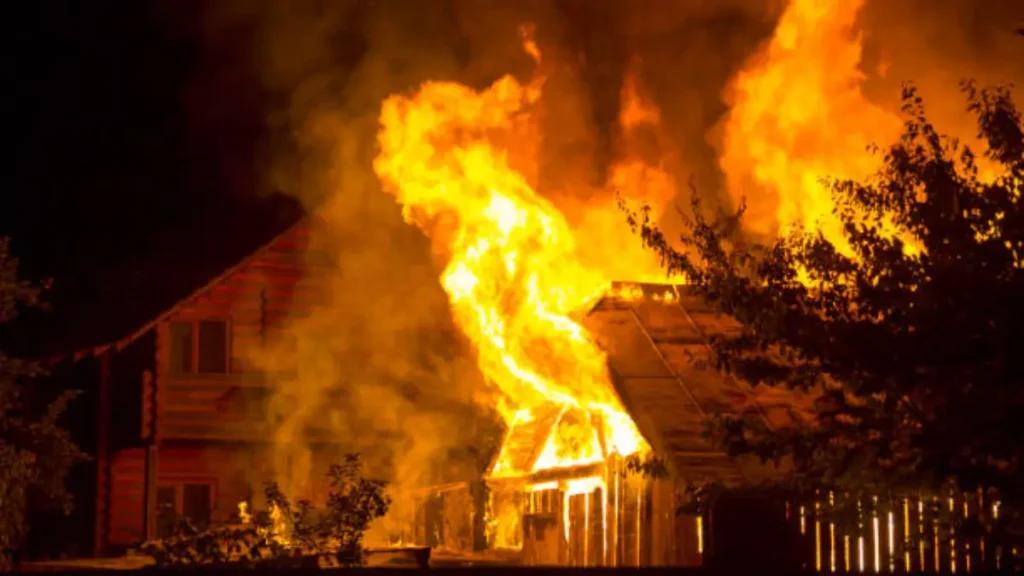
A little after 11:30 on Sunday morning, firefighters were called to a ranch-style home in Woodbridge. Smoke was already pushing out of the house, and by the time crews got there, heavy flames were showing. They knew right away this wasn’t a small, contained incident. It was the kind of fire that moves fast and leaves very little room for error.
Inside that home was a man in his 70s — the only person who lived there. Firefighters tried, but he didn’t survive. For a small town like Woodbridge, a loss like this hits harder than most headlines ever show.
I’m sharing this with you upfront because when you hear about a fatal house fire, you want to understand what unfolded, who responded, and why things escalated so quickly. And as we go deeper, you’ll see what investigators are piecing together now.
Before we move on — what’s the first question that comes to your mind about this fire?
How the Fire Unfolded
When I went through both local reports, one detail stood out to me — how fast everything escalated. You don’t usually see “heavy flames showing” this early unless the fire had already been burning for a bit before anyone noticed.
The first call came in at 11:34 a.m., according to both the New Haven Register and WTNH. WTNH noted the same timing in their report, confirming that smoke was already visible from outside the home by the time someone called it in.
When firefighters got there, the house — a ranch-style, single-occupancy place — was already burning hard. And if you’ve ever looked at how these structures are built, you know they can trap heat quickly. Once that happens, the fire doesn’t just spread — it flashes through rooms faster than most people expect.
Mutual aid crews from Bethany, Orange, and Seymour arrived soon after, bringing extra tankers because the conditions clearly weren’t routine.
Even with that support, it still took close to one hour to knock the fire down. That alone tells you how intense the interior conditions were.
Fast-moving fires like this aren’t rare — a similar two-alarm blaze recently tore through an abandoned home in Kalihi, and crews there faced the same challenge of rapid flame spread.
As I read through the reports, the timeline made one thing clear: this wasn’t a slow, smoldering fire. It was aggressive from the start.
What We Know About the Man Who Died
I want to talk about this part carefully, because behind every fire report is a real person whose life ended unexpectedly.
The victim was a man in his 70s — the sole resident of the home. Officials haven’t released his full identity yet, likely because the family still needs to be notified or because they’re handling it with sensitivity.
What we do know is that he didn’t make it out before firefighters arrived. And that says something about the conditions inside. Either the smoke overtook him quickly, or he was caught somewhere he couldn’t escape in time.
There’s no speculation needed — just an acknowledgment of the loss. Fires don’t just destroy property; they take away stories, routines, and lives that suddenly stop. And that’s what happened here.
Just last week, a man was killed in a similar house fire in Cumberland County, where smoke conditions also became overwhelming before firefighters could reach him.
Firefighters’ Response and the Injury on Scene
If you’ve followed local fire coverage before, you know small-town departments often rely on strong mutual-aid networks. Woodbridge is no exception.
Chief Sean Rowland said his crews were the first in, but they immediately knew they’d need more hands and more water. Mutual-aid departments responded quickly, and you can imagine the coordination required when multiple towns converge on one burning home.
During that effort, one firefighter suffered a shoulder injury. He was taken to a hospital, treated, and later released. That matters, because an injury during suppression usually means the interior conditions were pushing firefighters to their physical limit — heat, collapse risks, tight visibility, or unstable flooring.
Responders did everything they could under conditions that weren’t forgiving.
What Investigators Are Looking At Right Now?
When a fire ends with a fatality, investigators treat every detail with more weight. The Woodbridge Fire Marshal’s Office and the State Fire Marshal are now handling the case together, which is standard whenever a death is involved.
Right now, they’ll be looking for three core things:
1. Where the fire started
Kitchens, electrical panels, heating units — each tells a different story.
2. How quickly it spread
That can reveal ignition patterns or possible delayed detection.
3. What the victim was doing at the time
Not speculation — just factual reconstruction.
This helps them understand whether he was sleeping, attempting to escape, or caught by smoke.
And until those investigators speak publicly, the cause stays officially “undetermined.” That’s standard, and it’s the right approach.
Why the Fire Spread So Fast?
Something SERP stories often skip — and something you and I both know readers wonder — is why this fire became so severe so quickly.
A ranch-style home seems simple from the outside, but structurally, it can act like a single large fire compartment. There aren’t many interior barriers. If a fire catches the right fuel source, it races horizontally with very little to slow it down.
Another factor is timing. A late-detected fire gives smoke the advantage. Once a room flashes over, conditions reach deadly levels long before flames reach the exterior. That’s often why victims are found inside even when the outside of the home looks survivable.
And here’s where national data adds weight: NFPA research shows that most fatal home fires happen when smoke detectors aren’t working or the victim is unable to escape due to rapid smoke spread.
I’m not saying that’s what happened here — investigators will decide that. But it’s the context that helps you understand why firefighters arrived to a house already engulfed.
A tragic example of how quickly conditions can turn fatal was seen in a recent Monson house fire that claimed two lives when the interior flashed over before crews arrived.
A Quick but Important Look at Home Fire Safety
I don’t want to turn this into a lecture, but I also don’t want you to walk away from a story like this without something practical to hold onto.
Fires in Connecticut — or anywhere else — move faster than most people imagine. And when you look at national numbers from groups like the NFPA, the pattern is painfully clear: smoke spreads long before flames do.
If you’re reading this at home, here’s what I’d check today:
- Are your smoke alarms working in every room?
- Do you have alarms near bedrooms, not just in hallways?
- Would you actually hear them at night?
- If a fire started in your living room right now, do you know the fastest way out?
These aren’t dramatic questions. They’re simple, boring checks that save lives every day. And if a fire ever started where you live, you’d want those seconds back — the ones that come before the smoke gets thick and your choices shrink.
You don’t need fear to stay safe. You just need awareness. And this incident is a reminder of that.
What Happens Next and What You Can Expect in the Coming Days
When investigators get involved — especially both local and state fire marshals — the process takes time. They’ll go through the house layer by layer, looking for burn patterns, ignition points, and anything that explains how the fire started and why it became fatal so fast.
You can expect two main updates in the next few days:
- A clearer statement about the cause — even if it ends up listed as accidental.
- An official release of the victim’s identity, once the family is fully notified and ready.
Sometimes departments also issue a brief safety note to the community, especially after a deadly fire. If that happens, it’s worth paying attention to — not because it changes the past, but because it sharpens how you think about your own home.
For now, all anyone can do is wait for those updates, honor the loss, and take whatever lesson they can from what happened on Hallsey Lane.
Before we continue — what’s the one thing you’re still wondering about this incident?
If you want quick updates on incidents like this or ongoing fire investigations across the country, I share them regularly on X and in our community discussions on Facebook.
Disclaimer: This report is based on information released by fire officials and local authorities at the time of writing. Details may change as the investigation continues and more updates are provided. Readers are encouraged to follow official statements for the most accurate and current information.