7 Smart Marie Kondo Cleaning Hacks for Busy Homes
If cleaning your house feels like it quietly takes over your weekends, trust me—you’re not alone. I’ve seen this pattern again and again. Most people aren’t lazy or careless. They actually try to stay organized. But somehow, the mess keeps coming back, and cleaning turns into a long, tiring cycle instead of a simple routine.
The problem isn’t that you’re doing too little. It’s that most cleaning advice pushes perfection. Deep cleans. Full-room resets. Big weekend plans. Real life doesn’t work like that. You have work, family, mental load—and no one wants to spend their only free days chasing clutter that reappears by Monday.
This is where Marie Kondo’s approach feels different—and honestly, relieving. Her method isn’t about having a picture-perfect home. It’s about making your space easier to live in. Less friction. Fewer decisions. Less time spent cleaning the same things again and again.
What I like most is that the focus shifts from “clean more” to “clean smarter.” When your home is set up with intention, cleaning stops feeling heavy. It becomes lighter, quicker, and oddly calmer. Not because your house is perfect—but because it works with you, not against you.
The hacks you’re about to read aren’t dramatic makeovers. They’re small shifts that quietly save time every single day. And when those minutes add up, weekends start feeling like weekends again.
Before we dive in—be honest with me for a second: which part of cleaning drains you the most right now—starting, staying consistent, or keeping things from getting messy again?
Start With What You Actually See
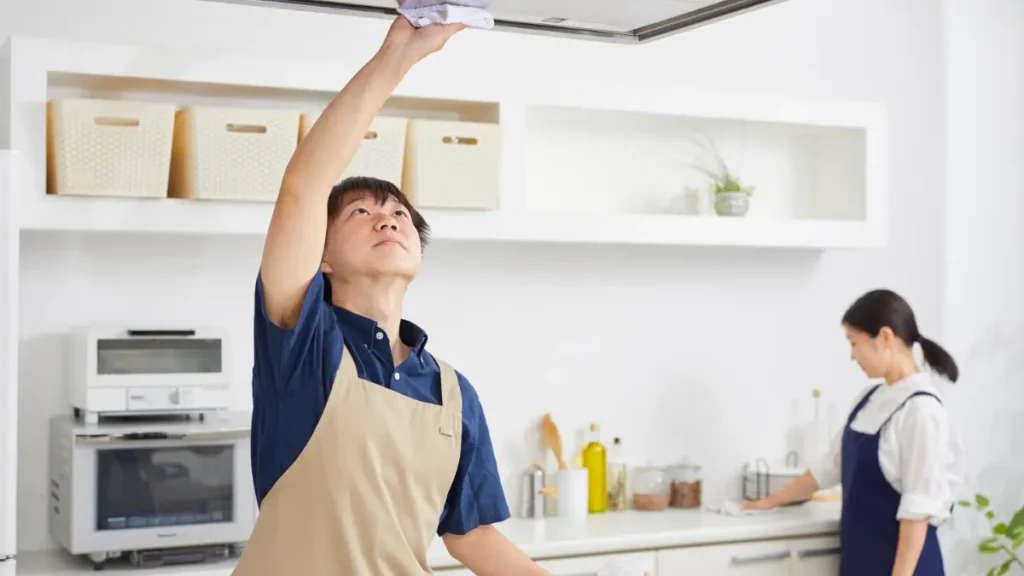
Most people make the mistake of starting cleaning where the mess is biggest. I’ve learned that this is exactly why cleaning feels overwhelming. A better move—and one Marie Kondo strongly supports—is to start with what you see first.
Think about it. Your kitchen counter. Your entryway. The table where stuff keeps landing. These spots quietly shape how your whole home feels.
Instead of trying to clean the entire house, clear one visible surface completely. Take everything off. Then, only put back what truly belongs there.
This idea is also highlighted by Man Made DIY, which points out that focusing on high-impact areas creates faster results and builds momentum instead of burnout. When your eyes see calm, your brain follows.
The best part? You get instant feedback. The space feels lighter within minutes, not hours. That small win often gives you the motivation to keep going—without forcing yourself.
Focusing on high-impact areas, like entryways and visible surfaces, can instantly shift the mood of your home—similar to how correcting common mistakes in window treatments can change the entire look of a room.
Keep Items by Category, Not by Room
Here’s something most cleaning guides miss: cleaning room by room makes you repeat the same decisions again and again.
Marie Kondo flips that logic.
Instead of cleaning one room, gather all items from the same category into one place—books, papers, cleaning supplies, clothes. When you see everything together, reality hits fast. You finally notice how much you own and what you actually use.
This saves time because you’re deciding once, not ten times across different rooms.
I’ve seen people cut their cleaning time almost in half just by stopping the back-and-forth. Fewer decisions. Less mental fatigue. Faster progress.
It feels strange at first, but once you try it, room-by-room cleaning starts to feel inefficient.
The “One Touch” Rule
This rule sounds almost too simple—but it’s powerful.
When you pick something up, deal with it once. Don’t move it from the couch to the table. From the table to a chair. From the chair to “later.”
Put it where it belongs. Right away.
Clutter doesn’t explode overnight. It builds slowly from tiny delays. One jacket here. One mug there. One unopened letter. The “one touch” rule cuts clutter off at the source.
I always tell people this: small daily discipline beats heroic weekend cleaning every time. When surfaces stay clear, cleaning stops feeling urgent and stressful.
You’re not cleaning more—you’re preventing mess from forming.
A quick nightly reset not only keeps your home tidy but can also impact your rest—just like the 10 bedroom habits sleep experts say might be affecting your sleep quality.
Fold Vertically for Visibility
Marie Kondo’s vertical folding method isn’t about aesthetics. It’s about speed.
When clothes are stacked, you only see the top layer. Everything underneath becomes invisible, forgotten, and messy. Vertical folding fixes that instantly.
You open a drawer and see everything at once. No digging. No unfolding. No refolding because you couldn’t find one shirt.
Laundry becomes easier to put away and easier to grab from. And yes—it feels oddly satisfying.
This one habit alone can remove a surprising amount of daily friction, especially on busy mornings.
Create a Home for Everything

If clutter keeps coming back, it’s usually not because you’re messy.
It’s because your things don’t know where they live.
Every item—big or small—needs a clear, permanent home. When an object doesn’t have one, your brain hesitates every time you try to put it away. That hesitation turns into piles.
Once everything has a place, tidying becomes almost automatic. There’s no decision to make. You already know where it goes.
This is one of the most calming shifts you can make. Your space starts to feel predictable. And when your home feels predictable, cleaning gets faster without effort.
Let me ask you something before we move on: what’s one item in your home that never seems to have a proper place?
Store Things Based on How You Use Them
One reason daily life feels harder than it should is simple friction. You have to move things just to reach the thing you need. That friction adds up, and over time, it makes cleaning feel annoying instead of easy.
Marie Kondo’s logic here is practical: store items based on how often you use them.
Things you reach for every day should be within arm’s reach. Eye level. Front of drawers. Easy to grab and easy to put back. Items you rarely use can live higher, lower, or farther away.
When your space matches your habits, you stop fighting it. You don’t have to rearrange shelves or shift piles just to get through your routine. Small change—but it quietly saves time every single day.
If you want short, daily reminders to keep your space simple and organized, I sometimes share quick tips and hacks through a WhatsApp update list that goes straight to your phone—it’s like a mini daily reset you can check anytime.
End the Day With a Five-Minute Reset
This is where most people go wrong. They wait for mess to become a problem.
A five-minute reset at the end of the day changes everything. It’s not cleaning. It’s maintenance.
Put things back where they belong. Clear one surface. Reset the space so tomorrow starts fresh.
Five minutes feels manageable, even on tired days. And because clutter never piles up, you avoid those exhausting catch-up cleanups later.
I’ve seen this habit alone remove the need for long weekend cleaning sessions. The house stays “good enough” all the time—and that’s the goal.
Sometimes letting go is easier said than done—just like I shared in 8 Things I’m Finally Letting Go to Make Room for the Holidays, even small, intentional decisions can make a huge difference in how your space feels.
What These Hacks Are Really Doing (And Why They Work)
Here’s the part most articles skip.
These hacks don’t just save time physically. They save mental energy.
Less deciding. Less searching. Less second-guessing where things go. When your home runs on simple systems, your brain relaxes. Cleaning stops feeling like a chore and starts feeling like a quick reset.
That’s why these methods last. They don’t rely on motivation. They rely on structure.
And structure beats motivation every time.
The Real Goal Isn’t a Perfect Home
Marie Kondo’s approach was never about perfection. It was about creating a home that supports your life instead of draining it.
You don’t need to do all of this at once. Start with one habit. One drawer. One surface. Let the calm build slowly.
Over time, you’ll notice something important: you’re not cleaning less because you’re lazy—you’re cleaning less because your home finally works.
So tell me—which one of these habits do you think would make the biggest difference in your home right now?
For more quick home tips and small hacks I share every week, you can follow me on X or join our Facebook group for daily inspiration.
Disclaimer: These cleaning tips are meant to simplify everyday routines, not to promote perfection or minimalism. Results may vary depending on lifestyle, home size, and daily habits. Always adapt any method in a way that realistically works for you and your household.