Lightning Struck a Memphis House During Morning Storms and the Roof Never Stood a Chance
Monday morning storms rolled through Memphis and left one family with nothing but memories. A 65-year-old woman on Dromedary Drive in Northeast Memphis felt her entire house jolt around 11:30 a.m. and that was just the beginning.
She grabbed her dog Brady and got out. But before she did, she thought she had handled it. The dryer had caught fire. She put it out. Done, right?
Wrong. The attic was already burning.
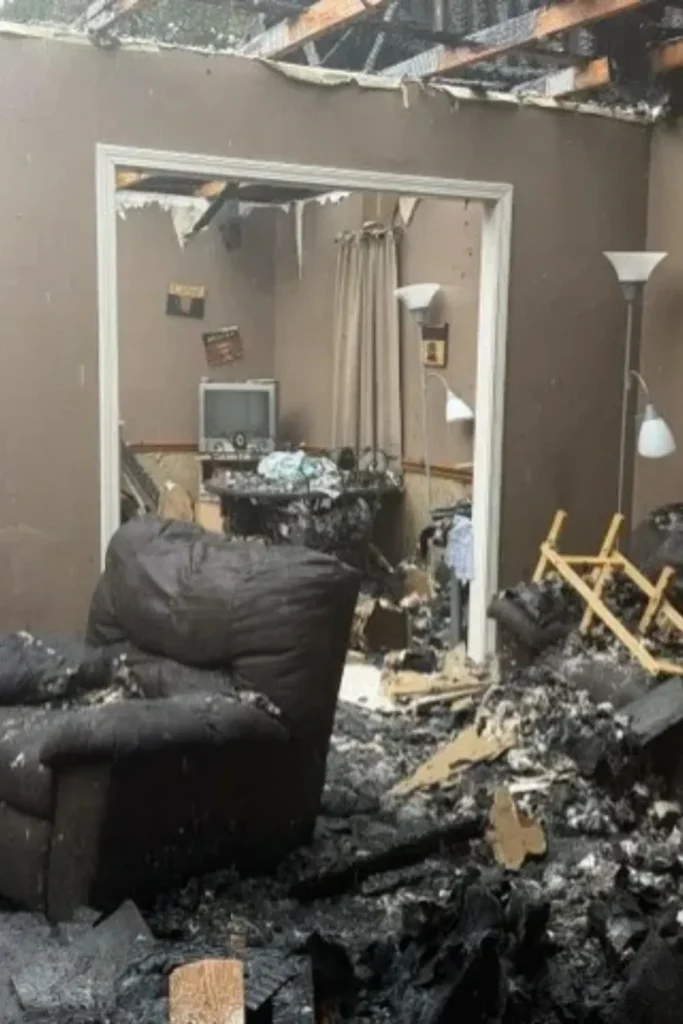
Memphis Fire Department confirmed the blaze was caused by a lightning strike. Photos show the roof torn open and charred. No injuries were reported, but the home where this woman had lived since 1984 was destroyed.
“It’s pretty tragic. She lived here since 1984, my mom grew up here,” said Blake Harvey, her grandson. He was there helping with cleanup.
She is now staying at a hotel. Forty-two years, gone in one storm.
The Part That Catches Most Homeowners Off Guard
Here is what most people miss about lightning fires. They do not always show up right away.
A lightning bolt can reach 50,000°F at the point of impact. It can ignite wood, insulation, and roofing materials instantly. But the fire often starts inside the attic or within walls, where you cannot see it and where your smoke detector may not catch it for a while.
That is exactly what happened here. The visible fire, the dryer, was handled. The hidden fire in the attic kept going.
Lightning also travels through your home’s wiring, pipes, gutters, and metal frames. One strike can hit your roof and simultaneously send a surge through your entire electrical system. Your circuit breakers are not built to handle it.
This is why firefighters use thermal imaging after lightning strikes to find heat hiding inside walls and ceilings that your eyes cannot see.
Read the full incident report: Lightning strike causes house fire in Memphis — WREG News Channel 3
Why This Matters and The Numbers Tell the Real Story
This is not a rare event. It just feels like one until it happens to you.
According to the Insurance Information Institute (Triple-I), U.S. homeowners filed 61,986 lightning-related claims in 2025. The total payout hit $1.65 billion. The average cost per claim jumped 42.8% in a single year to $26,616.
That jump is driven by rising rebuild costs, inflation, and the growing value of electronics and smart-home devices inside our homes.
And here is the part insurance companies quietly acknowledge. When lightning causes a fire, the claim often gets logged as a fire loss, not a lightning loss. So the real numbers are likely higher than what gets reported.
House fires triggered by natural events follow patterns most families never think about until it is too late. See the home preparation steps most families skip before a fire ever starts.
Three Things to Do Before the Next Storm
1. Call 911 Even If You Think the Fire Is Out
If lightning strikes your home, call the fire department immediately, even if you see no flames. Hidden fires in attics and walls are the biggest risk. Firefighters have thermal imaging; you do not.
Speed matters more than most people realize. This Wimauma case shows exactly how fast firefighters can work when a 911 call comes in on time.
2. Check What Your Policy Actually Covers
Standard homeowners insurance covers direct lightning damage and fire. But power surge coverage for fried appliances and electronics varies. Read your policy now, not after the storm.
3. Consider a Whole-House Surge Protector
A power strip does not protect against a direct lightning surge. A whole-house surge protector installed at your main electrical panel does and it covers appliances, HVAC, and systems that regular strips never reach.
If you want to stay on top of home safety incidents and real-time storm coverage, the Build Like New WhatsApp channel posts updates as stories develop.
Key Takeaways
This Memphis story is a reminder that lightning does not give you time to think. A 65-year-old woman had seconds to act. She did the right thing by getting out but even the best instincts could not save 42 years of memories.
Know your policy. Know the hidden risks. And do not wait for the next storm to start asking questions.
Home fires do not just destroy property. They wipe out everything inside. This Roanoke County house fire is a hard example of just how much can be lost.
Has your home ever been hit by lightning or caught in a severe storm? Share what happened in the comments. Your experience could genuinely help another homeowner know what to watch for.
For more home security and safety coverage, follow Build Like New on X and join the conversation on Facebook. We cover real incidents, homeowner risks, and what the headlines leave out.
Disclaimer: This article is for informational purposes only, based on publicly available news reports and third-party data.