Sellers Taking Mismatched Appliances Turning Off Buyers Faster Than Expected
I’ve walked into a lot of kitchens over the years that looked great at first glance. New countertops, fresh paint, nice tile backsplash.
Then I’d open the fridge door and notice it didn’t match the stove. White fridge, black range. And honestly, that one detail changes how a buyer reads the whole room.
It sounds small. It isn’t.
A mismatched fridge doesn’t just look off in photos. It tells a buyer’s brain something is unfinished, even if every appliance works perfectly fine. And once that thought starts, it doesn’t stay contained to the kitchen.
Why Buyers React So Strongly to a Mismatched Kitchen
Buyers today are already stretching their budgets just to cover the mortgage. So when they walk into a kitchen with a patchwork of appliance styles, it’s not a small annoyance. It’s an immediate red flag.
Taylor Lucyk, a licensed real estate broker in Bergen County, NJ, put it plainly: a mismatched kitchen signals a piecemeal approach to home maintenance, and buyers start wondering what else got neglected.
Suddenly your fridge is the reason they’re mentally adding a chore list before they’ve even made an offer.
It’s not really about the appliance itself. It’s about what it implies about everything they can’t see, the wiring behind the wall, the plumbing under the sink, the roof they haven’t inspected yet.
A buyer’s brain fills in those gaps with worst-case assumptions, and a mismatched fridge is often the first clue that sends them down that path.
Dell Jeanty, a real estate agent in Arlington, VA, sees the same pattern on repeat. Aside from a fresh coat of paint, swapping in matching appliances is one of the cheapest upgrades a seller can make before listing.
Buyers today want a home that already looks finished, the kind they’ve seen on renovation shows. Appliances that clearly don’t belong together read as an eyesore, and eyesores get remembered long after the showing ends.
What This Actually Costs You
Here’s a story that says more than any stat could. A listing agent in San Antonio had sellers who refused to replace a fridge that was already past the typical 12-year lifespan most refrigerators are expected to last, sitting in an otherwise fully updated kitchen.
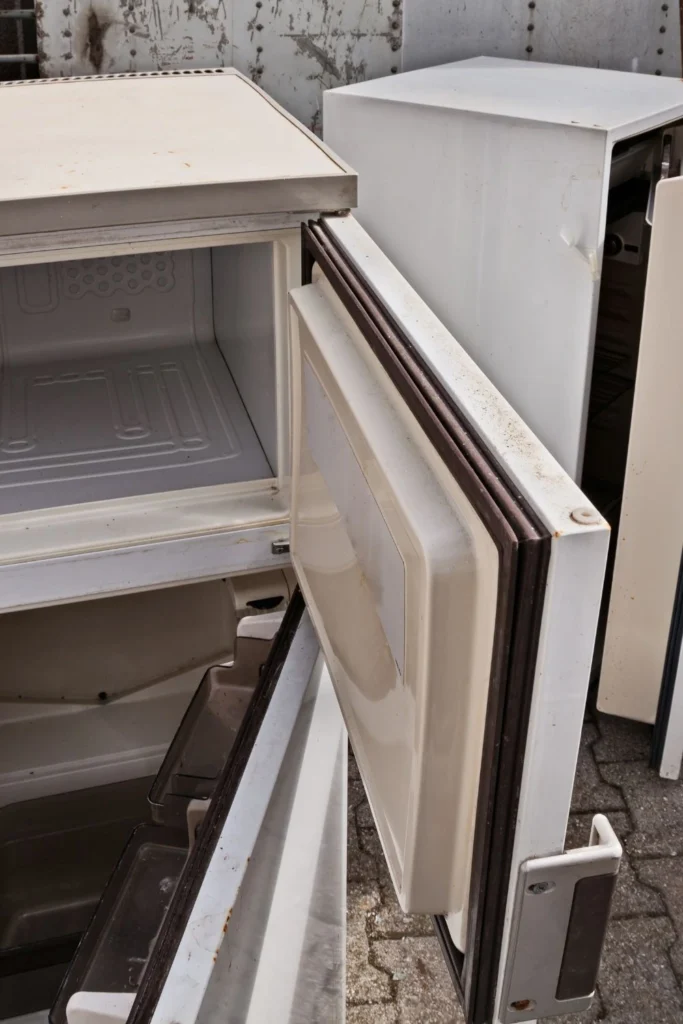
The home sat on the market for 47 days and finally sold about $9,000 below the comparable range for the area. The agent’s takeaway was simple. The fix is cheap compared to the cost of getting it wrong.
And the fix really is cheap. A basic, cohesive four-piece stainless steel set, fridge, stove, dishwasher, microwave, typically runs between $2,500 and $5,000 from a retailer like Best Buy or Home Depot.
Compare that to what buyers actually ask for once they spot a mismatch. Concessions in the $3,000 to $7,000 range, or an offer that’s quietly dropped below asking altogether.
Thomas O’Shaughnessy, vice president of Clever Real Estate in St. Louis, has seen this play out from both sides of the negotiating table.
Buyers will either demand a concession to cover new appliances, or they’ll use the mismatch as a reason to lowball the offer from the start.
Spending that same money upfront on a matching set almost always works out cheaper than conceding it later, and it gets the home off the market faster too.
Before you spend anything new, though, check if a cheaper fix works first. Plenty of dishwashers have a panel that’s reversible, white on one side, stainless on the other, so changing the color is just a matter of unscrewing it and flipping it around.
Worth five minutes before you buy anything. And if you’re keeping current appliances running a little longer while you save up, it helps to know which ones should never run together to avoid tripping a breaker.
A mismatched kitchen is one problem. A power outage mid-showing is another.
A Quick Gut Check Before You Spend Anything
Not every mismatch needs fixing. This matters most in two situations. Luxury homes, where buyers expect polish at every turn, and mid-range homes, where buyers are watching every dollar and calculating what they’ll need to spend after closing.
It also isn’t really about brand. Buyers rarely notice if your dishwasher is a different manufacturer than your fridge. What they notice is finish, white next to black next to stainless.
Color consistency matters far more than logo matching, and a discounted single-brand bundle usually solves it in one trip.
If you’d rather stretch your current set a bit longer first, a few simple maintenance habits can add real years to how long appliances last, worth checking before you assume something needs replacing.
Have a mismatched kitchen you’re not sure about? Drop it in the comments. Happy to help you think through whether it’s worth fixing.
Why This Matters
This isn’t agent opinion alone.
According to the National Association of Realtors’ 2025 Remodeling Impact Report, kitchen upgrades earned a perfect Joy Score among homeowners, and 18% of people who remodeled did it specifically because they planned to sell within two years.
Buyers and sellers are both already treating kitchen condition as a sale-outcome factor. The San Antonio case is what that looks like in practice, not theory.
A buyer with a bigger pool of comparable homes to choose from won’t write you a note explaining the mismatch cost them the sale. They’ll just move to the next listing.
With matching appliances, sellers end up in a stronger negotiating position and pull in a wider buyer pool from the start. For the full breakdown on how this plays out across different markets, realtor.com’s original reporting is worth a read before you list.
One more thing worth a walk-through before showings start, confirm which appliances actually need to be unplugged when not in use. A fire risk during an open house is a far bigger problem than a mismatched fridge.
Key Takeaways
- A mismatched fridge signals neglect even when nothing’s actually broken
- A basic matching set runs $2,500 to $5,000, often cheaper than the concessions buyers will demand
- Try the panel flip trick before buying anything new
- Color and finish matter more than matching brands
- One overlooked fridge cost a real seller $9,000 and 47 extra days on market
So before you list, walk through your kitchen the way a buyer would. Does anything clash? Could a discounted bundle solve what you assumed needed a full remodel?
We post quick fixes like this almost daily, often before they make it into a full article. Our WhatsApp channel is where they show up first.
If this kind of practical, pre-sale advice is useful to you, you’ll find a lot more of it on Build Like New, where we break down exactly what’s worth fixing before you list and what you can safely skip. We’d love to have you stop by.
If this helped, you’ll probably like what we share on X and in our Facebook group, where sellers swap real notes on exactly this kind of stuff.
Disclaimer: This article is for informational purposes only and does not constitute real estate, financial, or appraisal advice.
Costs and figures mentioned are based on agent estimates and national averages, and may vary by market. Please consult a local real estate professional before making selling decisions.