Durham High School Mock Crash Raises Awareness About Driving Dangers at Home
I don’t think any parent wants to imagine their teen hearing sirens behind school and seeing a life flight helicopter land nearby.
But that was the point of the Durham High School Mock Crash.
The crash was staged, but the fear behind it was real. Students watched a simulated impaired driving scene unfold step by step, from a 911 call to emergency crews treating victims. In the demonstration, four people did not survive.
I see why schools do this before prom. One ride, one drink, one bad call can change more than one life. It can hit a whole family, a whole class, and a whole town.
This was not just a warning about drunk driving. It was a reminder for every home to talk about the plan before the party, before the keys, and before it is too late.
Durham High School Mock Crash Turns a Safety Lesson Into Reality
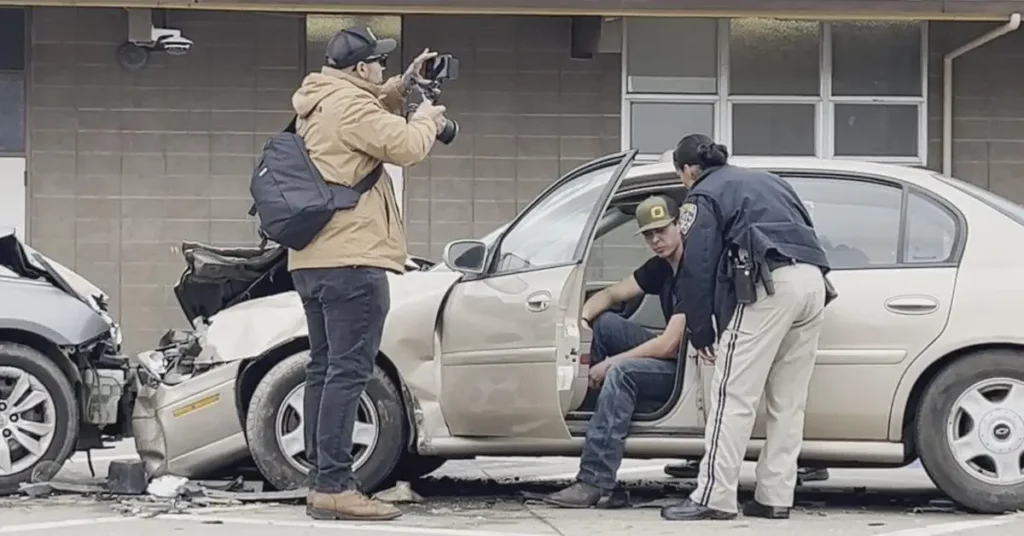
If you were there, it would have looked like a real accident.
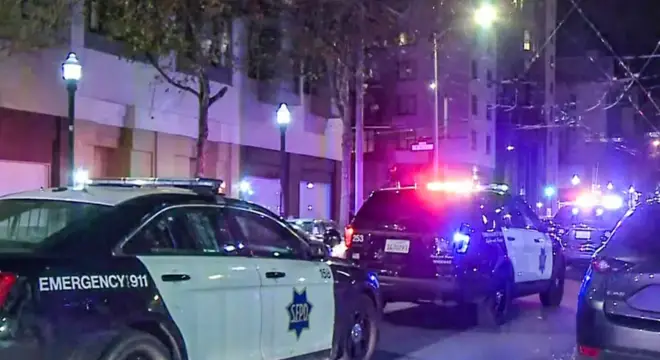
Behind Durham High School, a staged crash was set up for students. It started with a 911 call. Two vehicles. A teen driver. Alcohol involved. Within minutes, police, firefighters, and medical teams arrived and began treating victims.
A helicopter also landed nearby.
That was not for show. It was part of the plan to show you how serious these situations can get. In the simulation, four people did not survive.
I think what makes this different from a normal safety talk is how real it feels. You are not just hearing about a crash. You are watching how everything unfolds.
This event was part of the “Every 15 Minutes” program, which schools use to show the real impact of impaired driving. It focuses on what usually gets missed in headlines. The time, the response, and the people affected.
And the reality behind it is not far off. According to the National Highway Traffic Safety Administration, an alcohol related driving death still happens about every 44 minutes in the US.
Why This Mock Crash Happened Days Before Prom
This was not random timing.
Prom season is when a lot of teens go out, stay late, and sometimes take risks they normally would not. That is why schools plan these programs right before it.
If you think about it, most bad decisions do not feel serious in the moment. It is usually just a quick choice. Who is driving. Whether someone has been drinking. Whether to say something or stay quiet.
That is exactly what this program tries to change.
One decision does not just affect you. It affects everyone in the car and the people waiting at home.
Parents who watched the event said the same thing. It is not just about their child. It is about every student making it home safely.
If you are a student, this is the time to think ahead. And if you are a parent, this is the time to talk about a clear plan before the night even starts.
What Students Saw During the Durham High School Mock Crash
It did not feel like a demonstration. It felt like something real happening right in front of you.
It started with a simulated 911 call. A student reported two vehicles involved. You could hear the urgency in the voice, even though it was planned.
Then things moved fast.
A teen driver admitted to drinking. Officers arrived and quickly treated it like a DUI case. At the same time, emergency teams were working on the injured. Students watched victims being pulled out, treated, and prepared for transport.
And then came the part that stays with you.
In the simulation, four people did not survive.
I think this is where the message hits differently. You are not just told “don’t drink and drive.” You see what happens when someone ignores that advice.
The Real Message Behind “Every 15 Minutes”
You might have heard the name before, but most people do not know what it actually means.
The “Every 15 Minutes” program was originally based on an older estimate that someone died in an alcohol related crash every 15 minutes. That number has changed over time, but the idea behind it has not.
The name is meant to make you pause.
Today, the numbers are different, but the problem is still real. According to recent federal data, an alcohol impaired driving death happens about every 44 minutes in the US.
So the message is simple. Even if the exact number changes, the risk is still there.
And programs like this are not about statistics. They are about making sure you remember the impact when you are in a situation where a decision matters.
CHP Says Headlines Do Not Show the Full Damage
Most of the time, you will only see a short headline about a crash.
In reality, incidents like a driver slamming into power poles and a home in Antioch show how quickly things can go out of control.
What you do not see is everything behind it.
Officer Adriana Warner from CHP pointed this out clearly. A crash is not just a quick report. It involves police, firefighters, medical teams, and families who have to deal with the outcome.
Students got to see that full picture during the demonstration.
It is not just about the moment of impact. It is about what happens after. The response, the injuries, the loss, and the people affected long after the scene is cleared.
If you want to understand how the event actually played out, you can read the full local coverage from Action News Now.
And that is really the point.
Once you see everything that goes into one crash, it becomes harder to treat it like “just another story.”
What Happens After the Crash Scene
What you saw at the crash site is only the beginning.
In many cases, crashes involve more than one vehicle and get worse within seconds, like this multi vehicle crash in Amesbury that left a modular home in the highway median.
After that, the program takes you deeper. There is a mock trial where students see what happens legally after a DUI. Charges are explained. Consequences are not softened.
You start to realize this is not just about one night. It can affect your record, your future, and your family.
Then come real stories.
Families speak about losing someone to impaired driving. These are not scripted moments. People talk about how life changed in seconds and never went back to normal.
Stories like the ones shared in First Alert 4 show how one crash can leave families waiting for a message that never comes and dealing with that loss every day.
That is when it clicks.
One choice is not just a moment. It becomes a chain of consequences.
We keep sharing short real world crash breakdowns and updates like these so people stay aware of what actually happens beyond headlines.
Why Parents Should Talk About Impaired Driving at Home
I will say this clearly. One school event is not enough.
If you are a parent, you need to talk about this before your teen goes out.
You do not need to scare them. That usually does not work. What works better is having a simple plan.
Ask them what they would do if a driver has been drinking. Make sure they know they can call you anytime, no questions asked.
Set basic rules. No riding with someone who has been drinking. No last minute decisions.
Give them real options. A parent pickup. A designated driver. A rideshare. Or staying over instead of taking a risk.
Groups like MADD keep repeating one thing. Plan ahead. Do not wait until the situation happens.
That small conversation at home can prevent a much bigger problem later.
Student Takeaway From the Durham High School Demonstration
One student said it in a simple way. After watching everything, it is “nothing I really want to engage in.”
That matters.
When students see something like this together, it changes how they think as a group. It is no longer just advice from adults. It becomes something they have all experienced.
And that sticks.
You might forget a lecture. But you usually do not forget watching a crash scene play out in front of you.
So think about it.
If you were in that situation with your friends, would you speak up or stay quiet?
Bigger Picture. Impaired Driving Is Still a National Problem
It is easy to think this was just one school event.
But the issue goes far beyond Durham.
There are cases where crashes impact homes and entire families, like this car crashing into a home and sparking a fire in Zebulon.
Across the US, impaired driving is still a serious problem. Data from the National Highway Traffic Safety Administration shows that alcohol related crashes continue to take lives regularly.
And when you look at teens, the risk becomes even more important.
New drivers already lack experience. Add alcohol or drugs to that, and the chances of a bad decision go up fast. That is why schools in California and across the country keep running mock crash programs like this.
Not because they want to scare students.
Because they know this is one lesson that can actually save lives.
Key Takeaways for Students Before Prom Night
If you take anything from this, keep it simple.
Do not ride with someone who has been drinking. Even if it feels awkward to say no.
Call a parent if you need help. No hesitation. No fear.
Plan your ride before you leave the house. Not after the party ends.
And if you see a friend about to drive impaired, speak up. That one moment can change everything.
You do not need a perfect plan. You just need a clear one.
Final Safety Note for Families
The crash at Durham High School was staged.
But what it showed was real.
Everything from the response to the outcomes reflects what actually happens in these situations.
And the goal is simple.
Make sure every student gets home safely.
If you made it this far, I want to hear from you.
Do you think programs like this actually change student behavior, or do real conversations at home matter more?
Share your thoughts in the comments.
And if you want more real, practical insights like this, you can check out Build Like New where we break down important topics in a way that actually helps you take action.
If you want to stay updated with real incidents and simple breakdowns, you can follow here: X and Facebook
Disclaimer: This content is for awareness and educational purposes only. It is based on publicly available information and does not replace professional legal, medical, or safety advice. Always follow local laws and consult relevant authorities or experts when making safety related decisions.