2 People Injured in Montgomery County House Fire
When I first read about the fire on Shelldrake Court, what stood out to me wasn’t just the smoke or the damage — it was the instinct of the two adults inside. They didn’t run. They tried to fight the flames themselves. And that decision sent both of them to the hospital.
Just before noon on Sunday, Montgomery County Fire and EMS crews rushed to the home after multiple reports of a fire. When they arrived, smoke was already pushing out of the house. Inside were four family members — two adults and two children — trying to make sense of a fire that had erupted in a second-floor bedroom.
Officials later confirmed the cause: a small flame placed too close to combustible material. A tiny spark, the kind anyone might ignore for a moment, turned into a dangerous situation.
Both adults suffered burns and smoke inhalation while they tried to control the fire before crews arrived. Thankfully their injuries aren’t life-threatening, but they still ended up in the hospital. No update was given on the children, which often means responders are still evaluating or the family wants privacy.
The home, though, wasn’t as lucky. The fire caused an estimated $400,000 in damage, leaving the family displaced.
If you were in their place — smoke filling your home, kids inside, panic rising — what’s the first thing you think you’d do?
What Crews Saw When They Arrived?
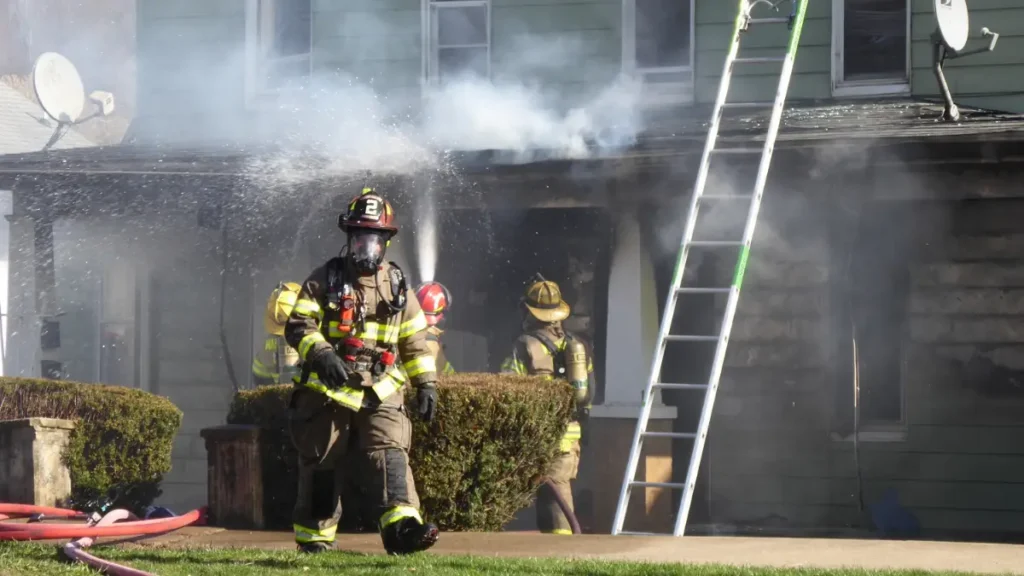
When I looked at the initial reports from WUSA9, one detail jumped out at me: firefighters could already see smoke pouring from the home the moment they pulled up. That tells you the fire had a head start long before crews got there.
The call came in just before noon. That’s usually a time when people are either getting lunch ready or wrapping up their morning routines — not exactly the moment you’re scanning the house for fire hazards. But when fire crews reached Shelldrake Court, the scene was already tense: smoke drifting from the second floor, a family waiting outside, and the kind of urgency you can feel even through a news report.
According to WUSA9, the fire was inside an upstairs bedroom, and firefighters moved fast — checking for anyone still inside, cutting off the fire’s spread, and making sure the structure didn’t take more damage than it already had. That early smoke visibility also means something else: the fire burned long enough for toxic gases to build up, which becomes critical when we talk about the injuries later.
How the Fire Actually Started?
What officials shared about the cause is something most of us don’t think about enough. The fire wasn’t from faulty wiring or a major appliance. It wasn’t a dramatic spark or explosion. It came from something incredibly small — a flame placed too close to combustible material in a bedroom.
If you’ve ever lit a candle near a curtain, or parked incense too close to a pillow, you already know how easy it is to create that exact setup without realizing it. Flames don’t need much to take off: a soft fabric, a few inches of distance, and just a minute of distraction.
And once something like bedding catches? It spreads faster than people expect. That’s usually the moment panic kicks in — when you realize the fire’s already bigger than your extinguisher, or worse, bigger than your instincts.
This wasn’t negligence. It was a human moment. One tiny misplacement that turned into a major emergency.
Just few days earlier, I covered a similar Maryland fire where a woman didn’t survive because the flames spread before she even realized what was happening.
The Injuries: What Happened to the Family Inside
What struck me most is that the two adults didn’t get hurt while escaping — they got hurt trying to fight the fire.
They inhaled smoke and suffered burn injuries while attempting to put the flames out before firefighters even arrived. And honestly, I get why. When your home is at risk and your children are inside, your instincts take over. Most people think they can control a small fire with water, a towel, or sheer urgency.
But smoke travels faster than flames. You breathe in once or twice, and suddenly your head spins, your chest tightens, and your vision blurs. That’s usually when people realize they’re in over their heads — sometimes too late.
Both adults were taken to the hospital, and thankfully their injuries are non-life-threatening. There wasn’t an update on the children, which often means they weren’t physically hurt, or the family requested privacy. Either way, it’s a detail that makes you pause — because in a fire scenario, kids are always at the highest risk.
How Much Damage the Fire Caused?
Let me put this in simple perspective: $400,000 in damage is not just a number — it usually means the entire second floor is destroyed, and the rest of the home has heavy smoke and heat impact.
For a family, that’s not just financial loss. It’s photos, clothes, furniture, personal history — all gone or badly damaged in minutes. And now they’re displaced, which means finding temporary housing, coordinating with insurance, and dealing with the emotional mess that comes after the physical one.
The financial impact is huge, but the emotional impact often lasts longer.
And sadly, this isn’t the first time a home has suffered devastating losses — a recent Ohio fire destroyed an entire property in minutes.
What Firefighters Did on Scene?
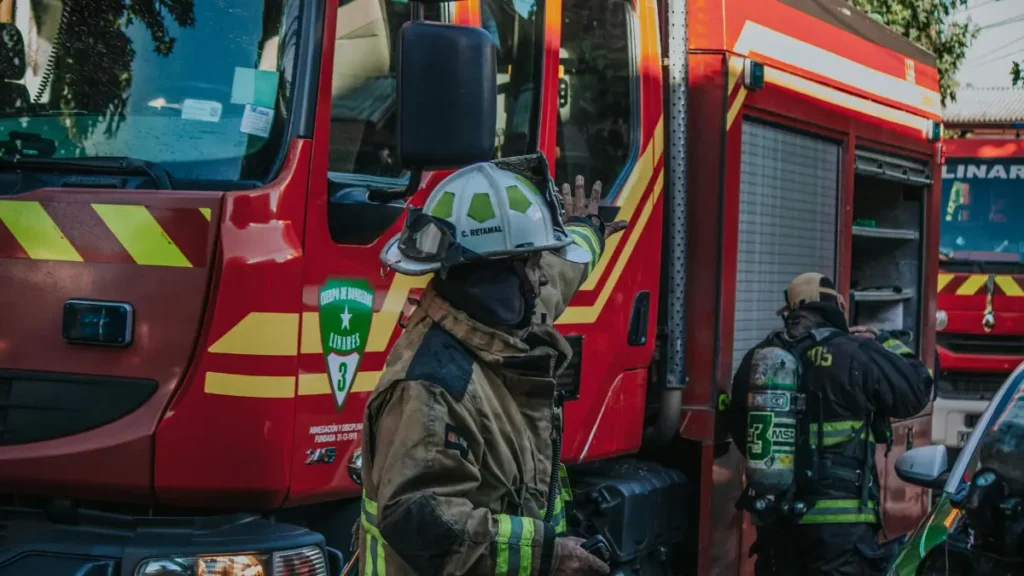
As someone who’s followed a lot of local fire responses, I always pay attention to how crews handle residential fires. In this case, the response was fast and structured — exactly how Montgomery County Fire & EMS usually operates.
Here’s what likely happened based on the official details:
- They arrived, saw visible smoke, and immediately checked whether anyone was still inside.
- A team went straight to the second floor to attack the bedroom fire.
- Another team focused on ventilation — opening up the home so smoke could escape instead of trapping heat and toxic gases inside.
- Medical crews treated both injured adults as soon as they were brought out or reached safety.
- Crews worked to prevent flare-ups, especially in hidden spaces like the walls or attic.
This kind of coordinated response is why the fire didn’t swallow the entire structure. But even then, the damage tells you how fast a small flame can turn deadly.
Other Recent Montgomery County Fires You Should Know About
Whenever I read about a house fire like this, I don’t look at it in isolation. One incident is a tragedy. But multiple incidents in the same area? That’s a pattern worth paying attention to.
Just in the last few months, Montgomery County has seen several serious fires — many starting from small, everyday hazards. A Christmas tree fire in Bethesda injured multiple people and a dog. A basement fire in Glenmont displaced more than ten residents. Another late-night garage fire needed nearly 60 firefighters to get under control.
Different homes. Different triggers. But the same theme: ordinary objects turning dangerous because of one moment of bad timing or inattention.
What I’m trying to say is this — these aren’t rare accidents. They’re reminders that fire safety isn’t something you check once a year. It’s something that lives in the small habits we develop every day.
I often share updates on similar incidents and quick safety tips on a WhatsApp channel I follow. If you like staying ahead of local fire-safety alerts, it’s worth keeping an eye on.
What You Can Learn From This Fire?
If you take anything from this family’s experience, let it be this: fires don’t start big. They start small. Quiet. Almost invisible.
That’s why prevention matters more than anything else.
Here are a few things I always tell people to double-check in their homes:
- Keep flames — candles, incense, lighters — far away from fabrics.
- Never leave an open flame burning in a bedroom.
- Don’t assume you can put out a fire yourself. Smoke will overpower you way faster than you think.
- Make sure every level of your home has a working smoke alarm.
- Teach your kids what to do if they smell smoke or hear the alarm.
None of this takes more than a minute or two, but it can stop the exact situation that sent two adults to the hospital.
What To Do If a Fire Breaks Out in Your Home?
I’ll be honest — most people have no idea what they’d actually do in the first 30 seconds of a fire. And those 30 seconds usually decide everything.
Here’s the simplest way I can explain it:
- If flames are bigger than your hand or spreading fast, leave immediately.
- Shut the door behind you — it slows the fire.
- Get everyone out and call 911.
- Don’t go back inside for anything. Not pets, not photos, not valuables.
Trying to fight a fire without training is like running into a storm blindfolded. You don’t see the danger until you’re already overwhelmed.
Those two adults learned that the hard way. You don’t need to.
We’ve already seen how fast situations can turn fatal — like the Iowa fire where one person didn’t make it out in time.
Where Families Can Get Help After a House Fire?
A house fire doesn’t end when the flames go out. That’s usually when the real struggle begins — housing, insurance, paperwork, emotional recovery.
If you ever find yourself in that position, here are places in Montgomery County that can actually help:
- The Red Cross — they often provide emergency shelter and essentials.
- Montgomery County Fire & Rescue — they have safety and recovery resources families can access.
- Local housing support organizations — helpful if you’re displaced or waiting on insurance.
- Community groups and churches — many step in after major incidents.
Most families don’t know these options exist until they desperately need them. Even knowing they’re available can take a little weight off your shoulders during a crisis.
Why This Fire Should Be a Wake-Up Call for All of Us?
When I think about this incident, I keep coming back to one simple thought: this could happen to any of us. One candle too close to the wrong thing. One tiny flame in the wrong place. One moment where you think, “It’s fine, I’ll blow it out later.”
And suddenly your life turns upside down.
You shouldn’t live in fear, but you should live aware. Fires don’t give warnings — they just take advantage of the moments you’re not paying attention.
So I want to ask you something: What’s one small fire-risk in your home that you can fix today — right now — before it ever becomes a story like this?
If you want more real-time updates, safety insights, and on-ground reports like this, you can follow us here: X and Facebook Group. I share quick alerts and helpful breakdowns that might keep you or someone you care about safer.
Disclaimer: This article is based on information released by officials at the time of reporting. Details may change as the investigation continues, and readers should refer to local authorities for the latest updates.