Mayor Mamdani Launched a Free Map That Tells NYC Homeowners Exactly Where They Can Build a Backyard Apartment
If your home sits inside one of NYC’s landmarked neighborhoods, you have probably been watching the ADU conversation from the sidelines. City of Yes happened.
Everyone celebrated. And then came the fine print: historic districts, separate rules, extra approvals.
That gap just got a lot smaller.
On June 25, 2026, Mayor Mamdani and Landmarks Preservation Commission Chair Lisa Kersavage launched a dedicated set of tools specifically for homeowners inside NYC’s 157 historic districts. Not a general update. Tools built for exactly this situation.
What Changed and What It Includes
The City of Yes for Housing Opportunity zoning reform passed in December 2024 and legalized ADUs broadly across the five boroughs.
But homeowners inside LPC-designated districts were left navigating a second, more complicated approval layer on top of standard zoning rules, with no real guidance on where to even begin.
June 25 changed that.
Three things launched at once. A searchable interactive map showing which properties inside historic districts can support an ADU.
A new LPC ADU fact sheet spelling out exactly what is and is not permitted. And a dedicated LPC team that walks property owners through both the zoning and landmark approval process together.
As Realtor.com reported on the new tools for NYC homeowners in historic districts, the package also includes expanded guidance on Landmark Transferable Development Rights, a mechanism that lets historic property owners generate revenue for maintenance by enabling new housing to be built nearby.
What You Can Actually Build
This is the part most coverage skips, so here it is directly.
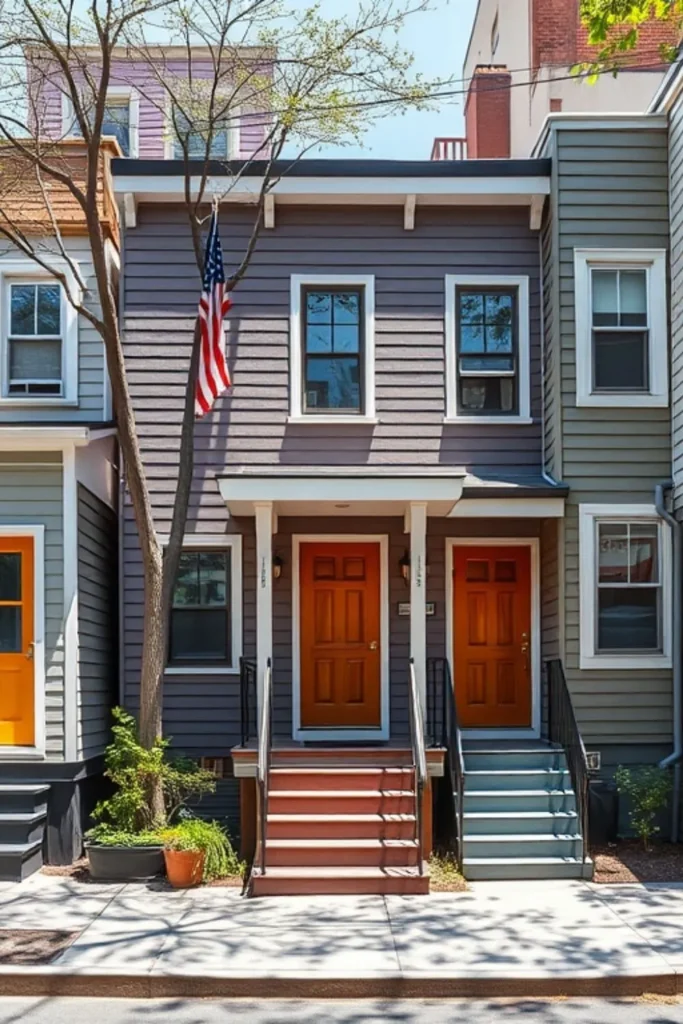
Building a brand-new detached backyard ADU from scratch is still generally not permitted inside LPC-designated historic districts. That has not changed.
But if you have an existing detached garage legally built on or before December 5, 2024, converting it into a legal ADU is allowed, even inside a historic district. LPC review is required for exterior changes, but the pathway exists.
Interior conversions like basement or attic ADUs are also possible, with LPC focused on aesthetic impact rather than structural work.
Maximum size is 800 sq ft. One ADU per lot. You must live on the property, in either the primary home or the ADU itself.
The new interactive map lets you check your specific address before spending a dollar on plans. That alone eliminates weeks of back-and-forth.
If you want to track stories like this as they happen, the WhatsApp channel covers NYC housing policy and property market moves in real time. Worth having in your feed.
Why This Matters
Here is the number that puts this in context.
According to a Regional Plan Association analysis, only 12% of NYC’s one- and two-family properties are actually eligible for an ADU citywide under current rules, and historic district restrictions account for a significant chunk of that ineligibility.
These new tools directly address that gap for the homeowners most affected.
On the income side, permitted ADUs in NYC generate between $2,400 and $4,800 per month depending on borough and neighborhood.
For someone sitting on an underused garage in a Brooklyn brownstone district or a Queens historic block, that is real, recurring money from a property they already own.
The city’s Plus One ADU Program, which reopened in March 2026, offers up to $395,000 in combined grants and loans to eligible homeowners to fund the build. That includes a $175,000 non-repayable grant component.
It is also part of something larger. Just like we saw with the RHOBH star who spent over $1 million on luxury while her dream home slipped into foreclosure, a prestigious address does not protect you from financial pressure. A legal income-generating unit inside your own property does.
Key Takeaways
- June 25, 2026: NYC launched an interactive ADU map, LPC fact sheet, and dedicated LPC team for historic district homeowners
- NYC has 157 LPC-designated historic districts and extensions
- New detached backyard ADUs are still not permitted in most historic districts
- Existing garage conversions and interior conversions (basement, attic) are allowed with LPC review
- ADU cap: 800 sq ft, one per lot, owner must live on the property
- Permitted ADUs in NYC generate $2,400 to $4,800 per month depending on location
- Plus One ADU Program: up to $395,000 in grants and loans, watch for the next intake window
- First step: check your address on the new LPC interactive map before engaging any professional
If you own inside a historic district, has this even been on your radar? Were you under the impression ADUs were off the table entirely for your property? Drop your answer in the comments. Curious how many homeowners in these neighborhoods are just finding out about this now.
Wrapping Up
People choose to live in historic districts on purpose. The architecture, the scale, the feel of a neighborhood that was built to last. The problem has always been that those same protections made it harder to put the property to work financially.
That tension is not completely gone. But for the first time, there are real tools, a clear map, and a dedicated team to help you figure out whether your specific home has options.
If this kind of story is your thing, Build Like New covers NYC real estate, housing policy shifts, and the financial side of homeownership on the regular. Worth bookmarking if you want more than just the headline.
For updates as they happen, follow Build Like New on X (Twitter) and join the Facebook community. That is where these stories get discussed as they break.
Disclaimer: This article is for informational purposes only. All details are based on publicly available information at the time of publication. ADU eligibility depends on your specific property, zoning, and LPC designation. Consult a qualified architect and the LPC directly before starting any project.