Fiery Garage Incident in Orangevale Destroys Vehicles and Home Section
I still remember scrolling through my feed yesterday when I saw the news about the Orangevale house fire, and it hit me just how quickly a normal afternoon can turn into chaos. Two cars and a garage were completely destroyed at 8625 Quail Oak Way, and the fire didn’t stop there—it spread into the attic and kitchen, leaving serious damage behind.
What struck me most was that two people were inside when it started, heard a loud popping sound, and managed to get out safely. Reading about it made me think about how fragile our sense of safety can be at home—and why knowing what to do in these moments isn’t just smart, it’s lifesaving.
How the Fire Started and Spread
When I first heard about the fire, the detail that caught my attention was the loud popping sound reported in the garage. Imagine hearing that inside your own home—you’d be on instinct alone to get out. According to Sacramento Metro Fire, the blaze began in the garage and quickly spread through the house, reaching the attic and kitchen.
You don’t usually think about how fast fire can move until you see it in reports like this. Firefighters responded promptly, and their containment efforts prevented further damage, but the exact cause is still under investigation.
Impact on Property and Residents
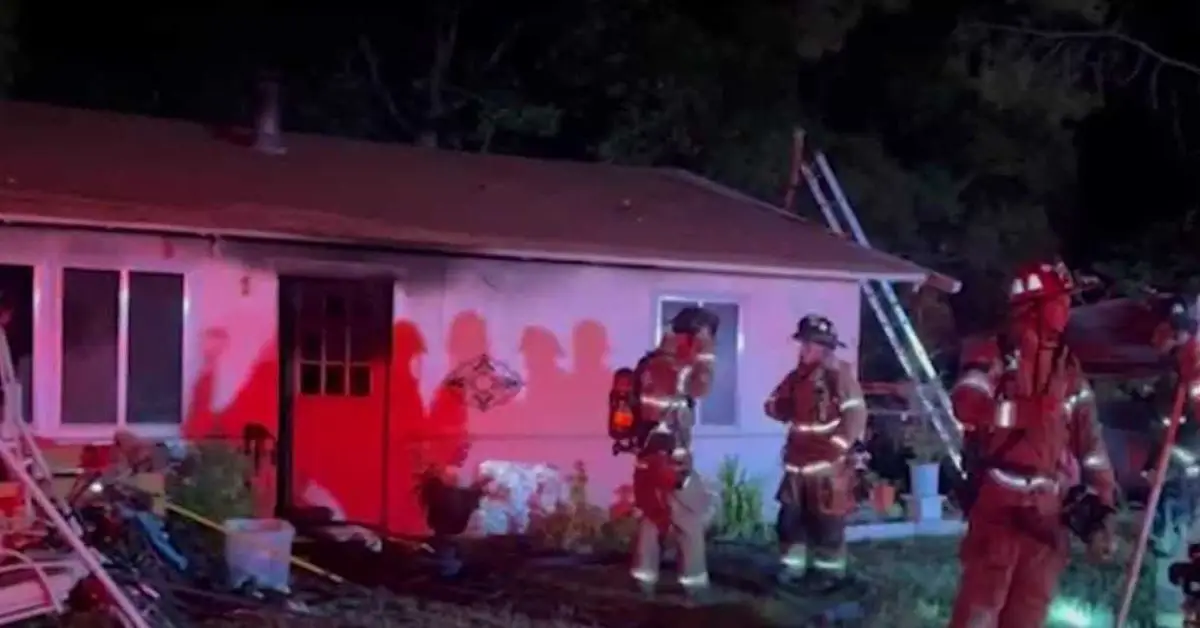
Looking at the damage really brings home how much a fire can affect everyday life. Two cars inside the garage were completely destroyed, and structural damage extended to the attic and kitchen. Thankfully, no one was hurt—but it makes you realize how critical early detection and a quick escape plan are.
Incidents like this remind me of other fires I’ve covered, such as the West Las Vegas home damaged in a fire where no injuries were reported, showing how quickly property can be destroyed even when everyone escapes safely.
I can only imagine the stress and emotional toll on the homeowners, not to mention the financial strain of repairs and replacing what was lost. Even if you’ve never faced a fire, reading about incidents like this makes it personal—you start thinking about your own home, your own garage, and how you’d react if the unexpected happened. For a detailed report on what happened, ABC10’s coverage is a solid reference.
Fire Safety Lessons and Prevention Tips
Reading about the Orangevale fire made me think about the small steps we often overlook at home. First, smoke detectors and fire alarms aren’t just suggestions—they’re lifesavers. Make sure they’re installed on every level of your home and tested regularly.
Garages are surprisingly risky spots. I’ve seen people store old paint cans, gasoline, or overloaded electrical outlets, and it only takes one spark to start a fire.
While smoke detectors are essential, it’s also important to watch for hazards like gas leaks—something I discussed in detail in 5 Warning Signs of a Gas Leak in Your Home and How to Stay Safe.
Keeping flammable materials away from heat sources and checking your wiring can make a huge difference.
You should also know how to use a fire extinguisher and have a clear evacuation plan. I’ve found that practicing it once or twice with your family can save precious seconds if a real fire breaks out. For more detailed home fire safety tips, the National Fire Protection Association has a collection of safety tip sheets that cover everything from smoke alarms to garage hazards.
Lessons Learned
Fires like this one are a stark reminder that they’re more common than we might think. In Sacramento County, garage and home fires happen every year, often due to electrical issues or improper storage of flammable materials.
Looking back at past incidents in Orangevale and across California, the patterns are clear: most fires are preventable with basic safety measures. It also makes me think about insurance—having proper coverage and conducting a home safety audit can reduce both stress and financial loss.
If you want quick tips and alerts on home safety and emergency preparedness, there’s a WhatsApp channel that shares timely updates and practical advice—something I check regularly to stay informed.
By paying attention to these lessons, you’re not just reacting to news—you’re taking control of your own home safety and helping prevent the next story like this from being about you. Unfortunately, not all fires are contained without tragedy, as seen in the Kentucky home fire that took the lives of a 19-year-old mother and her infant son, which underscores why preparation and awareness are critical.
Key Takeaways for Residents
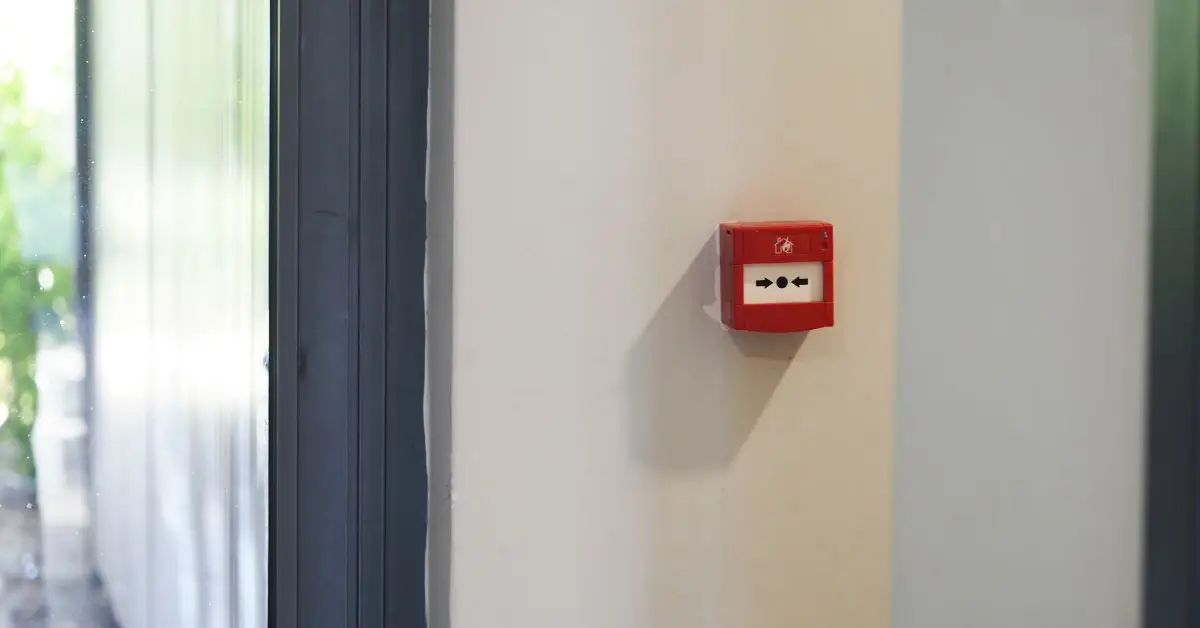
After reading about the Orangevale fire, I realized just how many small steps we can take to protect ourselves and our homes. First, make sure your Home Fire in Orangevale are working and placed on every level of your house—early detection can literally save lives.
Garages often hide unexpected hazards. Keep flammable materials away from heat sources, check your electrical setups regularly, and don’t overload outlets. A little prevention goes a long way.
It’s also smart to have emergency contacts handy and ensure your home insurance is up to date. Knowing which local support channels—like fire departments or community centers—are available can make recovery smoother if something ever happens.
Conclusion
Reading about this fire reminded me that preparedness isn’t just about avoiding damage—it’s about peace of mind. You don’t want to be caught off guard, and a few proactive steps today can prevent a disaster tomorrow.
I’d love to hear from you: how prepared is your home for emergencies, and what safety tips do you follow? Share your thoughts in the comments below and join the conversation at Build Like New, where we focus on making your home safer, smarter, and stronger.
Stay connected for more home safety insights and updates: follow us on X and join our Facebook group for discussions, tips, and community support.
Disclaimer: The information in this article is for educational and informational purposes only. Fire incidents and safety tips are based on reported sources, but circumstances may vary. Always follow official guidance from local fire authorities and safety professionals.