Man Sentenced to 17.5 Years in Violent Philadelphia Home Invasion Case
When I looked into this Philadelphia home invasion case, one thing was clear to me. This was not random. Ali Chandler and his crew carefully tracked business owners, followed them home, and attacked them inside their own house.
Victims were beaten, threatened at gunpoint, and robbed in a way that feels far more personal than a typical crime. Now, Chandler has been sentenced to 17.5 years in prison.
But what really makes this case worth paying attention to is the pattern behind it. If criminals can watch routines and strike like this, it raises a simple question for you and me. How safe are we really inside our own homes?
Who Is Ali Chandler and What Was the Verdict
When I looked into this case, I wanted to keep it simple. Who did this, and what did he get for it.
Ali Chandler, a 30 year old from Philadelphia, was involved in two planned home invasion robberies where victims were followed from work and attacked inside their homes.
He was sentenced on April 15, 2026 to 17.5 years in prison after pleading guilty to multiple federal charges.
According to this NBC Philadelphia report, Chandler and his group specifically targeted business owners and employees, followed them home, and then carried out violent robberies.
Along with prison time, he will also serve three years under supervision and has been ordered to pay $60,000 in restitution.
He was not alone in this. His co-defendant Abdullah Hartage had already been sentenced to 18 years.
When you look at both outcomes together, it becomes clear that the court treated this as a serious and repeated pattern of violent crime, not just a one time incident.
Surveillance at the Business and Target Selection

What stood out to me here is how deliberate everything was. These men did not randomly pick a house. They first watched their targets at work and waited until closing time.
From there, they followed the family home. If you think about it, that is a moment when most people feel routine and safe. That is exactly what made it easier for them.
They even reached the house before the victims and waited. The moment the garage opened, they rushed in with guns. It was quick, controlled, and clearly planned in advance.
Inside the Attack – Violence Against the Victims
Once inside, things turned violent almost immediately.
I have covered a similar case earlier where a violent break-in turned even more intense inside the home, and you can see how quickly things escalate in situations like this in this report on an Everett home invasion that left two people injured.
A 61 year old man was hit multiple times in the head and forced down. At the same time, the daughter was held at gunpoint and pushed to the ground.
Another attacker dragged a 65 year old woman into the home and hit her several times. There was no hesitation. The goal was control through fear and force.
What forced them to leave was the home security alarm. As soon as it went off, they rushed out and took only a backpack with cards and ID.
Weeks of Surveillance Before the Attack
The second robbery makes the pattern even clearer. This was not rushed. The group spent weeks watching an employee, learning her routine, and identifying her home.
That level of tracking tells you this was planned over time, not something done in the moment.
Execution of the December 2021 Home Invasion
On the night of the attack, they again arrived before the victim. Within minutes of her reaching home, they broke in. One of them told her, “I know where you work.”
That line alone shows how closely she had been watched.
In another case I broke down, the situation took a completely different turn when a home invasion led to a high-speed crash, showing how unpredictable these crimes can become, which you can read here about a Waunakee home invasion that turned deadly.
They tied the 68 year old woman to a chair and hit her with a gun, leaving her with a serious head injury and a concussion.
What Was Stolen and Damage Caused
After the assault, they took a safe that contained cash, coins, and jewelry.
But if you look beyond the items, the bigger loss is something else. It is the feeling of safety inside your own home.
When I look at both incidents together, one thing becomes clear. These were planned attacks based on routine. So it makes you think, how predictable is your own daily routine?
Why Business Owners and Employees Were Targeted
When I looked at both robberies, the pattern felt obvious. These were not random victims. The attackers focused on business owners and employees, likely assuming they had access to cash or valuables.
Most people follow a routine after work. You leave at a set time, take the same route, and reach home without thinking much about it. That predictability makes things easier for someone who is watching.
The group used that to their advantage. They waited outside workplaces, followed victims home, and timed their entry perfectly. This kind of planning shows patience and intent, not impulse.
I have even seen cases where victims fought back in unexpected ways, like in this situation where a daughter managed to stop a suspect during a violent incident, which you can read in this story about an Everett home invasion where the suspect was overpowered.
Use of Weapons and Physical Assault
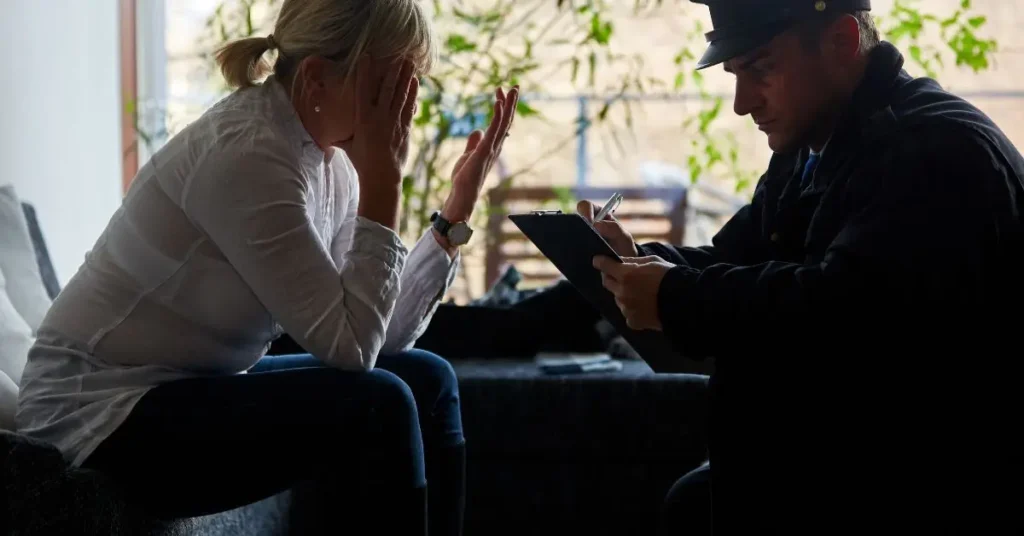
What makes this case more serious is the level of force used. These were not quiet break ins. The attackers came in armed and used violence right away to take control.
Across both incidents, victims were hit in the head multiple times. This was not just to scare them. It was to make sure there was no resistance.
There was also a clear psychological angle. In one case, the line “I know where you work” was used to break the victim mentally. It tells you that fear was part of the plan, not just theft.
Charges Explained in Simple Terms
If you are wondering why this case went through federal court, it comes down to the type of charges involved. One of the main charges was conspiracy to commit robbery affecting interstate commerce.
In simple terms, this means the crime was not just about stealing from a person. It was tied to business activity, which brings it under federal law.
According to the U.S. Department of Justice, crimes that impact businesses can be prosecuted more severely because they affect broader economic activity.
That is why the sentence here is heavier than what you might see in a typical local robbery case.
Additional Penalties Beyond Prison
The sentence did not end with prison time. There are additional penalties that extend beyond those years behind bars.
Chandler will serve three years of supervised release after finishing his sentence. This means he will still be monitored and must follow strict conditions.
He was also ordered to pay $60,000 in restitution to the victims. This is meant to cover some of the financial damage caused.
But if you think about it, money can only cover part of the loss. The physical injuries and the fear these victims went through are much harder to measure.
Common Vulnerabilities Criminals Exploit
When I look at cases like this, one thing becomes clear. Criminals rarely rely on luck. They look for patterns and weak spots that most people do not even notice.
One of the biggest vulnerabilities is routine. If you leave work at the same time every day, take the same route, and reach home without variation, it becomes easy for someone to track you. That is exactly what happened here.
Another issue is lack of security. Many homes still do not have basic systems like alarms or cameras. In this case, the alarm going off actually forced the attackers to leave early.
That alone shows how important even a simple system can be.
I have seen a lot of similar real cases being discussed recently where routine tracking played a major role. In one recent update I came across, the pattern was almost identical, which makes this even more relevant today.
How to Reduce Risk of Home Invasion
I think the biggest takeaway for you here is not fear, but awareness. Small changes can make a real difference.
Start with your routine. Try not to be predictable every single day. Even slight changes in timing or route can make it harder for someone to track you.
Upgrading your home security is another key step. You do not need anything extreme, but a reliable alarm system and visible cameras can act as both protection and deterrence.
According to Federal Bureau of Investigation, most targeted crimes involve some level of prior observation, which means breaking that pattern is critical.
Also, pay attention when you are leaving work late. Look around, notice if the same vehicle or person appears repeatedly, and trust your instincts. It might feel small, but it matters.
Will Harsh Sentences Deter Future Crimes

A 17.5 year sentence sounds strong, and it is meant to send a message. But when I think about it, the bigger question is whether it actually stops others from doing the same thing.
Law enforcement faces a challenge here. These crimes are often planned quietly, over time, and without drawing attention until it is too late. That makes prevention harder than reaction.
This is where community awareness becomes important. When people stay alert, report suspicious activity, and take basic precautions, it creates an environment where these crimes become harder to pull off.
So while strict punishment matters, your awareness and everyday habits play a role too. Do you think most people around you are alert enough to notice something like this before it happens?
Key Takeaways From the Philadelphia Home Invasion Case
When I step back and look at this case, a few things stand out clearly. These were not random break ins. The attackers studied their victims, followed routines, and chose the right moment to strike.
That tells you how important everyday awareness really is.
Another thing you should not ignore is how quickly things escalated once they entered the home. Within minutes, it turned violent. This shows that home invasion crimes are often more dangerous than people expect.
The one small detail that made a difference was the security alarm. It forced the attackers to leave early. That alone tells you how even basic safety measures can change the outcome.
For me, the biggest takeaway is simple. Your routine, your awareness, and your home security all matter more than you think.
Now I want to hear from you. Do you feel safe in your own neighborhood, or has a case like this changed the way you think about home security? Share your thoughts in the comments.
If you want more real, practical insights like this, you can explore more on Build Like New, where I break down cases and turn them into useful lessons you can actually apply.
If you want to stay updated on real cases like this and understand what they actually mean for your safety, you can follow us on X and join our community on Facebook. I regularly break these down in a way that actually helps you stay aware.
Disclaimer: This content is based on publicly available reports and is meant for informational purposes only. It is not legal advice or professional security guidance. Every situation is different, so you should always rely on local authorities or qualified professionals for decisions related to safety or legal matters.