Residents Saved by Firefighters After Early Morning Puyallup House Fire
I never imagined how quickly a normal morning could turn into a life-or-death situation, but that’s exactly what happened in Puyallup on Monday. Around 8:12 a.m., a house on the 9500 block of 62nd Avenue Court East caught fire, forcing three residents into a terrifying scramble for safety. Two of them ended up stranded on the first-floor roof, waiting for firefighters to reach them, while the third was rushed to the hospital with minor injuries.
Watching the smoke rise and seeing emergency crews rush in reminded me how fragile our sense of safety at home can be. In this article, I want to walk you through what happened, what the response looked like, and—most importantly—what practical steps you can take to protect yourself and your loved ones from a fire like this.
Firefighter Actions During Roof Rescue
When I read about this fire in Puyallup, what struck me first was how intense those few minutes must have felt for the family involved. Fire crews showed up to thick black smoke pouring from the house and saw two people trapped on a first-floor roof. They didn’t waste a second — ladders were set up, and firefighters guided those residents down safely while keeping everyone calm.
Even after the main flames were out, the crews stayed on the scene. They ventilated the house to clear smoke and continuously checked for hot spots — small embers that can flare back up if ignored. This “mop up” work might look minor, but it’s what separates a contained fire from one that reignites later. If you think about how fast fires spread, you’ll see why professionals never rush off until the job is truly finished.
Fire Investigation

Once the situation was stabilized, the Pierce County Fire Marshal’s Office stepped in to investigate the cause of the blaze. Why does this matter to you? Because understanding how and why fires start is the first step toward preventing them in your own home. Investigations like this are systematic and methodical, and they don’t just point fingers — they help fire officials identify patterns and recommend safety measures.
We’ve seen similar investigations happen in other incidents as well. For example, a Southwest Fresno house fire recently sparked a detailed fire department investigation, showing how officials study these events to understand what caused the blaze and how future fires can be prevented.
If you want to follow the verified reporting on this incident, KIRO 7 News Seattle has an article that outlines the rescue and initial facts as released by fire officials.
Home Safety & Prevention Tips
Smoke and Fire Detection
When I read stories like this Puyallup house fire, the first thing that comes to my mind is how much difference a working smoke detector can make. In many homes, these small devices are the only reason people wake up in time to escape. If you want real protection, place smoke detectors in every bedroom, outside sleeping areas, and on each level of your home.
I always recommend testing them at least once a month and replacing batteries twice a year. It takes less than a minute, but it can save lives. If you want detailed guidance on proper installation and maintenance, the official NFPA smoke alarm safety guide explains placement and testing in simple terms.
For you and your family, this isn’t just a safety tip—it’s an early warning system that buys you precious minutes during an emergency.
Kitchen Fire Prevention
The fire in this Puyallup home reportedly started in the kitchen, which unfortunately is where many residential fires begin. From what I’ve seen over the years, the biggest reason is simple: unattended cooking.
Fires that begin in everyday spaces like kitchens can escalate faster than most people expect. In fact, a tragic case we covered earlier about an East Side Detroit home fire that left a couple dead shows how quickly residential fires can turn fatal when they spread unnoticed. People step away for a phone call, a delivery, or a quick errand—and that’s when things spiral out of control.
If you’re cooking, try to stay in the kitchen the entire time. Keep towels, paper, and plastic away from the stove, and never leave oil heating on the burner without watching it. Small habits like these drastically reduce fire risk.
Learning these basics now means you won’t be figuring them out in panic later.
Escape Planning & Emergency Drills
One detail in this incident really stood out to me—two residents had to move onto the roof to escape the smoke. That tells you how quickly fire can block normal exits.
This is why every home needs a simple escape plan. I suggest sitting down with your family and mapping out two exit routes from each room. One could be the door, the other a window or secondary path if the main hallway is blocked.
Pick a safe meeting spot outside—maybe the mailbox, driveway, or a neighbor’s yard—so everyone knows where to go once they’re out. This avoids confusion and helps firefighters know if someone might still be inside.
You can even turn it into a quick household drill once or twice a year. Walk through the routes, check windows, and make sure everyone—including kids—knows what to do.
Because in a real fire, you won’t have time to think through the plan. You’ll only have time to follow it. Sadly, not every family gets the chance to escape safely. In another case we reported, a Greene County home was completely destroyed in a fire where a family pet was tragically lost, which shows why having a clear escape plan matters so much.
Smoke & CO Detectors with Smart Alerts
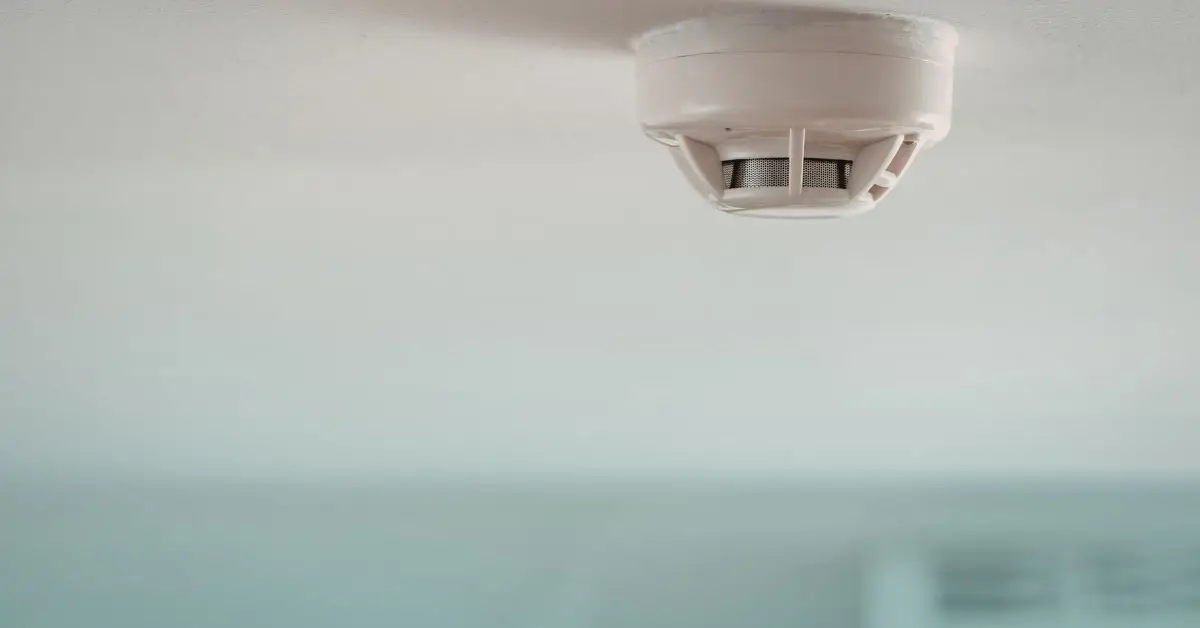
When I look at incidents like this Puyallup house fire, I keep thinking about how much technology has changed home safety. Traditional smoke alarms are helpful, but modern smart detectors take things a step further. They can send alerts directly to your phone the moment smoke or carbon monoxide is detected—even if you’re not at home.
If you travel often or leave pets at home, this kind of system can give you an early warning before the situation gets worse. Some smart alarms also connect with home automation systems, so lights turn on automatically or security cameras start recording during an emergency.
I’ve also noticed more homeowners talking about this technology in online communities. In one discussion on the Reddit home safety forums, users shared how smart detectors alerted them to small kitchen smoke incidents before they became dangerous fires.
These stories remind me that early alerts aren’t just convenient—they can be the difference between a minor scare and a major disaster.
Many homeowners now follow real-time safety updates and fire alerts through community news streams on WhatsApp where incidents and prevention tips are shared quickly.
Fire-Resistant Materials & Kitchen Safety Products
Technology isn’t only about alarms. Some of the most practical fire protection upgrades are actually simple kitchen safety tools. For example, heat-resistant oven mitts and stovetop shields can reduce the chance of burns or accidental flare-ups when cooking.
I also recommend thinking about materials around your cooking area. Fire-resistant cabinets, flame-retardant wall panels, and splash guards can help slow the spread of flames if something goes wrong.
You don’t need to redesign your whole kitchen to improve safety. Small upgrades—like a stove guard or a better set of heat-resistant gloves—can quietly lower your risk every time you cook.
Firefighter Advice
Whenever I read about a home fire response, I try to focus on the lessons firefighters want the public to understand. Crews from Central Pierce Fire & Rescue regularly emphasize one key rule: if a kitchen fire starts and it grows beyond a small, controllable flame, your priority should always be getting out safely.
Firefighters often remind homeowners to keep a lid nearby when cooking with oil. In many cases, placing a metal lid over a small pan fire can smother the flames by cutting off oxygen. But if the fire spreads to cabinets or walls, professionals say you should leave immediately and call emergency services.

Another piece of advice I hear again and again from fire crews is surprisingly simple—stay in the kitchen while cooking. Unattended stovetops are one of the most common triggers for house fires. Even stepping away for a minute can allow heat or grease to ignite.
When you think about it, the firefighters who responded to the Puyallup incident train for these moments every day. Listening to their advice now, before an emergency happens, might be one of the smartest safety decisions you make for your home.
Key Takeaways & Your Home Safety Action Plan
After looking at what happened in this Puyallup house fire, a few lessons become very clear to me. Fires rarely start with a big explosion or dramatic moment. Most of the time, they begin with something small—a pan left on the stove, a short circuit, or smoke that nobody notices in time.
That’s why smoke detectors matter so much. If you have working alarms in the right places, they give you the most valuable thing during a fire: time to react. Even a few extra minutes can help you wake up, guide your family outside, and avoid dangerous smoke exposure.
Kitchen safety is another big takeaway. Since many house fires start while cooking, staying present in the kitchen and keeping flammable items away from the stove can make a real difference. Having a fire extinguisher nearby and knowing how to use it is also a small step that can prevent a small fire from turning into a disaster.
And then there’s the escape plan. In this incident, two residents had to move onto the roof to get away from the smoke. Situations like that remind me that exits can become blocked quickly. You and your family should always have two ways out of each room and a safe meeting spot outside the house.
Finally, community awareness plays a role too. When neighbors share information about local incidents, everyone becomes more prepared. Talking about safety isn’t about fear—it’s about learning from real events so we can protect our homes better.
If this story made you think about your own home safety plan, I’d love to hear from you. What fire safety steps do you already have in place at home? Drop your thoughts or tips in the comments so others can learn from your experience.
And if you want more practical home safety insights, improvement ideas, and real-life lessons from incidents like this, visit Build Like New. Our goal is simple: help you build a safer, smarter home—one practical tip at a time.
If you want to stay updated on real home safety stories and prevention insights, you can also follow Build Like New on X and join our Facebook community where homeowners discuss real incidents and safety ideas.
Disclaimer: This article is for informational and awareness purposes only. Details are based on publicly available reports, and fire safety advice should not replace guidance from local authorities or emergency professionals. For official updates or emergency instructions, always follow your local fire department and emergency services.