6 Things in Your Home That Can Replace Swiffer Pads Instantly
I’ll be honest—running out of Swiffer pads in the middle of cleaning is one of those small but frustrating disasters. You’re halfway through mopping the floor, thinking everything’s under control, and then… nothing. No pads. It’s tempting to just give up or rush to the store, but what if I told you there are simple, household alternatives you probably already have?
I’ve tested and researched some of the best hacks that not only save you money but also cut down on waste. By the end of this, you’ll know exactly what to grab from your own home to keep your floors spotless—without ever touching a single new Swiffer pad.
Why You Need Alternatives to Swiffer Pads
If you’ve ever been halfway through cleaning and suddenly realized you’re out of Swiffer pads, you know how frustrating that feels. It’s like stopping mid‑sprint. You pause, you think, Why did I let this happen?
Here’s the honest truth: those disposable pads add up—fast. Over a year of regular cleaning, you’re spending more on pads than many people realize. They pile up in the trash, too, which doesn’t exactly fit into a zero‑waste or eco‑minded lifestyle. I started digging into alternatives partly because I got tired of buying the same box over and over, and partly because I didn’t love seeing so much waste at the end of a clean. If you want more ways to up your cleaning routine, check out these simple cleaning tips you might be overlooking.
And I’m far from the only one. Skipping disposable pads and switching to washables like cloths is a very real trend among people who actually clean for a living or just care about sustainability. On Reddit’s cleaning communities, for example, you’ll see many folks urging others to ditch the pads and use microfiber or reusable rags instead — not as a gimmick, but because it works and lasts longer.
You’ll save money. You’ll save waste. And most importantly, you’ll never get stuck staring at an empty box when your floors are still half‑dirty.
What Makes a Good Swiffer Substitute (Key Criteria)
Before we jump into the hacks themselves, let’s set the baseline for what makes an alternative actually work. Not every rag or cloth will cut it—and knowing what to look for will save you frustration.
Here are the four things I personally use to judge a substitute:
- Absorbency: Can it actually grab dust, hair, and mess? A cheap cotton cloth that just pushes dirt around isn’t helping.
- Grip / Attachment: Does it stay on the mop head while you push and pull, or does it slip off every few strokes?
- Reusability: Does it wash easily and last through many cleaning sessions, or does it fall apart?
- Ease of Prep: Can you get it ready in seconds, or will you need scissors, clips, and a tutorial video just to fit it on?
When you pick things that check most of these boxes, cleaning becomes more efficient and less annoying.
Here’s a quick comparison so you can see how common household options stack up against regular Swiffer pads:
| Substitute | Absorbency | Grip / Fit | Reusability | Ease of Prep |
|---|---|---|---|---|
| Microfiber Cloth | Excellent | Stays well | Washable & durable | Easy |
| Old Socks | Good | Moderate | Washable | Very easy |
| Paper Towels | Low | Slips easily | Single‑use only | Super easy |
Understanding these basics gives you the confidence to improvise without wondering if you’ve just ruined your floor or wasted your time. Next up, I’ll walk you through the actual hacks I use—and why they work better than you think.
1. Microfiber Cloths — The Everyday Champion
When I first tried alternatives, microfiber cloths quickly became my go‑to. These little gems pick up dust, hair, and particles way better than most makeshift options you might grab on a whim. What’s great is how flexible they are: I use them dry to whip up dust and pet hair, and slightly damp when I want a light mop with a spray solution.
Here’s how I usually work with them:
- Dry for dusting: They grab fine dust and hair without just pushing it around.
- Damp for mopping: A mist of water or mild cleaner makes them feel like a reusable mop pad.
- Wash and reuse: I toss them in the wash after use — they’re designed for it and stay intact.
2. Old Socks or Cloth Socks — Quick Emergency Hack
This is one of those “I didn’t believe it until I tried it” hacks. Old socks — especially those fuzzy, thicker ones — make surprisingly effective emergency pads when you’re out of Swiffer refills. Just slip one over the head and you’re ready to dust or sweep.
Here’s why I keep this in my cleaning toolkit:
- Dry clean with fuzzy or synthetic socks: They cling to dust and hair better than plain cotton.
- Wash and reuse: After cleaning, toss them in the laundry with the rest of your cloths.
- Works well for light debris: Great for quick touch‑ups or between deep cleans.
Good Housekeeping even highlights this as a simple, no‑prep hack you can use right away when you’re stuck without pads.
Insider tip: Avoid thin cotton socks — go for plush, textured fabrics (think chenille or thick acrylic) so they actually trap dust instead of sliding around.
3. Reusable Cloth Pads — DIY or Store‑Bought
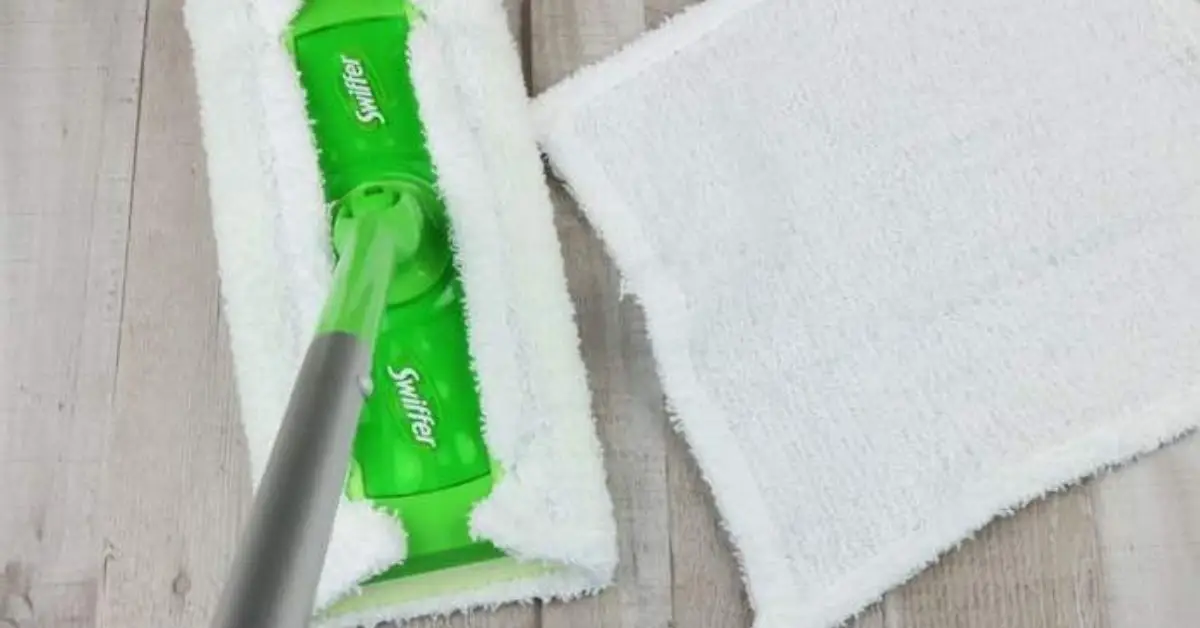
If you’re tired of temporary fixes and want something for the long haul, reusable cloth pads are where you’ll find the biggest payoff. These are real alternatives designed to replace disposable pads entirely, and they come with big benefits: cost savings over time, less waste, and performance that’s often better than single‑use versions.
Here’s how I approach them:
- DIY from old towels or cotton shirts: I cut and fold them to fit, securing with rubber bands or Velcro strips.
- Crochet/knit covers: If you like DIY projects, knitted or crocheted covers add durability and texture that really traps debris.
- Buy washable microfiber pads: You can also grab ready‑made washable pads online that fit Swiffer heads straight out of the box.
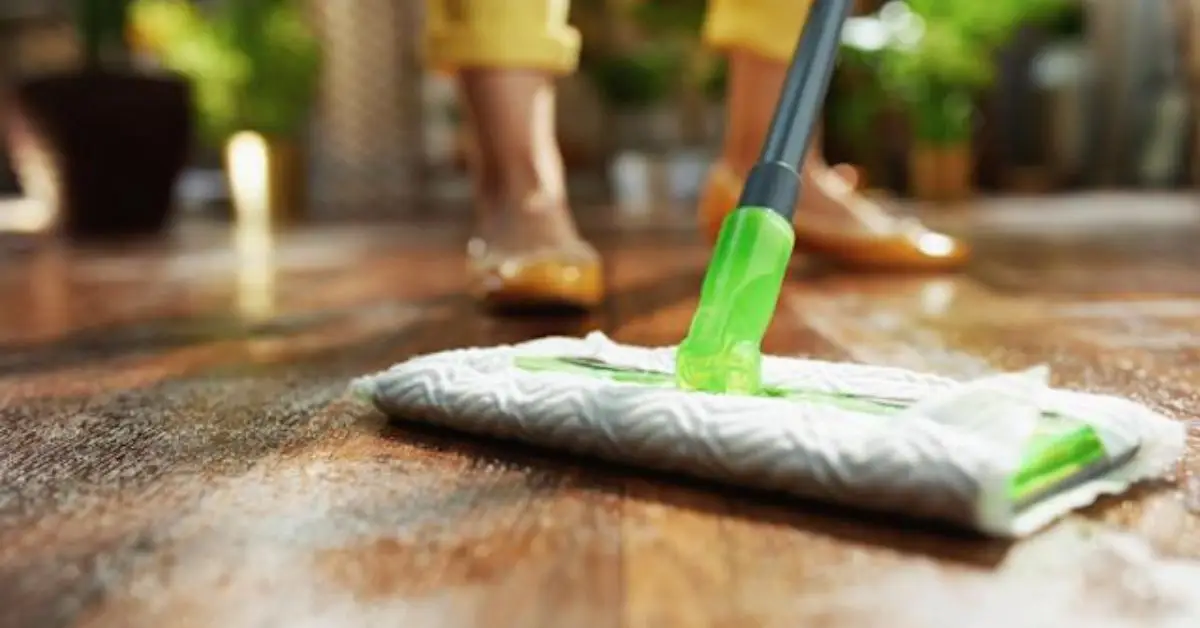
4. Paper Towels or Wax Paper — Quick & Disposable Backup
Sometimes, you just don’t have time to prep or wash anything, and you need a fast solution. That’s where paper towels or even wax paper come in. They aren’t ideal for long-term use, but they’re lifesavers in a pinch. I’ve used them myself when a last-minute spill came up, and they did the job better than expected.
Here’s how I make it work:
- Paper towels with a spray bottle: Lightly dampen them with water or a mild cleaner, and you’re ready to mop small areas.
- Wax paper for dry dusting: Slip a sheet over the Swiffer head, and it grabs dust in a flash.
Pro tip: Secure them with rubber bands or clips to prevent slipping. It’s simple, but makes all the difference when you’re moving quickly. House Digest mentions this method as a practical budget hack for emergency cleaning.
5. Tea Towels and Dish Towels — Absorbent & Handy
If you want a step up from paper towels, tea towels or dish towels are a surprisingly effective choice. I keep a few cut to size for everyday cleaning because they handle both dry dusting and damp mopping with ease.
Here’s what works best:
- How to cut and secure: Trim to roughly the Swiffer head size, then fold and tuck or clip it in place.
- Best fibers: Terry cloth and microfiber are excellent, while regular cotton works in a pinch but may leave lint.
6. Creative Fabric Hacks (Fleece, T‑Shirts, Diaper Inserts)
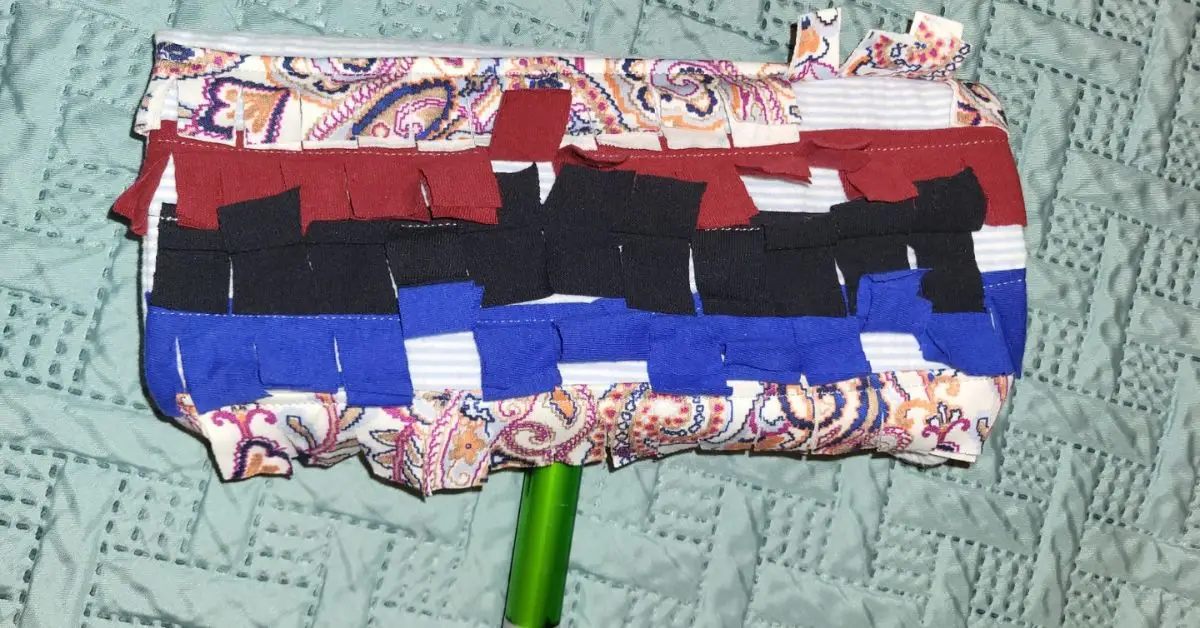
Sometimes the best hacks come straight from real people experimenting in their homes. I’ve tried several unconventional options, and they all work surprisingly well.
Here are some ideas:
- Fleece fabric cut into pads: Soft and great at trapping dust, hair, and pet fur.
- Old cotton T‑shirts: Easy to cut and slip over the Swiffer head; a real “repurpose what you have” winner.
- Cloth diaper inserts as reusable pads: These are super absorbent and washable, making them perfect for wet mopping.
Smart Attachment Tips — How to Keep These Materials on Your Swiffer
One thing I learned quickly: even the best makeshift pad is useless if it keeps slipping off. Securing your cloth, sock, or towel properly is key.
Here’s what works for me:
- Rubber bands: Simple, cheap, and effective for almost any fabric.
- Binder clips: Great for thicker fabrics that don’t tuck easily.
- DIY Velcro: If you’re crafty, Velcro strips make reusable pads super secure.
I personally alternate between the tuck method (folding the cloth under the Swiffer head) for thinner fabrics and clips for thicker ones. Using these tricks makes cleaning faster and less frustrating—trust me, a secure pad changes everything.
Quick DIY Cleaning Solutions to Pair With Your Makeshift Pads
Once you’ve got your pad secured, the next step is choosing a cleaning solution. A good spray can make all the difference:
- DIY floor spray: Mix vinegar + water + a drop of dish soap for a gentle, streak-free cleaner.
- Natural alternatives: Baking soda for tough spots or a splash of lemon for shine and fresh scent.
Pairing these solutions with microfiber or cloth pads often cleans as well—or better—than store-bought pads, and it feels good knowing you’re using simple, non-toxic ingredients. You can also explore these add-ins that make your mop water leave floors smelling fresh for an extra boost while mopping.
When to Consider a Different Mopping Tool Instead
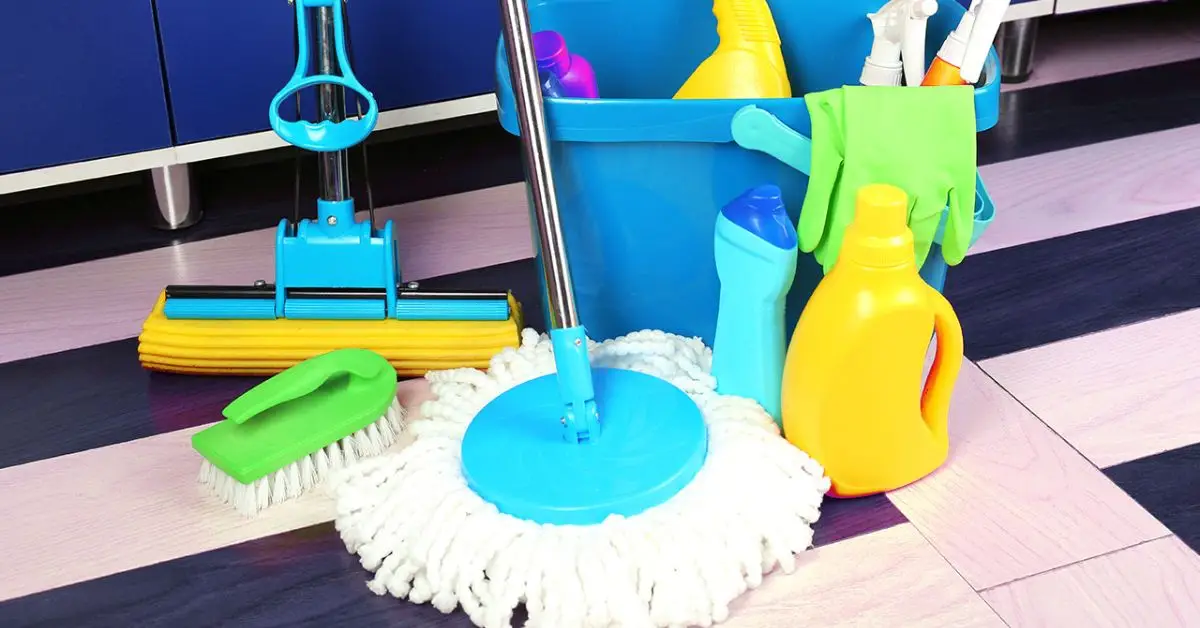
Sometimes, no hack can fully replace the Swiffer. That’s when I consider switching tools entirely:
- Microfiber mops: Long-lasting, reusable, and excellent for deep cleaning.
- Steam mops: Perfect for stubborn dirt, especially in kitchens and bathrooms.
- Traditional mop heads: A classic option if you need heavy-duty cleaning.
Exploring these alternatives is worth it if you clean often or want a more sustainable long-term solution. And if you’re thinking of using a steam mop, make sure you know which items you should never use with it to avoid damaging your floors.
Safety & Floor Type Considerations (Don’t Use These Hacks On…)
I always remind myself: the wrong pad or fabric can damage your floor. Here’s what to watch for:
- Sensitive floors: Avoid unfinished wood or soft laminate with abrasive fabrics.
- Wrong fabrics: Some towels or socks leave lint or streaks on shiny surfaces.
Being mindful of floor type ensures that your creative hacks don’t backfire and keeps your floors looking great for years.
Final Thoughts: Save Money, Cut Waste, Clean Smarter
Switching to these household alternatives isn’t just about avoiding a trip to the store—it’s about saving money, reducing waste, and making your cleaning routine smarter. I use a mix of microfiber cloths, old socks, and DIY pads regularly, and I’ve never looked back.
I’d love to hear what works for you. Which hack will you try first? Or maybe you’ve already discovered a secret cleaning trick that I haven’t mentioned? Share your tips in the comments below!
And if you want more practical, budget-friendly home solutions, check out Build Like New for guides, hacks, and step-by-step ideas to make your home cleaner, smarter, and more efficient.
Disclaimer: The tips and hacks shared in this article are for general household cleaning purposes. Always test any alternative cleaning method on a small, inconspicuous area first, and follow the manufacturer’s guidelines for your floors and cleaning tools. Build Like New is not responsible for damage caused by misuse.