Sanitizing vs Disinfecting: The Essential Cleaning Guide for Every Homeowner
Most homeowners think sanitizing and disinfecting are the same thing. I used to see people use the words interchangeably all the time. Spray the surface, wipe it down, and assume the germs are gone.
But that’s not how it actually works.
In reality, sanitizing and disinfecting serve different purposes. One reduces the number of germs to a safer level, while the other is designed to kill many of them. When you don’t understand the difference, you may end up using the wrong method in the wrong situation.
And that happens more often than people realize.
Think about your everyday routine at home. Kitchen counters after cooking, bathroom sinks, doorknobs, kids’ toys, phones, remote controls — these surfaces collect germs constantly. If someone in the house gets sick, those germs can spread even faster if the cleaning method isn’t effective.
The good news is that you don’t need complicated routines or dozens of products. Once you understand when to sanitize and when to disinfect, keeping your home safer becomes much simpler.
In this guide, I’ll walk you through the real difference between sanitizing and disinfecting, when each one makes sense in a home, and how you can use both methods the right way without overdoing it.
Before we get into practical steps, let’s start with the one thing that causes most of the confusion: what sanitizing and disinfecting actually mean.
Cleaning, Sanitizing, and Disinfecting: The Correct Definitions
Healthline
Before you decide whether to sanitize or disinfect something at home, there’s one thing I always tell people first.
These three terms — cleaning, sanitizing, and disinfecting — sound similar, but they actually represent different levels of removing germs from a surface. Many homeowners use them interchangeably, which often leads to using the wrong method at the wrong time.
I like to think of them as steps in a process.
If you skip the order, even strong disinfectants may not work the way you expect. Let me break this down in a simple way so you can see exactly how they differ.
What “Cleaning” Actually Means
Cleaning is the foundation of every good cleaning routine.
When you clean a surface, you’re mainly removing visible dirt, grease, crumbs, and some germs using soap, water, or a regular household cleaner. Cleaning doesn’t necessarily kill germs, but it removes a large portion of them along with the dirt they cling to.
In practical terms, cleaning makes a surface physically cleaner, but not fully germ-free.
For example, when I wipe a kitchen counter with dish soap and warm water after cooking, I’m cleaning it. Food particles and grease disappear, and many germs go with them.
Common cleaning tasks around the home include:
- Wiping kitchen counters after preparing food
- Washing dishes with soap and water
- Mopping floors
- Cleaning bathroom sinks and bathtubs
Cleaning matters because germs often hide inside dirt, oils, and food residue. If those layers stay on the surface, sanitizers and disinfectants may not reach the microbes effectively.
That’s why cleaning should always come before sanitizing or disinfecting.
What “Sanitizing” Means in Your Home
Sanitizing is the next level after cleaning.
Instead of trying to kill every microorganism, sanitizing reduces the number of germs on a surface to a safer level. This approach is commonly used in homes, kitchens, and food preparation areas where everyday hygiene is important.
In simple terms, sanitizing helps control germ levels without using the strongest chemicals.
I usually recommend sanitizing for routine household surfaces that people touch frequently.
Examples include:
- Kitchen counters after normal food preparation
- Dining tables
- Cutting boards
- Refrigerator handles
- Kids’ toys
- Bathroom sink areas
Sanitizing products typically use milder chemical solutions, such as diluted bleach or approved surface sprays.
Public health guidelines like the CDC hygiene recommendations explain that sanitizing lowers the number of germs to levels considered safe for public health rather than eliminating them completely.
So in everyday home situations, sanitizing often provides enough protection without overusing stronger disinfectants.
What “Disinfecting” Means in Your Home
Disinfecting is the most powerful step in the process.
Unlike sanitizing, disinfecting products are designed to kill many bacteria, viruses, and other microorganisms that may remain on surfaces.
Because of this, disinfecting is usually recommended when there is a higher risk of germs spreading in the home.
For example, I typically advise homeowners to disinfect surfaces in situations like:
- When someone in the household is sick
- After handling raw meat or poultry
- Cleaning bathroom surfaces
- During cold or flu season
- High-touch areas such as door handles and light switches
Disinfectants often contain stronger ingredients and require something called contact time. This means the surface must stay wet with the product for a certain number of minutes so the chemicals can actually kill the germs.
If the surface dries too quickly — or if it wasn’t cleaned first — the disinfectant may not work properly.
That’s why the correct order always matters:
- Clean first to remove dirt and residue
- Sanitize for everyday hygiene
- Disinfect when there is a higher health risk
Once you understand these differences, deciding what your home actually needs becomes much simpler.
When You Should Sanitize vs When You Should Disinfect
This is where many homeowners get confused.
I often see people disinfect everything daily — counters, tables, even floors — assuming stronger chemicals automatically mean a safer home.
But in reality, sanitizing is often enough for everyday cleaning. Disinfecting should be reserved for situations where the risk of germs spreading is higher.
Let me show you how I usually approach it.
Routine Everyday Maintenance (Sanitize When…)
For normal daily routines, sanitizing works perfectly well for many household surfaces.
These are places that get touched frequently but don’t usually carry harmful pathogens unless someone in the house is ill.
You can sanitize surfaces like:
- Kitchen counters after cooking
- Dining tables after meals
- Refrigerator handles
- Light switches
- Remote controls
- Children’s toys
Sanitizing helps keep germ levels under control without exposing your home to strong disinfectants every single day.
It’s a simple and practical habit that supports a healthy home without overusing chemicals.
After Illness or Exposure (Disinfect When…)
If someone in your household becomes sick, your cleaning routine should change.
Viruses and bacteria can survive on surfaces for hours or even days depending on conditions. High-touch surfaces can easily transfer those germs from one person to another.
In these cases, disinfecting becomes the better option. If someone in your home is recovering from illness, following a structured cleaning process can make a big difference. This guide on 10 essential steps to disinfect your entire home after the flu walks through the areas most people forget to clean.
Focus on disinfecting areas such as:
- Door handles
- Bathroom faucets
- Toilet handles
- Bedside tables
- Phones and tablets
- Appliance handles in the kitchen
Disinfecting helps eliminate many of the germs that could otherwise spread throughout the home.
Food Prep Areas, Kids, Pets — Which Method and Why
Some areas require a bit more judgment.
For example, in kitchens both sanitizing and disinfecting can be useful depending on what happened on the surface.
Here’s how I usually decide.
Sanitize when:
- Cleaning counters after preparing fruits or vegetables
- Wiping the dining table after meals
- Cleaning reusable grocery bags
Disinfect when:
- Raw meat or poultry touched the surface
- Cleaning pet feeding areas
- Handling trash cans or garbage lids
Children’s toys are another good example. Most of the time, washing and sanitizing them occasionally is enough. But if a child has been sick, disinfecting those toys becomes a smarter step.
Once you start thinking about risk level instead of just routine, choosing between sanitizing and disinfecting becomes much clearer.
So let me ask you something.
When you clean your home, do you usually sanitize surfaces — or jump straight to disinfecting everything?
Step-by-Step Guide to Sanitizing or Disinfecting Your Home
Once you understand the difference between sanitizing and disinfecting, the next step is knowing how to actually do it correctly at home.
I’ve noticed that many people jump straight to spraying disinfectant and wiping it away immediately. The problem is, that approach often doesn’t give the product enough time to work.
A simple step-by-step routine makes the process far more effective and keeps your home safer without using unnecessary chemicals.
Let me show you how I approach it.
Step 1: Always Clean First
Before you sanitize or disinfect anything, clean the surface first.
This step removes dirt, grease, crumbs, and residue that can block sanitizers or disinfectants from reaching germs.
If a surface still has food residue or grime on it, the chemical solution may not work properly. In other words, the disinfectant ends up fighting through layers of dirt instead of targeting the microbes.
I usually start with basic cleaning tasks like:
- Wiping counters with soap and warm water
- Removing crumbs and food particles from surfaces
- Washing visible stains or spills
- Cleaning bathroom sinks or tubs with a mild cleaner
Once the surface looks visibly clean, sanitizing or disinfecting becomes far more effective.
Think of cleaning as preparing the surface so the next step can actually do its job.
Step 2: How to Sanitize Safely at Home
Sanitizing is perfect for everyday household surfaces that need routine hygiene but don’t require heavy chemical treatment.
When I sanitize surfaces, I focus on areas that get touched frequently but aren’t heavily contaminated.
Typical sanitizing spots include:
- Kitchen countertops
- Dining tables
- Cutting boards
- Refrigerator handles
- Children’s toys
- Bathroom sink areas
You can sanitize surfaces using:
- Diluted bleach solutions
- Household sanitizing sprays
- Sanitizing wipes designed for kitchen use
The key is to apply the sanitizer evenly and allow it to sit briefly before wiping, depending on the product instructions.
Products that meet regulatory standards are usually labeled with specific germ-reduction claims. If you want to understand how these products are classified and tested, the US EPA disinfectant and sanitizer guidelines explain how sanitizers reduce bacteria to safe levels.
For everyday cleaning routines, sanitizing keeps surfaces hygienic without exposing your home to strong disinfectants all the time.
Step 3: How to Disinfect Safely at Home
Disinfecting requires a little more attention because these products are stronger and designed to kill a broader range of microorganisms.
When I disinfect surfaces, I usually focus on high-risk areas or situations where germs may spread easily.
Common places to disinfect include:
- Door handles and light switches
- Bathroom fixtures
- Toilet handles
- Kitchen appliance handles
- Trash can lids
- Phones and remote controls
One thing many homeowners overlook is contact time.
Disinfectants usually need to stay wet on the surface for several minutes so the chemicals can actually kill the germs. If you spray and wipe immediately, the disinfectant may not work as intended.
A safe disinfecting routine usually includes:
- Applying the product to a clean surface
- Allowing the recommended contact time
- Using gloves if the product instructions suggest it
- Keeping the room ventilated while cleaning
These small habits make disinfecting both more effective and safer for everyone in the home. If you want to make disinfecting quicker and more efficient, these simple home disinfection hacks that actually work can help you clean smarter without turning it into a complicated routine.
Common Missteps to Avoid
Even with good intentions, many people make small mistakes that reduce the effectiveness of sanitizing or disinfecting.
Here are a few issues I see frequently:
- Skipping the cleaning step before sanitizing or disinfecting
- Mixing cleaning chemicals, which can create dangerous fumes
- Wiping disinfectant away too quickly before it has time to work
- Using disinfectants daily on low-risk surfaces where sanitizing would be enough
- Using the wrong product on delicate surfaces like electronics or natural stone. Many homeowners don’t realize that disinfectant wipes can actually damage certain household items if used incorrectly. This guide explains 10 things you should stop wiping with disinfectant wipes before you ruin them.
Avoiding these mistakes helps you clean smarter instead of just using stronger chemicals.
And once you understand the proper steps, the entire process becomes much simpler.
Product Types and What They Really Do
When you walk into a store, the cleaning aisle can feel overwhelming.
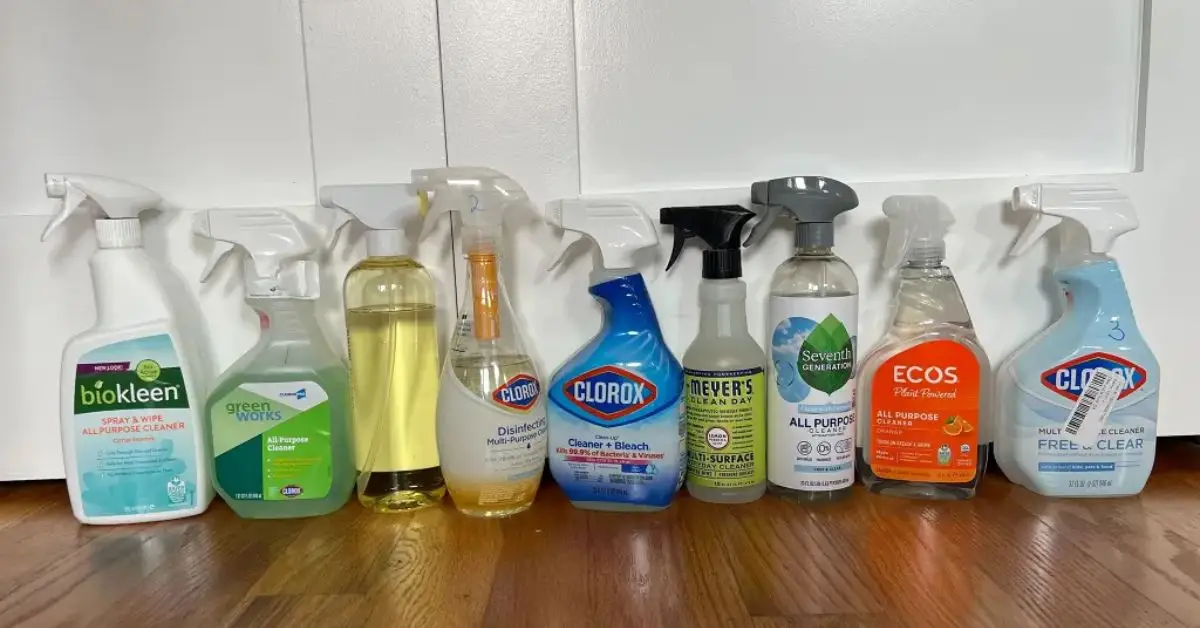
You’ll see products labeled sanitizer, disinfectant, antibacterial, antimicrobial, multi-surface cleaner, and more. The packaging often makes them sound similar, but they actually perform very different jobs.
Understanding what these products really do helps you choose the right one for your home instead of buying something that doesn’t match your needs.
Let’s break down the most important differences.
Sanitizers vs Disinfectants (What They Actually Kill)
Sanitizers and disinfectants are designed for different levels of germ control.
Sanitizers typically reduce bacteria on surfaces to safer levels. They are commonly used in kitchens and food preparation areas where routine hygiene is important.
Disinfectants go a step further.
They are formulated to kill many bacteria, viruses, and other microorganisms that may remain on surfaces. Because of this, disinfectants are usually recommended in higher-risk situations such as illness or bathroom sanitation.
In simple terms:
Sanitizers focus on reducing germs.
Disinfectants focus on eliminating more harmful microbes.
Knowing this difference helps you choose the right product depending on the situation.
When Natural or DIY Solutions Work — and When They Don’t
Many homeowners prefer natural cleaning solutions, and in some cases they work well for basic cleaning.
For example:
- Vinegar can help remove mineral buildup
- Baking soda can help scrub surfaces
- Lemon can help remove odors
But it’s important to understand their limits.
Natural ingredients may help with cleaning, but they usually don’t function as true disinfectants. That means they may not kill certain viruses or bacteria the way regulated disinfectant products can.
So while DIY solutions can be useful for routine cleaning tasks, relying on them for disinfecting during illness or contamination may not provide the protection people expect.
How to Read Cleaning Product Labels
One habit that makes a big difference is simply reading the product label carefully.
Cleaning labels often include important information about what the product actually does.
Here are a few common terms you’ll see:
- Antibacterial – targets certain types of bacteria
- Antimicrobial – works against multiple microorganisms
- Sanitizer – reduces germs to safer levels
- Disinfectant – kills many bacteria and viruses
- EPA-registered – product meets regulatory testing standards
I always recommend checking two key details on the label:
- What germs the product claims to kill
- How long the surface must stay wet for it to work
Once you start paying attention to these details, choosing the right cleaning product becomes much easier.
And more importantly, you’ll know that the product you’re using is actually doing the job you expect it to do.
Common Myths About Sanitizing and Disinfecting (And the Truth)
When I talk to homeowners about cleaning routines, I often notice the same misunderstandings come up again and again.
A lot of what people believe about sanitizing and disinfecting actually comes from marketing slogans or internet shortcuts, not real cleaning science. These myths can lead to wasted effort, unnecessary chemical use, or cleaning habits that simply don’t work.
Let’s clear up a few of the most common misconceptions.
Myth 1: The Stronger the Chemical, the Better the Cleaning
Many people assume that using the strongest disinfectant available will automatically make their home safer.
But that’s not always true.
If the surface hasn’t been cleaned first, dirt and grease can block disinfectants from reaching germs. In that situation, even the strongest product won’t perform the way it’s supposed to.
In most everyday situations, cleaning followed by sanitizing is enough to keep surfaces hygienic.
Disinfecting should be used more selectively, especially for high-risk situations like illness or bathroom sanitation.
Myth 2: Sanitizing Means the Same Thing as Disinfecting
This confusion is extremely common.
Sanitizing reduces the number of germs to a safer level, while disinfecting aims to kill a wider range of microorganisms. They serve different purposes, which is why they’re used in different situations.
For everyday surfaces like dining tables or kitchen counters after normal cooking, sanitizing is often sufficient.
Disinfecting becomes more important when you’re dealing with higher contamination risks, such as sickness in the household or raw meat exposure.
Myth 3: Natural Cleaners Can Replace Disinfectants
Natural cleaning solutions are great for many tasks.
For example, vinegar can remove mineral buildup and baking soda can help scrub stubborn stains. These ingredients are useful for cleaning surfaces and improving general household hygiene.
However, they usually don’t work as true disinfectants.
Many home cleaning tests and expert analyses show that common DIY ingredients may clean surfaces well but don’t reliably kill certain bacteria or viruses the way regulated disinfectants can. Research and cleaning experiments highlighted by Better Homes & Gardens cleaning experts explain why natural solutions shouldn’t always replace disinfectants in high-risk situations.
So while natural products are helpful for routine cleaning, they shouldn’t be relied on for situations that require true disinfection.
Myth 4: If a Surface Looks Clean, It Must Be Germ-Free
This is one of the biggest misconceptions about household cleaning.
A shiny countertop or spotless bathroom sink may look perfectly clean, but germs are microscopic. They can remain on surfaces even when there’s no visible dirt.
That’s why cleaning alone sometimes isn’t enough — especially for high-touch surfaces.
Adding sanitizing or disinfecting when needed helps reduce invisible germs that normal cleaning might miss.
Quick Reference Chart: Cleaning vs Sanitizing vs Disinfecting
Sometimes the easiest way to understand these methods is to see them side by side.
I often recommend keeping a simple mental checklist when deciding which method to use. The table below breaks down the key differences so you can quickly choose the right approach for each situation in your home.
| Method | What It Does | When to Use It | Example Areas |
|---|---|---|---|
| Cleaning | Removes dirt, grease, and some germs from surfaces | Everyday household cleaning | Floors, countertops, dishes |
| Sanitizing | Reduces germs to safer levels | Routine hygiene for frequently touched surfaces | Dining tables, cutting boards, toys |
| Disinfecting | Kills many bacteria and viruses | Higher-risk situations or illness in the home | Bathroom fixtures, doorknobs, trash lids |
Keeping these differences in mind makes it much easier to build a cleaning routine that is effective without being excessive.
You don’t always need the strongest product — you just need the right method for the situation.
Household Checklist: When to Clean, Sanitize, or Disinfect
By now, you probably see that cleaning, sanitizing, and disinfecting each have their place in a home. But in real life, most people don’t want to stop and analyze every surface they touch.
That’s why I like to keep a simple mental checklist. It helps you decide quickly what level of cleaning a situation actually needs.
Use this as a practical guide during your normal household routine.
Clean When…
Cleaning is your daily foundation. It removes visible dirt, grease, and debris so surfaces stay tidy and ready for deeper hygiene steps if needed.
You should clean when:
- You see visible dirt, dust, or spills
- After cooking or preparing meals
- When washing dishes or kitchen tools
- During routine bathroom cleaning
- While mopping floors or wiping furniture
In most homes, cleaning alone already removes a large portion of germs, especially when done regularly.
Sanitize When…
Sanitizing is ideal for frequently touched surfaces where you want to lower germ levels but don’t necessarily need strong disinfectants.
You should sanitize when:
- Wiping kitchen counters after normal cooking
- Cleaning dining tables after meals
- Washing children’s toys
- Cleaning cutting boards used for vegetables or fruits
- Wiping refrigerator handles or cabinet knobs
- Maintaining everyday household hygiene
Sanitizing helps keep germ levels manageable while avoiding unnecessary chemical exposure.
Disinfect When…
Disinfecting is best for higher-risk situations where germs may spread easily or pose a health concern.
You should disinfect when:
- Someone in the home is sick
- Cleaning bathroom surfaces like toilets or sinks
- After handling raw meat or poultry
- During cold or flu season
- Cleaning trash cans or garbage lids
- Wiping frequently touched objects such as phones, door handles, and light switches
In these situations, disinfecting provides the extra protection needed to reduce the spread of harmful microbes.
Final Thoughts: Cleaning Smarter, Not Harder
A lot of homeowners think a safe home requires strong disinfectants everywhere, every day. But the truth is much simpler.
The real secret is understanding which method fits the situation.
Most of the time, cleaning and occasional sanitizing are enough to keep your home healthy. Disinfecting should be used strategically — especially when illness or contamination is involved.
Once you start thinking this way, your cleaning routine becomes easier, safer, and far more effective.
If you found this guide helpful and want more practical tips on maintaining and improving your home, I regularly share helpful resources on Build Like New — where we focus on smarter home care, maintenance, and improvement strategies.
And now I’d love to hear from you.
Do you usually sanitize surfaces during your daily cleaning routine, or do you disinfect most areas just to be safe?
Drop your thoughts or cleaning habits in the comments — your experience might help another homeowner improve their routine too.
Disclaimer: This article is for general informational purposes only. Cleaning practices and product effectiveness may vary depending on the surface and product used. Always follow the instructions on cleaning product labels and manufacturer guidelines. The information shared on Build Like New is not a substitute for professional health, safety, or sanitation advice.