Fireplace On? Here’s Whether You Should Keep Your Heater Running
I’ve always wondered the same thing you might be thinking right now: if I light a fire in the fireplace, should I bother keeping the heater on? It seems like double work, right? You want that cozy glow and warmth from the fire, but at the same time, you rely on your central heating to keep the whole house comfortable. Over the years, I’ve seen plenty of homeowners make the mistake of turning off their heaters completely, only to end up with uneven temperatures, cold spots, or even higher energy bills.
In this article, I want to break down exactly when you should keep your heater running, what you can safely turn off, and how to get the most comfort without wasting energy. By the end, you’ll have a clear plan that actually makes sense for your home and your wallet.
Understanding How Fireplaces and Heaters Work
Before deciding whether to turn off your heater, it helps to understand how both systems actually work. I’ve seen people assume a fireplace can heat the whole house the same way a central heater does—but that’s rarely the case.
- Central Heating: Your furnace or heat pump distributes warm air through ducts, reaching every room (or most of them). That’s why even the bedrooms upstairs feel cozy while your living room is warm—you’re getting consistent airflow throughout the house.
- Fireplace Heat: A fireplace, whether wood, gas, or electric, creates local heat. That means it warms the area around it really well, but rooms farther away might not feel much difference.
Fireplace types matter too:
- Wood-burning: Gives authentic warmth and ambience but loses a lot of heat up the chimney. If you use a wood-burning fireplace, it’s also important to be aware of potential health risks that can affect your family, which I’ve covered in detail in this guide on the most dangerous health risks of wood-burning fireplaces.
- Gas fireplaces: Cleaner and more controllable, with moderate efficiency.
- Electric fireplaces: Convenient, nearly 100% efficient at heating the room they’re in, but no chimney loss.
When you realize how uneven a fireplace’s heat can be, it’s easier to see why simply turning off your heater might leave some rooms freezing.
Pros of Keeping Your Heater On with the Fireplace
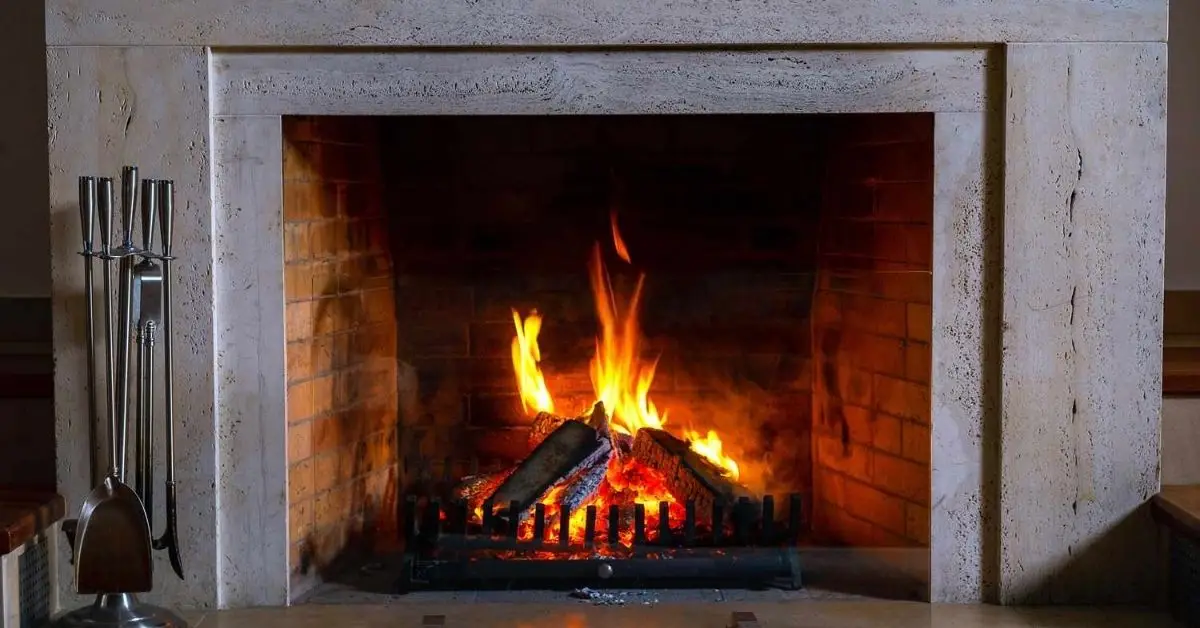
Now that we understand the mechanics, here’s why I almost always recommend keeping the heater on—even when your fireplace is roaring.
- Even temperature throughout the home: You don’t want to curl up by the fire while the rest of the house feels like a winter cave. Your central heater keeps the rooms away from the fireplace at a comfortable level.
- Avoid sudden temperature swings: Fires don’t burn forever. When the flames die down, you want a baseline heat to maintain comfort and avoid that jarring drop in warmth.
- Prevent cold drafts and frozen pipes: Chimney airflow can pull warm air out of your home, creating cold spots near walls or windows. Keeping the heater running offsets that, reducing the risk of frozen pipes during the coldest nights.
- Energy and comfort balance: You might be tempted to turn off your heater to save energy, but a smart approach is to lower the thermostat slightly instead. You get the comfort of consistent warmth without wasting fuel.
For a professional perspective on why pairing your central heating with a fireplace works best, I like how Clarksville Heating & Air explains the efficiency differences between ducted heating and open fireplaces—it really helped me rethink how I manage my own home’s warmth.
When (and Why) Turning Off the Heater Makes Sense
I get it—you might still be thinking, “Why not just turn off the heater and enjoy my fireplace alone?” In some cases, that actually makes sense. But it’s important to know the exceptions rather than assuming it’s always okay.
- Very small spaces: If you live in a compact studio or a tiny cabin, a fireplace might be able to heat the entire area efficiently. In that case, your heater isn’t doing much, and you could safely turn it off.
- Short bursts of fire use: Sometimes you just want a cozy fire for an hour or two while sitting in the living room. If you don’t mind cooler temperatures elsewhere, temporarily switching off the heater can work.
- Planned energy savings: You can incorporate fireplace use into an energy-saving strategy—but it has to be intentional. Lower your thermostat slightly rather than turning it off completely, and monitor comfort in other rooms.
How to Use Fireplace + Heater Efficiently Together
Instead of choosing one over the other, I’ve learned it’s better to make the fireplace and heater work as a team. Here’s how you can maximize comfort and energy efficiency without sacrificing either:
- Lower the thermostat by a few degrees rather than turning off completely. This keeps a baseline heat while letting the fireplace add cozy warmth.
- Use programmable thermostats to match typical fire-use times—morning fires or evening relaxation can be coordinated with your central heating schedule.
- Keep interior doors open to let warm air circulate, especially if your fireplace is in a single room.
- Add glass doors or inserts to your fireplace to reduce heat loss and prevent cold drafts.
- Run ceiling fans on low to push warm air from the fireplace to other parts of the room.
You could even make a small table comparing thermostat settings with and without fireplace use to visualize energy savings and comfort—seeing it on paper really helps plan your winter heating strategy.
Safety Considerations When Running Fireplace and Heater
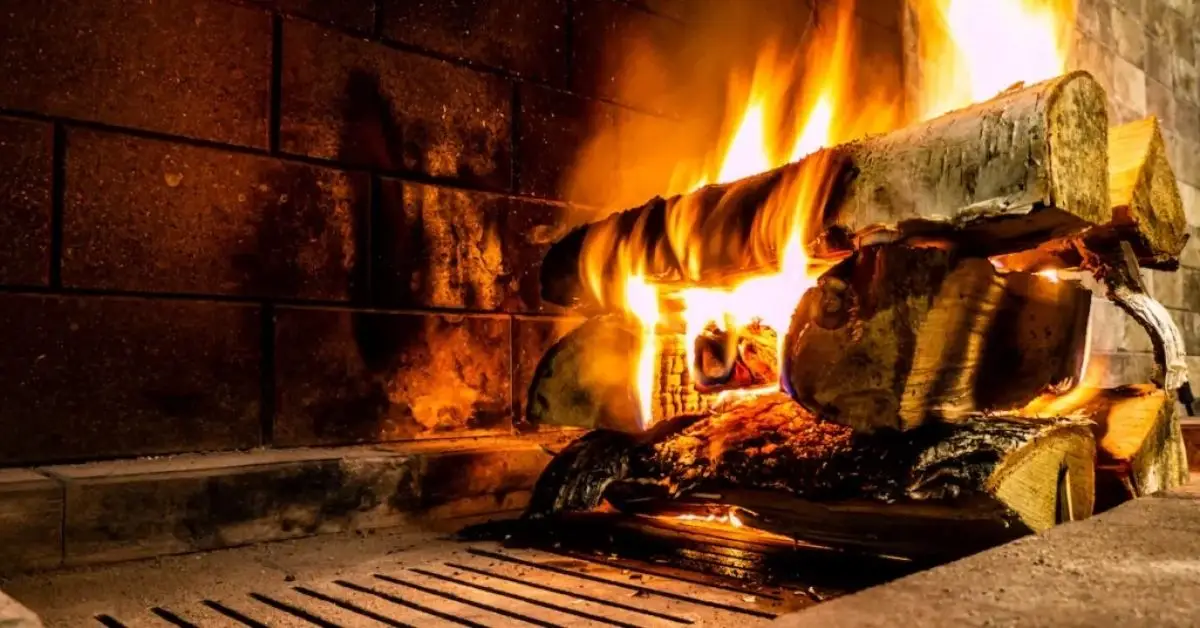
Here’s the part I always stress to friends: even if you love that roaring fire and steady heater, safety comes first. You don’t want a cozy evening to turn into an emergency.
- Fireplace basics: Keep clear zones around your fireplace and use screens or doors to prevent sparks from escaping. Also, keeping the area around your fireplace clear is critical—not just for safety but also to prevent heat damage—here’s a list of things you should never put around your fireplace. Houston Fire Department provides excellent guidelines for home fireplace safety.
- Heater and fuel safety: Make sure fuel-burning appliances are properly installed and maintained, and follow manufacturer guidelines.
- Carbon monoxide risks: Gas fireplaces and heaters can produce CO—install detectors in multiple rooms, and test them regularly. And remember, some materials can create dangerous fumes or sparks when burned—check out this guide on what you should never burn in your fireplace for safe burning tips.
- Chimney maintenance: Schedule annual inspections and cleanings to prevent blockages or creosote buildup that can lead to fires or poor ventilation.
By combining proper use with these safety practices, you get the comfort and warmth you want without risking your home or health.
Cost Comparison: Fireplace vs Heater Over a Winter
I know a lot of people are thinking about the numbers—how much are you really spending if you keep the heater on while using a fireplace? Let’s break it down in practical terms.
- Furnace running baseline: Running your central heater 24/7 in a typical home can cost anywhere from $100–$200 per month in energy during winter, depending on your fuel type and home efficiency.
- Fireplace supplement: Using a fireplace for targeted heat—say 2–3 hours in the evening—can add only $5–$15 in wood or gas costs, but it keeps the rooms you occupy warm while letting you lower your thermostat a few degrees.
- Efficiency comparison: Open fireplaces have roughly 10–20% efficiency, meaning most heat goes up the chimney, whereas modern furnaces operate around 80–95% efficiency, giving more predictable heat distribution.
- When fireplace reduces costs: Short, targeted bursts in one room allow you to drop your thermostat and save on heating bills while still staying comfortable.
- When fireplace can increase costs: If you turn off your heater completely, then have to run it at full blast later to recover lost heat, you might actually spend more than if you’d just kept it on at a slightly lower setting.
Seeing these numbers makes it clear: the smart combination of fireplace + heater gives comfort and can save money, but only if you use them strategically.
Summary: Best Practices for Cozy and Cost‑Smart Winter Heating
Here’s the plan I follow every winter, and it works every time:
- Keep your heater on—but optimize it. Lower your thermostat slightly rather than shutting it off.
- Use your fireplace as supplemental heat. Enjoy the ambiance without expecting it to heat the whole house.
- Follow safety and maintenance checks. Screens, carbon monoxide detectors, and yearly chimney inspections keep you safe.
- Focus on cost-effectiveness. Target short bursts in frequently used rooms, coordinate with thermostat settings, and avoid turning the heater fully off.
Winter warmth shouldn’t feel like a trade-off between comfort and cost. If you follow these steps, you get both.
I’d love to hear how you manage your fireplace and heater at home. Do you have a trick for staying cozy without wasting energy? Drop your tips in the comments below—and if you want more practical home and heating advice, check out Build Like New for guides and real-world solutions.
Disclaimer: This article is for informational purposes only and is not a substitute for professional HVAC, fireplace, or safety advice. Always follow manufacturer guidelines and consult licensed professionals for installation, maintenance, or safety concerns.