10 Quick Kitchen Hacks That Create the Illusion of More Space
I know the feeling—your kitchen is tiny, every corner seems crowded, and no matter how hard you try, it never feels open. I’ve spent years helping people make small kitchens feel larger, and the good news is, you don’t need a full renovation to create space that looks and feels bigger. With the right mix of colors, layouts, storage hacks, and lighting tricks, even the tiniest kitchen can feel airy, organized, and inviting.
In this guide, I’ll walk you through 10 simple, practical design tips that actually work, so you can transform your small kitchen without stress or guesswork.
Tip 1: Light Colors to Brighten & Expand
You might not realize it, but the colors you choose can make a huge difference in how spacious your kitchen feels. I’ve seen tiny kitchens instantly feel larger simply by switching to light, neutral tones.
- Paint walls, cabinets, and even the ceiling in soft whites, creams, or pale grays. Before you start painting, check out our guide on 5 kitchen elements you should never paint to avoid mistakes that shrink your space.
- Use reflective surfaces like glossy cabinets or glass backsplashes to bounce light around.
- Small touches like a light-colored countertop or subtle metallic accents can also make a surprising impact.
I often tell people to check out Real Homes’ guide on small kitchen design—they have some inspiring examples of how light tones completely transform a cramped space.
Tip 2: Smart Storage Solutions to Reduce Clutter

Nothing shrinks a kitchen faster than clutter. I know how tempting it is to pile things on the counter “just for now,” but keeping sightlines clear is key to making your space feel open.
- Install hidden cabinets and pull-out drawers to store things you don’t need every day.
- Use corner storage solutions to make use of awkward spaces.
- Consider replacing some upper cabinets with open shelving—it adds depth and gives your kitchen a more airy feel. To see if clutter is holding your kitchen back, read 6 clear signs your kitchen is seriously overcluttered and know what to tackle first. Once you’ve decluttered, make cleaning easier with 8 kitchen cleaning tools that actually tackle the hardest messes.
I’ve noticed on Reddit that many people swear by decluttering small kitchens first—it’s amazing how much space suddenly appears when you clear the countertops.
Tip 3: Layout Optimization — Make Every Inch Count
Even a tiny kitchen can feel comfortable if you arrange everything the right way. I like to think of it as giving each area a purpose while leaving enough room to move freely.
- L-shaped, galley, or U-shaped layouts usually work best for small kitchens.
- Sliding doors or pull-out counters help you save elbow room without sacrificing surface space.
- Think about your daily routine and place the most-used items where they’re easiest to reach.
When I help someone redesign their kitchen layout, this is always the step that gives the most “wow” effect—you’ll be surprised how much open space you can create without touching the walls.
Tip 4: Slim & Built-in Appliances
When I first started helping people with small kitchens, one thing I noticed immediately is how much space bulky appliances can eat up. Switching to slim or built-in units can completely change the feel of your kitchen.
- Consider a built-in fridge or slimline dishwasher to keep your counters and sightlines clean.
- Panel-ready appliances blend into cabinetry, creating a seamless look.
- Even small changes, like a compact oven or microwave tucked away, can make the room feel bigger.
I’ve seen before-and-after setups online where swapping standard appliances for slim designs instantly opens up the space—it’s a game-changer.
Tip 5: Maximize Natural & Artificial Light
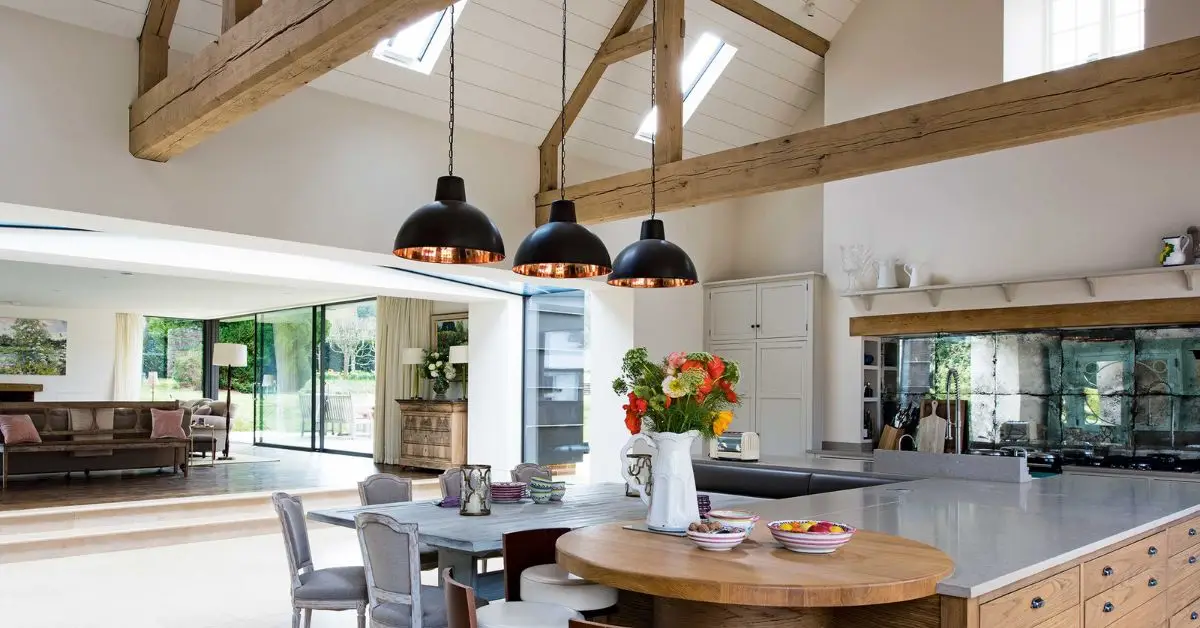
You’ll be surprised how much light affects your perception of space. I always tell my clients: even the best layout feels cramped without proper lighting.
- Keep windows free of heavy curtains or blinds to let natural light pour in.
- Layer your lighting—ambient for overall brightness, task lighting for work areas, and accent lights to highlight features.
- Small LED strips under cabinets can add a soft glow without taking up room.
Good lighting doesn’t just make your kitchen look bigger—it makes it feel welcoming. Check out IKEA’s small kitchen lighting ideas for some clever, practical setups you can try.
Tip 6: Flooring Tricks to Stretch the Room
I’ve learned that flooring is one of the easiest ways to manipulate the sense of space, and it’s often overlooked. The right pattern and material can make your kitchen feel longer or wider instantly.
- Choose wide planks, large tiles, or light-colored flooring to create a continuous, open look.
- Lay planks or tiles horizontally or diagonally to visually stretch the room.
- Avoid busy, small patterns—they break up the floor and make the space feel cramped.
Even subtle changes, like aligning the direction of floorboards with the room’s length, can make a noticeable difference when you walk in.
Tip 7: Use Geometry & Lines to Create Depth
One trick I love is using subtle patterns and lines to make a kitchen feel bigger. It’s like giving your eyes a path to follow, so the space feels deeper than it really is.
- Add subtle geometric accents or stripes on walls or floors.
- Use vertical lines to draw the eye upward or horizontal lines to make the room feel wider.
- Create focal points—like a statement backsplash or an accent wall—to pull attention away from cramped corners.
Even small design choices like this can make a big difference in perception without any construction.
Tip 8: Furniture & Fixtures That Don’t Overcrowd
I always remind clients: in a small kitchen, every piece of furniture counts. The right size and style can open the room, while the wrong one can make it feel tight.
- Choose slimline chairs or stools instead of bulky seating.
- Small islands with open bases keep the floor visible and create a sense of space.
- Avoid furniture that dominates the room or blocks natural sightlines.
Think of your furniture as part of the “air” in the room—it needs to let the kitchen breathe.
Tip 9: Seamless Transitions & Open Walls

Sometimes, the biggest impact comes from connecting your kitchen to the rest of your home. I’ve seen even tiny openings dramatically increase perceived space.
- Consider partial wall removal or creating a breakfast bar opening to adjacent rooms.
- Match flooring and finishes between spaces for a continuous, cohesive look.
- Even small visual connections—like keeping the same wall color in both areas—can trick the eye into seeing a larger space.
For more inspiration on open layouts, I like Merino Laminates’ small kitchen expansion tips—they have smart, practical examples that feel achievable.
Tip 10: Avoid Common Design Mistakes
Before you rush to decorate, take a moment to avoid the mistakes that can shrink your kitchen faster than anything else. I’ve helped clients undo some of these, and it’s always worth mentioning.
- Dark colors on all surfaces make a space feel heavy and closed-in.
- Overstuffed counters or mismatched finishes create visual chaos.
- Poor lighting that casts shadows can instantly make your kitchen feel smaller.
Keeping these pitfalls in mind can save you a lot of frustration and help the 10 tips you just learned actually shine.
Wrap-up — Combine Style with Practicality
Looking back at these 10 tips, it’s clear that making a small kitchen feel bigger isn’t about spending a fortune or knocking down walls. It’s about smart choices—colors that reflect light, layouts that flow, appliances that blend, and little design tricks that trick the eye. When you combine several of these strategies, even the tiniest kitchen can feel open, organized, and inviting.
I’d love to hear from you—what’s your biggest challenge in your kitchen right now? Drop a comment below and share your thoughts, and if you want more practical home improvement ideas like this, check out Build Like New for guides, tips, and inspiration you can actually use.
Disclaimer: The tips in this article are for general design guidance and inspiration. Results may vary depending on your kitchen’s size, layout, and personal preferences. Always consult professionals for structural changes or major renovations.