Planning a Home Remodel This Season? Check These Noise Ordinances First
Spring is finally here, and I know you’re thinking about tackling that home renovation project you’ve been putting off all winter. But before you grab your tools or call a contractor, there’s something many homeowners overlook: local noise laws. I’ve seen firsthand how a well-intentioned morning of work can turn into a headache—neighbors complaining, stop-work orders, or even fines.
Across the U.S., cities are cracking down on early morning construction. In some places, you might legally start as early as 5 a.m., while in others, anything before 7 or 8 a.m. could get you a citation. That gap isn’t just confusing—it can throw off your project schedule, inflate costs, and create tension with the people around you.
In this article, I’m going to walk you through exactly what you need to know about noise ordinances, how they affect spring renovations, and practical ways to stay compliant without slowing down your project. By the end, you’ll be able to plan your work with confidence, protect your budget, and keep your neighbors happy—all at the same time.
Why Cities Are Cracking Down on Construction Noise
If you’ve ever been jolted awake by drilling at 7 a.m., you already understand why this conversation matters. But cities aren’t tightening noise rules just to make things difficult. They’re responding to real shifts in how we live — and if you’re planning a renovation, you need to see that bigger picture.
Here’s what’s changed:
- Remote work is here to stay. A few years ago, most construction noise happened while people were at the office. Now your neighbor could be on a client call at 9 a.m. What used to feel like background activity now feels like a direct interruption.
- Homes are closer together. In many neighborhoods, equipment runs just 15–30 feet from someone’s window. Even if machines aren’t louder than before, the proximity makes the sound more intrusive.
- Quieter equipment exists — and expectations have shifted. Electric tools and compact machinery are more common now. When quieter alternatives are available, cities are more willing to enforce stricter limits on louder equipment.
From a municipality’s point of view, this isn’t about stopping renovation. It’s about balancing economic activity with neighborhood livability. Once you understand that balance, following the rules feels less frustrating — and more like smart project management.
Understanding Noise Ordinances in the U.S.

If you want your renovation to stay on track, you can’t rely on assumptions like “Everyone starts at 7 a.m.” Noise rules are local, specific, and sometimes surprisingly strict.
Let me break it down clearly.
What They Are
Noise ordinances are municipal laws that control:
- How loud construction activity can be
- When noise is legally permitted
- Where stricter zoning rules apply
- What penalties apply for violations
Most residential ordinances cap construction noise within certain decibel ranges during approved hours. But there is no national standard. Your city sets its own limits.
Typical Early Morning & Evening Hours
In many U.S. cities, residential construction is allowed roughly:
- 7 a.m. to 6 or 7 p.m. on weekdays
- Shorter windows on weekends
- Stricter rules late at night
But these hours vary significantly by location.
For example, reporting from Michigan’s Thumb on Lake Township’s updated ordinance shows how clearly defined quiet hours and enforcement penalties can be at the local level.
That kind of local detail is exactly what you should look for in your own municipality before scheduling work.
Special Cases You Shouldn’t Ignore
Some situations can change the rules:
- Weekends and public holidays
- Extreme heat seasons in certain states
- Emergency repairs
- HOA or condo-specific restrictions
If you skip this step, you risk planning your loudest task right when complaints are most likely.
And even if something is technically legal at 7 a.m., that doesn’t mean it won’t create tension.
Renovation Activities and Their Noise Impact
One of the biggest mistakes I see homeowners make? They assume “construction is construction.” It’s not. Some tasks barely register with neighbors. Others trigger complaints within minutes.
If you want fewer problems, you need to know the difference.
Loud vs Quiet Tasks
Here’s how I think about it when planning a project:
High-Impact (Complaint-Triggering) Tasks
- Excavation with mini excavators or skid steers
- Concrete cutting or grinding
- Jackhammering
- Demolition work
- Heavy-duty circular saw use outdoors
These are the tasks that travel through walls and windows. If you schedule them right at 7 a.m., even if it’s legal, you’re increasing your chances of someone calling it in.
Lower-Impact Tasks
- Layout and measuring
- Painting
- Drywall installation
- Cabinet assembly
- Light interior finishing work
If I’m advising a homeowner, I usually suggest starting the day with lower-noise activities and pushing heavy cutting or excavation to mid-morning.
Even small sequencing changes can reduce complaints dramatically.
Tool Decibel Guide (What Most People Don’t Realize)
Most residential ordinances cap construction noise between 70–80 dBA during permitted hours. But tools vary more than you think.
Here’s a simplified reference:
| Tool / Equipment | Typical dBA Range | Complaint Risk if Used Early |
|---|---|---|
| Mini excavator | 65–85 dBA | Moderate to High |
| Concrete saw | 90–100 dBA | Very High |
| Jackhammer | 100+ dBA | Extreme |
| Circular saw | 80–95 dBA | High |
| Electric drill (light duty) | 70–85 dBA | Moderate |
| Interior hand tools | 60–70 dBA | Low |
The margin is smaller than most homeowners assume. On tight residential lots, even a machine operating within its normal range can exceed what neighbors tolerate.
If you don’t factor this into your schedule, you’re basically gambling on whether someone complains.
How to Identify Your Local Noise Rules

I always tell people: don’t guess. Don’t rely on what your friend in another state told you. Noise law is hyper-local.
Here’s exactly how I approach it.
Step-by-Step Research
- Search your city name + “noise ordinance construction hours.” Most municipalities publish their codes online.
- Check the municipal code section directly. Look for:
- Permitted construction hours
- Decibel limits
- Weekend and holiday restrictions
- Enforcement penalties
- Call your local building department or non-emergency police line. Ask directly:
- “What are the allowed residential construction hours?”
- “Are permits required for early starts?”
- Look for recent updates. Local news often reports ordinance changes. For example, coverage by the Houston Chronicle highlights how cities are tracking and responding to high volumes of noise complaints, showing how seriously enforcement is taken.
That kind of reporting tells you something important: complaints are not rare. They’re common enough to influence policy.
HOA & Condo Considerations
If you live in:
- A condo
- A townhouse
- A multifamily building
- A neighborhood with an HOA
Your restrictions may be stricter than the city’s.
Shared walls mean shared sound. Many HOAs limit construction to tighter windows, sometimes:
- 9 a.m. to 5 p.m.
- Weekdays only
- No weekend heavy work
Ignoring HOA rules can delay your project even faster than a city citation.
Before you finalize your contractor schedule, double-check your governing documents. It’s a simple step that can save weeks of frustration.
Permits and Exceptions
Here’s something most homeowners don’t realize: sometimes early work is allowed — but only if you plan properly.
When Early Work Is Allowed
Some municipalities grant exceptions for:
- Emergency repairs (burst pipes, structural hazards)
- Extreme heat conditions
- Infrastructure or utility projects
- Special construction permits
But you usually need written approval.
If you assume you’re covered without documentation, you’re putting your contractor — and yourself — at risk.
Cost & Lead Time Considerations
Permits aren’t instant.
You may need:
- Application review
- Fee payment
- Advance notice to neighbors
- Specific equipment disclosures
That takes time.
I’ve seen projects delayed not because of labor issues — but because no one checked whether an early-start permit was required.
And here’s the part most people miss: Sometimes the cost of a stop-work order or repeated fines is higher than simply upgrading to quieter equipment or adjusting your schedule.
When you think about it that way, compliance isn’t a hassle. It’s risk management.
Planning Your Project Around Noise Rules
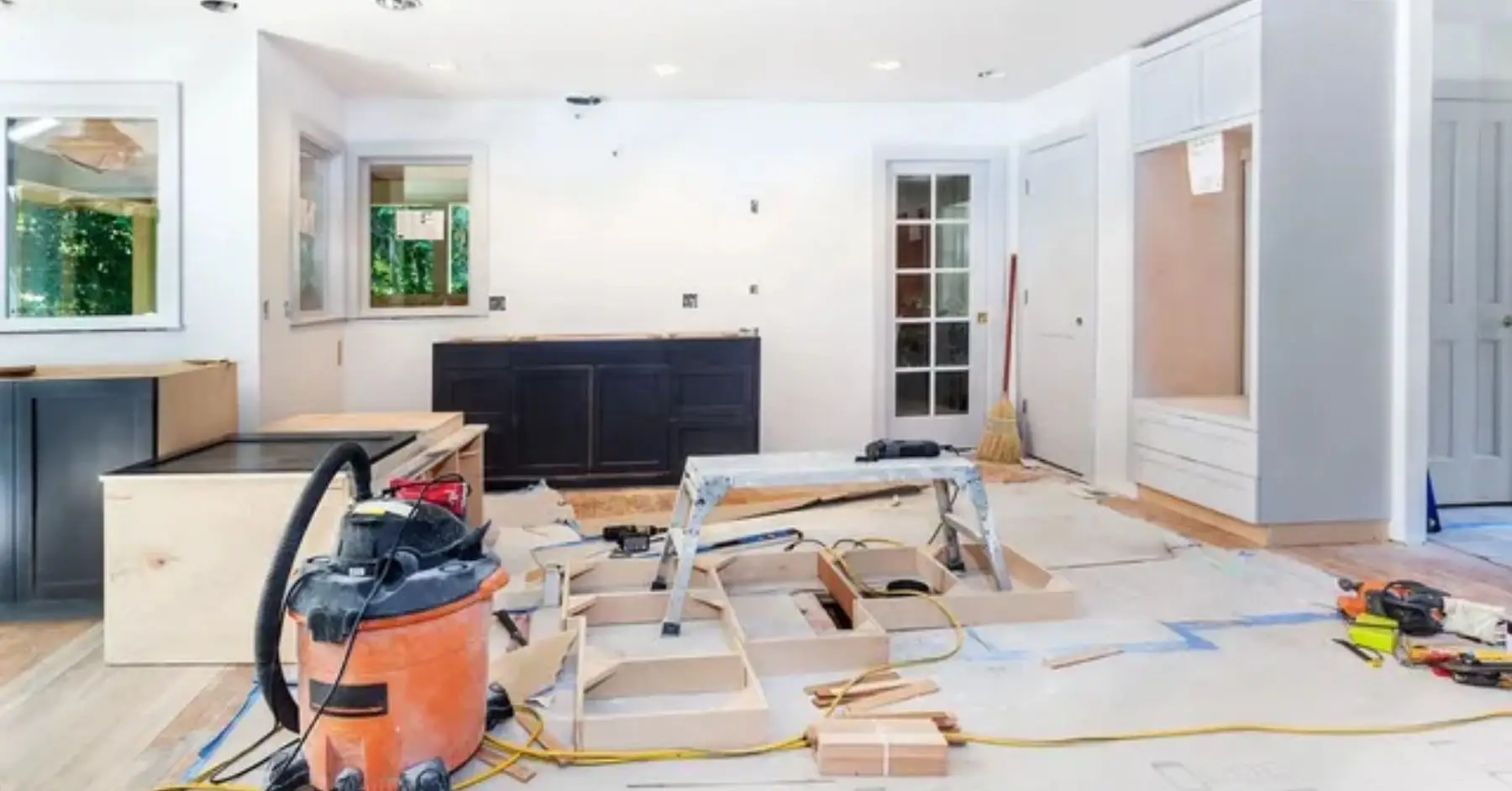
This is where thoughtful renovation planning stops being guesswork and starts protecting your timeline and budget.
I can’t tell you how many times a project got delayed — not because the work was complicated, but because someone didn’t consider when the loud stuff was going to happen.
Timing matters. When you schedule the noisiest work mid-morning, you’re not just avoiding complaints — you’re also reducing the risk of accidental damage, like a burst pipe, and clarifying responsibility for damage when neighbors’ renovations go wrong.
Original Plan (Typical but Risky)
Most people plan like this:
- Day 1 – 7:00 a.m. Excavation
- Day 2 – 7:00 a.m. Concrete cutting
- Day 3 – 7:00 a.m. Backfill and grading
Legally this may be allowed in many areas. But starting your loudest tasks the moment the clock hits the earliest hour? That’s when complaints get filed.
Noise‑Aware Adjustment Plan (What Actually Works)
Here’s how I’d recommend sequencing:
- 7:00 a.m. – 9:00 a.m.
- Layout
- Staging
- Setup
- Mid‑Morning (9:30 a.m. onward)
- Excavation
- Concrete cutting
- Heavy saw use
- Mid‑Day Window
- Loudest tasks
This way, you’re still working within permitted hours — but you’re scheduling the noisiest work when people are less likely to wake up irritable, on a call, or trying to sleep in after a long night.
Sequencing High‑Noise vs Low‑Noise Tasks
Think of it in stages:
- Quiet start: measurements, layout, delivery checks
- Moderate noise: electric tool work, interior prep
- Peak noise: excavation, sawing, jackhammering
- Wrap‑up: cleanup, finishing
Breaking up loud tasks gives neighbors breathing room — and it shows respect, which can pay off if enforcement agents are alerted.
Preventing Neighbor Complaints
Even if you’re perfectly within legal hours, you can still create tension if neighbors feel blindsided.
Communication goes a long way. I always tell homeowners: don’t wait for a complaint — prevent it.
Communication Templates You Can Use
Door Flyer or Neighbor Note Example:
“Hi neighbor,
We’ll be doing yard renovation work starting April 15. Work will take place weekdays between 7:30 a.m. and 5:30 p.m. The louder phases are planned for mid‑morning.
Simple. Respectful. Reduces surprises. Giving your neighbors a heads-up isn’t just courteous; it also helps clarify who’s responsible when a project accidentally affects a neighbor’s property, like falling branches or debris.
You can slip this under the door or text a few houses down. That’s all it takes to diffuse most issues before they escalate.
Scheduling Strategies That Work
Here’s what helps most:
- Avoid 7:00 a.m. starts for the noisiest tools
- Stagger loud tasks throughout the day
- Intermix quieter work between noisy periods
- Stay within posted hours without exception
- Let neighbors know if a specific day will be louder than the rest
People are way more forgiving when they know what to expect. Scheduling noisy or high-impact tasks carefully, and informing neighbors in advance, can prevent tension — and sometimes even avoid bigger problems, as shown in real-life examples of neighbors preventing serious accidents during home projects.
Remember, it’s rarely the law alone that causes complaints — it’s the surprise.
Why It Matters More Than Ever
Cities are increasingly giving residents tools to monitor noise and file real‑time complaints. Take the recent rollout of a noise reporting tool in New York covered by the New York Post — an app that literally allows New Yorkers to police loud sounds across the city. That means enforcement is moving from reactive to proactive, and neighbors have more power than before.
When residents can flag issues instantly, you don’t want to be the one they flag.
Consequences of Breaking Noise Ordinances
I’ve seen what happens when homeowners and contractors ignore the rules — and it’s rarely just a warning.
- Fines: Penalties can range from a few hundred dollars for a first offense to thousands for repeated violations. In Los Angeles, fines can even reach $1,000 per offense.
- Stop-Work Orders: If your project keeps breaking noise limits, the city can shut you down entirely until you comply. I’ve seen homeowners lose days, sometimes weeks, of work because of this.
- Misdemeanor Charges: In some cases, persistent violations escalate to misdemeanor charges. That can affect insurance, HOA relationships, and even your public record.
City Comparisons to Keep in Mind:
- Los Angeles: Stop-work orders, escalating fines, potential misdemeanor charges
- Denver: Repeated violations can rack up thousands of dollars in fines
- Montgomery County, MD: Civil penalties can reach hundreds per day per violation
Knowing these consequences up front is crucial. Trust me, the indirect costs — project delays, angry neighbors, stress — often outweigh the cost of adjusting your schedule or upgrading to quieter tools.
Homeowner Checklist Before Starting Renovation
Before you swing the first hammer, here’s the checklist I follow to keep projects smooth and compliant:
- Verify your local noise ordinances — city or county codes are your first reference
- Contact local authorities if anything is unclear — building department, police, or permitting office
- Notify neighbors in advance, even if you’re within legal hours
- Apply for permits if early work or special exceptions are needed
- Schedule noisy tasks strategically — start quiet, save loudest work for mid-morning or mid-day
Following these steps keeps your project on track, avoids fines, and preserves good relationships with your community.
Conclusion
Spring renovations don’t have to turn into a nightmare. By understanding noise rules, planning your tasks carefully, and communicating with neighbors, you can stay legal, reduce stress, and finish your project on time.
I’d love to hear from you: What’s the biggest challenge you’ve faced with early morning renovation noise? Share your experience in the comments below — your insights could help others plan smarter.
And if you want more actionable advice, tools, and tips for renovating efficiently while avoiding common pitfalls, check out Build Like New for guides, templates, and step-by-step strategies tailored for homeowners like you.
Disclaimer: This article is for informational purposes only and does not constitute legal advice. Noise ordinances and permit requirements vary by city and municipality. Always verify local rules with your city, county, or HOA before starting any renovation project.