Avoid Costly Water Disasters with a Simple Alarm System
Water damage is one of those problems you don’t see coming until it’s too late. I’ve seen it wreck homes, destroy memories, and drain thousands of dollars in repairs. You might think you’d notice a leak, but many of the worst cases hide behind walls, under floors, or inside appliances. A slow drip in your basement or a forgotten washing machine hose can turn into a nightmare before you even realize it.
That’s why I want to talk about water alarms. These small devices can act as an early warning system, giving you the chance to stop damage before it starts. They’re not just gadgets—they’re peace of mind for your home, your belongings, and your wallet. Over the next few minutes, I’ll show you how a water alarm can protect your home from disaster, and why setting one up is one of the smartest moves you can make as a homeowner.
What Is a Water Alarm and How It Works

If you’ve never seen a water alarm in action, it might seem like just another gadget—but trust me, it’s a real game-changer for any home. I like to think of it as an early-warning system that stands guard while you go about your day.
At its core, a water alarm is designed to detect unwanted moisture before it turns into a disaster. You might wonder how it differs from a simple water leak detector. A leak detector usually monitors a single appliance or pipe, while a water alarm continuously scans areas at risk and sends instant notifications if it senses trouble. According to Better Homes & Gardens, this is what makes water alarms proactive, rather than reactive, solutions.
The mechanics behind these devices are surprisingly smart:
- Moisture detection probes sit wherever leaks are most likely to appear.
- Conductivity sensors detect even small amounts of water spreading on a surface.
- Acoustic or pressure sensors can catch unusual sounds or water movement in plumbing lines before damage begins.
Some alarms are simple and just sound a loud alert when water is detected. Others are fully smart systems: you get notifications on your phone, can monitor multiple zones, and even trigger an automatic shutoff to stop water at the source. I personally prefer smart setups because they give you that extra layer of protection when you’re not home.
Types of Water Alarms: A Quick Comparison
Not all water alarms are created equal. Depending on your home and risk areas, some types make more sense than others. Here’s a breakdown:
- Passive alarms – Basic models that sound a loud alert when water is detected. They’re simple and cost-effective.
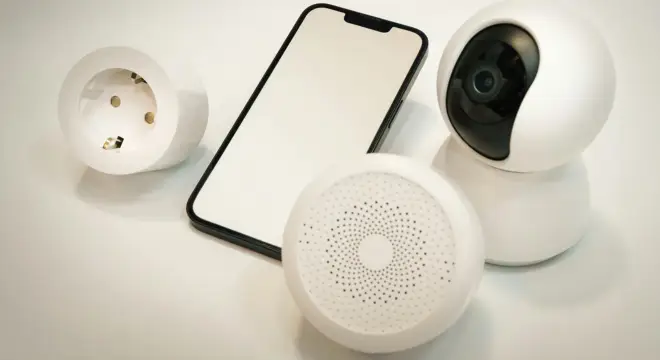
- Smart Wi-Fi alarms – These connect to your phone and send push notifications the moment moisture is detected.
- Integrated smart home systems – These go further by automatically shutting off water to prevent flooding.
- Placement-specific detectors – Designed for targeted areas like basements, under sinks, near washing machines, or along main plumbing lines.
Choosing the right type is about matching your home’s risk zones with the level of protection you want.
Where Water Alarms Actually Protect Your Home (and Why It Matters)
This is where the value really hits home. Water alarms aren’t just a kitchen gadget—they guard the areas where damage is most likely to occur:
- Plumbing and appliance leaks – Washers, dishwashers, and water heaters are common culprits. Appliances are especially risky because small mistakes can escalate quickly—like these common dishwasher errors that nearly caused a house fire, which we broke down in our guide on dishwasher mistakes homeowners often ignore.
- Hidden/behind-wall leaks – Slow leaks behind walls can quietly cause mold and structural damage.
- Basement and flood zones – If your basement is prone to storm or groundwater ingress, alarms give early alerts to prevent disaster. Water alarms are just one layer of protection, and when you zoom out, long-term safety also depends on planning and regulation—something we explored in detail while discussing how better housing laws can reduce future disaster damage.
- Frozen pipe scenarios – Winter cracks can flood your home fast. Early detection gives you time to act.
I like to think of these alarms as a silent, vigilant guardian for every vulnerable corner of your home.
Quantifiable Benefits: Money, Safety, and Peace of Mind

Numbers speak louder than promises, and here’s why I always recommend water alarms:
- Avoided repair costs – Homes with early detection can prevent water damage costs of $11,000 or more.
- Insurance advantages – Fewer claims and potential premium reductions mean the device can pay for itself.
- Health and mold prevention – Catch leaks early and stop mold before it spreads.
- Reduced claim events – Studies suggest homes with sensors see 93–96% fewer severe water claims.
For me, these numbers make it clear: a water alarm isn’t just a nice-to-have. It’s a practical investment that saves money, stress, and even health headaches.
Smart Installation and Best Practices
When it comes to water alarms, placement is everything. I’ve learned that even the smartest device won’t help if it’s in the wrong spot. Here’s what works best:
- Under sinks and near water heaters – These are the most common sources of leaks.
- Laundry room – Washing machines and their hoses are notorious for slow drips that go unnoticed.
- Basement or low-lying areas – Any place prone to flooding or condensation benefits from early detection.
If you’re integrating alarms into a smart home, make sure your Wi-Fi signal reaches all the sensors, or consider a range extender. I also pay attention to battery vs. wired options—battery-backed devices give peace of mind during power outages, while wired systems are more reliable long-term.
If you travel often or leave your home unattended, it’s also smart to reduce other hidden risks—this guide on unplugging devices before a trip to avoid disasters pairs perfectly with water alarms to protect your home while you’re away.
Cost vs Value: Breaking Down the Investment
Let’s talk money—you’re probably wondering if this is worth it. Here’s what I usually tell people:
- Price ranges – Basic alarms start around $10, smart Wi-Fi models are $50–$100, and advanced auto-shutoff systems can go higher.
- Long-term savings – You save on potential repair bills, water waste, and even insurance premiums.
- ROI example – Spending a few hundred dollars on sensors could prevent $10,000+ in damage, making the investment almost a no-brainer.
For me, the math is simple: a small upfront cost can save you stress, money, and weeks of hassle.
Common Misconceptions About Water Alarms
Even smart homeowners can have doubts. Here are the myths I hear most:
- “It’s too expensive” – When you compare the cost to potential repairs, alarms are actually cost-effective.
- “I’ll notice a leak myself” – Hidden leaks, slow drips, and frozen pipes often go unnoticed until serious damage occurs.
- False alarms – Modern systems allow calibration, so you won’t be constantly woken up by minor splashes.
Addressing these upfront helps you feel confident in your decision.
Next Steps — How to Choose the Right Water Alarm for Your Home

I like to break the choice down with a mini checklist:
- Home size – More sensors for larger homes.
- Risk zones – Basements, laundry rooms, and water heaters first.
- Type of system – Smart vs. basic, passive vs. automatic shutoff.
If you want detailed guidance on matching the right system to your home, ADT’s water alarm guide is a great place to start.
Bonus: Smart Home Integrations That Amplify Protection
For those who love tech, water alarms can be part of a bigger system:
- Voice assistant alerts – Your smart speaker can announce leaks immediately.
- Automation rules – Sensors can trigger auto-shutoff valves or notifications to family members.
- Data logging – Track leak patterns over time and spot recurring problems before they escalate.
These integrations turn a simple alarm into a full home protection network.
Conclusion
Protecting your home from water damage doesn’t have to feel overwhelming. A well-placed water alarm gives you control, confidence, and real savings. I’ve seen firsthand how early detection prevents thousands in repair costs and avoids long-term headaches.
Now it’s your turn—have you considered adding water alarms in your home? Share your experiences or questions in the comments below. And if you want more practical home improvement advice, check out Build Like New, where we break down smart ways to keep your home safe, functional, and looking fresh.
Disclaimer: This article is for general informational purposes only. I’m sharing practical insights based on research and real-world experience, not professional plumbing, insurance, or legal advice. Always consult a qualified professional or your insurance provider before making installation or coverage decisions for your home.