Why Residents Are Getting Paid to Replace Lawns With Wildflowers
A perfectly trimmed green lawn has always been seen as the standard of a well-kept home. It looks clean, organized, and under control.
But behind that image lies a different reality. Lawns consume large amounts of water, depend on chemicals, and offer almost no benefit to the environment.
That is exactly why Pennsylvania is encouraging residents to replace traditional grass with wildflowers. What sounds unusual at first is actually part of a much bigger plan to solve real environmental and economic problems.
Why Pennsylvania Wants You to Ditch Your Lawn
We’ve all grown up thinking a perfect lawn means success. Clean, green, neatly cut grass.
But that “perfect” lawn comes at a cost.
Traditional lawns eat up water, need constant mowing, and depend on fertilizers and chemicals.
Even small habits like mowing at the wrong time can make things worse, which is why understanding proper lawn mowing etiquette rules every homeowner should know matters more than most people think.
Over time, they drain money and quietly harm the environment.
Pennsylvania isn’t just encouraging change for aesthetics. They’re trying to replace a system that no longer makes sense.
What the Pennsylvania Wildflower Program Actually Is
The Lawn to Habitat Program is simple in idea but powerful in impact.
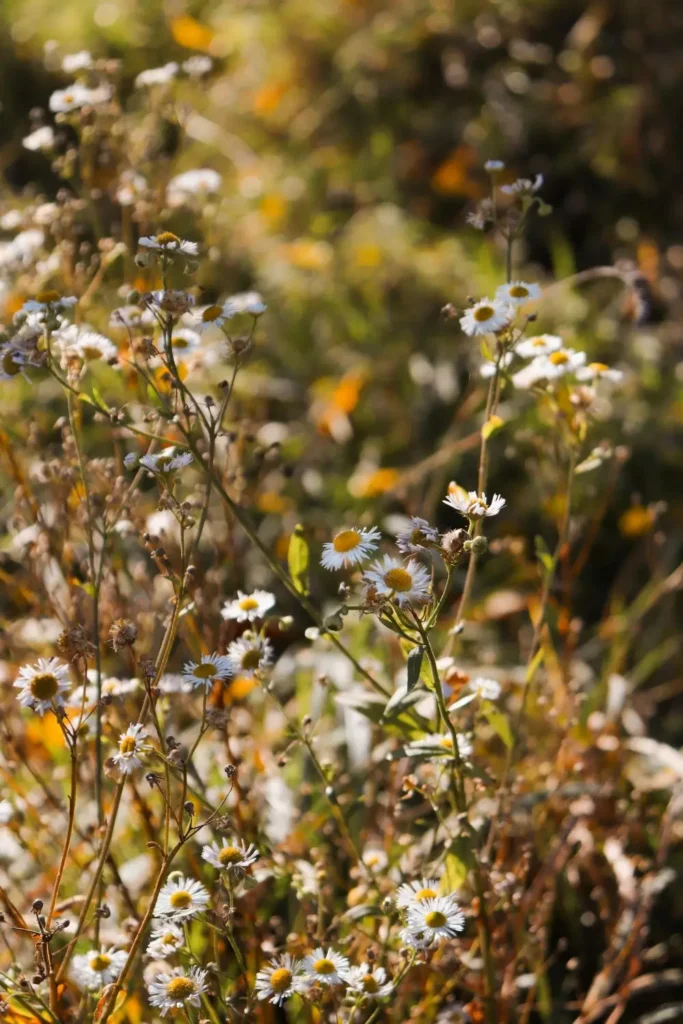
Instead of maintaining turf grass, residents are encouraged to convert parts of their yard into native wildflower meadows. The state supports this by offering free meadow kits, guidance, and sometimes financial help.
But here’s the key thing most people miss.
You’re not being “paid” like a job. You’re being supported to switch to something more sustainable.
And that shift changes everything.
The Real Reason Behind This Initiative
This is where it gets serious.
Pennsylvania is under pressure to meet environmental targets tied to the Chesapeake Bay. Too much runoff from lawns is polluting water systems.
At the same time, pollinators like bees and butterflies are declining fast.
According to this report on USDA, nearly one third of food production depends on pollinators. Losing them is not just an environmental issue, it’s a food system problem.
That’s the real reason this program exists.
Not flowers. Survival.
What Lawns Are Really Costing You
Most homeowners don’t track this, but they feel it.
Water bills, lawn equipment, fertilizers, time spent mowing every weekend. It adds up.
A lot of these costs increase because of simple mistakes that most people don’t even realize they’re making, as explained in this guide on DIY lawn care mistakes.
Switching to a meadow changes that equation.
No regular mowing. No chemicals. Much lower water use.
There is an upfront effort, but over time, the savings are real.
And more importantly, you’re no longer maintaining something that gives nothing back.
What Happens When You Convert Your Lawn
This is where expectations matter.
Year one won’t look pretty. It may even look messy.
That’s normal.
By year two, plants start settling in. By year three, you begin to see a full ecosystem. Flowers, insects, birds.
At that stage, many homeowners start exploring creative outdoor setups similar to thes stunning fall garden ideas to transform your home instantly.
It’s not instant beauty. It’s slow transformation.
And that’s exactly why many people quit too early.
Many homeowners are now sharing real progress updates and before-after results in private community discussions, which makes it easier to understand what to expect at each stage.
Why This Matters
Here’s the bigger picture most articles miss.
Lawns across the US cover millions of acres. They don’t support wildlife, they don’t absorb water well, and they increase pollution.
Programs like this are trying to reverse that at scale.
According to the EPA, stormwater runoff is one of the leading causes of water pollution. Native plants with deep roots help absorb that water instead of letting it flow into rivers carrying chemicals.
If enough people make this shift, it changes how cities handle water, climate, and biodiversity.
That’s why this matters.
If you want to understand how the program is being positioned publicly, you can check this detailed breakdown on why Pennsylvania is paying residents to grow wildflowers
So, Should You Do It
This isn’t for everyone.
If you want a perfectly trimmed lawn and quick results, this will frustrate you.
But if you’re open to a different kind of beauty, one that changes over time and supports nature, it’s worth considering.
Start small. Even a corner of your yard can make a difference.
Final Thoughts
This program isn’t really about wildflowers.
It’s about rethinking what we value in our homes and our surroundings.
And maybe, just maybe, realizing that the neat green lawn we’ve been chasing isn’t the best option after all.
If this got you thinking, drop your thoughts in the comments. Would you ever replace your lawn with a wildflower meadow?
And if you want more such real, no-nonsense insights, check out my website Build Like New where I break down trends that actually matter.
If you want more practical insights like this, you can also follow updates on X and join the conversation on Facebook.
Disclaimer: This article is for informational purposes only. Program details may change, so always verify through official sources before taking action.