Texas Governor Declares Emergency for 101 Counties as Tropical Storm Arthur Floods Neighborhoods
Arthur did not give anyone much time to prepare.
The storm formed just offshore and made landfall on the Texas coast within hours of being named, becoming the first tropical storm of the 2026 Atlantic hurricane season. Most storms give you days to brace. Arthur gave Houston a few hours.
Sustained winds hit 40 mph, with gusts up to 45 mph tearing through the region. The National Weather Service issued a Flash Flood Warning for the Houston metro area almost immediately. But the wind was never the real threat here. It never is in Houston. The water was.
How Arthur Came Together So Fast
This was not one rogue weather system. It was several colliding at once.
Remnant moisture from Pacific Tropical Storm Cristina merged with a tropical wave from Africa, a stalled weather front, and a jet stream all converging over the Gulf.
When those conditions line up, the atmosphere stops moving rain through and starts holding it in place. The result is not a fast-moving storm. It is a slow pour over the same neighborhoods for hours.
Sea surface temperatures above 83.5 degrees Fahrenheit off the Texas coast accelerated the whole process.
By the time the National Hurricane Center upgraded it from a potential tropical cyclone to a named storm on June 17, it was already sitting on top of Southeast Texas.
What Happened on the Ground
The flooding did not wait for an official announcement.
In Weslaco, six inches of rain pushed floodwater into homes on June 15, two days before Arthur was even named.
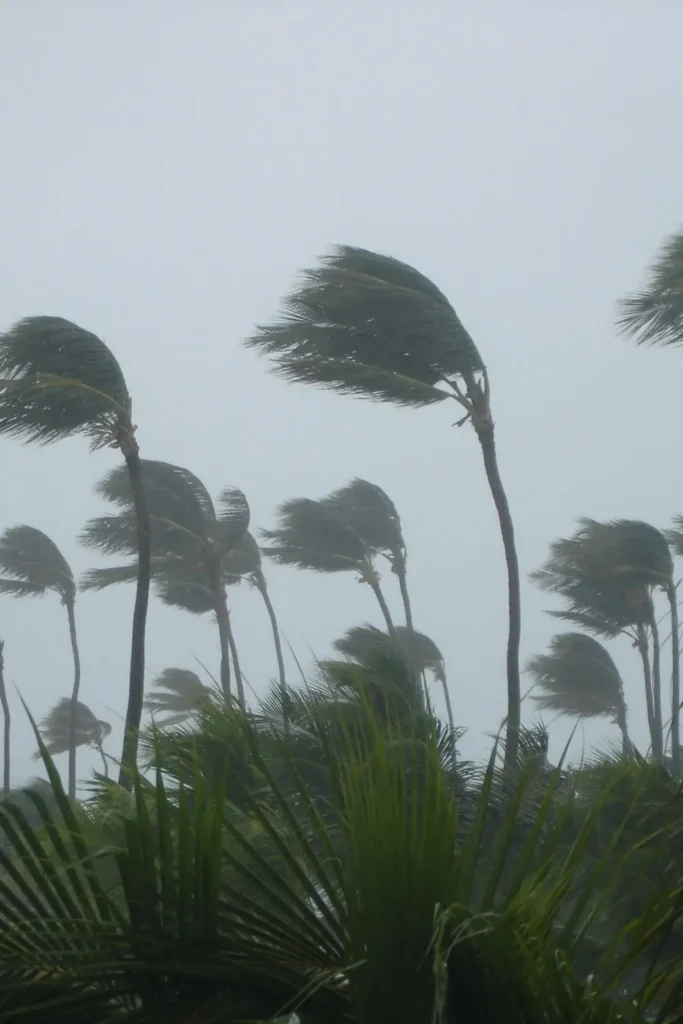
By the time the storm peaked, over 8 inches had fallen in parts of Freeport and Clute in Brazoria County. More than 9,000 customers lost power across South Texas. Another 2,000 went dark in Galveston and Texas City.
A 15-year-old was found dead after unknowingly walking into a flooded retention pond near Houston. Two people were rescued from a vehicle stranded in rising floodwater in Freeport. Governor Greg Abbott declared a state of emergency for 101 Texas counties.
The storm also hit Houston at a uniquely chaotic moment. FIFA Fan Fest Houston was delayed until 6:30 p.m. Tuesday because of the weather.
The Portugal vs. DR Congo World Cup match day became a scramble as rain fell at 2 to 3 inches per hour across the metro. FIFA issued a statement saying they were “ready to apply established contingency protocols should extreme weather events occur.”
For a full look at Arthur’s path, radar maps, and on-the-ground photos from across the affected region, Realtor.com’s live storm coverage has a detailed breakdown worth checking.
Why Houston Floods the Way It Does
Here is the part most storm coverage never explains.
Harris County Flood Control Director Mike Lindner told reporters plainly after Arthur: Houston streets are built to flood. That is not a failure of infrastructure.
That is how the system is designed to work, moving water off streets and away from homes. As he put it, after the rain stopped, the streets cleared within one to two hours.
This time, the system held. Rain came in rounds with breaks in between, which gave bayous and creeks time to move the water out. Harris County saw heavy street flooding, but no widespread structural flooding inside homes.
That outcome is not a guarantee. Tropical Storm Allison in 2001 flooded 70,000 homes in Houston, took 50 lives, and caused 8.5 billion dollars in damage with winds under 50 mph.
Wind category tells you almost nothing about what a storm will do to Houston. Rainfall rate and timing tell you everything.
If you want to track how storms like Arthur affect real estate and property values in real time, the WhatsApp channel that covers these stories as they develop, framed around what actually matters to homeowners.
Why This Matters
Arthur moved on quickly. The financial reality for Houston homeowners does not.
In February 2026, FEMA released new draft flood maps for Harris County, the first comprehensive update since 2007.
The new maps reflect a 30% increase in rainfall rate assumptions, based on what actually happened during Harvey, Allison, and Imelda.
Under the proposed changes, over 170,000 additional properties and roughly 50 billion dollars in real estate assets would move into high-risk flood designations. As of early 2026, 82% of Harris County’s housing stock has no flood insurance at all.
The property value consequence is real and long-lasting. Research shows a 32% gap in appreciation rates between flooded and non-flooded Houston neighborhoods, a difference that persisted for years after Harvey.
And nearly three-quarters of the homes that flooded during Harvey were outside the 100-year floodplain at the time. The flood zone label on your property is not a promise. It is an estimate built on data that is two decades old.
For a detailed breakdown of how the new Harris County flood map changes could affect property values and insurance requirements, Neptune Flood’s 2026 Harris County analysis is one of the most thorough reads available right now.
Flood insurance through the NFIP in Houston currently runs between 769 and 1,553 dollars annually. That number is going up.
And if your home floods without coverage, standard homeowner’s insurance will not help you. Flood damage requires a separate policy, and most Houston homeowners do not have one.
Key Takeaways
- Arthur made landfall June 17, 2026 as the first named Atlantic storm of the season
- Gusts reached 45 mph, rain fell at 2 to 3 inches per hour at peak
- Over 8 inches of rainfall recorded in parts of Brazoria County
- State of emergency declared for 101 Texas counties
- At least 2 fatalities confirmed in the region connected to flooding
- Harris County avoided widespread structural flooding due to timed rain breaks and drainage preparation
- 82% of Harris County homes currently carry no flood insurance
- Over 170,000 additional Houston-area properties may soon be reclassified as high-risk under new FEMA draft maps
What do you think Houston needs to do differently to protect homeowners before the next storm hits?
Should flood maps be updated faster, or is the bigger problem that too many people are buying in flood-prone areas without the full picture? Drop your take in the comments. Genuinely curious what people think about this one.
Wrapping Up
Arthur weakened fast. By Thursday, Houston had already shifted from flood watches to heat advisories. The storm came and went in under 48 hours.
What does not leave that quickly is the question sitting with every Houston homeowner right now: is my home actually protected, or am I one slow-moving storm away from finding out it is not?
If this kind of story interests you, Build Like New covers real estate market shifts, weather impacts on property, and the financial realities behind the stories that make headlines. Worth bookmarking if you want more than just the radar update.
For more stories like this in real time, follow Build Like New on X (Twitter) and join the conversation over on the Facebook community. That is where these stories get discussed as they break.
Disclaimer: This article is for informational purposes only. All details are based on publicly available reports as of June 18, 2026.