Two Arrested After Road Rage Incident Destroys Home and Kills Dog
I still remember scrolling through the news that morning and feeling a knot in my stomach. A road rage incident in Hillsboro, Oregon, had turned tragic—what started as a heated exchange between drivers ended with a car smashing into a family’s fence and, heartbreakingly, the death of their dog, Kimbo. Reading Juan Aguilar’s words about kneeling by his pet and saying goodbye hit me hard.
This wasn’t just another traffic story; it was a real family, a home violated, and a life lost in a moment of uncontrolled anger. As you read on, I want to take you through exactly what happened, why these situations spiral out of control, and how you can protect yourself from ever being part of a story like this.
Timeline of Events — From Road Rage to Tragedy
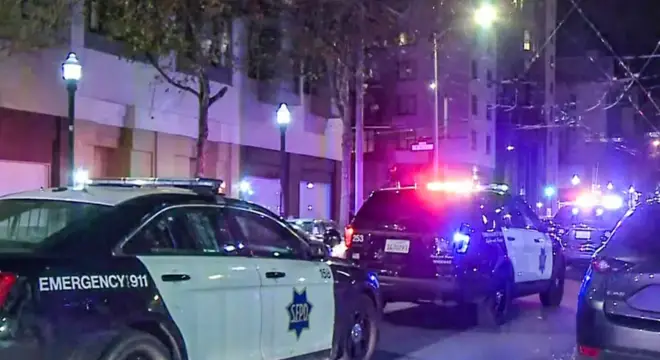
You can imagine the fear on that Thursday morning near Northeast Cornell Road when a routine drive turned into chaos. The driver, already aggressive, threatened another motorist with a gun. I keep thinking about how quickly a normal commute can spiral out of control. Hillsboro police spotted the suspect’s car near NE 15th Avenue.
While they managed to detain the passenger, the driver didn’t stop—he sped away, fleeing the officers and ultimately crashing into the Aguilar family’s fence. That collision wasn’t just property damage; it took the life of their dog, Kimbo.
Incidents like this aren’t isolated — I’ve covered similar property damage before, like when a truck smashed a house in Hillsboro, forcing a gas leak and road closure, showing how quickly accidents escalate into bigger emergencies. Reading Juan Aguilar’s reaction—kneeling beside his pet and saying goodbye—makes it impossible not to feel the weight of this tragedy.
Police Response and Charges Filed
When I dug into the details, it became clear how seriously law enforcement treated this incident. Both the driver and passenger had guns in their possession, and officers also found a large quantity of drugs with the passenger.
The driver is now facing multiple charges, including animal abuse, criminal mischief, and fleeing police. Oregon law takes these crimes seriously, and the potential penalties can be steep. If you want to see the official police account and the charges in detail, the Hillsboro Police Department press release lays everything out clearly.
Victim Perspective — Loss and Forgiveness
When I read Juan Aguilar’s words, it hit me more than any statistic ever could. He didn’t just lose a fence or deal with a damaged yard — he lost a companion. Kimbo wasn’t “just a dog.” He was part of their daily life, the kind of loyal presence you don’t realize you rely on until it’s gone. Juan described how he knelt beside him after the crash, petting him and wishing he could have done something more. That moment, raw and unfiltered, is what this story is really about.
What struck me most was Juan’s choice to forgive. Even knowing the driver was reckless and caused so much pain, he said he hopes the person reflects on what he’s done and finds peace within himself. That’s not a legal response — it’s a deeply human one. And when Juan buried Kimbo in the spot where he was happiest, you see how personal this loss really is. It reminds you that behind every headline are real people and real grief.
The Broader Problem — Road Rage in Oregon and the U.S.
You might think this kind of incident is rare, but road rage isn’t an isolated problem. At its core, road rage means aggressive or violent behavior by a driver toward another vehicle or person, often in response to a driving situation. Legally, it can encompass everything from shouting and tailgating to threats with weapons and intentional collisions.
According to reporting from KPTV, the Hillsboro incident began with a gun threat between drivers and escalated into a police chase and deadly crash — a stark example of how quickly anger can escalate.
National data shows that hundreds of people are injured or killed each year in violent encounters on the road. Situations like this remind me of other local emergencies, like the house fire in New Abbey that closed roads temporarily, where quick response and awareness made all the difference. In Oregon, traffic authorities have noted an uptick in aggressive driving reports over recent years, mirroring trends seen across the U.S.
These incidents can result in serious injury, property damage, and, as we see here, loss of life — whether human or animal. If you want real-time updates and tips about local incidents and safety alerts while on the go, I often share quick updates through my WhatsApp updates — it’s an easy way to stay informed without waiting for the news to catch up.
What’s important for you to know is that road rage isn’t just about bad driving. It’s about emotional control, stress, and how quickly a moment of frustration can turn into tragedy.
Why Road Rage Escalates
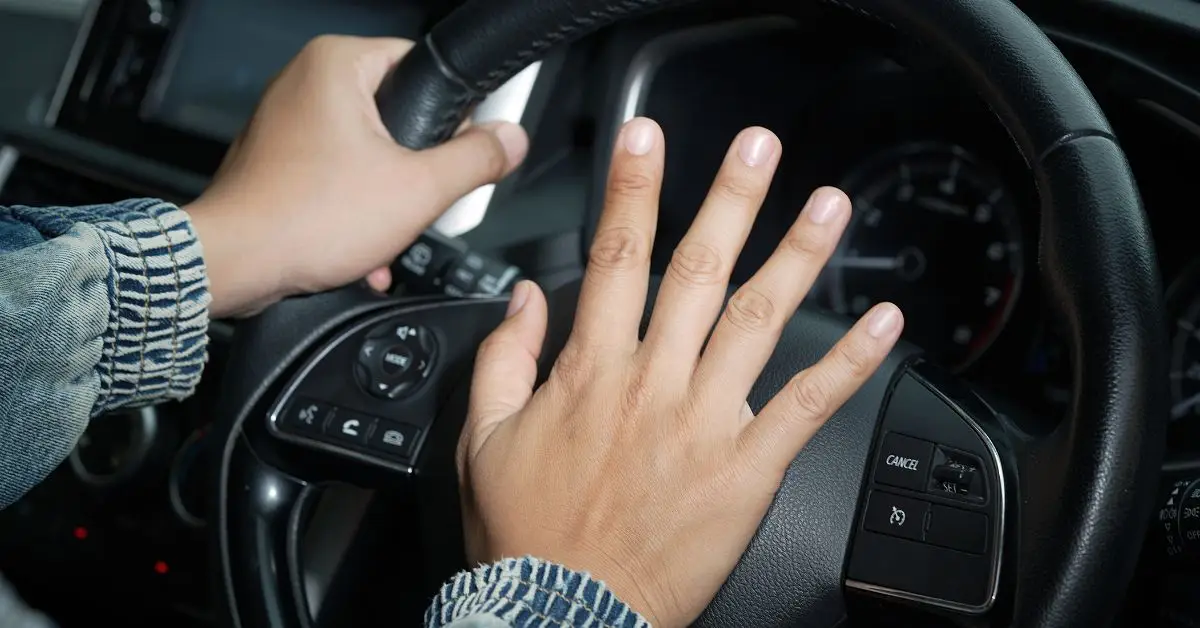
If you’ve ever been stuck in traffic and felt your temper rise, you’re not alone — and that momentary frustration is part of what can turn a simple commute into a dangerous scene. Road rage isn’t just another driving annoyance. It’s aggressive behavior that happens when someone behind the wheel loses emotional control and reacts to perceived slights with hostility or danger.
Experts explain that this out-of-control anger can be triggered by stress, congestion, running late, or feeling boxed in by other drivers. People who are already overwhelmed are more likely to interpret normal driving behavior as hostile and escalate quickly.
The good news is there are practical ways to prevent escalation. Traffic psychologists emphasize that staying calm and avoiding engagement with an aggressive driver is key. You can learn more about strategies to prevent road rage on RAC’s guide to handling road rage. Understanding these triggers and responses can help you anticipate tense situations and stay safe on the road.
What Drivers Should Know — Road Rage Safety Guide
When things on the road start getting heated, your instinct might be to respond — but here’s the truth: staying safe is far more important than proving a point. Your goal isn’t to “win,” it’s to protect yourself and those around you.
How to Avoid Confrontation on the Road
- Give yourself extra time so you’re not stressed before driving.
- Keep plenty of space between your car and others, especially in traffic.
- Let aggressive drivers pass rather than matching their behavior.
Steps if Confronted by an Aggressive Driver
- Stay calm and keep your hands on the wheel — avoid gestures or eye contact.
- Pull over slowly in a safe, populated area if you feel threatened.
- Call law enforcement if the driver is following, threatening, or using a weapon.
When to Report vs. Handle It Yourself
- Report: threats, weapons, chasing, or dangerous driving.
- Handle yourself: minor annoyances like honking or brief tailgating — let them pass and focus on your driving.
Quick Safety Checklist Before You Drive
- Plan your route and give yourself extra time.
- Check traffic conditions in advance.
- Keep your phone out of reach to avoid distraction.
- Remember: staying calm can prevent a tragedy.
Legal and Safety Takeaways
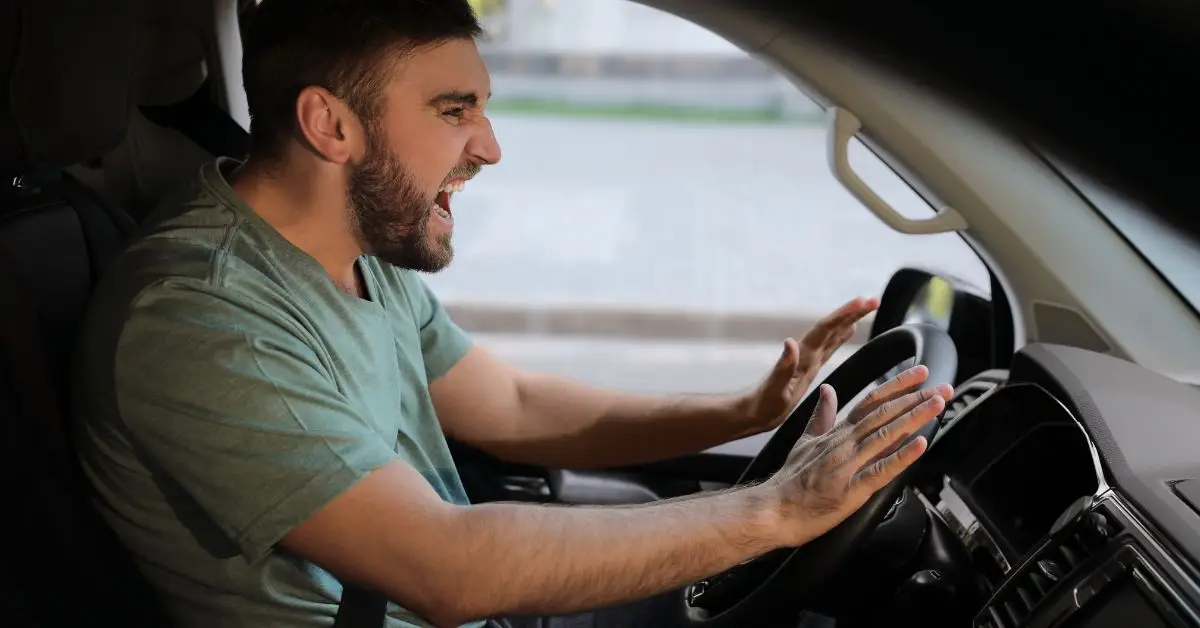
Reading about what happened in Hillsboro makes it clear that road rage isn’t just reckless — it carries real legal consequences. Drivers involved in aggressive behavior can face charges ranging from property damage and animal cruelty to assault or weapons violations. Using dashcams or even your phone to document encounters can be critical if a situation escalates — evidence matters more than you might think.
Similar challenges are seen outside Oregon too, such as when a home in Broadview Heights, Ohio, was destroyed, prompting a full investigation, highlighting the importance of documenting incidents for legal follow-up.
Cities like Hillsboro, and others across the U.S., are taking road rage seriously. Police and prosecutors are more willing than ever to pursue aggressive drivers, especially when pets or people are harmed. You and I both need to understand that these aren’t minor infractions; ignoring them can put lives at risk and leave you with severe legal repercussions.
Reflection and Moving Forward
As I think about this story, one thing stands out: responsible driving is about more than following the speed limit. It’s about managing your emotions, protecting yourself and your community, and making sure a moment of anger doesn’t turn into a lifetime of regret. Road rage tragedies like this remind us how fragile safety can be and how easily things escalate when tempers boil over.
Juan Aguilar’s forgiveness and care for Kimbo also teach a powerful lesson — even in tragedy, empathy and reflection matter. I hope you take a moment to think about how you respond behind the wheel and how you can influence others positively.
I’d love to hear your thoughts on this. Have you ever faced a road rage situation, and how did you handle it? Share your experiences in the comments below. And if you want more practical advice, safety tips, and guides for preventing accidents and protecting your home, check out Build Like New — it’s a resource I trust to help people stay informed and prepared.
If you want to stay updated on safety tips, local incidents, and practical guides like this, you can follow us on X and join our Facebook community for more discussions and real-time updates.
Disclaimer: The information in this article is based on verified news reports and official sources. The individuals involved are presumed innocent until proven guilty in a court of law. Details may evolve as investigations continue.