10 Everyday Household Items You Should Clean With Alcohol and Water
You probably have a bottle of rubbing alcohol sitting under your sink right now.
Most people use it for cuts, maybe to wipe a phone screen — and that’s it. But when you mix rubbing alcohol with water the right way, it turns into one of the most useful (and affordable) cleaning solutions in your home.
The problem? A lot of advice online is either too vague or flat-out risky. Some articles list random uses without explaining what’s actually safe. Others skip over surfaces that can get damaged if you’re not careful. And almost no one talks clearly about why dilution matters.
So let’s fix that.
If you’re wondering what you can clean with rubbing alcohol and water — without ruining your countertops, electronics, or finishes — I’m going to walk you through the surfaces that are genuinely safe, where it works best, and where you should absolutely avoid it.
By the end, you’ll know exactly when to reach for that bottle… and when to put it back.
Before we jump in, quick question — are you using 70% isopropyl alcohol at home, or something stronger?
Why Rubbing Alcohol and Water Make an Effective Cleaning Solution
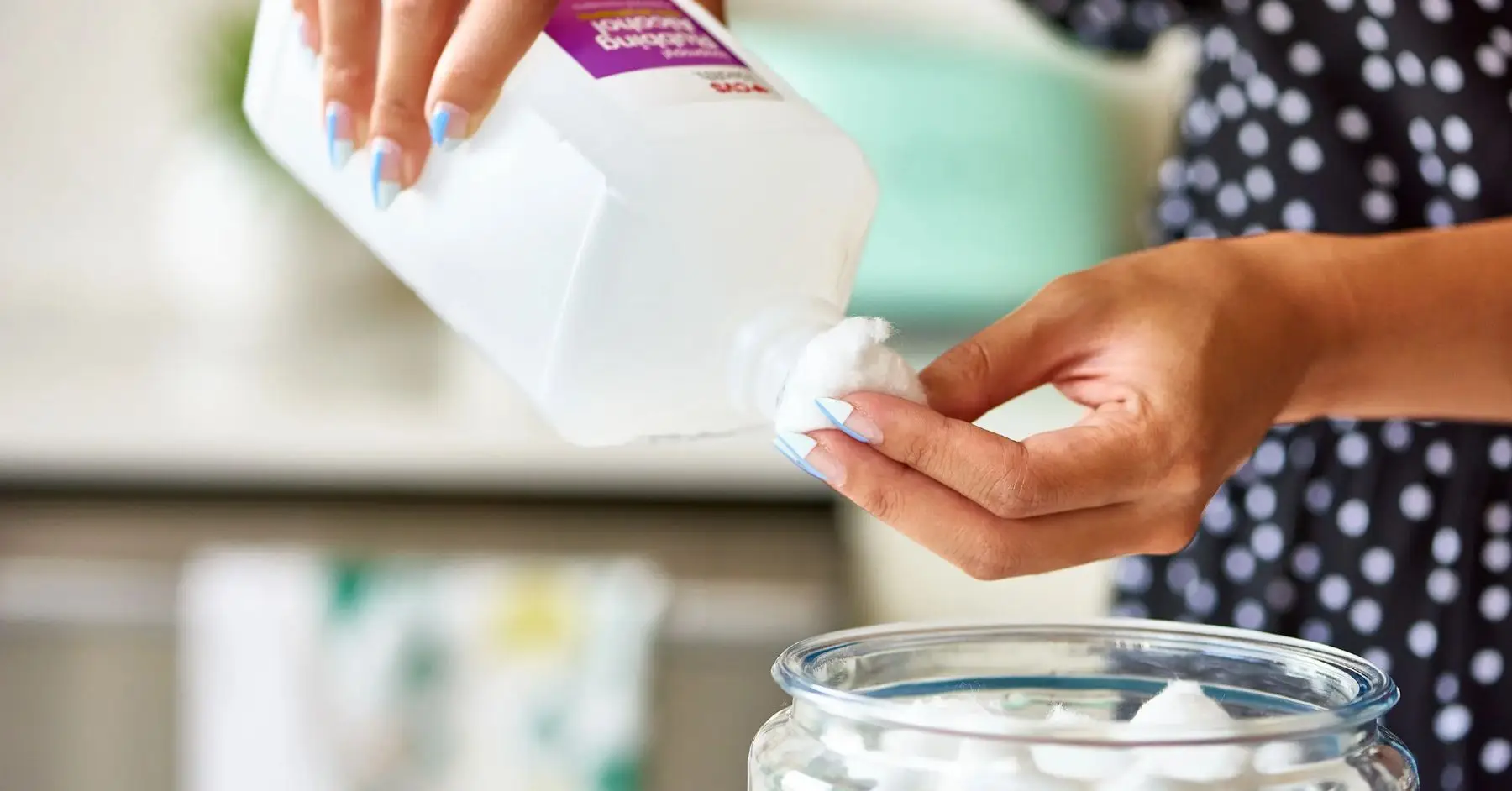
When I talk about cleaning with rubbing alcohol and water, I’m not just suggesting a quick DIY hack — there’s a real reason this combo works so well.
Rubbing alcohol (isopropyl alcohol) has disinfecting properties that help break down oils, grime, and many microbes on hard surfaces. That’s one reason the EPA includes alcohol-based solutions on its list of disinfectants for household surfaces.
But here’s what most people don’t explain clearly: using pure alcohol isn’t always ideal.
When you mix rubbing alcohol with water the right way, a few important things happen:
- Better contact time: A small amount of water slows evaporation just enough so the solution stays on the surface longer — which helps it break things down more effectively.
- Safer for more surfaces: Straight alcohol can strip finishes or damage coatings. Dilution makes it gentler without losing cleaning power.
- Quick drying, streak-free results: Alcohol evaporates fast, so you avoid water spots on glass, metal, and smooth surfaces.
- More even cleaning: Alcohol and water spread smoothly over surfaces, making it easier to capture dirt and grime instead of just pushing it around.
1. High-Touch Household Surfaces (Doorknobs, Light Switches, Drawer Pulls)
If you want the biggest impact with the least effort, start here.
I always tell people: clean what you touch the most. Doorknobs, light switches, cabinet handles — these spots collect oils, fingerprints, and bacteria fast.
A diluted rubbing alcohol solution works well because it:
- Cuts through skin oils instantly
- Disinfects without leaving sticky residue
- Dries quickly, so you’re not left with damp metal or plastic
Spray your cloth — not the surface — and wipe thoroughly. Let it air dry.
This is one of the smartest weekly habits you can build.
2. Glass and Mirrors (Windows, Bathroom Glass, Shower Doors)
If you’ve ever struggled with streaky mirrors, this is where alcohol shines.
I use a light alcohol-and-water mix on mirrors and glass because it evaporates fast. That quick drying time is what prevents streaks and water spots.
It works especially well for:
- Bathroom mirrors
- Glass shower doors
- Window smudges
- Makeup splatter
Use a microfiber cloth and buff lightly. You’ll notice the difference immediately. If you want a simple routine that keeps your entire bathroom under control, this complete bathroom cleaning checklist (daily, weekly, and monthly) can make maintenance much easier.
3. Electronics Exterior (Keyboards, Remote Controls, Phones)

Electronics get handled constantly — and rarely cleaned properly.
Before you do anything, power the device off. Always.
Then:
- Lightly dampen a cloth (never spray directly on the device)
- Wipe keys, remote buttons, and phone exteriors
- Avoid ports and openings
Alcohol is commonly used for electronics because it evaporates quickly and reduces moisture risk. In fact, Apple’s cleaning guidance allows isopropyl alcohol wipes for certain devices.
Still, gentle pressure matters. You’re cleaning — not scrubbing paint off.
4. Metal Fixtures (Faucets, Handles, Stainless Appliances)
If you want that clean, polished look without residue, this is one of my favorite uses.
Alcohol cuts through:
- Water spots
- Fingerprints
- Grease marks
And because it dries fast, stainless steel looks cleaner without streaking.
Just avoid abrasive pads. Soft cloth only.
5. Kitchen Sponges and Tools
Sponges can smell long before they look dirty.
Instead of waiting, I suggest disinfecting them regularly. You can lightly mist and let them air dry, or soak briefly in a diluted solution.
It’s also useful for:
- Tongs
- Small kitchen tools
- Non-porous utensils
This isn’t a replacement for deep cleaning — but it’s a smart in-between step.
6. Hard Non-Coated Plastics (Storage Containers, Bins)
Plastic bins, organizers, and storage containers often get ignored.
A diluted alcohol solution works well on hard, non-coated plastics. It removes grime and dries clean.
But here’s what I always recommend: Test a small hidden area first.
Some plastics can dull or discolor. If it looks fine after drying, you’re safe to continue.
7. Nail Clippers and Small Personal Tools

We clean our counters — but forget our personal tools.
Nail clippers, tweezers, and grooming tools can benefit from a quick wipe-down. Alcohol helps sanitize without soaking the tool in water.
It’s a simple hygiene habit that makes a real difference.
8. Thermometers & Personal Care Items
Whether at home or traveling, thermometers and certain personal care tools can be wiped with a diluted alcohol solution.
Still, I always suggest checking the manufacturer’s instructions first. Some devices have specific coating or material requirements.
When approved, alcohol works well because it disinfects and dries fast.
9. Dry-Erase Boards, Sticker Residue, and Label Cleanup
This is where many cleaning lists fall short.
If you’ve got ghost marks on a whiteboard or stubborn sticker residue on glass or plastic, alcohol can break it down quickly.
Apply a small amount to a cloth and gently rub the area. It lifts adhesive without leaving greasy film.
This is one of those underrated uses most people don’t think about.
10. DIY Multi-Surface Spray Tips (Glass, Hard Countertops)
If you’re mixing your own solution, the application matters just as much as the ingredients.
Here’s what I recommend:
- Use about 70% isopropyl alcohol diluted slightly with water
- Pour into a clean spray bottle
- Spray the cloth — not delicate surfaces
- Wipe evenly and let air dry
Many cleaning discussions online show people overspraying directly onto surfaces — especially electronics and stone. That’s where damage happens.
You don’t need to soak anything. A light, controlled application is enough.
Surfaces to Avoid with Rubbing Alcohol and Water
This is the part most people skip — and it’s where damage usually happens.
Just because rubbing alcohol cleans well doesn’t mean it’s safe everywhere. I’ve seen finishes dull, coatings peel, and surfaces dry out simply because someone assumed “it disinfects, so it must be fine.”
Here’s where you need to be careful:
- Finished or varnished wood – Alcohol can strip protective sealants and leave cloudy patches.
- Painted surfaces – It may soften or lift paint, especially on cabinets and walls.
- Natural stone (granite, marble, quartzite) – Repeated use can weaken sealants and cause dulling.
- Leather – Alcohol dries it out fast, leading to cracks over time.
- Acrylic and coated plastics – It can cause haze or surface breakdown.
- Screens with special coatings – Some anti-glare layers can wear down.
Why does this happen?
Alcohol is a solvent. That means it doesn’t just break down dirt — it can break down protective finishes too. Over time, that adds up.
If you’re unsure, do this every time:
- Pick a small hidden area
- Apply a tiny amount
- Let it dry fully
- Check for discoloration, dullness, or texture change
No reaction? You’re likely safe.
If a surface isn’t suitable for alcohol, safer alternatives include:
- Mild dish soap + warm water
- Manufacturer-approved cleaners
- Stone-specific or wood-safe products
If you’re looking for gentler alternatives for delicate surfaces, you’ll appreciate these natural cleaning secrets using lemon juice that work surprisingly well.
For example, NoBroker’s cleaning guidance highlights that alcohol isn’t ideal for sealed wood and certain delicate finishes.
When in doubt, gentler is better.
Now let’s talk about how to actually mix and use this solution correctly — because ratio and method matter more than most people realize.
How to Prepare and Use Your Rubbing Alcohol Cleaning Mix
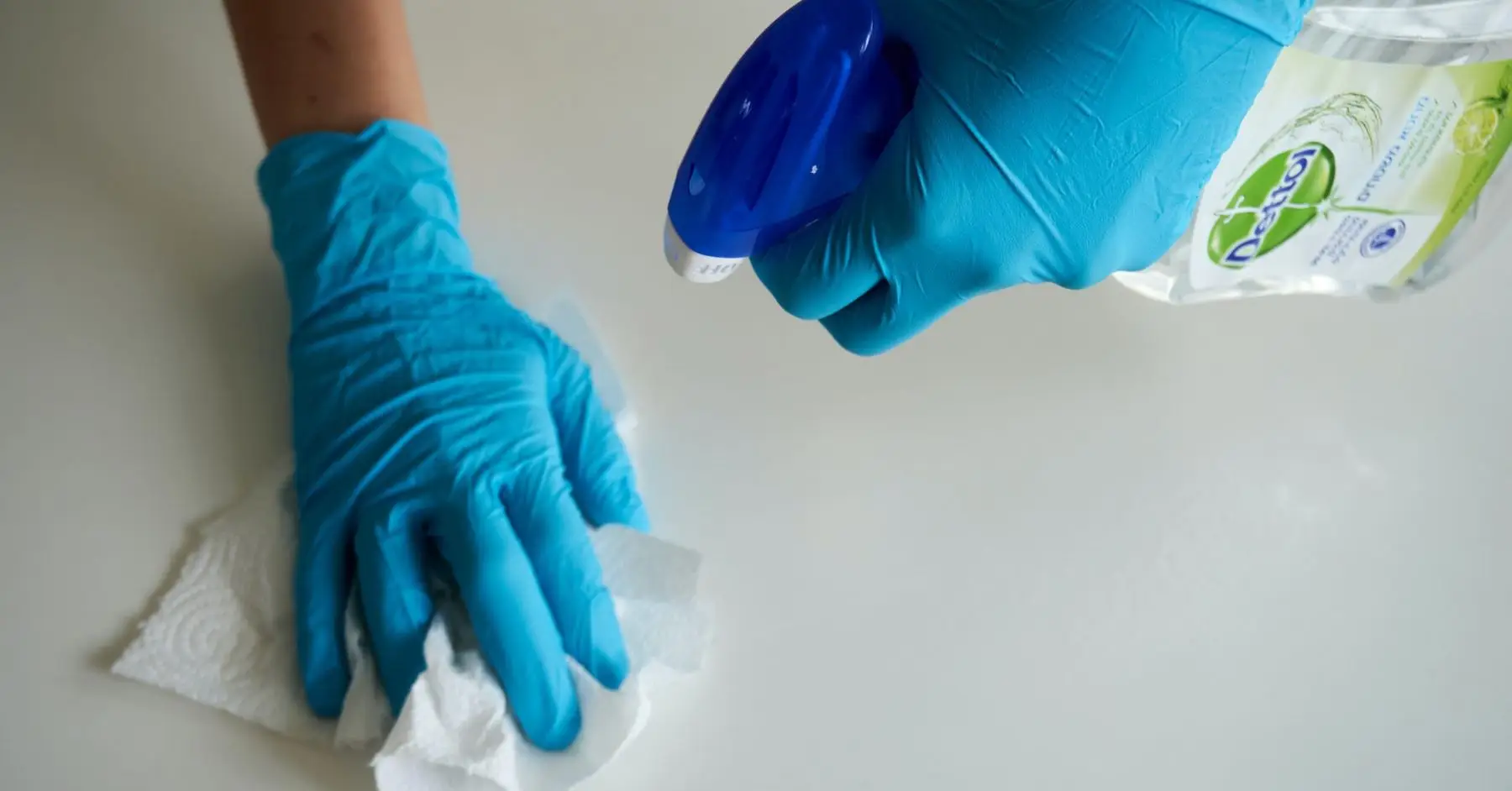
If you’re going to use it, use it properly.
I’ve seen people pour straight alcohol onto countertops or electronics. That’s not cleaning — that’s gambling.
Here’s a simple, safe approach:
Step 1: Choose the Right Concentration
For general surface cleaning, start with 70% isopropyl alcohol.
If you’re using 91% alcohol, dilute it slightly with water to bring it closer to 70%. That balance helps with effectiveness and surface safety.
Step 2: Mix Properly
A simple ratio many people use:
- 2 parts 70% rubbing alcohol
- 1 part water
Pour into a clean spray bottle and label it clearly.
Step 3: Apply the Smart Way
- Spray your cloth, not the surface (especially for electronics and delicate areas)
- Wipe evenly
- Allow the surface to air dry
- Ensure good ventilation
You don’t need to soak anything. A light, controlled wipe is enough.
Step 4: Let It Sit Briefly
For disinfecting, the surface should stay visibly damp for a short period before drying. That contact time matters.
Common mistakes I see people make:
- Overspraying
- Using it on unfinished wood
- Not testing first
- Mixing with other cleaners (never mix with bleach)
If you follow these steps, you’ll get the cleaning power without unnecessary damage.
Now that you know how to use it safely, there’s one more thing that makes this solution even more practical — a few smart, time-saving hacks most people overlook.
Time-Saving Hacks Using Rubbing Alcohol and Water
Once you understand how it works, you can use this mix smarter — not just for basic wiping.
These are a few practical tricks I use that most cleaning lists don’t fully explain.
Spot-Treat Grease Instantly
If you notice a small grease spot on a hard surface, don’t grab heavy cleaner right away.
Lightly dampen a microfiber cloth with your alcohol mix and blot the area. It cuts through oil fast without leaving residue. This works well on:
- Stove knobs
- Cabinet handles
- Appliance fronts
Quick wipe. Air dry. Done.
Freshen the Inside of Shoes
If your sneakers smell but don’t need a full wash, a light mist inside (never soaking) can help reduce odor-causing bacteria.
Let them air dry completely before wearing again.
This isn’t a substitute for deep cleaning — but it’s a solid between-wash reset. And if odor is something you constantly deal with, these expert-approved ways to make your home smell better instantly can help you go beyond quick surface fixes.
Deodorize Gym Bags and Non-Delicate Fabric Linings
People often ask about this in cleaning communities: can you use alcohol on soft surfaces?
For structured gym bags or non-delicate interiors, a very light mist followed by full air drying can help with odor control.
Always test first. And avoid delicate fabrics.
Best Uses and Real Precautions You Must Remember

If you remember nothing else, remember this:
Rubbing alcohol and water work best on:
- High-touch hard surfaces
- Glass and mirrors
- Stainless steel and metal fixtures
- Electronics exteriors (carefully)
- Non-coated hard plastics
It works because it cuts grease, disinfects, and dries fast.
But it’s not universal.
Avoid it on:
- Finished wood
- Natural stone
- Leather
- Painted surfaces
- Delicate coatings
And never mix it with other cleaners.
Sometimes plain dish soap and warm water are safer. Sometimes a surface-specific cleaner is the smarter choice. The goal isn’t to use one solution for everything — it’s to use the right solution for the right surface.
If you’ve been unsure about what you can clean with rubbing alcohol and water, now you have a clear, practical framework.
Now I’d love to hear from you:
Have you ever damaged a surface using the wrong cleaner — or found a surprisingly good use for rubbing alcohol at home?
Drop your experience in the comments.
And if you enjoy practical, no-fluff home improvement and cleaning advice like this, visit Build Like New for more guides that actually help you make smarter decisions at home.
Quick Safety Note: Rubbing alcohol is flammable and should always be used in a well-ventilated area. Never mix it with bleach or other household cleaners. Always test a small hidden spot before applying it to a full surface, and follow manufacturer guidelines for electronics, stone, or specialty finishes. If you’re unsure about a material, choose a surface-specific cleaner instead.