Authorities Confirm Identity of Woman Killed in Winn House Fire
A fatal house fire in Winn, Maine has claimed the life of 82-year-old Jean Fogg, according to officials from the Maine Department of Public Safety. The fire was reported around 1:28 a.m. on March 19 at a home on Route 168, where firefighters arrived to find the residence heavily engulfed in flames.
Five people were able to escape the house before emergency crews reached the scene, but they told responders that an elderly woman was still inside. Hours later, investigators located Fogg’s body in the debris. Authorities say the cause of the fire remains under investigation, and more details may be released as the case continues to be examined.
Timeline of the Fatal House Fire in Winn
Emergency Call Reported Around 1:28 a.m.
The emergency call came in around 1:28 a.m. on March 19. According to information shared by the Maine Department of Public Safety, the fire was reported at a home on Route 168 in Winn, Maine.
When you look at incidents like this, the timing matters. Most residential fires happen in the middle of the night when people are asleep, which makes escape much harder.
Firefighters Arrived to Find the Home Fully Engulfed
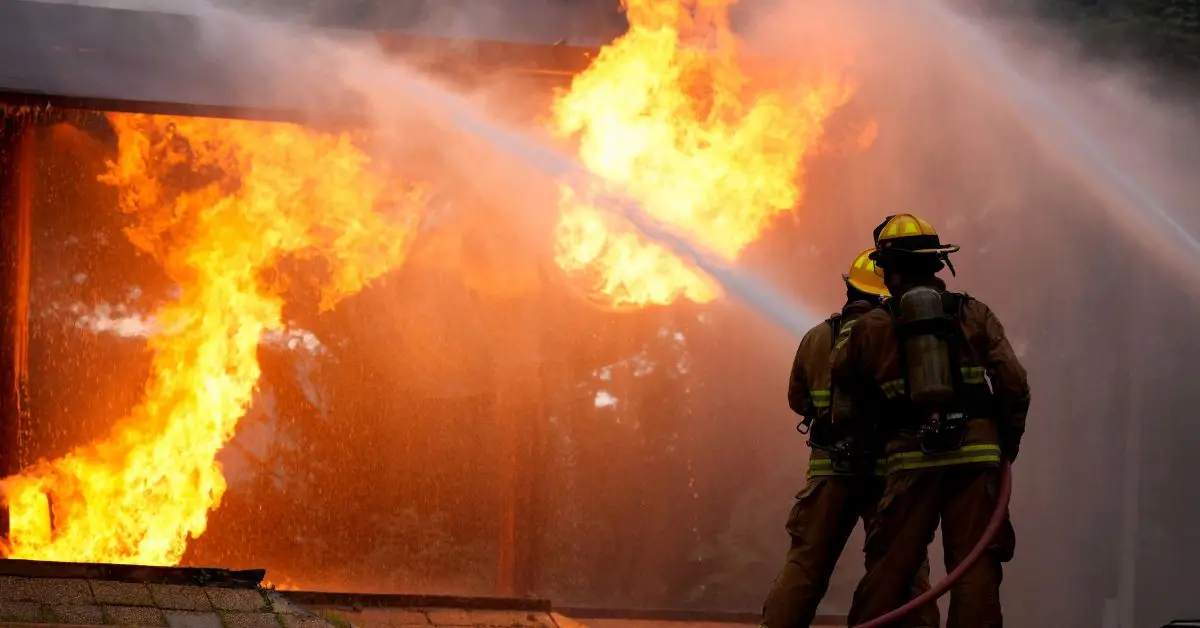
When firefighters from the Lincoln Fire Department reached the property, the situation had already escalated. The home was heavily engulfed in flames, which meant crews had to focus on controlling the fire while also checking whether anyone was still inside.
Early reports about the incident were also covered by News Center Maine, which confirmed the intensity of the fire when responders arrived.
Five Residents Escaped the House
Despite the fast-moving flames, five people inside the house managed to escape before firefighters arrived. They were able to alert first responders that someone else — an elderly woman — was still inside the burning structure.
This information immediately shifted the focus of the response toward search and recovery operations.
Search Efforts Led to the Discovery of Jean Fogg
Fire investigators later searched through the damaged structure once the flames were brought under control. Around 9:30 a.m., crews discovered the body of 82-year-old Jean Fogg in the debris.
Her remains were transported to the Office of Chief Medical Examiner in Augusta, where officials later confirmed her identity. Investigators are still working to determine what caused the house fire in Winn.
Rescue Efforts and Emergency Response
Lincoln Fire Department Responds to the Scene
When the emergency call came in, firefighters from the Lincoln Fire Department were among the first crews to respond. By the time they reached the home on Route 168, the structure was already heavily involved in flames.
Situations like this move fast. Firefighters had to act quickly — working to control the fire while also trying to determine if anyone was still trapped inside the house.
Large residential fires often require coordinated responses from multiple crews, similar to the double-block house fire in West Hazleton that left 11 people displaced where firefighters faced widespread structural damage.
Fire Investigators Called to Assist
Because someone was reported missing inside the home, state fire investigators were called to the scene to assist with the response and later examine the cause of the fire.
In incidents involving fatalities, investigators typically begin documenting the scene immediately. They look at burn patterns, electrical systems, heating equipment, and other possible ignition sources that might explain how the fire started.
Search Operations Continued Until Morning
Even after the flames were brought under control, crews continued searching through the damaged structure. These searches take time because firefighters have to move carefully through unstable debris.
Investigators and firefighters worked through the early morning hours to locate the missing resident and secure the scene for further examination.
Discovery and Identification of the Victim
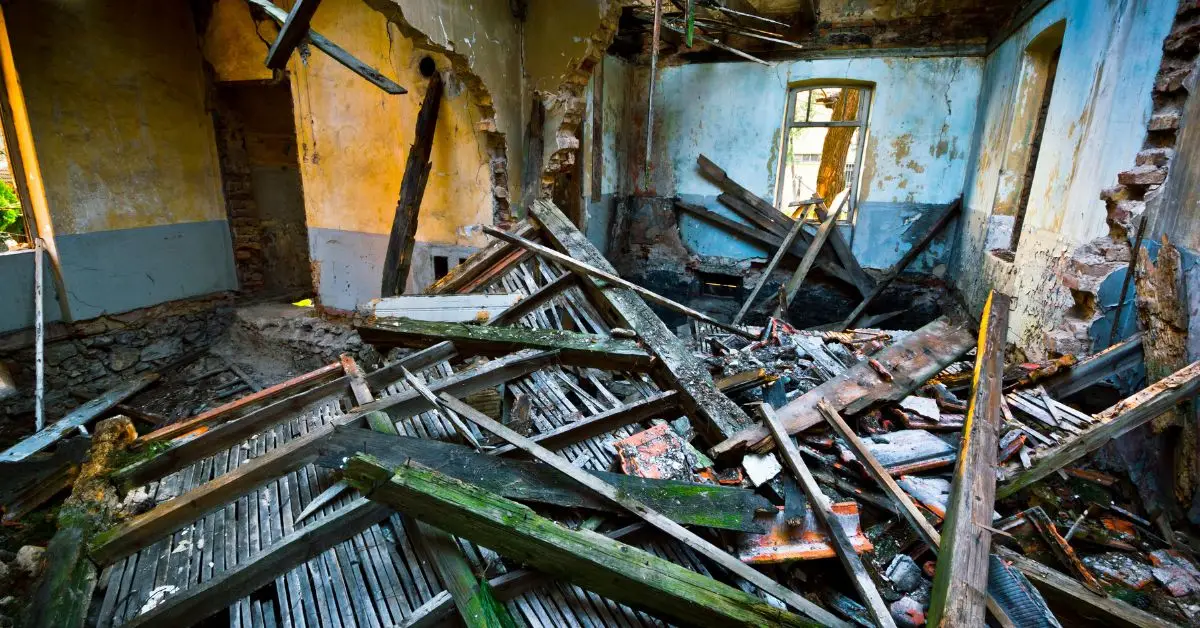
Body Found in Debris Around 9:30 a.m.
As search efforts continued into the morning, crews eventually made a tragic discovery. Around 9:30 a.m., investigators located a body in the debris of the burned home.
At that point, officials began the formal identification process while continuing to document the scene.
Medical Examiner Confirms Identity
The remains were transported to the Office of Chief Medical Examiner in Augusta, where officials later confirmed the victim’s identity as 82-year-old Jean Fogg.
Authorities stated that the identification was made through official examination procedures after the recovery from the fire scene.
Investigation Procedures Following Fatal Fires
When a death occurs in a residential fire, the investigation process becomes more detailed. Fire investigators work alongside medical examiners to determine both the cause of death and the cause of the fire.
According to guidance from the National Fire Protection Association, investigators often analyze burn patterns, possible ignition sources, and structural damage to understand how the fire started and spread. The investigation into the Winn house fire remains ongoing as officials continue reviewing the evidence.
Health Impact on Other Occupants
Smoke Inhalation Treated at Local Hospital
While the fire claimed one life, five other people inside the home managed to escape before firefighters arrived. Even so, getting out of a burning house doesn’t always mean you’re safe.
Several occupants were treated at a local hospital for smoke inhalation, which is one of the most common dangers during residential fires. Breathing in smoke can quickly affect the lungs and oxygen levels in the body, even if flames never reach you.
Victims Later Released
Fortunately, officials said the individuals who were taken to the hospital were treated and later released. That suggests their injuries were not considered life-threatening.
Still, events like this are a reminder that smoke itself can be just as dangerous as fire, especially during nighttime emergencies when people may already be asleep. We’ve seen similar situations in other incidents as well — for example, a Grand Junction house fire that sent two children to the hospital showed how quickly smoke inhalation can become a serious medical emergency.
Cause of the House Fire in Winn Still Under Investigation
What Fire Investigators Typically Examine
Right now, investigators have not confirmed what caused the house fire in Winn. When authorities examine a fire scene, they usually look at several possible ignition sources.
These often include:
- Electrical systems such as wiring faults or overloaded circuits
- Heating equipment, especially during colder months
- Kitchen appliances, which are a leading source of home fires
- Smoking materials, which can ignite furniture or bedding
Investigators analyze burn patterns, damaged equipment, and witness statements to determine where the fire likely started.
Why Investigations Can Take Weeks
You might wonder why these investigations sometimes take weeks. The reason is simple — fire scenes are complicated.
Investigators must carefully document evidence, analyze debris, and sometimes run laboratory tests. In many cases, multiple agencies review the findings before an official cause is announced.
Until that process is complete, officials usually classify the fire as “under investigation.”
Because investigations like this can develop over time, many readers prefer receiving quick fire-incident updates and safety alerts through dedicated community update channels on WhatsApp.
Common Causes of Residential House Fires in the United States

Cooking Fires
Across the United States, cooking-related fires are the leading cause of residential fires.
Recent incidents continue to show how destructive residential fires can be, including a tragic house fire in Monmouth that destroyed a home and claimed two pets.
Unattended stovetops, overheated oil, and kitchen equipment accidents frequently lead to fires that spread quickly through homes.
Heating Equipment
Heating devices such as space heaters and fireplaces are another common cause, especially during colder seasons. When heaters are placed too close to furniture, curtains, or bedding, they can easily ignite nearby materials.
Electrical Issues
Faulty wiring, damaged outlets, and overloaded power strips are also major contributors to home fires. Older homes, in particular, may have electrical systems that struggle to handle modern power demands.
Smoking Materials
Cigarettes and other smoking materials remain a risk as well. If they’re not fully extinguished, they can ignite furniture, carpets, or trash — sometimes hours after they appear to be out.
Fire safety experts from the American Red Cross highlight these risks in their home fire safety guidance, noting that many residential fires start from everyday household activities.
Fire Safety Tips Every Household Should Know
Install and Maintain Smoke Alarms
If there’s one safety step I always recommend, it’s installing working smoke alarms in your home. You should have at least one on every level of the house and near sleeping areas.
Just as important, test them regularly. A working alarm can give you those critical seconds you need to wake up and get out safely during a fire.
Plan an Emergency Escape Route
Most families never talk about how they would leave the house during a fire. I suggest you take a few minutes and create a simple escape plan with your household.
Identify at least two ways out of each room if possible, and choose a safe meeting spot outside. When everyone knows the plan ahead of time, panic is much less likely to take over during an emergency.
Keep Heating Equipment Safe
Heating equipment is another common source of house fires. Space heaters, fireplaces, and heating units should always have at least three feet of clearance from furniture, curtains, or bedding.
You should also turn portable heaters off before going to sleep or leaving the house.
Special Safety Considerations for Elderly Residents
Older adults often face higher risks during residential fires because mobility and reaction time may be limited.
If you have elderly family members at home, consider extra safety measures like louder smoke alarms, accessible exits, and making sure escape paths stay completely clear.
Official Updates and What Happens Next in the Investigation
At this point, investigators are still examining the scene to determine what caused the house fire in Winn. These investigations can take time because officials must carefully review evidence, structural damage, and possible ignition sources.
Authorities have said that additional information may be released once the investigation progresses. Updates typically come from state safety agencies or fire investigators handling the case.
If you’re following this story, keep an eye out for official announcements as the investigation continues.
Tragic incidents like this remind us how quickly house fires can escalate. I’d really like to hear your thoughts.
Do you have working smoke detectors in your home, and does your family have an escape plan?
Share your thoughts in the comments. And if you’re interested in more practical home safety tips, fire prevention advice, and renovation insights, feel free to explore more guides on Build Like New.
You can also stay updated with the latest home safety stories and fire incident reports by following Build Like New on X and joining the discussion in our Facebook community.
Disclaimer: This article is based on publicly available reports and official statements at the time of writing. Details about the incident may change as authorities continue their investigation. For the latest confirmed updates, readers should refer to official announcements from local public safety agencies.