
Millions of Americans Are Unknowingly Letting Bugs Into Their Homes Through Delivery Boxes
I used to rip open every Amazon package the second it hit my doorstep. Toss it on the bed, dig through the bubble wrap, and move on. Then I came across a TikTok that genuinely made my skin crawl.
A Florida woman, Niamh Zocco, was showing her entire kitchen gutted and fumigated on a Saturday morning. The reason? A German roach infestation that her pest control company traced back to a single Amazon package.
She told Newsweek: “They said that Amazon packages are the most likely source of entry to our home.”
Amazon denied it. But here’s the thing: she’s far from alone.
Why Your Cardboard Box Is Basically a Bug Motel
Corrugated cardboard is made of two layers with hollow gaps between them. That structure isn’t just good for protecting your order. It’s a perfect dark, warm hiding space for insects to nest, travel, and lay eggs.
German roaches literally eat cardboard. It’s both shelter and food for them.
Bed bugs, on the other hand, can survive for months without feeding, so they’ll wait patiently inside a box through the entire warehouse-to-doorstep journey and emerge once they’re in your home.
Pest control expert Brad Liston put it plainly: “This is a German roach infestation, mostly brought in through cardboard boxes.
They are brought in and transmitted.” He advises removing your items immediately, breaking down the box, and putting it straight in the recycling bin outside.
The most common bugs found in packages? Roaches, bed bugs, beetles, moths, and spiders, according to Heritage Pest Control. Not rare. Not freak accidents.
The Journey Nobody Thinks About
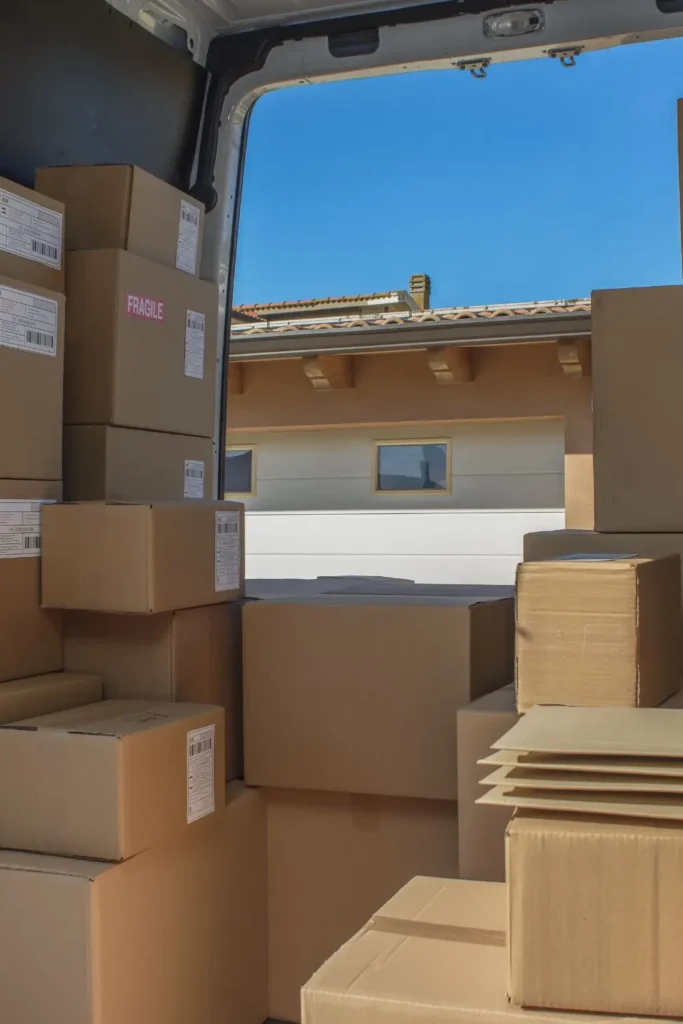
Your package doesn’t teleport from a clean shelf to your door.
It travels through a massive warehouse (often dimly lit and hard to fully monitor), gets handled at a loading dock, then rides in a delivery vehicle. If it’s an Amazon Flex driver, that vehicle is their personal car with zero mandatory pest inspections.
Products from third-party sellers, especially Amazon Warehouse (returned goods), are at higher risk. A returned item may have come from an infested home. Amazon’s return process has no pest screening step.
Why This Matters More Than You Think
This isn’t just gross. It’s expensive and hard to undo.
According to the National Pest Management Association, 1 in 5 Americans has had a bed bug infestation or knows someone who has. And 76% of pest control professionals say bed bugs are the single hardest pest to fully eliminate.
German roaches aren’t far behind. Many pros say they’re even harder to eradicate once they nest.
Professional bed bug treatment runs $1,000 to $4,000 for an average home. Severe cases cross $6,000. One TikTok commenter shared: “We had the same problem with a walking pad from Amazon. $400 later for Orkin to come.” And that was a mild case.
If you’re already dealing with an active infestation, this guide on 10 proven ways to get rid of bed bugs before they take over your home covers what actually works, step by step.
The mental toll matters too. The EPA has confirmed that prolonged infestations are linked to anxiety, insomnia, and secondary infections from scratched bites.
For practical prevention steps beyond what’s covered here, The Spruce has a solid breakdown worth bookmarking.
What To Actually Do (The 5-Minute Protocol)
Open it outside. Always. Hard surface, bright light, before anything goes inside.
Look for these things specifically:
- Crescent-shaped brown objects stuck to the cardboard = roach egg sacs
- Dark stains or tiny molted skins = bed bug activity
- Anything moving, however small
Fabric or bedding items? Don’t fold them on your couch. Wash immediately in hot water. Anything above 120°F kills bed bug eggs.
Break down the box right away. Don’t store cardboard inside. Don’t let it sit in a bedroom corner “for later.”
If you see anything suspicious, seal the box in a plastic bag, leave it outside, photograph it, and note the order number. You may need this if you report to Amazon or escalate further.
One commenter on Niamh’s video shared: “Omg! That happened to me! I called Amazon and they paid for the fumigation!” Documenting everything matters more than most people realize.
Worth knowing: not every bug that wanders inside through a package is obviously a pest. If you’ve ever spotted a ladybug indoors and wondered whether it’s harmless, the answer might surprise you. Some “harmless” bugs signal a bigger problem.
A lot of homeowners have been sharing similar experiences lately.
If you want to stay on top of stuff like this as it comes up, there’s a WhatsApp channel where home safety and pest updates get posted regularly. Worth joining if this kind of thing is on your radar.
Amazon Said There’s “No Evidence.” Here’s What That Actually Means.

Amazon’s official statement: “There’s no evidence to suggest this had anything to do with an Amazon package.”
That’s not a denial that it can happen. It’s a denial of one specific incident. Amazon processes millions of packages daily across hundreds of fulfillment centers.
A fraction of a percent of contaminated packages still equals thousands of potentially risky deliveries every day.
They don’t inspect individual packages for pests. They don’t screen Flex drivers’ vehicles. And their third-party seller inventory comes from all over the world.
Packages aren’t the only thing leaving doors open for pests, either. If stink bugs have been showing up around your windows or entry points, the same logic applies.
These 5 natural ways to stop stink bugs from entering your home are simple and actually effective.
You’re not being paranoid. You’re just being practical.
Before You Grab Your Next Package
Opening your packages outside takes 60 extra seconds. A roach or bed bug infestation takes months and thousands of dollars to sort out.
The five-minute check isn’t overkill. It’s common sense that most people don’t know they need until it’s too late.
Have you ever found something suspicious in a delivery package, a bug, an egg sac, anything? Drop it in the comments below.
These stories matter, and honestly, I think most people have no idea how often this happens until they read about it somewhere.
And if this kind of content is useful to you, come find us where we post regularly. We’re on X (Twitter) and in our Facebook community where we cover home safety, pest prevention, and the stuff most homeowners only learn the hard way. Would love to see you there.
For more articles like this, head over to Build Like New. We cover the home topics most people Google at 2 AM after something goes wrong.
Disclaimer: This article is for informational purposes only. If you suspect a pest infestation in your home, consult a licensed pest control professional.


