5 Smart Household Items That Work Like a Lint Roller (Instant Fixes at Home)
I’ve been there.
You’re wearing a black shirt. You’re already late. You look down—and it’s covered in lint, pet hair, or tiny fuzz balls that weren’t there five minutes ago.
You reach for the lint roller.
It’s empty.
Most articles will tell you to “just use tape” and move on. But here’s what they don’t explain: why these quick fixes actually work, which ones are safe for your fabric, and which ones can quietly ruin your favorite sweater.
I’ve tested these hacks myself over the years—on dark suits before meetings, on dog-covered hoodies, and even in hotel rooms before events. And I’ve also seen people damage clothes by using the wrong method at the wrong time.
The truth is simple: you don’t need sticky sheets to remove lint. You just need to understand what’s happening on the surface of your clothes—static, friction, and loose fibers clinging for dear life.
Once you get that, you can fix the problem in under two minutes using things already sitting in your house. If lint keeps coming back no matter what you try, the real issue might be your washer — here’s a step-by-step guide on how to clean your washing machine’s lint trap properly.
In this guide, I’ll show you five household items that actually replace a lint roller—no hype, no fluff. Just practical methods that work when you need them most.
Before we get into the list, let me ask you something:
Is this an everyday pet hair problem… or a five-minute emergency before you walk out the door?
Why You Don’t Actually Need a Lint Roller
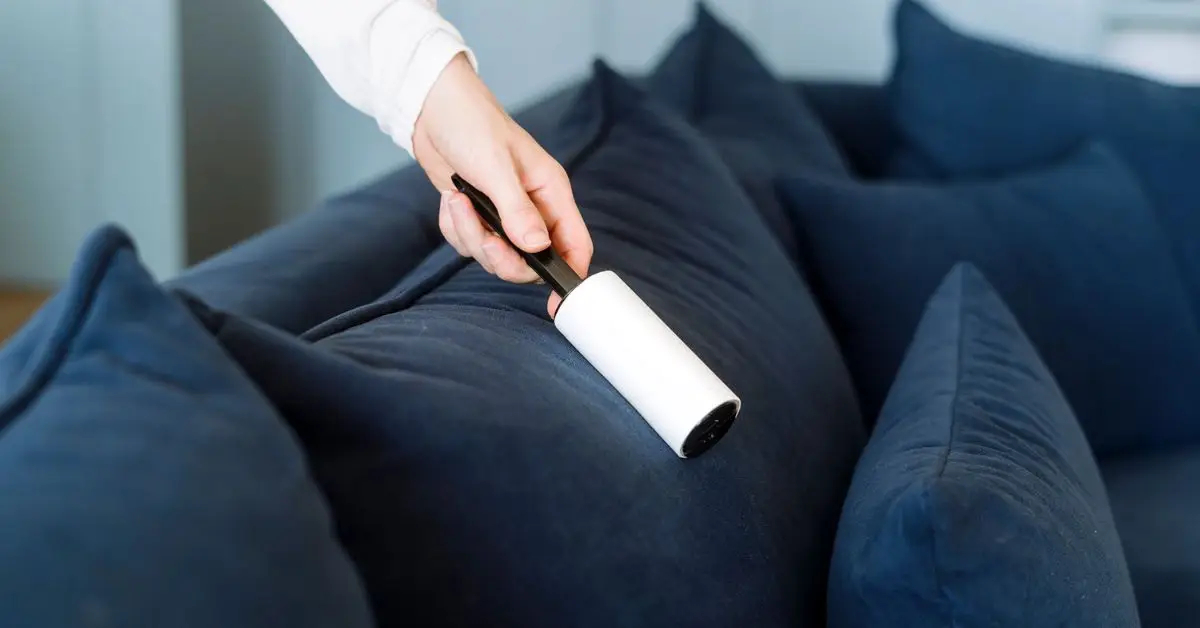
I used to think lint rollers were a wardrobe essential — until I learned why lint sticks in the first place.
Once you understand what makes fibers cling to your clothes, you start seeing solutions everywhere in your home. You don’t need store-bought sticky sheets every time your shirt, sweater, or pants look fuzzy.
Here’s the real science behind it:
The Real Reason Lint Sticks to Clothes
There are three simple forces at work:
Static Electricity
When fabrics rub against each other — in the dryer, in your closet, or against your body — they generate static charge. That charge makes tiny fibers and hairs cling to the surface instead of falling off. This is the same phenomenon explained in detail by Real Simple’s guide on getting rid of lint on clothes.
Fabric Friction
Some materials have textured surfaces — like fleece, wool, and knit blends. Loose fibers get physically “caught” in those textures. That’s why lint hides deep in sleeves or along seams.
Pet Hair Electrostatic Cling
If you live with pets, you already know this battle. Pet hair doesn’t just settle — it literally sticks because the hair and your clothes build up opposite electrical charges. That’s why a quick brush sometimes isn’t enough.
Understanding these forces is key. You’re not just removing dust — you’re disrupting static charge and friction that hold fibers in place. Once you see that, every household tool starts making sense as a lint-roller substitute.
#1 Clear Packing Tape (The Emergency MVP)
This is my go-to trick when I’m rushing out the door and my shirt looks like it’s been wrestling with a cat.
Why Tape Works Better Than You Think
At its core, a lint roller is just sticky surface on a backing. Clear packing tape works the same way:
- The adhesive surface grabs lint and hairs instantly
- You control exactly where you press and lift
- It’s especially good on dark fabrics where lint shows most
Instead of brushing lint, you’re lifting it. And that makes a huge difference when static is holding those fibers tight.
Best Type of Tape to Use (And What to Avoid)
Not all tapes are created equal for fabric work:
Best choices:
- Clear packing tape with moderate tack
- Wide tape to cover more surface per swipe
Avoid these:
- Duct tape — too strong, can pull fibers
- Heavy-duty industrial tapes — may leave residue
- Washi or cheap masking tape — often weak and messy
Quick rules I use:
- Dab, don’t drag
- Test on a hidden seam of delicate fabrics
- Light pressure for silk or wool
If you press too hard or use a super-strong adhesive, you risk pulling threads or leaving sticky spots behind. So use technique over force.
This hack isn’t just old advice — it shows up in real, tested guides like the one on Real Simple, which breaks down why simple tools often outperform expectations.
#2 Damp Rubber Gloves (The Pet Hair Hack)
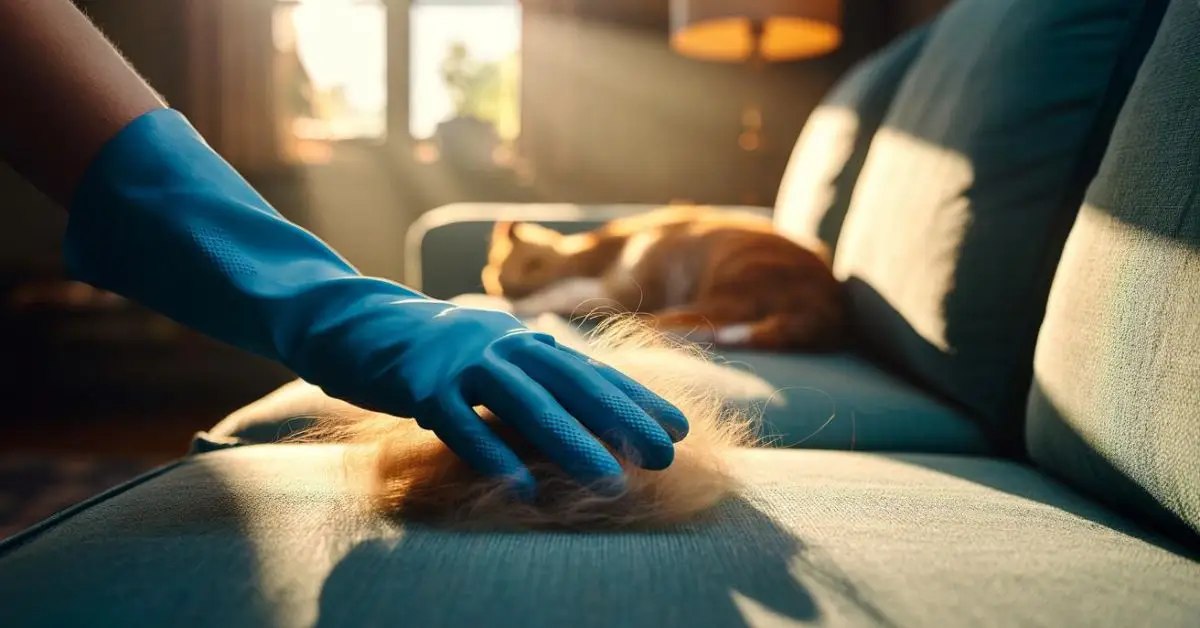
If you have pets, you already know — lint rollers get overwhelmed fast.
One heavy shedding day and the sticky sheet is useless.
That’s why I reach for rubber gloves.
The Static-Friction Trick That Lifts Hair Instantly
This works because of two simple forces:
- Slight moisture reduces static cling
- Rubber creates friction against fabric
- Friction pulls embedded hair upward
- Hair gathers into visible clumps you can remove
You’re not wiping.
You’re dragging hair out of the fibers.
I’ve used this on black coats, fabric sofas, and car seats. And during heavy shedding season, it often works better than a lint roller because it pulls deeper hair instead of just lifting surface fuzz.
If you browse practical cleaning discussions — including guides like the one on Apartment List’s lint removal breakdown — you’ll notice rubber gloves repeatedly mentioned for upholstery and larger surfaces. That pattern shows this isn’t just a random hack. It’s field-tested.
Best For: Sofas, Coats, Car Seats
This method shines on:
- Upholstered couches
- Winter coats
- Dining chairs
- Fabric car interiors
Here’s exactly how I do it:
- Wear a standard rubber dishwashing glove
- Lightly dampen it (not dripping)
- Run your hand in one direction
- Gather the hair clumps and remove
No waste. No sticky refills. Just controlled friction.
If pet hair is your main issue, this is the method I’d start with.
#3 Fabric Softener Sheets (Dryer Sheet Swipe)
This one is subtle.
It won’t shock you with dramatic results — but when used correctly, it works.
Anti-Static Power Explained
Lint clings because of static electricity.
Dryer sheets are designed to reduce that charge. When you swipe one across fabric, you’re helping neutralize the electrical hold that keeps fibers stuck.
What happens next:
- Light lint loosens
- Fine dust detaches
- Static cling reduces
You’re not grabbing lint aggressively. You’re calming the surface down.
And that makes it ideal for quick fixes.
When It Works — And When It Doesn’t
Dryer sheets are great for:
- Light surface lint
- Static-heavy synthetic fabrics
- Last-minute touch-ups before leaving
They’re not strong enough for:
- Thick pet hair
- Deep embedded fibers
- Heavy wool buildup
I use this method as a finishing step. If my shirt just needs a quick polish before heading out, this does the job.
But if the problem is serious? I don’t pretend it’ll fix everything.
Managing expectations is what makes this method useful instead of disappointing.
#4 Slightly Damp Sponge
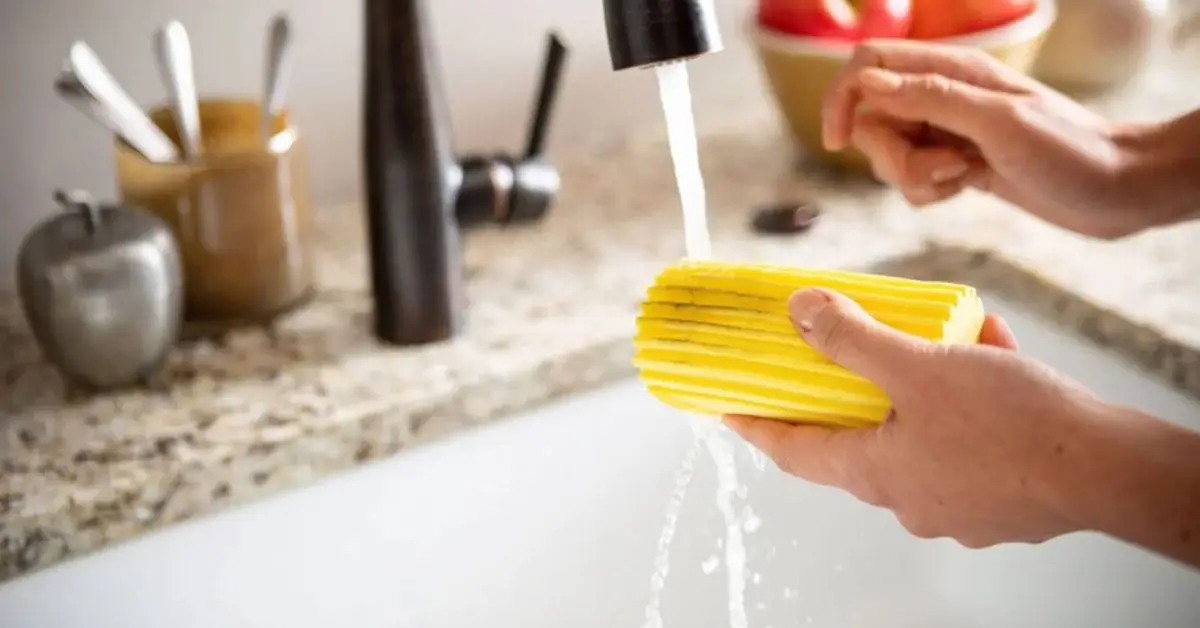
This is the quiet, underrated option.
And it’s the safest for delicate fabrics — if you handle it correctly.
Why Moisture Helps Capture Loose Fibers
Just like with rubber gloves, light moisture changes surface tension.
A slightly damp sponge:
- Reduces static charge
- Adds mild grip
- Collects loose surface fibers
- Avoids aggressive pulling
You’re guiding lint off the fabric, not ripping it away.
That difference matters — especially for sensitive materials.
Step-by-Step for Delicate Fabrics
When I use this method, I keep it simple:
- Use a clean sponge only
- Dampen it lightly and squeeze out excess water
- Glide in one direction
- Use gentle pressure
No scrubbing.
No back-and-forth motion.
No heavy pressing.
This works well for:
- Wool sweaters
- Cashmere
- Blazers
- Knit dresses
If you’ve ever damaged a sweater with a razor or strong tape, you understand why gentler options matter.
Sometimes removing lint isn’t about force.
It’s about control.
#5 Razor or Disposable Shaver (For Deep Lint & Pilling)
This isn’t just about removing lint.
Sometimes your clothes look old, fuzzy, or like they’ve “melted” in the dryer. That’s pilling, not just lint, and it needs a different approach.
A razor — yes, the same kind you shave with — can reset the fabric surface if you use it safely.
Not Just for Shaving — It’s a Fabric Reset Tool
When fibers loosen and tangle, they form tiny balls on the surface.
A razor trims those raised bits cleanly.
What it does:
- Removes pills without pulling the fabric
- Smooths the surface visually
- Makes sweaters and knits look refreshing again
This method often shows up in practical user communities. For example, in this LifeProTips thread where people share creative clothing fixes, many users recommend gentle shaving to remove fuzz while protecting the garment.
That’s the kind of real-world validation you want — not just another “do this, do that” list.
Safe Technique to Avoid Damaging Clothes
Here’s the step-by-step I use — and I don’t rush it:
- Lay the garment flat
- Smooth the fabric with your free hand
- Use a clean, sharp disposable razor
- Glide in one direction only
- Apply light pressure
- Shake off removed fuzz regularly
Think trimming, not scraping. And before you grab any lint roller or sticky tool, make sure you know what not to clean — here are 6 items experts say should never be cleaned with a lint roller.
If you push too hard, you risk:
- Cutting threads
- Fraying edges
- Weakening knit structures
This caution is what most online lists miss. With the right technique, you preserve the garment — not just “clean” it.
When NOT to Use This Method
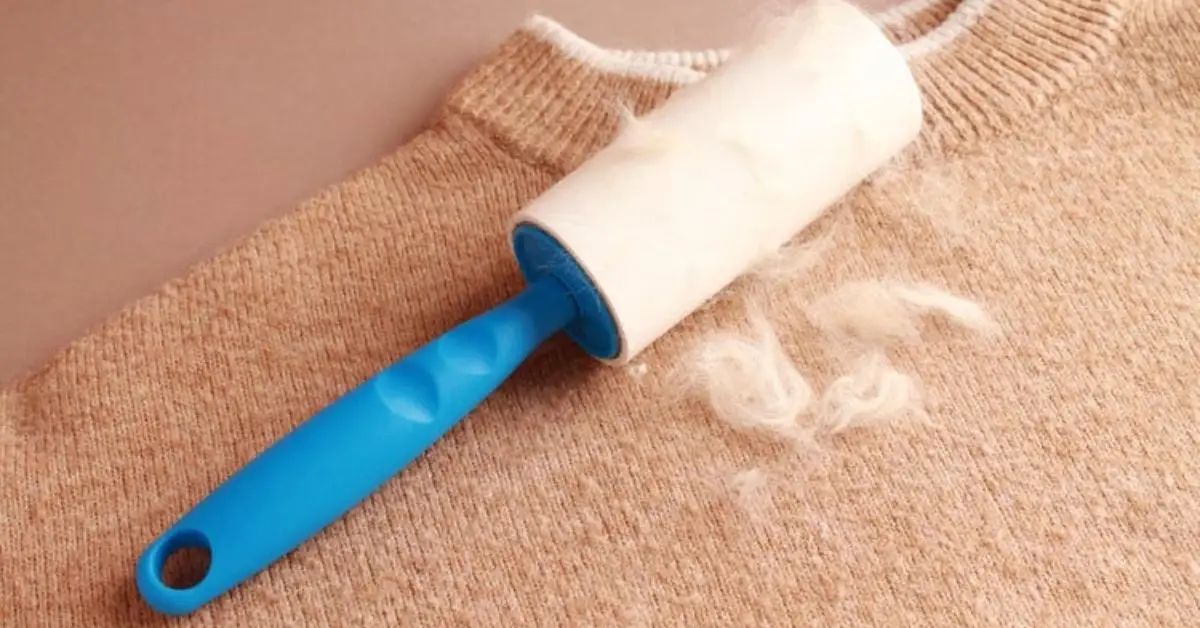
Skip using a razor if the fabric is:
- Very thin cotton
- Silk or satin
- Lace or very fine knit
- Stretch performance fabric
These materials can easily snag or tear under a blade.
If you’re unsure about a piece, start with gentler hacks first (like the damp sponge).
Bonus: 3 Situations Where These Hacks Save You
Lint problems aren’t random — they hit at the worst times.
Here are three moments when knowing these alternatives isn’t just helpful — it’s a life saver.
Job Interview in 10 Minutes
You’re dressed perfectly… until you notice lint all over your blazer.
No lint roller. No problem.
- Quick tape fix
- Lightning swipe with a dryer sheet
- Rubber glove pet hair removal
Two minutes later? You walk in looking confident — not frazzled.
That’s the power of knowing these tricks.
Traveling Without a Lint Roller
When you’re away from home, you don’t want to hunt for one store that sells rollers.
But hotels have:
- Packing tape
- Sponges
- Towels and gloves
These substitutes work — and they prove that creativity beats panic.
You learn to improvise when you know exactly why these tools work.
Pet Hair Explosion Before Guests Arrive
This is the true test.
Company is arriving. You’ve swept, vacuumed, and washed.
Then — sunlight hits your couch and it looks like a fur carpet.
Rubber gloves fix this fast.
Run your gloved hand over the fabric. Hair gathers instantly.
Pick it up. Done.
People on cleaning forums swear by this method because it’s fast and waste-free.
That’s real-world reliability.
Which Method Works Best? (Quick Comparison Chart)
When you’re in a rush, you don’t want theory.
You want the fastest solution with the lowest risk.
So here’s the simple breakdown I personally use.
Speed vs Effectiveness vs Fabric Safety
| Method | Speed | Effectiveness | Fabric Safety | Best For |
|---|---|---|---|---|
| Tape | Very Fast | Strong grip | Moderate risk if pressed hard | Dark clothes, quick emergencies |
| Rubber Gloves | Fast | Excellent for pet hair | Very safe | Sofas, coats, car seats |
| Dryer Sheet | Very Fast | Light lint only | Very safe | Static cling, light surface fuzz |
| Damp Sponge | Moderate | Gentle removal | Safest option | Wool, delicate fabrics |
| Razor | Moderate | Pilling only | Risky if careless | Sweaters with fuzz balls |
Here’s how I think about it:
- If I’m late → Tape
- If it’s pet hair → Gloves
- If it’s static → Dryer sheet
- If it’s delicate → Sponge
- If it’s pilling → Razor
Most competitor articles just list hacks.
They don’t help you decide.
And that’s what actually saves time.
Save Money & Reduce Waste (The Environmental Angle)
Let’s talk about something most lint-roller articles ignore.
Waste.
How Many Sticky Sheets Do You Throw Away Each Year?
If you use:
- 2–3 sheets per day
- 4–5 days per week
That adds up to hundreds of adhesive sheets per year.
Each one:
- Goes straight into the trash
- Isn’t reusable
- Is often wrapped around plastic handles
Now compare that to:
- A rubber glove you already own
- A sponge already in your kitchen
- Tape you use for other purposes
You’re not buying refills.
You’re not throwing away paper daily.
You’re not constantly restocking.
Many consumer brands now publish sustainability reports highlighting waste reduction and reusable alternatives as a long-term goal. The same logic applies here.
When you switch to household alternatives:
- You reduce recurring purchases
- You cut daily disposable waste
- You rely on tools that already exist in your home
And if you’re already thinking about reducing waste, you might be surprised to learn that dryer lint itself isn’t useless — here are 8 clever ways to reuse dryer lint at home instead of throwing it away.
It’s a small shift — but over a year, it’s meaningful.
And if you care about sustainability even a little, this angle matters.
When You Actually Should Buy a Lint Roller
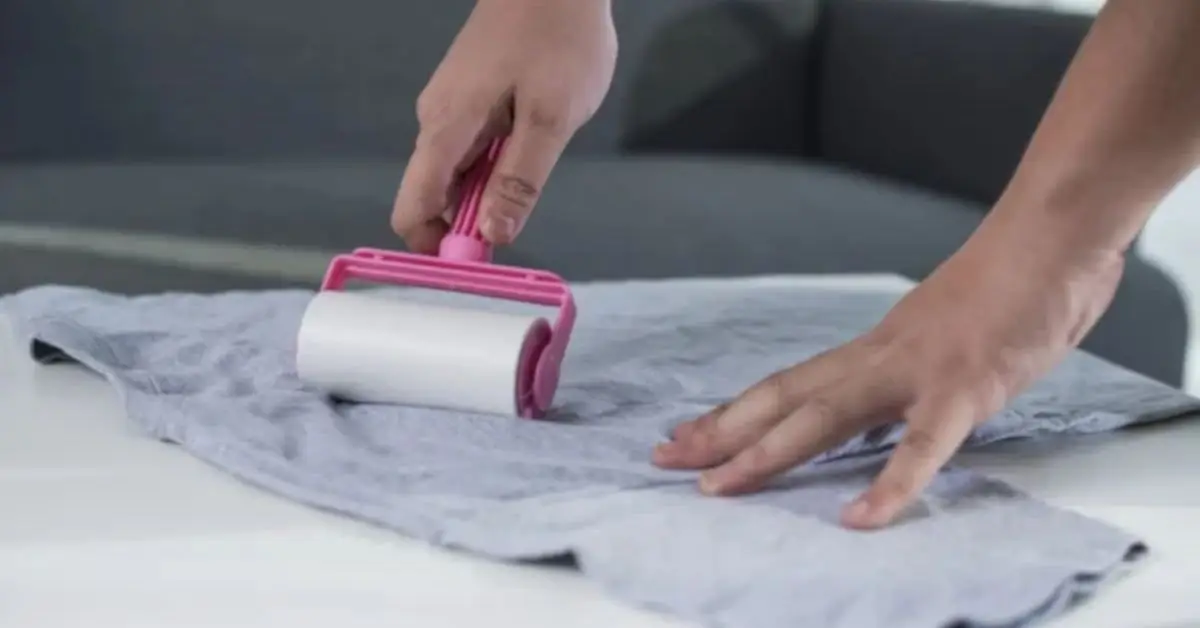
Let’s be honest.
DIY hacks are great — but they’re not always the best solution.
Sometimes the lint roller wins.
Heavy Shedding Households
If you have:
- Multiple pets
- Thick shedding breeds
- Fabric-heavy furniture
A lint roller (or even a larger pet hair removal tool) may be faster for daily maintenance.
DIY works — but scale matters.
Professional Settings
If you:
- Wear suits daily
- Work in client-facing roles
- Need fast, polished touch-ups
A lint roller in your office drawer is practical.
It’s predictable and clean.
Large Surface Areas
If you’re covering:
- Entire sectional couches
- Large bedding sets
- Curtains
Rollers designed for upholstery might save time.
Balance builds trust.
Not everything needs a workaround. The smart move is knowing when to use what.
Quick Action Checklist (No Guesswork)
Here’s your no-thinking-required guide:
- Dark clothes + emergency → Tape
- Couch full of pet hair → Rubber gloves
- Light static cling → Dryer sheet
- Sweater pills → Razor
- Delicate wool → Damp sponge
Keep this simple framework in your head, and you’ll never panic over lint again.
Final Thoughts
Lint problems feel small — until they hit at the wrong moment.
Right before a meeting.
Before guests arrive.
When you’re already running late.
You don’t always need to buy something new.
Most of the time, the solution is already in your kitchen drawer.
I’ve tested these methods in real situations — not just as internet tips — and they work when used correctly.
Now I’d love to hear from you.
Which method are you going to try first?
And have you discovered any household trick that works better?
Drop your experience in the comments — I read every one.
And if you found this useful, explore more practical, no-fluff home improvement insights on Build Like New. That’s where I break down everyday fixes in a way that actually makes sense.
Disclaimer: The methods shared here are general household tips based on practical use and fabric care guidance. Always test any technique on a small, hidden area first to avoid damage. Delicate, expensive, or specialty fabrics may require professional cleaning. Use these solutions carefully and at your own discretion.