10 Mistakes to Avoid When Shopping for Used Home Items
I enjoy secondhand shopping because you can often find great items for much less than the original price. In fact, many items actually look even better when bought used — here are everyday home items that look better when thrifted. But I’ve also learned that not every cheap deal is actually a good one.
Sometimes an item looks perfect in photos but turns out damaged, fake, or barely usable. Other times the problem isn’t the product — it’s the seller.
As secondhand shopping becomes more popular, it’s also becoming easier to run into misleading listings, hidden defects, or risky deals.
That’s why it helps to know the key secondhand shopping red flags before you buy. A few simple checks can save you money, time, and frustration.
In this guide, I’ll show you 10 warning signs experienced buyers always look for when buying secondhand items.
Why Red Flags Matter When Buying Used Items
When I buy something secondhand, I don’t just look at the price. I look for warning signs. Because with used items, the real problem often isn’t what you see — it’s what you don’t see yet.
A small crack in furniture, a hidden odor in fabric, or an electronic device that works for five minutes and then shuts down. These things are common in secondhand markets.
And the tricky part? Many of these problems are easy to miss if you’re excited about the deal.
According to advice shared by experts at Better Homes & Gardens, buyers should always watch for signs like strange odors, pest damage, or structural problems when shopping secondhand. These issues can turn a cheap purchase into an expensive mistake.
From my experience, most bad purchases happen because people ignore small warning signs.
Here are some common risks you should always keep in mind:
- Hidden damage – cracks, broken parts, loose joints, or internal wear that isn’t obvious in photos
- Hygiene problems – smoke smell, mold, stains, or pest contamination
- Safety hazards – recalled baby products, faulty electronics, or unstable furniture
- Misleading listings – photos that hide flaws or descriptions that leave out important details
- Scam risks – suspicious sellers, pressure to pay quickly, or unusual payment methods
If you learn to spot these red flags early, you’ll avoid most bad deals.
In the next section, I’ll walk you through the most common warning signs experienced secondhand buyers watch for before spending their money.
1. Price Too Good to Be True
When I see a secondhand item priced far below its usual value, I immediately slow down and look more carefully. A huge discount can feel exciting, but sometimes it’s a sign that something isn’t right.
In many cases, extremely low prices hide problems like damaged parts, missing components, or even counterfeit products. Sometimes sellers price items cheaply because they want to sell quickly before a buyer notices the issue.
Before you buy, compare the price with similar listings online. If the difference is massive, ask yourself why.
A few warning signs to watch for:
- The item costs much less than similar listings
- The seller pushes you to buy immediately
- The price drops suddenly after you ask questions
- The seller avoids explaining why it’s so cheap
A good deal should still make sense. If it feels unrealistic, it’s usually worth investigating further.
2. Visible Damage Beyond Normal Wear
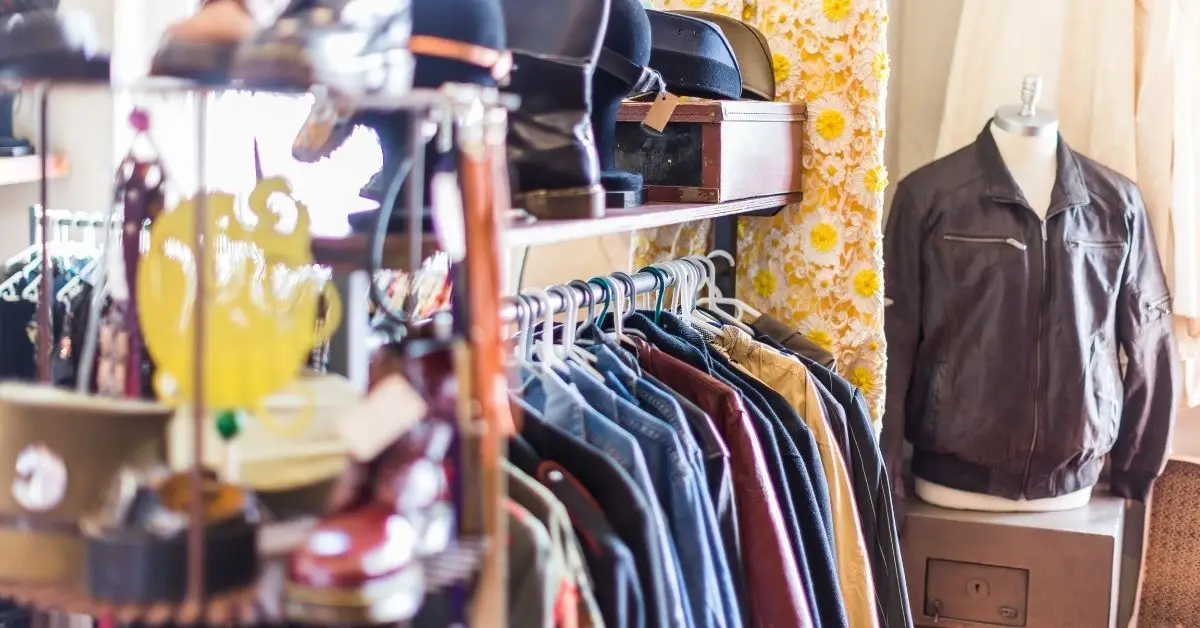
I always expect a little wear on secondhand items. Small scratches or light fading are normal. But serious damage is a different story.
Deep cracks, sagging cushions, warped wood, broken zippers, or torn fabric can mean the item is already near the end of its life. Repairing these problems often costs more than the item is worth.
Before buying, inspect the item carefully or zoom in on photos if you’re shopping online.
Look for these common damage signs:
- Deep scratches or cracks in wood or metal
- Furniture that leans or wobbles
- Torn seams, broken zippers, or heavy stains
- Rust, water damage, or warped surfaces
If the damage affects how the item works or holds weight, it’s usually better to skip the deal.
3. Signs of Pest Infestation or Odor Problems
One thing I never ignore when buying secondhand items is smell. Odors often reveal hidden problems that photos can’t show.
Furniture, mattresses, and fabric items can carry pests, mold, smoke smells, or pet odors. These issues are difficult to remove and sometimes impossible to fix completely.
If you’re inspecting an item in person, trust your senses.
Watch for signs like:
- Strong smoke or mildew smell
- Small black spots or insect traces
- Mattress seams with unusual stains
- Furniture with powder-like dust (possible termites)
These problems can spread to other items in your home, so it’s safer to walk away if you notice them.
4. Missing Documentation or Proof of Ownership
For high-value items, documentation matters more than people think. When I buy something expensive secondhand, I always check for proof that the item is genuine and legally owned.
Luxury bags, watches, electronics, and antiques usually come with receipts, serial numbers, certificates, or original packaging. If those details are missing, it becomes harder to verify authenticity.
Things to check before buying:
- Serial numbers or authenticity tags
- Original receipts or warranty cards
- Brand packaging or certificates
- Clear history of ownership
Without these details, there’s a higher chance the item could be fake or misrepresented.
5. Poor or Incomplete Photos and Descriptions (Online)
When I shop online for secondhand items, photos tell me almost everything. If a listing has poor images or vague descriptions, I take that as a warning sign.
Good sellers usually show multiple angles and clearly describe the condition. When photos are blurry or limited, important flaws may be hidden.
Be cautious if you notice:
- Only one or two photos
- Images that look like stock photos
- Descriptions that are extremely short
- Missing details about condition or size
A trustworthy listing should make it easy for you to understand exactly what you’re buying.
6. Seller Red Flags — Communication & Payment Risks
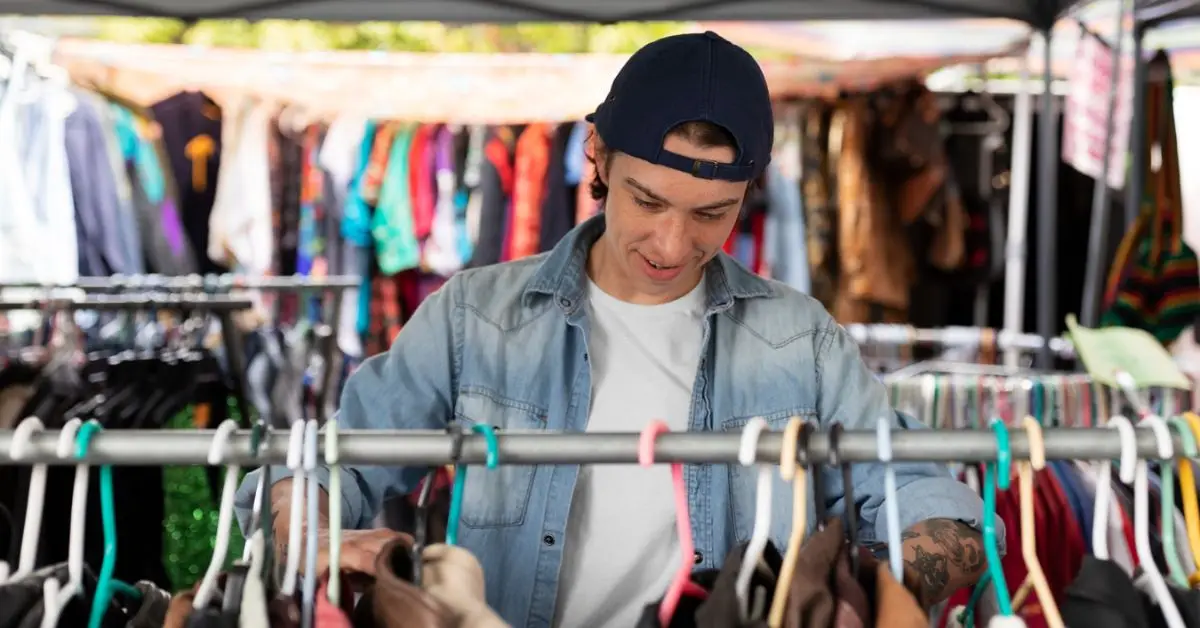
The seller’s behavior often tells you as much as the item itself. When someone becomes evasive or pushy, I immediately become cautious.
Scammers often try to rush buyers or ask for unusual payment methods to avoid platform protections.
According to guidance from Alibaba about avoiding secondhand scams, suspicious payment requests and pressure to complete a deal quickly are common warning signs.
Pay attention if a seller:
- Refuses to answer basic questions
- Pushes you to pay immediately
- Requests payment through gift cards or wire transfers
- Avoids secure platforms or verified payment systems
A reliable seller should communicate clearly and never pressure you.
7. No Return or Refund Policy
Returns matter more when you’re buying used items. Sometimes problems appear only after you start using the product.
If there’s no return option at all, you’re taking the entire risk yourself.
Before completing a purchase, check:
- Whether the platform offers buyer protection
- If the seller accepts returns or exchanges
- Any time limits for reporting problems
A simple return policy can protect you from a bad purchase.
8. Refusal to Let You Inspect the Item
Whenever I buy something locally, I prefer to inspect it before paying. If a seller refuses to allow that, it raises an immediate red flag.
Inspection helps you confirm the item’s condition and test whether it works properly.
Be cautious if the seller:
- Won’t allow you to see the item first
- Avoids meeting in a safe public place
- Refuses basic testing for electronics
A trustworthy seller usually has no problem letting you check the product.
9. Safety and Recall Concerns
Some products carry safety risks when bought secondhand. Items like baby gear, electronics, and safety equipment may have recalls or outdated safety standards.
Products that deserve extra caution include:
- Car seats and baby cribs
- Helmets and protective gear
- Electrical appliances
- Older electronics without safety updates
Checking safety information only takes a few minutes but can prevent serious problems.
10. Counterfeit or Misrepresented High-Value Items
Designer bags, luxury watches, and branded sneakers are common targets for counterfeiting. I’ve seen listings where the item looked authentic at first glance but had small inconsistencies.
Fake items often have:
- Slightly incorrect logos
- Missing serial numbers
- Poor stitching or material quality
- Packaging that doesn’t match the brand
Even experienced buyers sometimes rely on community discussions to identify these warning signs. Threads on platforms like Reddit show how shoppers compare details and spot fake listings before making a purchase.
If you’re buying an expensive branded item, always verify authenticity before paying.
Red Flags for Specific Item Categories
Not every secondhand item carries the same risks. Over time, I’ve noticed that different product categories have their own warning signs. What’s acceptable wear in clothing might be a serious problem in electronics or furniture.
So when you’re shopping secondhand, it helps to know what to check depending on the item type.
Electronics
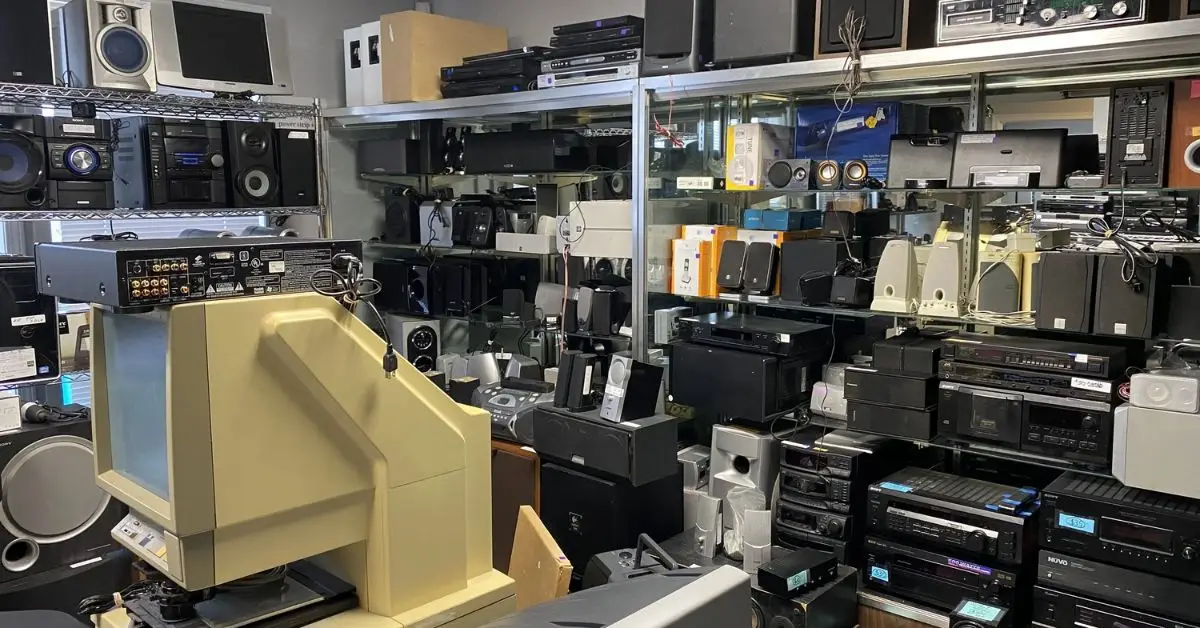
Used electronics can look perfectly fine on the outside but still have serious internal problems. I always test electronics carefully before buying whenever possible.
Some common warning signs include:
- Activation locks or accounts still connected to the device
- Missing chargers, cables, or key accessories
- Devices that heat up quickly during testing
- Battery draining unusually fast
- No proof of purchase or warranty information
If a seller can’t demonstrate that the device works properly, I usually move on.
Clothing & Fashion
Clothing often looks great at first glance, but certain issues only appear after closer inspection.
And before adding more secondhand pieces to your wardrobe, it can help to clear some space first with these simple steps to declutter your clothes and take control of your closet.
Here are a few things I check before buying secondhand clothing:
- Dry rot or brittle fabric, especially in older garments
- Deep stains that may not come out in washing
- Loose stitching or damaged seams
- Missing fabric labels or size tags
- Sizing that seems different from the listed description
A quick inspection can help you avoid clothing that won’t last more than a few washes.
Furniture & Decor
Furniture can be one of the best secondhand deals — but it’s also where hidden structural problems show up most often.
Before buying furniture, I usually check:
- Wobbly legs or unstable frames
- Water stains or swelling in wood surfaces
- Loose joints or previous repairs
- Hidden cracks under cushions or fabric
- Signs of termite damage or rot
Furniture that looks stylish but lacks structural strength can quickly become a safety issue.
Safety-Critical Items
Some products carry safety risks when bought secondhand. Items designed to protect people — especially children — should be inspected with extra care.
These items deserve extra caution:
- Car seats
- Bike or sports helmets
- Baby cribs and bassinets
- Safety harnesses or protective gear
If you can’t confirm the product’s condition or history, it’s usually safer to buy new.
How to Avoid Bad Deals — Tried-and-Tested Secondhand Shopping Strategies
After years of buying used items, I’ve learned that avoiding bad deals isn’t complicated. You just need a simple process before committing to a purchase.
Here are a few strategies that help me shop smarter:
- Compare prices across multiple platforms before deciding
- Always check seller ratings and reviews
- Ask for extra photos or videos of the item
- Test electronics or moving parts whenever possible
- Meet sellers in safe public places for local purchases
- Bring a friend with you when inspecting expensive items
- Read the return or buyer protection policies on the platform
These small steps only take a few minutes but can prevent expensive mistakes.
Shop Smart, Spend Wisely — A Practical Wrap-Up
Secondhand shopping can be one of the smartest ways to save money and find unique items. And if you’re trying to keep your home organized while buying secondhand, it also helps to know the clutter items you should donate instead of throwing away. I’ve personally found amazing deals over the years — things I would never have afforded at full price.
But the key difference between a great deal and a costly mistake is knowing what red flags to watch for.
If you remember a few simple checks — realistic pricing, clear photos, honest sellers, and proper inspection — you’ll avoid most of the common problems buyers face.
The goal isn’t to stop you from buying secondhand. It’s to help you buy confidently and safely.
Now I’d love to hear from you.
Have you ever spotted a red flag while buying a used item? Or did you learn the hard way after a bad purchase? Share your experience in the comments.
And if you enjoy practical home, buying, and improvement guides like this, visit Build Like New for more tips that help you make smarter decisions before spending your money.
Disclaimer: This article is for informational purposes only and is based on general research and consumer advice. Conditions of secondhand items can vary widely depending on the seller, platform, and product category. Always inspect items carefully and verify details before making a purchase. For more practical buying and home improvement tips, visit Build Like New.