7 Things You Think Are Junk — But Experts Say Donate Them
Last month, I stood in my garage staring at a pile of “clutter” I was ready to toss. Old sneakers. A lamp I hadn’t used in years. A box of books collecting dust. My first instinct? Trash bags.
But here’s the uncomfortable truth: most of what we call clutter isn’t garbage. It’s just unused value.
I’ve worked with homeowners who felt instant relief after throwing things away — only to regret it later when they realized those items could’ve helped someone else. And the data backs this up. In the U.S., millions of pounds of usable goods end up in landfills every year, even though charities actively need many of those exact items.
The problem isn’t that we’re careless. It’s that no one really explains what clutter is actually worth donating — and what’s just junk.
Most articles give you generic lists. “Donate clothes.” “Donate books.” That’s surface-level advice. What you really need to know is:
- Which items are genuinely useful to charities
- What condition makes something donation-worthy
- And when throwing it away is actually the wrong move
If you’re decluttering right now — or planning to — this guide will help you pause before you toss. Because some of the things you’re calling clutter today could make a real difference tomorrow.
Before you grab that trash bag, let me ask you something: how much of what you’re about to throw away could actually help someone else?
Why Donating Clutter Is Better Than Tossing It
I get it. Throwing something away feels faster. One trash bag, one trip to the curb, and it’s done.
But when you toss usable items, they don’t just disappear. They sit in landfills for years — sometimes decades. Textiles, electronics, books, and kitchenware make up a huge chunk of what ends up buried — even though many of these things could have a second life.
When you donate instead of tossing, three things happen that make it worth the extra effort.
1. You reduce environmental waste
Every item reused is one less item manufactured.
That means:
- Less raw material extraction
- Less fuel and energy used in production
- Less landfill overflow
Even simple items like clothing or household goods continue to be useful instead of contributing to pollution. According to environmental data on how thrifting helps the planet, keeping used items in circulation significantly slows waste buildup.
Donating isn’t just “nice.” It has a measurable environmental impact.
2. You help real people and communities
Donation centers do much more than resell goods. Many aren’t just storefronts — they fund community programs, job training, and support services.
When you donate to organizations that invest back into local communities, your clutter literally fuels support for:
- Job seekers
- Families in need
- Community outreach programs
Your old items become more than stuff — they become utility for someone else.
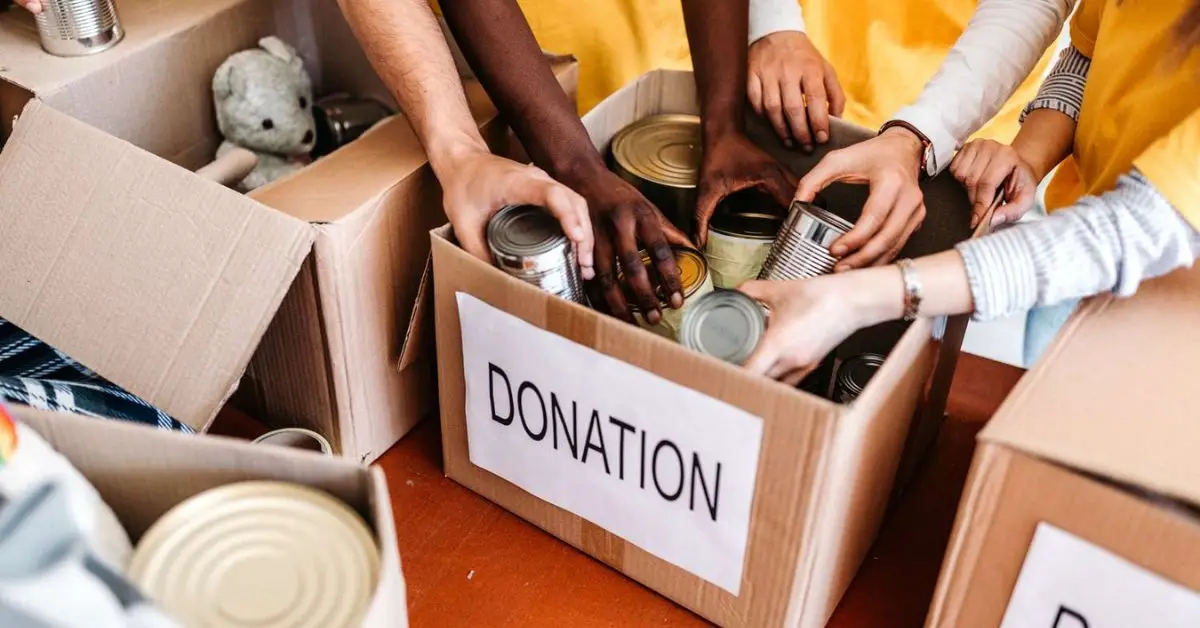
3. You may get a tax deduction
Investopedia
Here’s something a lot of people overlook.
In the U.S., if you itemize deductions, you can write off the fair market value of donated goods — as long as:
- The item is in good, usable condition
- You get a receipt from a qualified nonprofit
- You estimate the value reasonably
This won’t change your life overnight, but it does mean your act of giving comes with a financial upside, even if modest.
So before you toss something, pause and think: Is this truly trash — or just unused value?
How to Decide If an Item Is Worth Donating
Most articles give you a list and expect you to just follow it without thinking.
That’s not how I approach it. I use a simple, honest filter to decide what actually deserves to be donated — and what doesn’t.
Step 1: Check the Condition
Ask yourself:
- Is it clean?
- Does it work as intended?
- Would I be comfortable giving this to a friend?
If the answer is no, don’t assume a donation center will accept it. Most can’t fix or clean items before reselling them.
Step 2: Run a Safety & Hygiene Check
Some things might technically work, but they shouldn’t be donated because they pose risks or hygiene issues.
Avoid donating:
- Expired products
- Opened personal care items
- Broken or unsafe electronics
- Mattresses (many centers won’t take these)
If I’m ever unsure, I ask myself: “Would someone want this in their home?” If the answer isn’t a confident yes, it stays with me.
Step 3: Know What Donation Centers Usually Accept
Most U.S. donation centers welcome:
- Gently used clothing
- Books in good condition
- Small working appliances
- Toys with all parts
- Household décor
They often decline:
- Large broken furniture
- Recalled baby gear
- Car seats past their expiration
- Damaged cookware
Here’s my rule of thumb: If it wouldn’t sell for a few dollars in a thrift store, it probably shouldn’t be donated.
Before you load up your car, it’s also smart to know there are a few things homeowners donate and later regret — I’ve broken those down in detail in 6 things homeowners often donate and wish they hadn’t so you don’t make the same mistake.
This simple framework saves you time, prevents rejection at drop-off, and ensures the items you do give actually help someone who needs them.
Now that you know why donating matters — and how to judge an item properly — let’s look at the specific clutter items you should absolutely donate instead of throwing away.
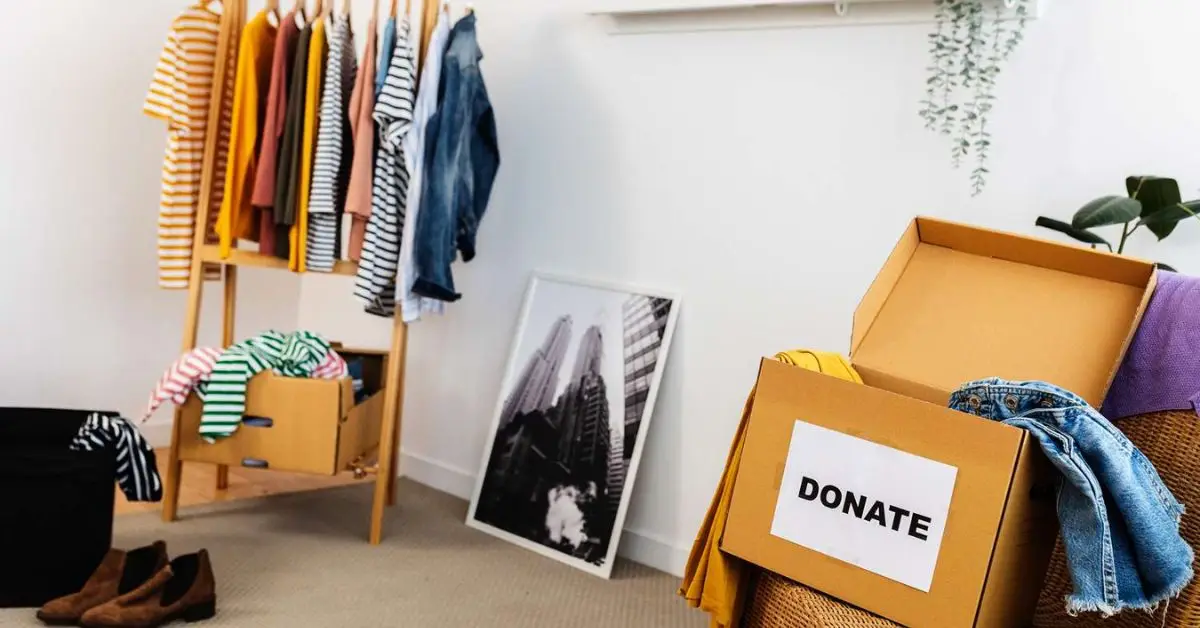
The 7 Most Clutter Worth Donating (Not Throwing Away)
This is where most people make the wrong call.
They assume clutter equals trash. But in my experience, some of the most “annoying” items taking up space are exactly what charities look for.
Let’s go item by item — and I’ll show you what’s actually worth donating, and how to do it right.
If you’re wondering what professional organizers immediately remove during decluttering sessions, I outlined it clearly in 6 items professional organizers never keep (and always donate) — it might change how you look at your own clutter.
1. Gently Used Clothing & Accessories
Clothing is the number one thing people throw away during decluttering.
And it’s usually unnecessary.
If it’s clean, wearable, and free from major damage, it likely has value. Donation centers resell these items at affordable prices, making clothing accessible to families who need it.
Before donating:
- Wash everything
- Check for stains or broken zippers
- Donate seasonally if possible (coats in fall, etc.)
- Keep pairs together (shoes, gloves)
If you haven’t worn it in a year, but it’s still in good shape, it’s not trash. It’s unused value.
2. Books (Hardcover & Paperback)
Books pile up quietly.
One day you have a small stack. A year later, you have a shelf you don’t touch.
Many thrift stores, libraries, schools, shelters, and community groups accept books — especially:
- Recent nonfiction
- Children’s books
- Popular fiction
- Educational material
Skip donating books that are:
- Water damaged
- Moldy
- Missing pages
- Outdated textbooks
3. Small Kitchen Appliances
This one surprises people.
Blenders. Coffee makers. Toasters. Air fryers still in the box.
If it works and is clean, many thrift stores accept small appliances. They sell quickly because they’re practical.
Before donating:
- Plug it in and test it
- Clean it thoroughly
- Include all parts and cords
- Tape loose components securely
If it’s broken, recycle it properly. If it works, someone else will use it tomorrow.
4. Toys, Games & Puzzles
Toys often carry emotional weight.
But once your child outgrows them, they can become powerful donations for families who can’t afford new ones.
What makes them donation-worthy:
- Clean and sanitized
- No broken pieces
- Puzzles with all pieces included
- Board games complete with instructions
Parenting forums are full of parents asking where to donate gently used toys because shelters, community centers, and nonprofit groups constantly need them.
If it’s safe and complete, it can make a real difference.
5. Furniture (Local Donation Venues)
Furniture feels harder to deal with, so people default to trash.
But couches, tables, dressers, and chairs in good condition are some of the most impactful donations you can make.
Before donating:
- Check for structural damage
- Make sure it’s clean and pest-free
- Confirm the charity offers pickup
- Measure doorways and access points
Organizations like Habitat for Humanity ReStores resell donated furniture to fund affordable housing projects.
That means your old dining table could help build someone’s home.
That’s not clutter. That’s contribution.
6. Electronics & Gadgets
Electronics are tricky.
If they work, they’re valuable. If they don’t, they’re e-waste.
Working items that are often accepted:
- Laptops
- Tablets
- Desktop monitors
- Small speakers
- Gaming consoles
Before donating:
- Factory reset devices
- Remove personal data
- Include chargers
If the device doesn’t function, don’t donate it — recycle it through certified e-waste programs. Working tech can support schools, nonprofits, and low-income households. Broken tech creates pollution.
7. Sporting Goods & Fitness Gear
Exercise equipment and sports gear become clutter fast.
Unused yoga mats. Dumbbells. Baseball gloves. Soccer cleats.
Community recreation centers, youth sports programs, and nonprofits often welcome:
- Gently used sports equipment
- Balls in good condition
- Protective gear without cracks
- Fitness accessories
Before donating:
- Clean thoroughly
- Check for safety issues
- Avoid donating damaged protective equipment
Many youth programs operate on tight budgets. The gear sitting in your garage could help a kid join a team next season.
Where to Donate These Items
Decluttering feels good.
Driving around with donation bags in your trunk for three weeks? Not so much.
You need clear, practical options — not vague advice like “find a local charity.”
Here’s how I break it down.
National Charities (Widely Available)
These are reliable, structured, and usually have clear acceptance guidelines.
| Organization | Commonly Accepts | Notes |
|---|---|---|
| Goodwill | Clothing, books, small appliances, electronics, décor | Most locations do not accept mattresses or large damaged furniture |
| The Salvation Army | Clothing, furniture, household goods | Some locations offer free pickup |
| Vietnam Veterans of America | Clothing, small household items | Often schedules home pickups |
These organizations resell items to fund community programs, job training, and outreach services. They’re predictable and easy to work with.
If convenience matters to you, start here.
Local Options (High Impact, Less Obvious)
Sometimes your biggest impact is local.
Consider:
- Community centers
- Women’s shelters
- Domestic violence shelters
- Homeless outreach programs
- Church donation drives
- Local Facebook community groups
Shelters often need specific items like coats, blankets, and children’s clothing. Call first. Their needs change frequently.
I’ve seen gently used kitchenware furnish someone’s first apartment after leaving a shelter. That’s impact you won’t see in a donation bin.
Specialized Donation Centers
Some items do better when donated strategically.
- Books → Libraries, school programs, Little Free Libraries
- Electronics → Certified e-waste recyclers or nonprofit tech refurbishers
- Furniture → Habitat for Humanity ReStores
- Sports gear → Youth leagues or recreation centers
For electronics recycling guidelines, the U.S. Environmental Protection Agency outlines responsible e-waste handling.
If it plugs in and doesn’t work, don’t drop it at a thrift store. Recycle it properly.
Choosing the right destination increases the chance your item actually gets used — not discarded later.
Safety, Preparation & Donation Best Practices
This is where most people unintentionally mess up.
Donation centers are not cleaning crews or repair shops. Preparing items properly increases acceptance rates and helps charities operate efficiently.
Here’s what I always recommend:
Clean Before You Donate
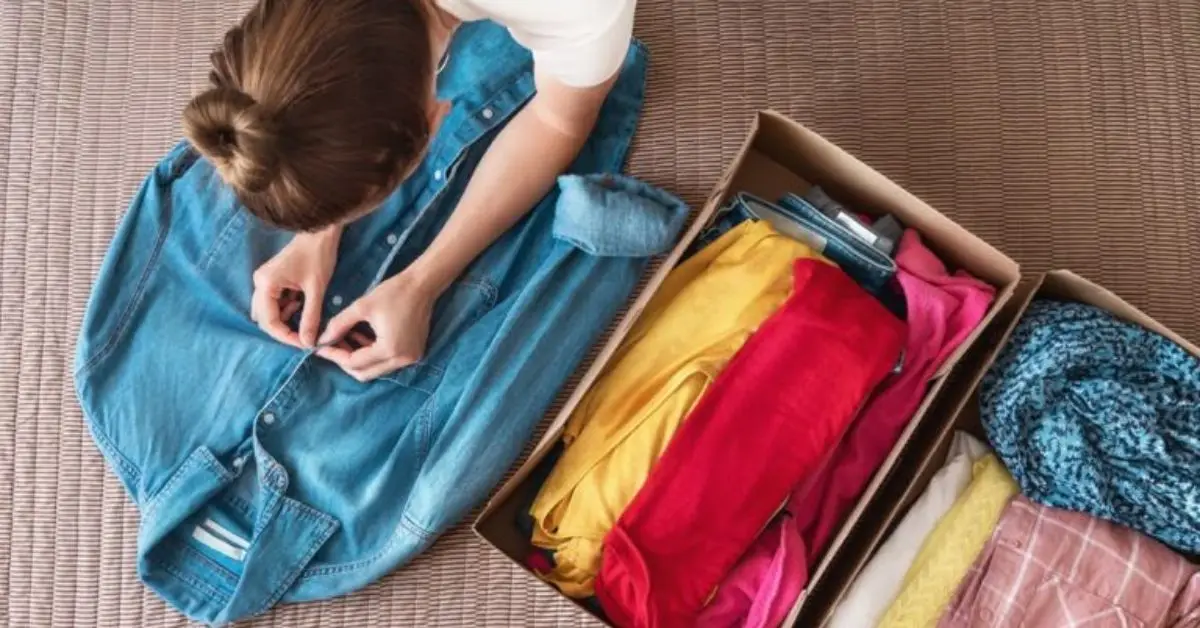
- Wash clothing
- Wipe down appliances
- Sanitize toys
- Remove dust and debris
If you wouldn’t hand it directly to someone in that condition, clean it first.
Test Everything
Before donating:
- Plug in electronics
- Check batteries
- Tighten screws on furniture
- Confirm all puzzle pieces are included
One broken item in a donation batch can cause an entire box to be rejected.
Package Smartly
- Keep similar items together
- Label boxes (Books, Kitchen, Toys)
- Secure cords and loose parts
- Disassemble furniture if required
Small preparation steps make a big difference.
And if clutter keeps creeping back — especially in your bedroom — you may want to check out 5 bedroom mistakes pro organizers spot in seconds (and how to fix them fast) so you’re not repeating the same cycle.
Confirm Drop-Off vs Pickup
Some charities:
- Offer scheduled home pickup
- Require appointments
- Have limited acceptance days
Always check first. It saves you time and frustration.
Common Mistakes When Donating Clutter
I’ve seen people donate with good intentions — and still get turned away.
Avoid these common mistakes:
Donating Broken Items
If it doesn’t work and isn’t repairable, it’s not a donation. It’s waste.
Ignoring Acceptance Rules
Every location has different policies. One Goodwill may accept furniture. Another may not.
Call or check online before loading your car.
Using Donation as a Guilt Dump
Donating should help someone — not transfer your trash to a nonprofit.
Ask yourself:
Would someone realistically buy or use this?
If the answer is no, dispose of it responsibly.
Not Getting a Receipt
If you plan to claim a tax deduction, always request documentation. Without it, you can’t substantiate your donation.
When You Should Sell Instead
I’m not going to pretend donating is always the smartest move.
Sometimes, selling makes more sense.
The mistake I see people make is emotional selling — trying to squeeze money out of items that realistically won’t move. That creates clutter with a price tag.
Here’s the simple decision filter I use.
Sell vs Donate: A Quick Decision Guide
Sell it if:
- It’s in high demand (brand-name, trending, lightly used)
- It’s worth $50+ and easy to ship or list
- You’re willing to photograph, list, message buyers, and wait
- It’s a specialty item (power tools, newer electronics, premium furniture)
Donate it if:
- It’s under $30 resale value
- It’s common (basic clothing, generic décor)
- You need it gone quickly
- The effort to sell exceeds the return
- You’ve already tried selling with no traction
I tell clients this all the time:
If you wouldn’t realistically take time off your weekend to sell it, donate it.
Time is currency too.
Where to Sell (If It’s Worth It)
If you decide to sell, choose the right platform based on the item.
For local pickup:
- Facebook Marketplace
- Craigslist
- OfferUp
Best for: furniture, appliances, gym equipment.
For brand-name or shippable items:
- eBay
- Poshmark
- Mercari
Best for: electronics, fashion, collectibles.
But here’s the truth — most everyday clutter isn’t resale gold. It’s utility. And utility often creates more impact when donated.
The goal isn’t to maximize every dollar.
It’s to maximize value — whether that’s financial or social.
So before you list it, ask yourself: Am I trying to recover money… or just delaying the decision?
If this guide helped you rethink what’s sitting in your home, tell me in the comments — what’s the hardest item for you to let go of?
And if you want more practical, no-nonsense advice on smart home upgrades, decluttering, and making your space work better for you, visit Build Like New. I break things down the way I would for a friend — clear, honest, and actually useful.
What are you selling — and what are you finally ready to donate?
Disclaimer: Donation policies, tax rules, and item acceptance guidelines can vary by organization and location. Always confirm directly with your local donation center before dropping off items. For tax deductions, consult a qualified tax professional or refer to current IRS guidelines to ensure compliance.