10 Winter Electrical Hazards Every Homeowner Must Fix Before a Fire Starts
Winter feels cozy—warm lights, blankets, and the hum of your heater—but I want you to pause for a moment and think about what’s happening behind the walls. Electrical fires are one of the sneakiest dangers in a home. They don’t announce themselves with smoke or flames right away. In fact, nearly a third of all home fires caused by electrical failures happen during the winter months. That’s when space heaters, electric blankets, and holiday lighting are running constantly, quietly putting extra stress on your home’s electrical system.
I’ve spent years helping homeowners understand these hazards, and I can tell you this: most people don’t realize how everyday habits can put them at risk. Overloaded outlets, improperly used extension cords, and hidden wiring issues can all turn a cozy winter night into a dangerous situation. But here’s the good news—you can prevent almost all of it with a few careful steps, and that’s exactly what I want to guide you through.
Before we dive into the specific hazards, ask yourself: when was the last time you really checked how your home handles the extra winter load? Flickering lights, warm outlets, or even buzzing switches are not just annoyances—they’re early warning signs. By paying attention now, you can stop small sparks from turning into something far more serious.
Why Winter Spikes Electrical Fire Risk — Data & Expert Insights
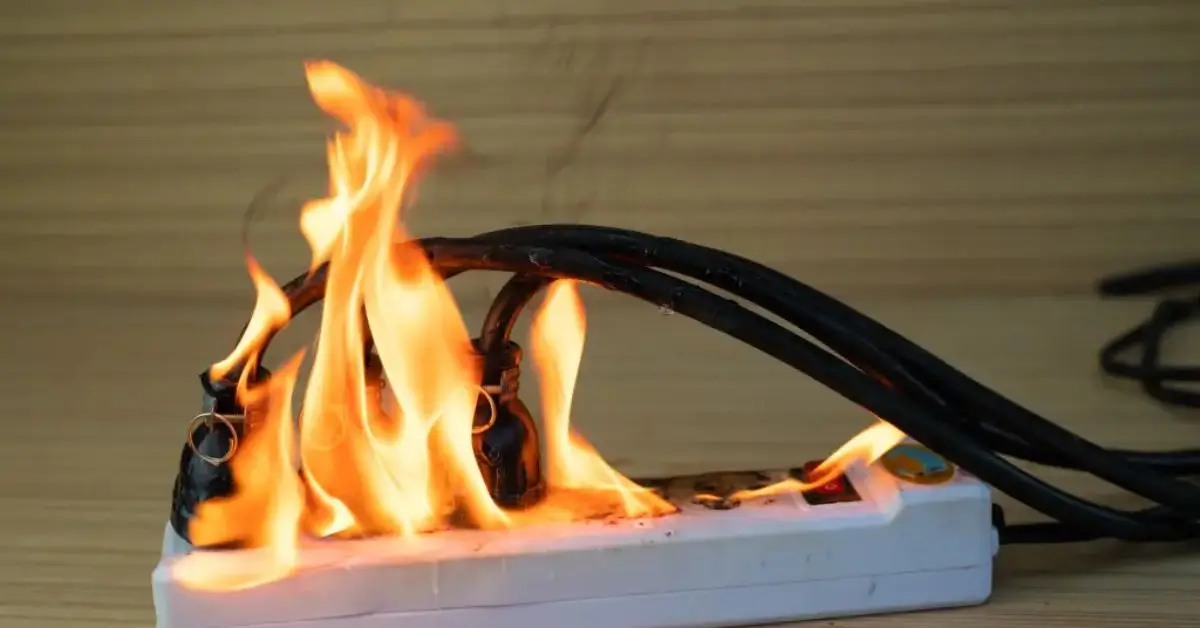
I want you to imagine this: your home is bustling with activity. The heater is on, the slow cooker is simmering, the electric blanket is warming the bed—and you might not even realize how much strain this puts on your electrical system. Winter isn’t just cold—it’s a time when our homes work harder than any other season, and that extra load can quietly turn into a serious hazard.
Nearly 30% of all home fires caused by electrical failures happen between November and February. That’s not a coincidence. Bob Marshall, CEO of Whisker Labs, explains it well: “The colder months coincide with increased use of appliances in the home. From space heaters to slow cookers, there are hidden electrical fire hazards in places that might seem harmless. Without proper use, these devices can become dangerous.”
Here’s what usually happens:
- Space heaters, electric blankets, and slow cookers draw a lot of power at the same time.
- People often use light-duty extension cords for high-wattage devices, which can overheat, melt, and even ignite.
- Overloaded outlets and circuits may start showing subtle warning signs, but many homeowners ignore them until it’s too late.
I want you to take this seriously, because a few simple habits can make the difference between a warm winter and an emergency. If you want clear, practical safety advice backed by national authorities, the U.S. Consumer Product Safety Commission’s winter heating safety tips are worth reviewing.
That guide emphasizes something I always tell people: don’t treat a space heater like another gadget. It’s a high‑power device with real fire risk if misused. Knowing why winter increases electrical stress on your home doesn’t just prepare you for the hazards ahead—it puts you in control of preventing them.
Hazard 1 — Space Heaters Misuse & Placement Errors
Space heaters are probably the #1 winter fire driver. I’ve seen homeowners think a heater is “safe enough” because it sits on the floor—but small mistakes can turn it into a hazard.
Here’s what I always tell people:
- Never plug a space heater into an extension cord or power strip. Even a short cord can overheat.
- Use only safety-certified products. Cheap heaters often skip key safety mechanisms.
- Avoid folding or compressing the heater’s cord or surface. Over time, this can damage insulation.
- Replace every 10 years. Old heaters are less reliable and more prone to overheating.
- Plug into an unused outlet on a low-traffic circuit. This reduces risk of overloading and accidental trips.
Other critical points most guides miss:
- Too close to flammable items: Keep heaters at least three feet away from curtains, furniture, and papers.
- Leaving heaters unattended: If you leave a room or go to bed, always turn it off.
Think of a heater as a controlled flame—it works well when respected, but can be deadly when ignored.
Hazard 2 — Overloaded Outlets & Circuits
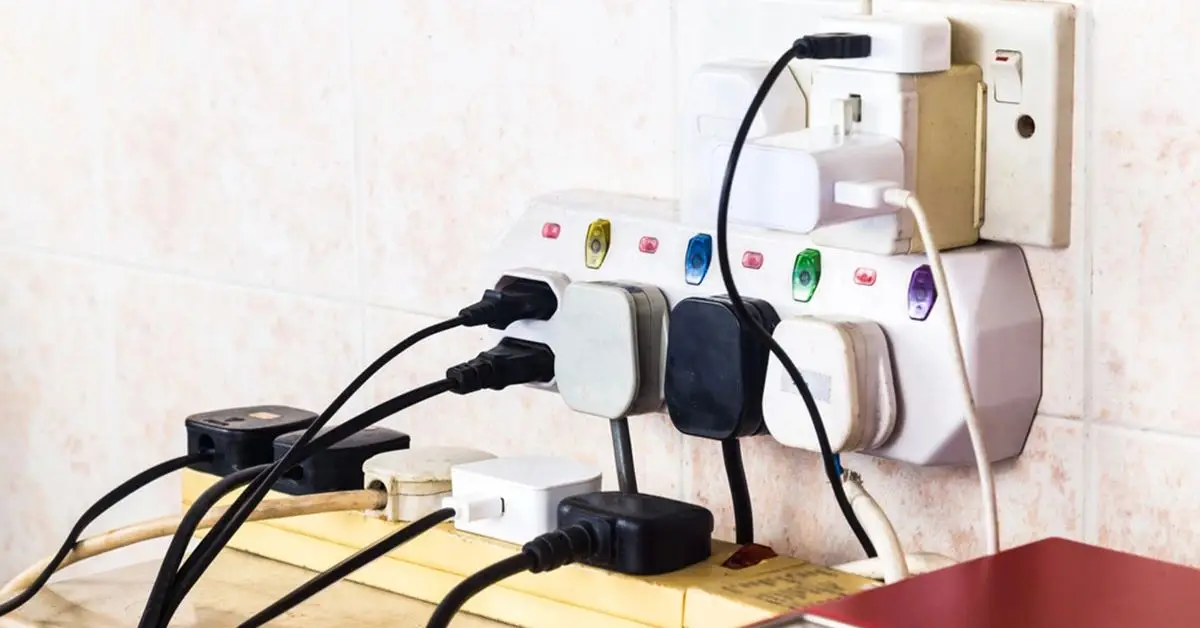
You might not notice it, but your outlets are silently screaming for attention. Overloading is a hidden winter killer because everyone plugs in more devices than the circuits can safely handle.
Watch out for these warning signs:
- Flickering lights—this is often caused by a loose connection or circuit strain.
- Buzzing sounds from outlets or switches.
- Warm or discolored outlets—never touch them; they indicate overheating.
Here’s what I suggest you do:
- Turn off the breaker if you notice persistent flickering.
- Schedule a licensed electrician to inspect the circuit.
- Spread out high-wattage appliances across different circuits.
- Avoid daisy-chaining power strips or overloading outlets in winter.
Recognizing these early warning signs can literally save your home. It’s not just about preventing a fire—it’s about knowing your house is safe so you can relax and enjoy the season.
Hazard 3 — Faulty or Damaged Cords & Plugs
I can’t stress this enough: frayed cords and damaged plugs are silent killers. You might not see a problem until it’s too late. I always tell homeowners to treat cords like the lifelines of their devices—they carry more than just electricity; they carry risk if neglected.
Here’s what you should do:
- Inspect cords before every use. Look for cracks, frays, or exposed wires.
- Replace old or damaged cords immediately. Even small cracks can lead to sparks.
- Use cords rated for the device’s power needs. High-wattage appliances like heaters, slow cookers, and space heaters need heavy-duty cords.
Taking these small steps can stop an electrical fire before it starts—and it costs far less than repairing fire damage.
Hazard 4 — Holiday Lighting & Decorations
The holidays make our homes look magical, but they also bring a spike in electrical fires. I’ve seen homeowners string lights and forget about the risks, especially when winter weather adds moisture to the mix.
Here’s how you can stay safe:
- Inspect lights before use. Look for broken bulbs, frayed wires, or cracked insulation.
- Use outdoor-rated lights and outlets with GFCI protection when decorating outside.
- Don’t overload circuits with long strings of lights or multiple plugs daisy-chained together.
Even a simple check before plugging in can prevent a disaster and keep your holiday season joyful instead of stressful.
Hazard 5 — Electric Blankets & Bedding Devices
Electric blankets feel cozy, but many people overlook the risks. I often find that homeowners keep the same blanket for years, fold it tightly, or leave it plugged in overnight without thinking twice. That’s a recipe for overheating.
Here’s my advice:
- Avoid folding or compressing the blanket—this can damage wiring inside.
- Replace every 10 years to ensure the internal heating elements are safe.
- Use only safety-certified products and unplug them when not in use.
A small habit like unplugging your blanket before bed can dramatically reduce your fire risk.
Hazard 6 — Outdated Wiring & Panels

This one is easy to overlook. Older homes, especially those built before 1990, may not have wiring or panels designed for today’s electrical load. I often see circuits that were fine decades ago now struggling under modern usage.
Here’s what to watch for:
- Homes pre-1990 should be evaluated by a licensed electrician.
- Frequent breaker trips or buzzing sounds are warning signs your panel may need an upgrade.
- Upgrade your panel if circuits are consistently overloaded—it’s an investment in safety that pays off.
For homeowners who want a thorough, professional guide to modernizing electrical systems and ensuring winter safety, I recommend this detailed winter electrical safety checklist from Smith & Keene.
Following these tips ensures that your home’s wiring can safely handle all the extra holiday and winter demands without putting you or your family at risk.
Hazard 7 — Unprotected Outdoor Outlets in Winter
Winter brings snow, ice, and moisture—and that’s exactly what makes outdoor outlets dangerous. I’ve seen homeowners treat their exterior outlets like they’re indoors, only to discover a short circuit caused by moisture.
Here’s how to protect yourself:
- GFCI outlets are mandatory for any outdoor plugs. They’ll cut power instantly if a fault is detected.
- Use weatherproof covers to shield outlets from snow and rain.
- Check cords and plugs before every use; cold temperatures can make plastic brittle and wires more prone to cracking.
Even a simple cover can prevent water from meeting electricity, saving you from an avoidable disaster.
Hazard 8 — Improper Use of Generators During Outages
Power outages are common in winter storms, and I get it—you want to keep your house warm and lights on. Generators are lifesavers during these outages, but there are common mistakes that could put your home at risk—here are 8 power outage mistakes electricians say could put your home at risk you should know before you plug anything in. But using a generator indoors or too close to your home can be deadly, causing fires or carbon monoxide poisoning.
Follow these rules:
- Set up your generator outside and far from doors or windows.
- Never operate indoors—even a garage isn’t safe.
- Keep the generator dry but ventilated; moisture and electricity don’t mix.
Proper placement and safe operation are simple habits that protect both you and your family.
Hazard 9 — Neglected Smoke & Carbon Monoxide Detectors
I can’t stress enough how much prevention matters. Even if you follow every other safety tip, an early warning can make the difference between catching a hazard and experiencing a tragedy.
Here’s what I always tell homeowners:
- Test detectors monthly to ensure they’re working.
- Replace batteries annually, or sooner if needed.
- Keep a fire extinguisher on hand—even in small areas like kitchens or near space heaters.
Smoke and CO detectors act as your last line of defense against hidden electrical fires. Don’t skip them.
Hazard 10 — Extension Cord Misuse in Winter

Kaiserslautern American
Extension cords seem harmless, but I see the same mistakes every winter. People pull cords from storage, plug in multiple heaters, and assume it’s fine. It’s not.
Here’s how to avoid trouble:
- No daisy-chaining cords. Connecting multiple cords together dramatically increases fire risk.
- Use cords rated for the device—indoor cords cannot safely handle high-wattage heaters.
- Outdoor-rated cords only for outside; check insulation and condition before use.
Small changes like these prevent a hazard from going unnoticed until it’s too late.
Early Warning Signs of an Electrical Fire
Knowing the symptoms is just as important as prevention. Here’s what I want you to watch for:
- Flickering lights — usually caused by a loose connection that can lead to arcing and heat buildup.
- Buzzing outlets or switches, hot or discolored faceplates.
- Unusual smells, like burning plastic or rubber.
- Audible cues — crackling, hissing, or popping sounds from outlets or cords.
If you notice any of these, turn off the breaker and call a licensed electrician immediately. Ignoring them is asking for trouble.
For a more detailed winter electrical safety guide, including outdoor outlets and generators, I recommend FirstEnergy’s winter safety tips — they provide practical advice you can apply today.
Quick DIY Winter Electrical Safety Checklist
I like to give homeowners simple, actionable steps they can follow right now. Think of this as your mini winter electrical audit—it only takes a few minutes, but it could prevent a disaster.
- Check smoke and carbon monoxide detectors to ensure they’re working. Replace batteries if needed.
- Inspect cords and appliances for frays, cracks, or damage before plugging anything in.
- Unplug space heaters, electric blankets, and other high-wattage devices when not in use.
- Follow Marshall’s advice for outlets and circuits: avoid overloading, don’t use extension cords for heaters, and watch for flickering lights or buzzing outlets.
Doing this regularly keeps your home safer and gives you peace of mind. You’ll know your winter setup isn’t secretly stressing your wiring.
When to Call a Professional Electrician
Sometimes DIY isn’t enough, and I want you to recognize the signs before a small problem turns into a major hazard. If you’re unsure about handling any wiring repairs or modifications yourself, check out these 8 electrical tasks homeowners should never do alone—it’s better to be safe than sorry. Call a licensed electrician if you notice:
- Frequent breaker trips — your circuits are overloaded or wiring may be faulty.
- Buzzing or heat in panels or outlets — signs of arcing or poor connections.
- Visible scorch marks around outlets, plugs, or cords.
These aren’t things to ignore. Even if you’re careful, winter stresses electrical systems in ways we can’t always see. Getting a professional involved early saves money, time, and potentially lives.
Conclusion
Winter doesn’t have to mean worry. If you follow the hazards we’ve covered—from space heaters and holiday lights to detectors and extension cords—you can enjoy a warm, cozy season without putting your home at risk. Following the steps in this guide, combined with other electrical fire prevention tips, can significantly reduce the risk of a winter disaster in your home. The key is awareness, small preventive steps, and acting quickly when warning signs appear.
Now I want to hear from you: which of these hazards surprised you the most? Have you taken any steps at home to winter-proof your electrical system? Drop a comment below and share your experience—we learn a lot from each other.
And if you want more practical guides like this one, visit Build Like New for expert advice on keeping your home safe, modern, and ready for every season.
Disclaimer: This article is for informational purposes only and is not a substitute for professional electrical advice. Always consult a licensed electrician for inspections, repairs, or concerns about your home’s electrical system. Build Like New is not responsible for any damage or injury resulting from the use of this information.