The Best Way to Clean Wood Kitchen Cabinets and Cut Through Grease
If you’ve ever wiped your kitchen cabinets and still felt that annoying sticky film, you’re not imagining it. That grime usually builds up slowly from cooking oils, steam, and dust floating around your kitchen every day.
I’ve seen this happen in many homes. At first, cabinets just look a little dull. Then one day you touch the cabinet door and realize it feels slightly sticky, even though you clean your kitchen regularly.
The problem is simple: when tiny grease particles from cooking mix with dust in the air, they settle on nearby surfaces. Over time, that layer becomes thick, tacky, and harder to wipe away—especially on wood cabinets near the stove.
What makes this tricky is that wood cabinets need a little more care than other kitchen surfaces. The wrong cleaner or too much scrubbing can damage the finish, fade the color, or leave dull spots that are hard to fix.
That’s why I’m going to show you the right way to degrease wood kitchen cabinets—using methods that actually remove sticky grease without harming the wood.
But before we start cleaning, there’s one important thing you need to know first: not all kitchen cabinets are finished the same way. Understanding that small detail can make a big difference in how safely and effectively you clean them.
Before we jump into the cleaning methods, tell me this: are your cabinets lightly greasy, or do they feel really sticky and hard to clean?
The Hidden Reason Kitchen Cabinets Get Sticky Over Time
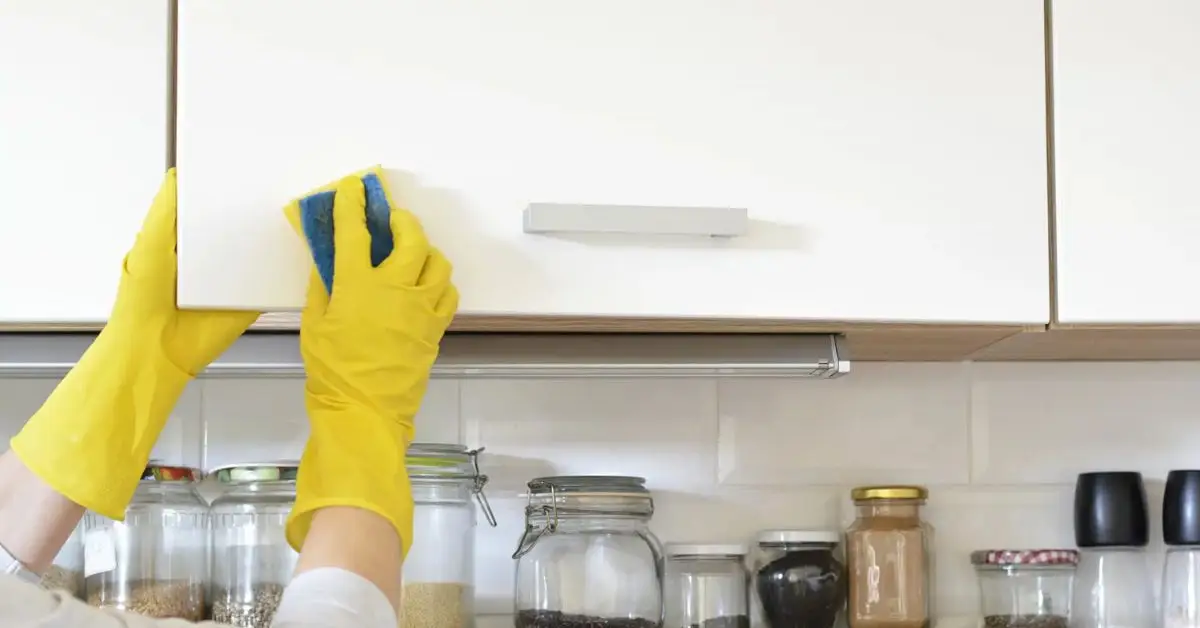
If your kitchen cabinets feel sticky even right after you’ve wiped them down, it’s not just “dirt” — it’s a layer of airborne grease that has slowly settled and bonded with dust over time.
I’ve cleaned enough kitchens to know this: everytime you cook, especially frying and sautéing, tiny oil particles float up into the air. They don’t just disappear — they land on nearby surfaces. Over weeks and months, those particles build up into a film that feels tacky, dulls the finish, and becomes harder to clean with a simple wipe.
A good way to see this in action is the cleaning comparisons in this practical experiment from The Kitchn.
Here’s what usually causes that sticky buildup:
- Cooking oils and fats thrown into the air by heat
- Steam and vapors that carry tiny grease droplets
- Dust particles that easily cling to oily surfaces
- Poor ventilation that lets grease particles circulate instead of escaping
Cabinets right above or beside your stove tend to feel this first because they’re directly in the path of rising heat and fumes.
Most people jump straight to cleaning methods — but I learned early on that if you don’t understand why the grease sticks in the first place, you end up chasing the problem forever. You might scrub hard, only to have that sticky feel come back in a few days.
By understanding how grease travels and settles, you’ll be better prepared to remove it and keep it from coming back as quickly.
Before You Start: Know Your Cabinet Finish (Critical Step Most Guides Skip)
Before you reach for any cleaner, take a moment and look at your cabinet surface. It might seem obvious, but cabinet finishes differ, and that affects what cleaner you should use.
Here’s why this matters: if you pick a strong degreaser that’s meant for metal or tile, you could:
- Strip the protective finish on wood
- Leave dull or cloudy spots
- Damage paint or veneer over time
And once that finish is damaged, no amount of cleaning will fix the look — you’ll be stuck refinishing or repainting.
So, let’s quickly break down common cabinet types:
Sealed Wood Cabinets
These are wood cabinets with a protective coating like lacquer or polyurethane.
Signs of sealed wood:
- Smooth, slightly glossy surface
- Water beads up instead of soaking in
Because they’re protected, you can use mild degreasers or gentle soapy solutions without worrying much about moisture damage.
Painted Cabinets
Painted cabinets look smooth, but the surface is actually a layer of paint over wood or MDF.
What to watch out for:
- Paint can wear off if scrubbed too hard
- Some cleaners can strip paint if they’re too strong
These need gentler cleaning and less moisture exposure.
Laminate Cabinets
Laminate isn’t real wood — it’s a thin synthetic layer bonded to a board.
What makes it different:
- Very smooth and even texture
- Moisture-resistant but can still be damaged by harsh chemicals
Laminate can take a little more moisture, but you still want to avoid abrasive cleaners that can dull the finish.
Why the Wrong Cleaner Can Damage Wood Cabinets
One of the biggest mistakes I see homeowners make is grabbing a powerful grease remover meant for stovetops. These products are great for metal surfaces, but they can strip the protective layers on wood or paint.
Another common error is using too much water. Wood expands with moisture. If it soaks in repeatedly, that can weaken edges and finishes over time.
Once you know what type of cabinets you have, you’ll be able to choose the right cleaning method — and that makes the difference between cabinets that look refreshed and cabinets that look worn out. If you want more safe cleaning ideas that won’t harm the finish, I also shared several practical techniques in this guide on how to clean wood cabinets without damaging them.
The Best Household Degreasers for Wood Cabinets
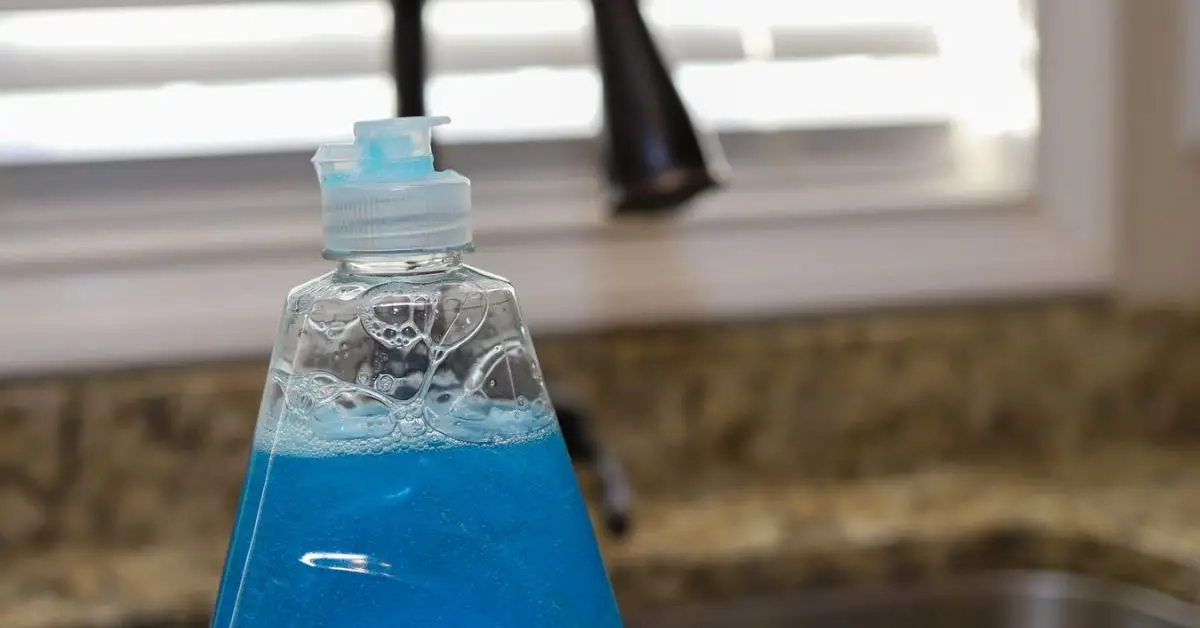
When someone searches how to degrease wood kitchen cabinets, they usually want something simple first. In my experience, most greasy cabinets can be cleaned with basic ingredients already sitting in your kitchen.
You don’t always need strong chemical cleaners. In fact, mild solutions often work better because they cut grease without damaging the wood finish.
Here are a few degreasers I’ve seen work consistently well.
Natural Degreasers That Actually Work
Dish Soap + Warm Water
If I had to choose one safe method for most wood cabinets, this would be it.
Dish soap is designed to break down grease on cookware, so it works just as well on cabinet surfaces.
Here’s how I usually mix it:
- 1–2 drops of dish soap
- 1 bowl of warm water
- A soft microfiber cloth
Then simply wipe the cabinet surface gently and follow up with a dry cloth.
Why this works:
- Dish soap breaks down oil molecules
- Warm water helps loosen sticky residue
- It’s safe for most cabinet finishes
This simple mix removes light grease without risking damage.
Vinegar Cleaning Solution
Vinegar is another popular kitchen cleaner because it can dissolve grease and grime.
A mild mixture works best:
- 1 part white vinegar
- 2 parts warm water
Use a soft cloth and wipe lightly rather than soaking the cabinet surface.
But here’s the important part: vinegar should be used sparingly on wood cabinets. Too much acidity can dull certain finishes over time.
So I usually recommend it for moderate grease buildup, not everyday cleaning.
Baking Soda Paste for Stubborn Grease
When grease has built up for months or even years, simple wiping may not be enough.
That’s when a gentle baking soda paste helps.
Mix:
- 1 tablespoon baking soda
- A few drops of water
You’ll get a soft paste that can lift stubborn grime.
Apply it with a cloth and rub lightly in circular motions. Baking soda works because it’s mildly abrasive, helping loosen grease without harsh scrubbing.
Just be careful not to press too hard on delicate finishes.
Store-Bought Degreasers Safe for Wood
Sometimes natural cleaners aren’t strong enough, especially if cabinets haven’t been cleaned in a long time.
That’s when I look for cleaners specifically made for wood surfaces.
Two reliable options include:
- Murphy Oil Soap, which is designed for finished wood
- Gentle cabinet or wood cleaners made for furniture and cabinetry
These cleaners are formulated to remove grease while protecting the cabinet finish.
Consumer testing sites such as New York Times Wirecutter often recommend using mild wood-safe cleaners instead of harsh degreasers when maintaining kitchen cabinets.
The key idea here is simple:
Use mild cleaners first, and only move to stronger solutions if grease buildup is heavy.
Once you’ve chosen the right cleaner, the next step is knowing exactly how to degrease the cabinets without damaging the wood.
Step-by-Step: How to Degrease Wood Kitchen Cabinets Properly
I’ve noticed that many guides list cleaning tips randomly. That usually leads people to scrub too hard or use too much moisture.
Instead, I like to follow a simple step-by-step process that removes grease while protecting the cabinet finish.
Step 1: Prepare the Cleaning Solution
Start with a gentle solution.
For most cabinets, this works perfectly:
- Warm water
- A few drops of dish soap
Dip a microfiber cloth into the solution and wring it out well. The cloth should be slightly damp, not dripping wet.
Too much water is one of the fastest ways to damage wood cabinets.
Step 2: Test on a Hidden Spot
Before cleaning the whole cabinet, test the solution on a hidden area.
Good places include:
- The inside edge of a cabinet door
- A corner near the hinge
- The underside of a cabinet
Wait a minute and check if the finish looks normal. If everything looks fine, you’re safe to continue.
Step 3: Wipe Cabinets the Right Way
Now start cleaning the cabinet doors.
A few simple habits make a big difference:
- Wipe with the wood grain, not against it
- Work in small sections instead of the whole cabinet
- Rinse the cloth often so you’re not spreading grease around
You’ll usually notice the cloth picking up yellowish residue. That’s the grease layer being removed.
Step 4: Remove Stubborn Sticky Grease
If certain spots still feel sticky, don’t start scrubbing aggressively.
Instead try one of these:
- Apply a little baking soda paste
- Let it sit for 30 seconds
- Wipe gently with a damp cloth
This helps loosen grease that has hardened over time.
Corners, handles, and cabinet edges often hold the most buildup.
Step 5: Dry and Protect the Wood Finish
After cleaning, always wipe cabinets with a dry microfiber cloth.
This step is important because it:
- Removes leftover moisture
- Prevents streaks
- Protects the cabinet finish
When cabinets are fully dry, they usually look brighter and feel smooth again.
How to Remove Years of Sticky Grease (Deep Cleaning Method)
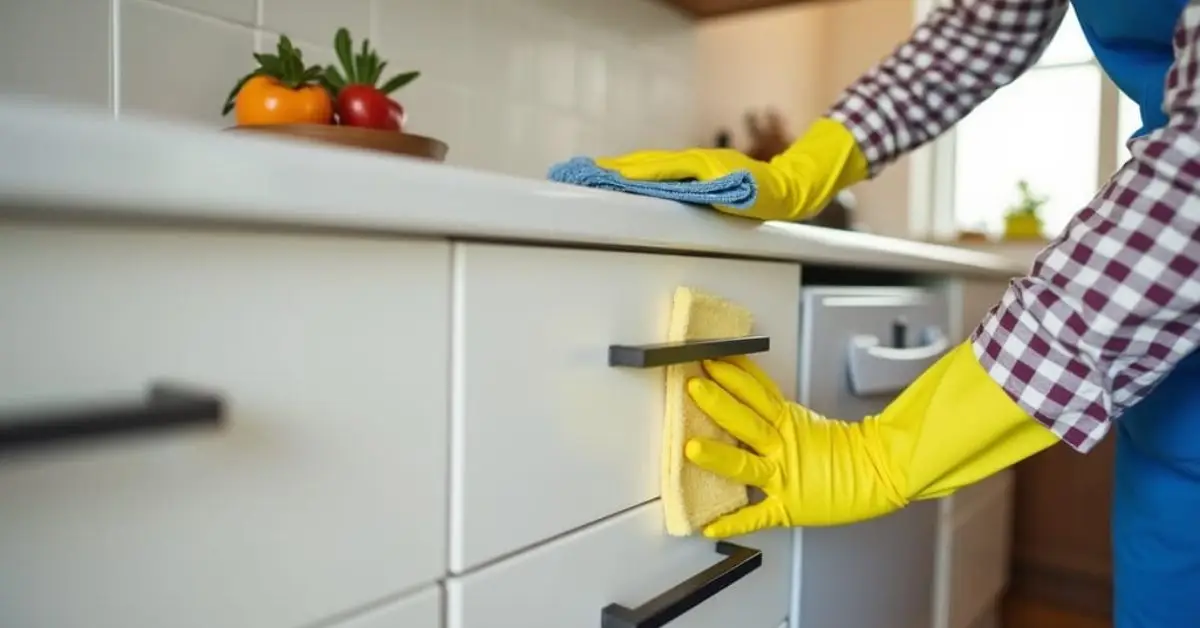
Sometimes cabinets haven’t been cleaned deeply for a long time. When that happens, grease layers become thicker and harder to remove.
If basic wiping doesn’t work anymore, it’s usually a sign the cabinets need deep degreasing.
Signs Your Cabinets Need Deep Degreasing
Here are a few clear signs I look for:
- Cabinet doors feel tacky even after wiping
- The finish looks cloudy or dull
- Grease collects around handles and edges
- Cabinets near the stove feel extra sticky
When you see these signs, a deeper cleaning approach works better.
Heavy Grease Removal Method
For deep buildup, a slightly stronger method helps lift old grease layers.
Baking Soda + Dish Soap Scrub
This combination works well because it mixes grease-cutting soap with a gentle abrasive.
Mix:
- 1 teaspoon dish soap
- 1 tablespoon baking soda
- A few drops of warm water
Use a soft cloth to apply it and rub gently over sticky spots.
This method works especially well around cabinet handles where oils from hands collect.
Citrus Oil Degreasers
Citrus-based cleaners are another useful option.
They work well because natural citrus oils help dissolve grease without harsh chemicals.
They’re often used for:
- Heavy kitchen grease
- Sticky cabinet residue
- Cleaning wood surfaces safely
Just make sure the product is labeled safe for finished wood.
Soft Brush Technique for Grooves
Cabinets with decorative grooves or raised panels often trap grease in small crevices.
For those areas I usually use:
- A soft toothbrush
- A soft detailing brush
Light brushing helps loosen grease from tight spots without damaging the wood.
Cleaning Mistakes That Can Ruin Wood Cabinets
One thing I’ve learned over time is that cabinets usually don’t get damaged from grease — they get damaged from incorrect cleaning methods.
A few common mistakes can slowly ruin the finish.
Avoid These Common Cabinet Cleaning Errors
Using Abrasive Scrubbers
Steel wool or rough scrubbing pads might remove grease, but they also scratch the cabinet surface.
Over time this leads to:
- Visible scratches
- A dull cabinet finish
- Worn protective coating
Always stick with soft cloths or microfiber towels.
Overusing Vinegar
Vinegar can help remove grease, but using it too often can slowly dull wood finishes.
Instead:
- Use vinegar occasionally
- Rely on mild soap solutions for regular cleaning
This keeps the cabinet finish looking fresh longer.
Letting Water Soak Into Wood
Wood and water don’t mix well over time.
If cabinets stay wet too long, you might notice:
- Swelling edges
- Warped surfaces
- Finish damage
That’s why I always recommend lightly damp cloths instead of soaking cabinets.
Spraying Cleaner Directly onto Cabinets
Spraying cleaners directly on cabinet doors seems convenient, but it can cause liquid to seep into seams and edges.
A safer approach is simple:
- Spray the cleaner onto your cloth first
- Then wipe the cabinet surface
This keeps moisture under control and protects the wood.
How Often You Should Degrease Kitchen Cabinets
One mistake I see a lot is waiting until cabinets feel sticky before cleaning them. By that time, grease has already built up in layers, which makes the job harder and more time-consuming.
From my experience, cabinets stay in much better shape when you follow a simple cleaning routine instead of occasional heavy scrubbing.
Cleaning guides like the one from Southern Living also emphasize that regular cabinet maintenance prevents grease buildup from becoming stubborn and sticky over time.
A basic routine usually works best.
Weekly Maintenance Routine
A quick wipe once a week can stop grease from building up.
You don’t need anything complicated. I usually recommend:
- A microfiber cloth
- Warm water with a drop of dish soap
Focus on the areas that collect grease the fastest:
- Cabinets above the stove
- Cabinet handles and knobs
- Frequently opened cabinet doors
This small habit only takes a few minutes but keeps grease from turning into that sticky layer. Keeping cabinets clean also becomes easier when they’re properly organized. If your storage areas feel messy or overcrowded, these genius kitchen organizers that help conquer cluttered cabinets can make both cleaning and daily use much easier.
Monthly Degreasing
Once a month, I like to do a more thorough wipe-down.
During this cleaning:
- Wipe all cabinet doors
- Clean the edges and frames
- Remove grease around handles and corners
Monthly cleaning helps remove buildup that weekly wiping might miss.
It also keeps the wood finish looking bright instead of dull.
Deep Cleaning Schedule
Even with regular care, grease can slowly accumulate over time—especially if you cook often.
That’s why I usually recommend a deeper cleaning every:
- 3–6 months for most kitchens
- 2–3 months if you cook frequently with oils or frying
During deep cleaning, you can use baking soda paste or gentle wood cleaners to remove older grease layers.
Following this schedule prevents cabinets from ever reaching that heavy, sticky stage that takes hours to clean.
Pro Tips
After seeing many kitchens over the years, I’ve noticed something interesting.
The cabinets that stay clean the longest usually belong to people who follow a few simple preventive habits.
Cleaning professionals often focus less on heavy scrubbing and more on stopping grease from settling on cabinets in the first place.
Here are a few tricks that really help.
Use Range Hood Ventilation
One of the easiest ways to reduce grease buildup is using your range hood or kitchen exhaust fan while cooking.
Ventilation helps:
- Pull grease particles away from cabinets
- Reduce steam and cooking vapors
- Prevent oily residue from settling on surfaces
Even running the fan for a few minutes after cooking can make a noticeable difference.
Cabinet Wax or Polish
Applying cabinet polish occasionally can help protect the surface.
A light layer of cabinet wax or polish can:
- Reduce fingerprints
- Make grease easier to wipe off
- Restore shine to wood cabinets
Just make sure the product is made for finished kitchen cabinets, not flooring or heavy furniture polish.
Quick Wipe After Cooking
This is probably the simplest habit that keeps cabinets looking clean.
Right after cooking, grease particles haven’t hardened yet. A quick wipe removes them before they stick.
I usually recommend wiping:
- Cabinets above the stove
- Nearby cabinet edges
- Handles and knobs
It takes less than a minute, but it prevents that sticky buildup that many people struggle with later.
The Smart Way to Keep Cabinets Looking New
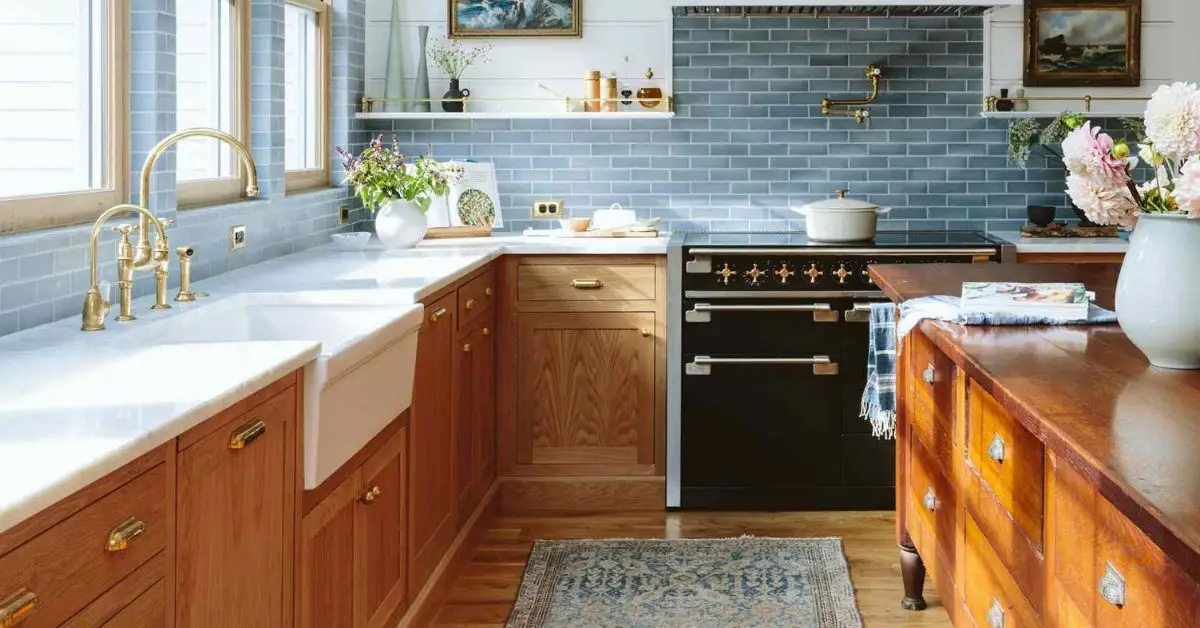
After cleaning hundreds of kitchens, I’ve noticed one thing: the cabinets that stay looking new aren’t necessarily cleaned with special products. They’re maintained with small habits that prevent grease from building up in the first place.
Once you remove that sticky layer, keeping cabinets clean becomes much easier. And if your cabinets still look outdated even after a deep clean, you might like these easy ways to transform outdated wood cabinets into modern kitchen features. A few simple routines can help you avoid heavy scrubbing later.
Simple Habits That Prevent Grease Buildup
Here are a few habits I always recommend to homeowners who want their cabinets to stay clean longer.
Daily wipe habit
You don’t need to clean the entire kitchen every day. A quick wipe of key areas makes a big difference.
Focus on:
- Cabinets above the stove
- Cabinet handles and knobs
- Edges of frequently used cabinet doors
A slightly damp microfiber cloth is usually enough to remove fresh grease before it hardens.
Proper ventilation
Good ventilation reduces the amount of grease floating around your kitchen.
Whenever you cook:
- Turn on your range hood or exhaust fan
- Let it run for a few minutes after cooking
This helps pull oil particles out of the air before they settle on cabinets.
Cabinet protectants
Occasionally using cabinet-safe polish or protectant can help create a thin protective layer.
This can help:
- Reduce fingerprints
- Make grease easier to wipe off
- Keep wood cabinets looking shiny and fresh
Just make sure the product is designed specifically for finished wood cabinets.
Keeping cabinets clean doesn’t require complicated tools or expensive cleaners. Most of the time, consistent small habits work better than occasional deep scrubbing.
Now I’d love to hear from you.
Have you tried any of these cabinet cleaning methods in your kitchen?
Did you deal with light grease, or were your cabinets extremely sticky?
Share your experience in the comments — your tips might help someone else dealing with the same problem.
And if you enjoy practical home improvement and maintenance guides like this, you can explore more helpful tutorials and expert tips on Build Like New. It’s where I regularly share simple ways to keep your home cleaner, stronger, and looking its best.
Disclaimer: The cleaning methods shared in this guide are for general informational purposes. Always test any cleaner on a small hidden area of your cabinet first to ensure it doesn’t damage the finish. Results may vary depending on cabinet material, age, and existing coatings. For delicate, antique, or specialty cabinets, consider consulting a professional before deep cleaning.