12 Trendy Curtains That Instantly Upgrade Your Living Room
When I first started thinking about updating my living room, I realized that curtains can do more than just cover windows—they can completely change the vibe of a space. I’ve spent years experimenting with colors, textures, and lengths, and honestly, the right curtain can make your room feel taller, cozier, and more pulled together without a full renovation.
In this article, I want to share 12 living room curtain ideas that I’ve tried or recommended to others—ideas that actually work in real homes, not just in glossy magazine photos. By the end, you’ll have practical options to elevate your space, whether you’re after calm neutrals, bold statements, or layered textures that feel luxurious.
1. Neutral Minimalist Curtains for Calm and Versatile Style
When I first started updating my living room, I realized how powerful a simple neutral curtain can be. Neutral shades like beige, cream, greige, or soft gray don’t just blend in—they create a calm backdrop that lets your furniture and décor shine. I often suggest neutral curtains to anyone who wants a space that feels timeless and flexible.
Here’s why I love them:
- Light reflection: Neutral tones bounce natural light around the room, making even small spaces feel brighter and airier.
- Versatility: Whether your sofa is bold or subtle, neutral curtains pair effortlessly with most color palettes.
- Easy layering: They provide a perfect base if you want to experiment later with patterned throws or cushions.
If you’re unsure where to start, this guide from ColorVisit on neutral curtain shades offers a helpful overview of the best neutrals for living rooms and tips on pairing them with your décor.
2. Bold Jewel Tones for Visual Impact
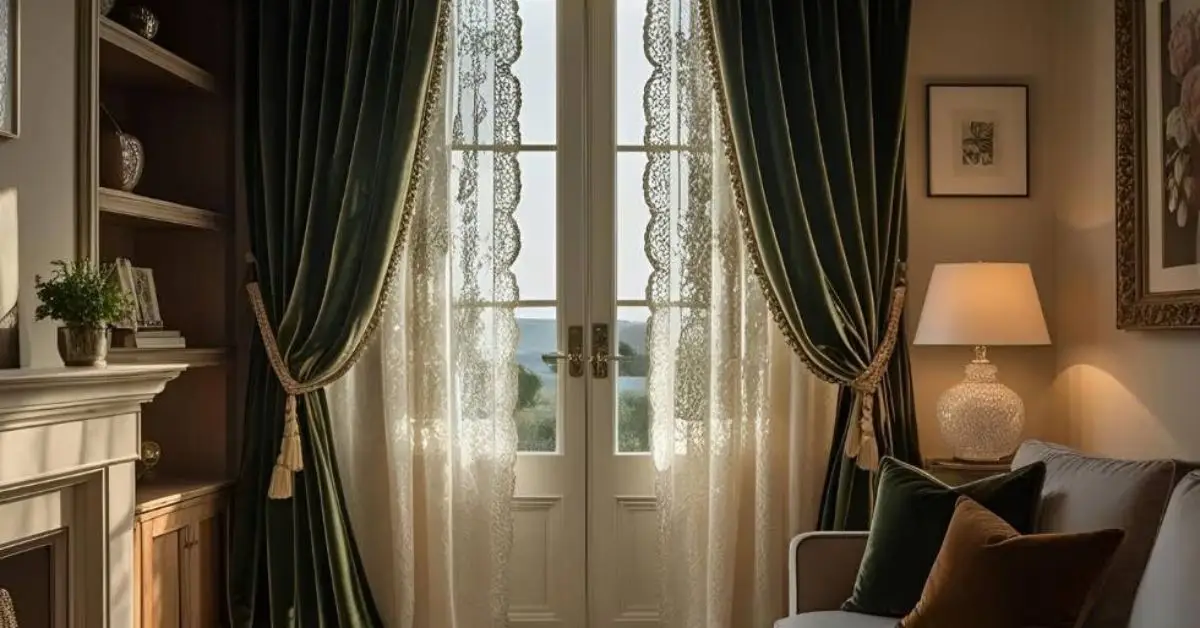
I know it can feel risky to choose a curtain color that really pops, but jewel tones like emerald, peacock, or deep blue can completely transform your living room. When I first tried emerald curtains in my own space, it felt like the room suddenly had more personality and energy.
Here’s how I think about bold curtains:
- Anchor the room: Vibrant curtains immediately draw the eye, giving your living room a strong focal point.
- Pair with accents: I like matching jewel-toned curtains with metallic touches—think bronze or gold picture frames—or with natural wood furniture to balance the richness.
- Coordinate carefully: Complementary cushions or art pieces make the space feel intentional, not overwhelming.
Bold colors aren’t just a trend—they’re a statement, and when you get it right, your living room feels curated and lively.
3. Layered Curtains: Sheer + Blackout for Style + Function
One thing I’ve learned over the years is that functionality doesn’t have to come at the expense of style. Layering a sheer curtain with a blackout panel is my go-to strategy for getting the best of both worlds.
Here’s how I approach it:
- Privacy vs. light: Sheers let in soft, filtered light during the day, while blackout curtains give you full privacy and darkness when needed. If you’re wondering how much your curtains can actually impact room temperature, I’ve broken down the truth about keeping your living space warmer in this detailed guide.
- Flexibility: I often adjust the layers depending on the time of day, which makes the room feel more dynamic.
- Hanging tips: Make sure the rods are spaced well so the curtains don’t bunch, and let the sheers slightly overlap the blackout panel for a polished look.
Layering is one of those tricks that looks professional even if you’re doing it yourself. I promise, once you try it, you’ll never want to go back to a single panel.
4. Floor-to-Ceiling Panels to Instantly Lift Your Space
If you want your living room to feel taller and more spacious, mounting your curtains from floor to ceiling is a simple trick that works like magic. I tried this in my apartment, and it immediately gave the room a sense of height that no paint color or furniture rearrangement could achieve.
Here’s what to keep in mind:
- Mounting height: Install the curtain rod a few inches above your actual window frame to create the illusion of higher ceilings.
- Fabric choice: I prefer lightweight fabrics for a floating effect, but if you go heavy, make sure it doesn’t drag awkwardly on the floor. Adding a simple trick like drapery weights can instantly make your curtains look tailored and high-end without spending a fortune.
- Consistency: Keep all your windows uniform in height; it visually elongates the room and creates cohesion.
For more practical tips on scaling curtain panels with your room, I like the guide from The Architects Diary—they explain how the right panel height can completely change the perception of your living space.
5. Layering Textures for Depth and Luxury

One thing I’ve learned over the years is that texture can completely transform a room, even without changing the color scheme. Using curtains in materials like velvet, linen, or brocade not only adds visual depth but also subtly improves acoustics in your living room.
Here’s how I think about textures:
- Velvet: Perfect for a luxurious, cozy feel—especially in cooler months.
- Linen: Light, breezy, and casual; ideal for a relaxed, airy vibe.
- Brocade or jacquard: Adds a touch of sophistication with patterns woven into the fabric.
- Practical tip: Use heavier textures for focal windows and lighter textures for secondary windows to balance the room.
- Interior style tie-in: Textured curtains can echo other materials in your space, like upholstered furniture or area rugs, creating a cohesive, layered look.
For more inspiration on mixing curtain textures effectively, I like the examples shared in the STE Template Project on layered fabrics—they show how different materials work together without overwhelming a room.
6. Color Combinations That Work (and Why)
I’ve noticed that while many people love bright or neutral curtains, they often struggle to pair them with walls and furniture. Over the years, I’ve found a few color duos that consistently elevate a living room:
- Navy + White: Bold but classic, gives your room a clean, structured feel.
- Beige + Brown: Cozy and warm, perfect for earthy interiors.
- Soft Gray + Pop Color: Neutral with a playful twist—think gray curtains with mustard or teal cushions.
Here’s how I choose combinations in my own space:
- Consider your walls first—curtains should either blend subtly or create a controlled contrast.
- Use furniture as a guide—match or complement tones in sofas, chairs, or rugs.
- Balance is key—one bold element per wall/window works best to avoid visual chaos.
7. Patterned Curtains for Subtle Personality
Patterns can be intimidating, but I’ve found that they add personality without overwhelming the room when done right. Botanical and geometric prints are my favorites—they bring interest and can subtly draw the eye toward your windows.
Here’s what I keep in mind:
- Pattern scale: Large patterns can make a small room feel smaller, while smaller prints feel lighter and more airy.
- Mixing with solids: I always pair patterned curtains with solid furniture or walls to avoid a cluttered look.
- Practical tip: Use patterned curtains on a single feature window to create a focal point without dominating the space.
8. Accent Curtain Styles: Tiebacks, Valances, Cafe Curtains
Sometimes, it’s the small details that make a curtain feel finished. I’ve started experimenting with tiebacks, valances, and cafe curtains, and each adds a different layer of style and functionality.
Here’s my approach:
- Tiebacks: Useful for controlling sunlight and framing your window elegantly.
- Valances or cafe curtains: Great for top‑window decoration or semi‑privacy in smaller spaces.
- Decorative trims: Add subtle flair, like tassels or contrast piping, without overwhelming the room.
9. Curtain Hardware Matters (Rods, Finials, Tracks)

I used to think curtain hardware was just functional—until I realized it can make or break the look of a room. The rods, finials, and tracks you choose are actually part of your décor.
Here’s what I keep in mind:
- Rod finishes: A sleek metal or matte black rod can instantly elevate your curtains, making them look intentional rather than an afterthought.
- Mounting systems: I choose minimal, hidden brackets for a modern look, but decorative finials for a more traditional or layered style.
- Sizing tips: Make sure the rod extends beyond the window frame—usually 4–6 inches on each side—to let the curtains fully open without blocking light.
Even small details like the rod style or finial shape can add polish, so don’t underestimate hardware.
10. Trend Forecast for Curtain Styles in 2026
I like keeping my living room fresh without doing a full renovation every year. That’s why I pay attention to curtain trends that are gaining momentum. In 2026, a few styles are really standing out:
- Natural prints: Leaves, subtle florals, and organic textures are making curtains feel connected to nature.
- Color-blocking: Bold panels paired with neutrals or multiple contrasting colors give a modern, curated vibe.
- Statement sheers: Lightweight fabrics with unique patterns or embroidery are no longer just filler—they’re focal points.
My tip: adopt trends with small investments first, like a single accent window, before committing to all your windows. This keeps the room current without overwhelming your style.
11. Curtain Mistakes to Avoid
Even experienced decorators make small errors that affect how curtains look in a room. I’ve learned the hard way what to watch out for:
- Too small or short panels: Curtains that barely reach the floor or are too narrow make your room feel chopped and cramped.
- Overly stark colors: Bright whites or overly cool tones can feel cold; warmer shades like soft beige, cream, or muted pastels make the room feel inviting.
- Ignoring balance: Curtains should harmonize with furniture, rugs, and walls. A mismatch can make even a beautiful curtain feel out of place.
Avoiding these common mistakes is an easy way to make your living room feel intentional and well-styled.
12. Quick Styling Checklist Before You Buy
Before I commit to any curtain purchase, I always run through a simple checklist to make sure the investment is worth it:
- Measure first: Height and width matter—always measure twice before buying. I’ve also highlighted common curtain-hanging mistakes and exactly how to fix them to ensure your panels look polished every time.
- Decide function: Are you looking for privacy, light control, or purely decorative curtains? Knowing this upfront avoids surprises.
- Match or contrast: Think carefully about whether your curtains will blend in, provide subtle contrast, or make a bold statement.
Following this checklist has saved me from buying panels that didn’t fit or felt off with the room, and it’s a habit I recommend to anyone updating their living room.
Bringing It All Together: Elevate Your Living Room with the Right Curtains
After trying different styles, colors, and textures myself, I can say this with confidence: the right curtains do more than just cover your windows—they change the mood, enhance space perception, and tie your entire living room together. From calm neutrals to bold jewel tones, from layered sheers to floor-to-ceiling panels, every choice has the power to make your space feel intentional, cozy, and stylish.
I’d also love to hear from you—which curtain style are you most excited to try in your living room? Drop a comment below and share your thoughts or dilemmas. Your experience might inspire someone else in our community!
Take a moment to check out the quiz and start designing a living room that truly feels like you—only at Build Like New.
Disclaimer: The tips and ideas shared in this article are for general informational and design purposes. Results may vary depending on your space, personal preferences, and materials used. Always measure carefully and consult professionals if needed before making major purchases or changes.