16,000 People Are Still Sleeping Away From Home Because of a Leaking Tank at an Aerospace Factory
Some people have been sleeping in hotel rooms since last Thursday. Others are on relatives’ couches, waiting on a situation nobody gave them a real timeline for.
This started as a malfunctioning industrial tank at an aerospace plant. It became one of the largest forced evacuations Orange County has seen in modern history.
And for 16,000 families living closest to GKN Aerospace’s Western Avenue facility in Garden Grove, the wait is not over yet.
The Tank That Started Everything
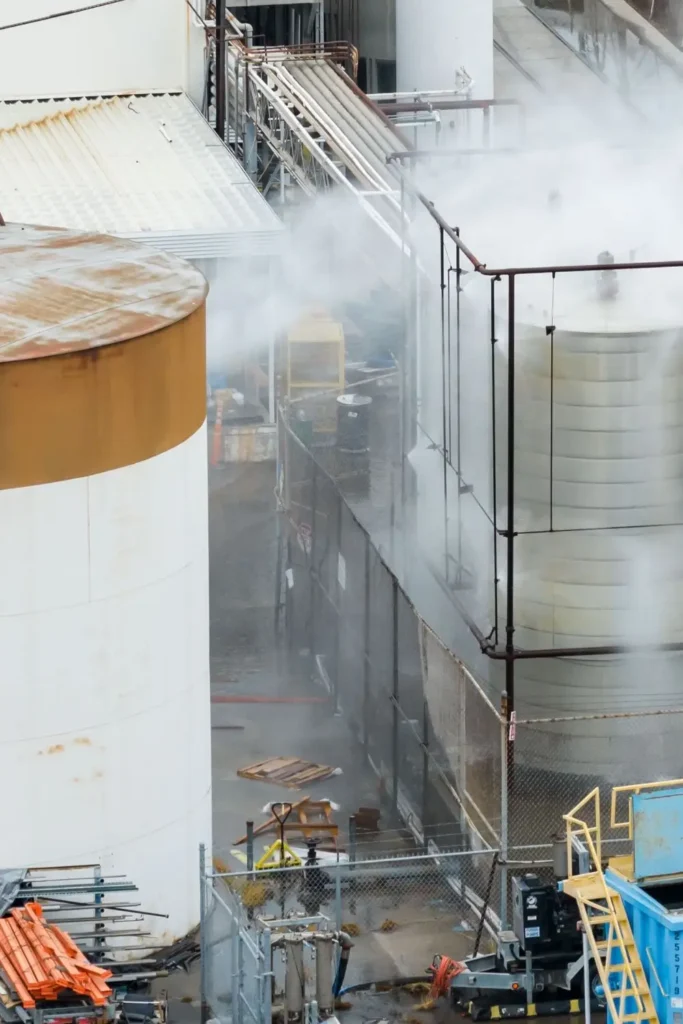
On May 21, 2026, a 34,000-gallon storage tank at GKN Aerospace’s facility began overheating. Inside: methyl methacrylate, or MMA, a highly flammable and volatile chemical used in acrylic plastics and aircraft manufacturing.
Fire crews arrived and began cooling it with water hoses. But the valves that control the transfer of the chemical were broken. Crews could not drain or move the MMA out.
That broken valve is the entire reason 16,000 families are still locked out.
How 50,000 People Got Displaced in Three Days
By May 22 and 23, evacuation orders had stretched across six cities: Garden Grove, Cypress, Stanton, Anaheim, Buena Park, and Westminster.
At peak, more than 50,000 residents were displaced. Governor Newsom declared a state of emergency. Federal assistance was requested.
On May 25, a crack in the tank released enough pressure to eliminate the BLEVE threat, a Boiling Liquid Expanding Vapor Explosion. The OC Fire Authority allowed 34,000 residents home.
But 16,000 remain out. The tank temperature was still at 92 degrees as of May 26. OC Fire Captain Wayhowe Wong confirmed the situation is “greatly reduced but still present.”
You can follow the latest updates from KNX News on the 16,000 displaced residents still waiting to return home.
What This Chemical Actually Does to the Body
Most coverage skipped this. Residents deserve a straight answer.
MMA vapor is heavier than air. It settles close to the ground. Short-term exposure causes respiratory irritation, eye and skin burning, headaches, and dizziness. High exposure can trigger severe shortness of breath and fluid buildup in the lungs.
Pregnant women, young children, the elderly, and people with heart or lung conditions face the highest risk. That is not a footnote. That is a description of exactly who lives in a dense residential neighborhood like this one.
And beyond the chemical risk, thousands of evacuees were also left worrying about what was happening back at their empty homes. We covered that angle in detail: how the Garden Grove leak forced 50,000 residents to abandon their homes and worry about break-ins from miles away.
If you follow stories where communities get caught in situations they never prepared for, WhatsApp covers these housing and community impact stories as they develop.
Who Is Being Held Responsible
On May 23, a class-action lawsuit was filed against GKN Aerospace by X-Law Group P.C. and Presidio Law Firm LLP. The lawsuit alleges negligence, public nuisance, and strict liability for running hazardous industrial operations next to residential neighborhoods.
Damages sought include hotel costs, displacement harm, property damage, and future medical monitoring rights.
Attorney Filippo Marchino stated publicly: “Garden Grove families did not sign up for this.”
OC Supervisor Janet Nguyen said she is reviewing every permit GKN held and whether safety standards were enforced. GKN’s parent company Melrose Industries projected 2026 revenues of up to 3.95 billion British pounds. The resources to answer for this exist.
This story also puts a spotlight on how fast a home goes from safe to something else entirely. The elderly couple found dead in their Bermuda Dunes home after a devastating scam is a different situation, but the same truth: home is supposed to be where people feel protected.
Why This Matters
50,000 people displaced. Six cities. A state of emergency. A week with no return date.
The California Department of Public Health issued a formal advisory confirming MMA’s serious respiratory and neurological risks for affected residents. Read the full CDPH health advisory on methyl methacrylate directly.
The real question this incident raises is not just what went wrong inside that tank.
It is why a facility storing tens of thousands of gallons of a toxic, explosive chemical was permitted to operate inside a neighborhood where families live, children go to school, and elderly residents have no easy way to evacuate.
Courts, supervisors, and Congress are now looking at that question. The answer will matter long after the tank cools down.
Key Takeaways
- Incident began May 21, 2026 at GKN Aerospace’s Western Ave facility
- A 34,000-gallon MMA tank overheated; broken valves blocked safe chemical transfer
- 50,000+ residents across six cities were evacuated at peak
- Governor Newsom declared a state of emergency
- A tank crack on May 25 eliminated the explosion threat
- 34,000 residents returned; 16,000 remain locked out as of May 26
- A class-action lawsuit was filed May 23 against GKN Aerospace
Should a facility like GKN be allowed to reopen in the same residential neighborhood after this? Or is it time for California to take a harder look at industrial zoning policy? Drop your take in the comments.
Wrapping Up
16,000 families did not choose to leave. They were told to, often with no more than a bag and no idea when they could come back.
If stories like this are what you follow, Build Like New covers real community impact, housing, and the human side of these situations regularly. Worth bookmarking.
For more as stories break, follow Build Like New on X (Twitter) and join the conversation on the Facebook community.
Disclaimer: This article is for informational purposes only, based on publicly available reports at the time of publication.