Arkansas Mobile Home Fire Leaves Two Dead, Officials Say
I’ll be honest with you — stories like this stay with me. When I first heard about the fire in Cherry Valley, it wasn’t just another headline. It was the kind of incident that makes you stop for a moment and think about how quickly a normal day can turn into something no family ever imagines.
Two people — a father and his stepson — didn’t make it out of their mobile home alive. And as I went through the details confirmed by the Cross County Medical Examiner, I realized you and I aren’t just reading about a fire… we’re looking at a chain of decisions, instincts, and split-second reactions that ended in tragedy.
Before you go deeper into what happened, I want you to stay with this thought: every fire tells a story, but this one tells two — a man trying to protect his home, and a stepson doing everything he could to save him.
What’s your first reaction when you read something like this — the fire itself, or the human instinct behind it?
What Happened in the Arkansas Mobile Home Fire?
If you saw the first breaking report from WREG, you probably noticed how quickly the facts lined up: a quiet Friday afternoon, a mobile home on Highway 1, and two people who never made it back out.
When I went through the details, the moment that hit me hardest was how ordinary everything seemed before the fire. A father, Michael Boger, and his stepson, Samuel Daqqaq, were just burning debris in the yard — something people do all the time in rural Arkansas. Nothing dramatic. Nothing unusual.
But that small fire didn’t stay small.
The flames jumped, spread toward the mobile home, and within minutes, the situation turned into something neither of them could control. By the time the first call reached 911, the fire had already taken over the structure.
How the Fire Started — What Investigators Confirmed
When you read official fire reports long enough, you start to notice patterns. And here, the pattern was familiar but still heartbreaking.
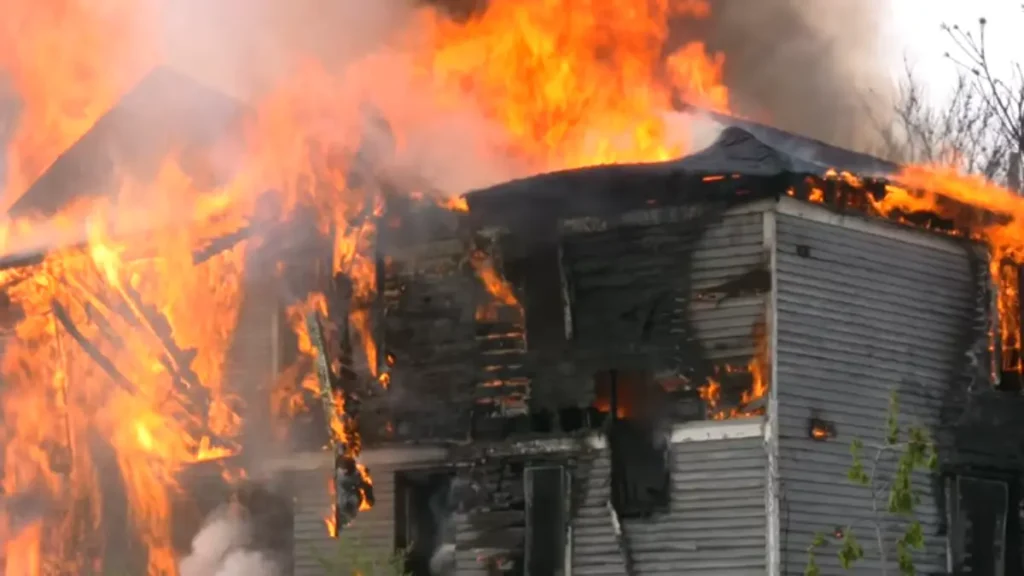
Authorities believe the fire started when flames from a pile of burning leaves near the mobile home spread toward the structure. There was no indication of foul play, no electrical fault, no accelerant — just a yard fire that got away from them.
The sheriff explained it in simple terms: they were burning something, it got out of control, and once the fire reached the home, everything changed.
I want you to picture this for a second: you step away from a leaf pile for a moment, maybe to grab water or check on something — and a gust of wind or a stray spark is all it takes. Fires don’t wait for you to notice them. And once they enter a mobile home, the countdown is brutally short.
The Final Moments — A Stepson’s Fight to Save His Father
This is the part of the story where I had to pause. Not because of the fire, but because of what Samuel Daqqaq did without hesitation.
Witnesses saw Boger go back into the home — maybe trying to grab something, maybe trying to fight the fire from inside. We may never know exactly why. But we do know what happened next: Samuel ran after him.
He didn’t wait for firefighters. He didn’t panic and run. He reacted like someone who believed he could still pull his father out.
A neighbor saw him running with a pot of water, trying to control the flames. When that wasn’t enough, he went to the doorway. Then he went to the window. Then he smashed the glass and climbed inside.
Those weren’t random actions. Those were the actions of someone trying again… and again… and again.
I want you to think about the instinct behind those choices — because that’s the real heart of this story. It wasn’t just a fire. It was a man refusing to leave someone he loved behind.
Eyewitness Account — “There Were Explosions”
When I read the neighbor’s account, the urgency in his words felt real. He didn’t speak like someone recalling a news event — he sounded like someone who watched a tragedy unfold faster than he could process.
He talked about a sudden explosion behind the mobile home that made the fire double in size. He was on the phone with 911 when it happened. One second he thought he might be able to help, and the next, the doorway was engulfed in flames.
What struck me most was the moment he hesitated — not out of fear, but because the fire crossed the point where a human being could step inside and survive. He watched Samuel try the window. He saw him break it. He watched him climb through.
Then the flames swallowed the inside of the home. And Samuel never came back out.
I’ve seen similar situations in other fire tragedies too, like the Hardin County home fire that left one man dead — that same sudden shift from “maybe we can help” to “this is already too far gone.”
Fire Department Response — Cherry Valley & Wynne Crews Arrive
Fire crews from two departments rushed to the scene: Cherry Valley and Wynne. I want you to imagine what they saw as they pulled up — a mobile home already burning from multiple points, thick smoke pushing out of broken windows, and neighbors watching helplessly.
Mobile home fires don’t give firefighters much time. By the time they arrive, the structure is often too unstable to enter.
And here, witnesses said by the time the trucks rolled in, the inside of the home was already consumed.
Why Mobile Home Fires Spread So Fast?
If you’ve ever walked through a mobile home, you already know the layout is tight, the walls are thin, and there aren’t many escape paths. Once a fire gets inside, it moves like it’s looking for fuel — and everything becomes fuel.
The construction materials catch quickly. Heat builds faster than your body can process. And smoke fills the space long before flames reach someone trying to get out. People imagine fire as the main danger, but in homes like this, it’s almost always the smoke that takes over first.
I want you to picture how fast things changed in this case. From the moment the flames touched the structure, Samuel and Michael had minutes — maybe less. Most people don’t realize how unforgiving that timeline is until it’s too late.
I often share quick safety breakdowns and real incident lessons on a WhatsApp update feed where people follow local fire stories, and cases like this come up far more often than most assume.
Arkansas Fire Trends — What State Data Shows
When I looked into recent numbers from Arkansas Department of Public Safety, the pattern was hard to ignore. Fire fatalities in rural counties have been climbing, especially in cases involving outdoor burning and mobile homes.
There are seasons when these incidents spike — early spring, late fall, and any stretch of dry weather where people decide to burn leaves or yard debris. It’s a normal part of life in rural Arkansas, but the risk grows every time wind picks up, humidity drops, or someone steps away for just a minute longer than they meant to.
In the last few years, state officials have pushed for better smoke alarm use, safer burn practices, and stronger public awareness. But the truth is simple: most fatal fires happen during everyday routines people never see as dangerous until something goes wrong.
We’ve seen the same pattern outside Arkansas too, like in the North Indy fire that hospitalized one person and displaced four others — routine days turning into emergencies with almost no warning.
Outdoor Burning Safety — What This Incident Teaches You
If you’ve ever burned leaves or brush, you know how easy it feels — rake it into a pile, light it, keep an eye on it. But control isn’t as secure as it seems. A spark drifts. A breeze shifts. A dry patch underneath ignites faster than you expect.
This fire started with something almost everyone has done. That’s the uncomfortable part. It forces you to rethink how careful “careful” really is.
If you burn outdoors, even just once in a while, you probably already follow your own version of safety. But I want you to consider adding a few habits that make a real difference:
- Keep water or a hose ready before you light anything.
- Never leave a burn pile unattended, even for a moment.
- Avoid burning on dry, windy days.
- Clear a space around the pile so nothing nearby catches.
These aren’t rules someone made to be strict — they’re the only things standing between a small fire and a disaster you can’t undo.
Community Reaction & Local Support
When a tragedy hits a small community, word spreads faster than the flames ever did. People in Cherry Valley talked about who the victims were, what kind of men they were, and how the stepson didn’t hesitate for a second when he saw his father go back inside.
Some neighbors shared what they saw, others offered help, food, or a place to stay for extended family. In towns like this, people don’t wait for instructions — they show up. They check in. They do what they can.
If any local fundraisers or support pages appear in the coming days, this is where they’ll matter most — giving the family space to grieve without worrying about the next step.
I was reminded of the Paterson home fire where 24 people were displaced and even a firefighter got hurt — different cities, different families, but the same kind of community response that appears when tragedy hits.
What Happens Next — Autopsy Results & Ongoing Investigation
The Cross County Medical Examiner has already confirmed both deaths, and the autopsy process will determine the exact causes. In fires like this, investigators look at burn patterns, smoke inhalation levels, and whether anyone was overcome by heat or toxic gases before the flames reached them.
The sheriff’s office will continue piecing together the sequence of events — who entered the home when, how the fire traveled, and whether anything inside contributed to the explosions the neighbor described.
There’s no sign of foul play. No indication this was anything other than a fire that got away from them. But the official report will give the final clarity, and that matters for the family, the community, and anyone who ever burned something in their yard and never imagined it could end this way.
If you want to stay updated on breaking fire stories and safety insights, you can follow along on X and join the community discussions on Facebook.
Disclaimer: This article is based on information confirmed by local authorities and publicly available reports. Details may change as officials release updated findings. Nothing here should be taken as legal, investigative, or safety advice.