A San Antonio Mobile Home Caught Fire and 25 Dogs Died Inside Because of an Electrical Problem
On a regular Wednesday afternoon in far east San Antonio, firefighters pulled up to a mobile home on Toronto Drive. Within four minutes of arriving, they knew this was no ordinary call.
The home was full of dogs. Twenty-six of them.
What Happened on Toronto Drive
Heavy smoke was billowing from the eaves before crews even got close. A neighbor who goes by “Panda” was already across the street, watching helplessly.
“I wouldn’t wish this on my worst enemy,” she said later, adding that the heat had pushed her back before she could do anything.
SAFD knocked the fire down in roughly 15 minutes. But the damage was done.
Twenty-five dogs were found dead inside. One made it out. Officials believe an electrical issue sparked the blaze. For the full timeline as reported on the ground, read KENS5’s original report here.
The Part Every Other Report Skipped
Here’s what most news outlets buried or ignored entirely.
San Antonio’s municipal code allows a maximum of five dogs per dwelling. This home had 26, which is more than five times the legal limit.
ACS (Animal Care Services) is now investigating potential ordinance violations. And here’s the part that stings: ACS had no record of any service call or complaint at this address since 2022.
Twenty-six dogs don’t show up overnight. This was a slow-building situation the system quietly missed.
Why This Matters — The Bigger Picture
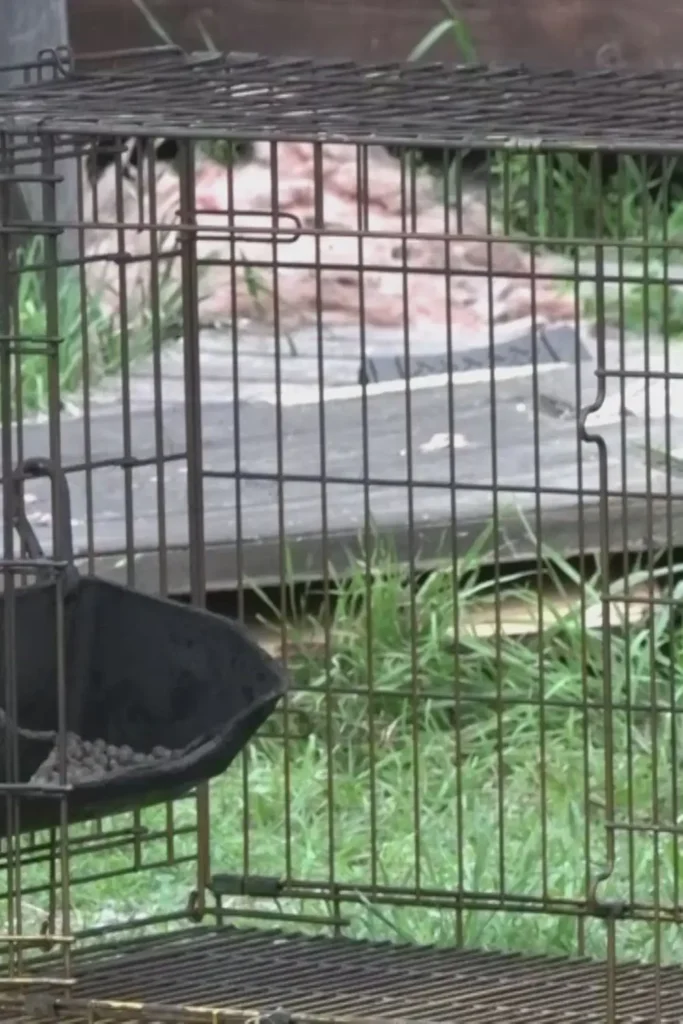
This tragedy isn’t a freak accident. It sits inside a much larger, documented crisis.
According to the American Veterinary Medical Association, around 40,000 pets die in residential fires every year in the United States, most from smoke inhalation, not the flames themselves. Another 500,000 pets are affected annually in some way.
And there’s a behavioral reality most people don’t know: animals almost never run out of a burning building. They hide. They retreat to a corner they know.
That’s why 25 of 26 dogs couldn’t be saved, not because firefighters didn’t try, but because terrified dogs do what terrified dogs do.
Mobile homes make this worse. They’re built with lighter synthetic materials that spread fire faster than traditional homes. Structural failure can begin in under five minutes. The window to save lives is brutally short.
This is also not the first time we’ve seen someone lose everything because a fire moved faster than anyone expected. In Savannah, a man died while trying to save his family home from the flames, a story that follows the same devastating pattern.
And in Cass County, what started as a house fire ended in a deadly police shooting that killed a 45-year-old man, showing how fast a single fire can spiral into something far worse.
These aren’t random tragedies. They’re part of a pattern that keeps repeating.
Fire safety incidents like this one are being tracked and discussed in real time across communities.
If you want updates on cases like the Toronto Drive fire as more details emerge, this channel covers them as they develop, along with safety context that most news reports skip.
What Pet Owners Should Actually Do
If you have multiple dogs, this is the part that matters most.
- Put a “Pets Inside” window sticker on your front door. It tells first responders immediately.
- Know San Antonio’s limit: 5 dogs, 8 cats per dwelling.
- Install interconnected smoke alarms so when one triggers, all go off.
- Have a grab bag ready: leash, carrier, 3-day food supply, vet records.
- Practice an exit plan. Two minutes is all you may get.
Electrical fires in particular leave almost no warning time, and they’re more common in homes than most people think.
A Texas homeowner recently found that out in the worst way possible when a mini-split unit burned down three generations of her family’s home. If you have a mini-split or older wiring, that article is worth a few minutes of your time.
Closing
One dog made it out of that Toronto Drive home. We don’t yet know what happens to that survivor, whether it ends up in rescue, in a shelter, or with someone who saw this story and felt something shift in them.
What we do know is that this wasn’t inevitable. It was overcrowding, an electrical fault, and an enforcement gap that nobody caught for three years, all at once.
If you’re a pet owner, take five minutes this week to look at your fire setup. Not because anyone’s watching. Because stories like this one are real, and they happen on ordinary Wednesday afternoons.
Do you think ACS should be held more accountable here, or is this more of a personal responsibility issue? Drop your thoughts in the comments below. I read every single one.
If this kind of reporting is useful to you, Build Like New covers home safety, fire risks, and the stories behind the headlines on a regular basis. Worth bookmarking if you want to stay ahead of issues like this one.
We’re also on X and in our Facebook community where these conversations keep going after the article ends.
Disclaimer: This article is for informational purposes only, based on reporting by KENS5, KSAT 12, and Fox San Antonio. The SAFD investigation is ongoing and details may change.