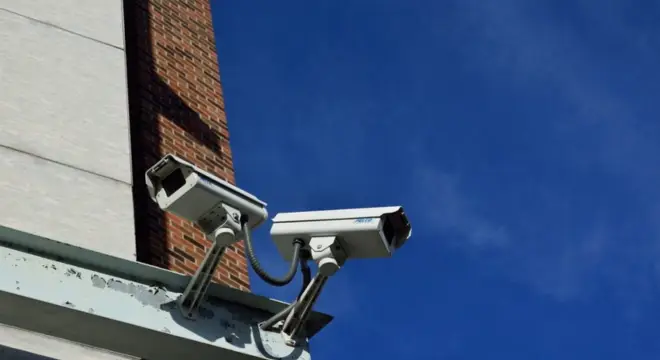
A Mini-Split Fire In Texas Wiped Out 3 Generations of Memories. Is Your Home Next?
When I read about Ruby Garcia losing her family’s three-generation home in Riviera, Texas to a mini-split fire, something stopped me cold.
This wasn’t a gas leak or a forgotten candle. It was a piece of equipment sitting on the walls of millions of homes right now, including probably yours.
“That’s What Exploded” Ruby Garcia’s Story
Ruby Garcia had spent five to six years restoring her family’s yellow house. It was her late father’s vision. Three generations of memory lived inside those walls.
Then one Tuesday, an electrical fire changed everything.
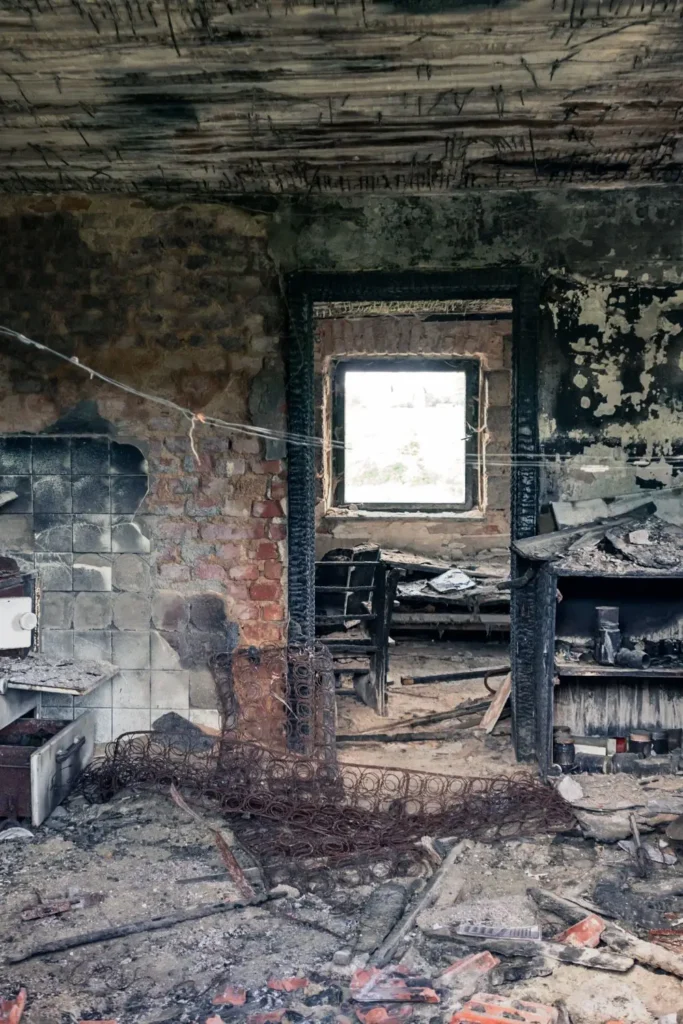
“The mini split was installed up there on the top. So whenever it did burn, that’s what exploded,” Garcia told KIIITV.
What was left? Burned shoes. Melted doors. Charred bed frames on the ground.
“I still hear the flames. I still smell the smoke. I still hear my son screaming when I got that phone call,” she said.
The cause? A wall-mounted mini-split. The same type of unit being installed across Texas at record speed.
Why Mini-Splits Are Everywhere in Texas
Mini-splits are ductless systems where an outdoor compressor connects to indoor wall units through refrigerant lines and electrical wiring. They cut energy bills by up to 30% and are easy to install in older homes without ductwork.
That’s exactly why they’ve exploded across South Texas, where older homes meet brutal summer heat. But the sales pitch skips the part about electrical risk, especially when installed by someone without a license.
What Actually Causes a Mini-Split to Catch Fire
Most people assume a newer system is a safe system. That assumption is dangerous.
- Faulty wiring and bad installation is the top cause. Per NFPA data, over one-third of all AC fires begin with wire insulation igniting. An unlicensed install with the wrong breaker size is a hazard you won’t see until it’s too late.
- Clogged filters choke airflow, force the motor to overheat, and turn accumulated dust into kindling.
- Overloaded circuits hit older Texas homes hardest. Homes from the 1950s and 60s simply weren’t wired for modern HVAC loads.
- Failing capacitors or control boards can ignite quietly with zero warning. Just a slow build until something catches.
Electrical fires also travel fast. We covered how a 3-alarm fire spread from one home to a neighbor’s in Stratford within minutes from a single electrical source.
Warning Signs You’re Probably Ignoring
- A burning smell from the indoor unit means wires are overheating. Turn it off immediately.
- A breaker that keeps tripping when your unit runs is your electrical system signaling too much draw. Don’t just reset it.
- Flickering lights, buzzing or crackling sounds, or the system running nonstop without cycling off are all signs something is wrong electrically.
One call to a licensed HVAC tech costs far less than what Ruby Garcia lost.
If you want to stay updated on real home safety situations, there’s a WhatsApp channel where cases like this get discussed regularly: Home Safety and Fire Risk Updates.
Why This Matters
This isn’t one family’s bad luck. According to the National Fire Protection Association, air conditioners caused roughly 2,800 home fires per year from 2011 to 2015, leading to 20 deaths, 140 injuries, and $78 million in property damage annually.
That data predates the current mini-split boom.
Insurance can rebuild the structure. It cannot give back what three generations built inside those walls.
What to Do This Week
Check whether your mini-split is on a dedicated circuit. Clean the indoor filters if you haven’t in 30 days. Look for scorch marks or discoloration near the unit.
If your home is over 30 years old, get the wiring inspected before summer. If an unlicensed person installed your unit, have a certified tech look at the connections before you run it another season.
Weather makes it worse. We documented how wind carried a fire across three streets in Lowell, displacing entire families after one electrical failure. Small fires don’t stay small.
And liability doesn’t stop at your door. We covered an Iowa homeowner whose fire destroyed his garage and damaged his neighbor’s property. If your unit starts a fire that spreads, you may owe more than just your own repairs.
Before You Go
Across Texas right now, mini-splits are running on undersized breakers, in homes with 50-year-old wiring, installed by people who watched a YouTube tutorial. Ruby Garcia’s story is not rare. It just made the news.
Don’t let your home be next.
Have you noticed a burning smell, a tripping breaker, or anything that felt off with your unit? Drop it in the comments. Real experiences help other homeowners more than any checklist.
For more practical guides on home safety and fire risk, visit Build Like New.
Stay connected for new cases and updates on X (Twitter) and our Facebook community.
Disclaimer: This article is for informational purposes only and does not substitute for professional HVAC inspection or licensed electrical work. If you suspect your mini-split is malfunctioning, turn it off and contact a certified technician immediately.