5 Simple Mudroom Habits That Stop Dirt and Snow Every Day
Winter doesn’t ruin your house. Your entry habits do.
I’ve seen it again and again—homes that look put together everywhere except the mudroom. Snowy boots tossed near the door. Damp gloves piled on a bench. Salt streaks slowly spreading across the floor. Most articles tell you to “organize better” or “upgrade storage,” but they skip the real issue: what happens every single day when you walk inside.
If you’re trying to keep your mudroom clean in winter, the problem isn’t effort. It’s timing. Mess builds in minutes, not weeks. And once winter is in full swing, deep cleaning becomes exhausting because the damage is already done—wet gear, tracked-in grime, and clutter that never quite resets.
I don’t believe in perfect mudrooms. I believe in small habits that stop chaos before it starts. The kind you can do half-asleep, with cold hands, while juggling keys and groceries. These habits work because they fit real life—not Pinterest life.
In this guide, I’ll walk you through five daily mudroom habits that actually keep winter mess under control. No redesigns. No expensive products. Just practical routines that make your entryway easier to manage, even on the messiest snow days.
Before we get into the habits, let me ask you this: when winter hits, what’s the first thing that turns your mudroom into a disaster—boots, coats, or everything at once?
Why Winter Mess in the Mudroom Is Tough to Manage
Winter mess isn’t random. It’s predictable—and that’s exactly why it feels impossible to stay on top of.
I’ve watched this happen in so many homes: as soon as snow and slush start, the mudroom becomes a disaster zone. Boots track in gritty water. Salt clings to floors. Wet gloves and hats get dropped wherever there’s space. Because everyone just wants to get inside and warm up, most of us never pause long enough to think about the mess we’re creating.
You and I don’t ignore the mess because we don’t care. It’s because we don’t realize how fast it builds.
Here’s what winter weather does to your mudroom:
- Snow turns into dirty slush the moment it hits warmth
- Salt and grit leave residue that’s hard to sweep up
- Wet boots and outerwear trap moisture and odor
- Dirt spreads from the entryway into the rest of the house
The real issue isn’t just dirt. It’s cleaning fatigue.
When small resets don’t happen daily, little messes compound into big chores. A quick wipe that could take two minutes turns into a half-hour scrub. Instead of staying ahead, we spend all weekend trying to recover.
What many cleaning guides overlook is how fast winter debris accumulates and how little effort it takes to stop it before it spreads. That’s why sources like The Spruce’s winter mudroom cleanup guide are so useful—they break down the real challenges and practical strategies to manage them.
This isn’t about having a perfect mudroom. It’s about creating little habits that keep the mess from ever taking over.
And that’s exactly what I want to help you with.
Habit 1 — Launch a “Gear Drop Zone” Ritual Every Time You Walk In

WIllyHomes
If there’s one habit that changes everything, it’s this: decide where things go the moment you step inside.
Most mudrooms don’t fail because they’re small. They fail because there’s no clear sequence. When you’re cold, tired, and juggling bags, your brain doesn’t want decisions. That’s when clutter sneaks in.
A “gear drop zone” simply means setting a repeatable order you follow every time:
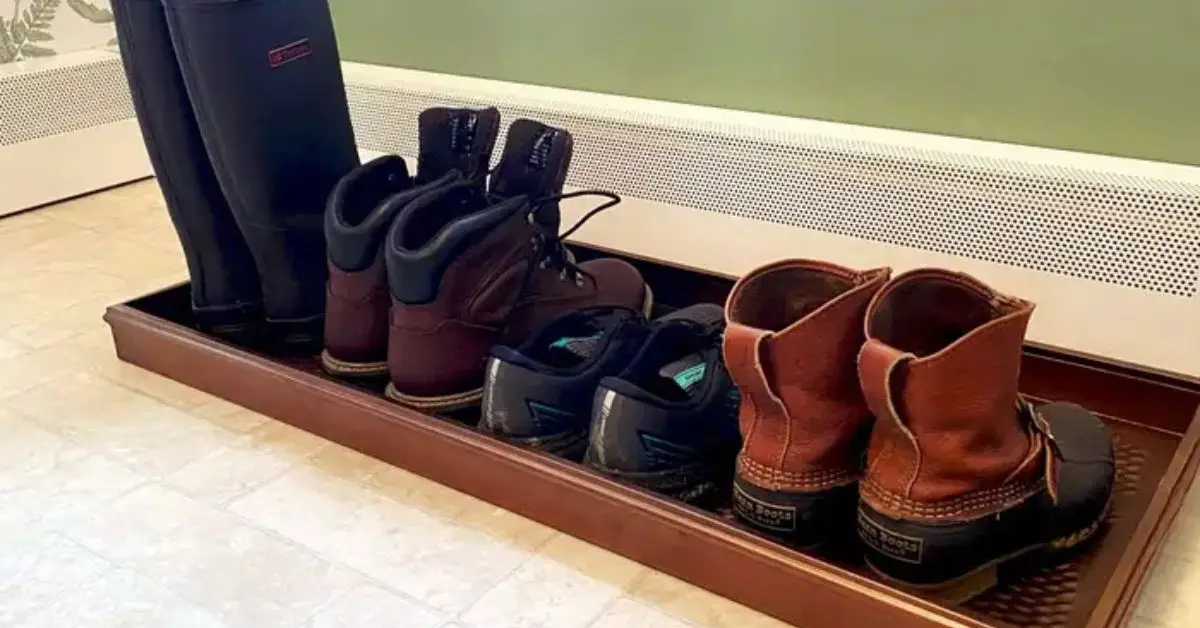
- Boots off → directly onto a mat or boot tray
- Coat off → immediately onto a hook
- Gloves, hats, scarves → into one open basket
That’s it. No adjusting, no debating.
What makes this work is speed and simplicity. Choose open baskets and visible hooks so there’s zero friction. I’ve seen this time and again in real homeowner discussions—systems that don’t slow you down are the ones people stick with.
To make this habit last:
- Use lightweight baskets you can empty and reset daily
- Give zones simple names instead of rigid rules
- Let each family member “own” a small drop area
Once you remove the question of “where should this go?”, clutter stops spreading past the door.
Before we move on, let me ask you this: on snowy days, what’s the first thing you drop when you walk in—and does it already have a dedicated place to land?
Habit 2 — Daily Quick Sweep & Dry (2–3 Minutes)
This habit works because it respects real life. You don’t need energy, motivation, or a free afternoon. You just need two or three minutes—and that’s the difference between staying ahead and constantly catching up.
From experience, I can tell you this: daily light cleaning always beats occasional deep scrubbing. When salt, slush, and grit sit on the floor for days, they harden, spread, and cause damage. But when you remove them the same day, they never get a chance to settle in.
Think of it as containment, not cleaning. If floors are your biggest pain point in winter, there’s one simple habit that makes a bigger difference than most people expect—this guide explains the single trick that keeps your floors spotless no matter the season, even when snow and salt are in constant rotation.
What a quick daily sweep actually does for you:
- Stops wet debris from drying into stubborn residue
- Keeps salt from spreading beyond the mudroom
- Reduces the need for harsh cleaners later
- Protects flooring long-term
You don’t need fancy tools. The goal is speed and access.
The tools that make this habit stick:
- A quick-grab broom you can reach without opening a closet
- A microfiber dustpan that traps fine grit
- An absorbent mat that you can shake or swap easily
Timing matters more than technique. Pick a moment that already exists in your day:
- Right after everyone leaves in the morning
- Immediately after school drop-off
- Before you make breakfast or coffee
Cleaning experts often stress this “little and often” approach. Brands like Murphy Oil Soap recommend regular, gentle removal of dirt and moisture instead of letting buildup require aggressive cleaning later.
If you ever think, “I’ll clean it later,” that’s your cue to do the 2-minute version now.
Habit 3 — Evening Boot & Glove Prep for the Next Day

Morning chaos usually starts the night before.
I’ve noticed that when boots and gloves aren’t dealt with in the evening, they become a double problem the next day: wet gear gets worn again, and moisture gets tracked straight back into the house.
This habit fixes both.
Evening prep doesn’t need to be perfect. It just needs to be intentional.
What proper overnight drying looks like:
- Boots tipped or spaced so air can circulate
- Gloves laid flat, not stuffed inside sleeves
- Damp items separated instead of piled together
You don’t need special equipment. Simple works:
- An old towel under boots to absorb moisture
- A boot tree or rolled-up newspaper to hold shape
- Hooks placed at eye level so items don’t end up on the floor
Placement is everything. If dried items are hard to grab in the morning, people will default to tossing them wherever. Keep tomorrow’s gear visible and ready, and you avoid the grab-and-drop mess entirely.
Many lifestyle creators and cleaning-focused TikTok routines follow this same idea: reset at night so the morning stays clean. It’s not about being organized—it’s about removing friction when everyone’s in a rush.
Ask yourself tonight: are your boots drying in a way that helps tomorrow, or just surviving until morning?
Habit 4 — Weekly “Winter Reset” Checklist
Daily habits keep mess from spreading. Weekly resets make sure nothing quietly piles up.
I like this habit because it’s predictable. No guessing, no decision-making. Just one short check-in that keeps your system working.
Think of it as maintenance, not cleaning. If floor cleaning is part of your weekly reset, small upgrades can make it feel less like a chore—these simple add-ins that make mop water leave floors smelling fresh are especially helpful during winter when moisture and odor build up fast.
A simple winter reset checklist might include:
- Wipe down hooks, benches, and shelves
- Shake out or wash entry mats
- Sort stray gloves, hats, and scarves
- Remove items that don’t belong in the mudroom
This doesn’t need to take long. Set a recurring reminder—same day, same time every week. When it’s scheduled, it stops feeling like another chore you forgot.
To make it easier to stick to:
- Add it to your phone or shared home calendar
- Keep cleaning wipes or spray nearby
- Use one designated basket for “lost or roaming” items
Some people like to turn this into a printable or shareable checklist so everyone knows what the reset includes. That way, it’s not one person’s responsibility—it’s a shared routine.
The goal isn’t perfection. It’s making sure winter mess never gets the upper hand.
Let me ask you this: if you picked one day for a weekly reset, which day would realistically work for your household?
Habit 5 — Weather Prep & Review Each Morning

This habit sounds obvious, but almost no one actually uses it on purpose.
I’m not talking about checking the weather to decide what to wear. I mean checking it to decide how your mudroom should behave that day. Winter mess often isn’t caused by snow itself—it’s caused by being unprepared for it.
A surprise snow shower or afternoon thaw is usually what turns a “manageable” entryway into a soaked, gritty mess.
Here’s how I use the forecast to stay ahead:
- Quick weather check before leaving the house
- Mentally flag: snow, rain, or melt day
- Adjust the mudroom setup before the mess comes in
On snowy or slushy days, that might mean:
- Adding an extra absorbent mat near the door
- Keeping an old towel ready for quick boot wipes
- Clearing space so wet gear doesn’t pile up
This habit works because it’s proactive, not reactive. You’re preparing the space for what’s coming, instead of cleaning up after it.
I’ve seen people casually mention this in real-life conversations online—things like, “Rain today means towel swap by the door.” That one small adjustment often saves a full cleanup later.
If you want a reliable source for daily winter conditions, checking official updates from the National Weather Service keeps things accurate and local.
Once you start pairing weather awareness with your daily habits, winter mess stops feeling unpredictable.
Smart Mudroom Tools That Support These Habits
Good habits do most of the work. The right tools just make them easier to stick to.
Not everything labeled “mudroom-friendly” actually holds up to snow and salt. A lot of winter clutter actually comes from storing items in the wrong place year-round—if your mudroom feels overloaded, it may help to rethink storage entirely, starting with these items you should stop keeping in your linen closet and where they belong instead.
Tools that genuinely support daily winter habits:
- Entryway mats made for moisture, not just dirt: Thin mats look nice but fail fast. Winter mats should absorb water and trap grit without curling or sliding.
- Wall hooks over closed cubbies: Hooks win in winter because they allow airflow. Wet coats dry faster when they’re not stuffed into enclosed spaces.
- Boot trays with raised edges: Flat trays let water spill over. Raised edges contain melt and make daily emptying easier.
- Shoe dryers or boot stands: These prevent moisture from lingering overnight, which is where odor and mold usually start.
The goal isn’t to buy more. It’s to remove friction. When tools make habits faster, you’re more likely to keep using them—even on busy days.
Common Mudroom Mistakes + How These Habits Fix Them
Most winter mudroom problems aren’t caused by lack of effort. They’re caused by a few repeat mistakes that quietly undo good intentions.
Here are the ones I see most often—and how the habits you’re building solve them:
- Leaving items “just for now” by the door: Habit 1 (gear drop zone) removes the decision entirely. Everything has a place, immediately.
- Waiting until the weekend to clean: Habit 2 (daily quick sweep) keeps mess from hardening and spreading, so weekends stay free.
- Letting wet gear pile up overnight: Habit 3 (evening prep) dries items properly and prevents next-day tracking.
- Ignoring daily weather changes: Habit 5 (weather prep) helps you adjust before mess enters the house.
None of these habits require perfection. They work because they’re small, repeatable, and realistic.
Before we wrap this up, I want to know— which of these mistakes do you think causes the most chaos in your mudroom right now?
How to Turn These Habits Into a Family Routine
If the mudroom only works when you manage it, it’s not a system—it’s a burden.
What I’ve learned is this: winter habits stick when everyone plays a role, even in small ways. The goal isn’t strict rules. It’s shared expectations that feel fair and doable.
Start by making responsibilities visible and simple.
Ways to bring the whole household on board:
- Assign-and-reward for kids: One small task per person works better than long lists. For younger kids, something as simple as “boots in tray” counts. Tie it to a small reward or recognition, not perfection.
- Morning vs evening check-ins: Mornings are for grabbing and going. Evenings are for resetting. A quick “Are boots drying?” check at night prevents next-day mess without stress.
- Shared reminders: Use a family calendar or group reminder for the weekly reset. When it’s scheduled, it stops feeling optional or personal.
When everyone knows what “done” looks like, the mudroom stops being one person’s problem.
Quick Mudroom Maintenance Checklist (Printable)
People stick to habits they don’t have to think about. That’s why checklists work—they remove decision-making.
This is the kind of checklist I recommend keeping on your phone or printing for the mudroom.
Daily (2–3 minutes):
- Shake or sweep entry mat
- Wipe visible water or slush
- Put all gear back in its zone
Weekly Winter Reset:
- Wipe hooks, bench, and shelves
- Wash or rinse mats
- Sort stray gloves, hats, and scarves
Weather-Based Triggers:
- Snow forecast → add extra mat or towel
- Rain or thaw → plan evening boot drying
- Heavy salt use → quick floor wipe same day
If you want, you can turn this into a printable and keep it where everyone sees it. Visibility makes consistency easier.
Final Thought — Make Winter Cleanup Less of a Chore
Your mudroom doesn’t need to look perfect. It just needs to work.
Winter is already demanding enough. These habits aren’t about doing more—they’re about doing things earlier, when they’re easier. A few minutes at the right time saves hours later.
If you track one habit for a week, you’ll notice the difference fast. Less buildup. Less stress. Fewer “why is this so messy?” moments.
Now I’d love to hear from you.
Which habit do you think will make the biggest difference in your home this winter?
Drop your thoughts in the comments—I read them all.
And if you want more practical, real-life home improvement advice that actually sticks, explore more guides on Build Like New and share this article with someone who’s tired of winter mess too.
Disclaimer: This article is for general home maintenance and organization guidance only. Results may vary based on home layout, weather conditions, and household routines. Always follow product manufacturer instructions and local safety recommendations when cleaning or using home care tools.