7 Household Items Organizers Recommend Getting Rid of This Spring
Spring cleaning always starts with good intentions. You open a drawer or closet thinking you’ll just “tidy up,” and suddenly you’re staring at a pile of things you forgot you even owned.
Here’s something I’ve noticed while studying how professional organizers work: they don’t waste time organizing everything. Instead, they quickly remove a few specific types of clutter that tend to build up every year.
Once those items are gone, the rest of the home instantly feels lighter and easier to manage.
In this guide, I’ll show you 7 things professional organizers almost always toss during spring cleaning—and you might realize some of them are sitting in your home right now. While many people focus only on decluttering during spring, some also plan small home upgrades at the same time. Before starting any projects, it’s worth knowing that some spring renovations can actually break local noise laws if you’re not careful, which this guide explains in detail.
How Professional Organizers Decide What to Toss
When I first started looking at how professional organizers declutter homes, one thing became very clear: they don’t guess. They follow a few simple rules that help them make quick decisions.
Instead of overthinking every item, they ask practical questions. When you start using the same framework, it becomes much easier to decide what actually deserves space in your home.
Here are three simple rules organizers often rely on.
“Have I Used This in the Last Year?” Rule
One of the easiest ways I decide whether something should stay or go is the 12-month rule. Many professional organizers use this because it removes emotion from the decision.
If something hasn’t been used through an entire year of seasons, chances are it isn’t adding real value to your daily life.
You can ask yourself simple questions like:
- Did I use this item anytime in the last 12 months?
- Would I notice if it disappeared tomorrow?
- Would I buy this again today?
If the honest answer is no, it’s usually a good sign the item is just taking up space.
Emotional Attachment vs Practical Use

This is where decluttering gets tricky. I’ve seen people keep things not because they need them, but because the item reminds them of a memory.
Professional organizers separate memories from objects. The memory stays with you even if the object doesn’t.
When I help people think through this, I suggest a few small tests:
- Keep items that truly represent an important memory
- Photograph sentimental items instead of storing everything
- Limit memory items to one small box or space
This helps you protect meaningful memories without letting sentimental clutter slowly take over your home.
Safety, Hygiene, and Expiration Rules
Some items should simply be tossed because they’re no longer safe or hygienic to keep.
Many people don’t realize how often expired products sit quietly in bathrooms, kitchens, and cabinets. Old makeup, skincare, sunscreen, and medicines are common examples.
Health experts often remind people to regularly check expiration dates on personal care products and medications, which is why many organizers recommend reviewing them during spring cleaning. You can see typical cosmetic shelf-life guidelines on Healthline.
When I do a quick safety sweep, I usually remove things like:
- Expired medications or vitamins
- Old makeup or skincare products
- Sunscreen from previous summers
- Food or condiments past their expiration date
Once these items are gone, you immediately free up space and make your home safer at the same time.
#1 Old Food & Condiments Past Expiry
One of the first places professional organizers check during spring cleaning is the kitchen. Almost every time I go through a home, I find bottles and jars pushed to the back that have sat there longer than anyone remembers.
Condiments especially tend to stick around because they “still look fine.” But expired food quietly takes up space and can affect your kitchen’s usability.
When I check my own kitchen, I go through the fridge, pantry, and freezer with purpose rather than just shuffling things around.
Here are a few common items organizers often remove:
- Condiments open for over a year
- Spices past peak flavor
- Freezer items without dates or labels
- Partially used sauces no one actually uses
- Packaged foods past expiration dates
Taking time to clear these out isn’t just about neatness. Clearing expired or forgotten food makes cooking easier and reduces the risk of accidental spoilage.
This aligns with what medical experts suggest about decluttering spaces for mental clarity and overall well-being. The Mayo Clinic notes that clearing clutter like old food can contribute to a healthier living environment and reduce daily stress.
Cleaning out the kitchen this way sets a focused tone for the rest of your spring refresh. While cleaning kitchen cabinets and storage areas, it’s also smart to watch for tiny pests that tend to appear during seasonal cleaning. Here are 10 simple ways to eliminate springtails in your home and stop them from returning.
#2 Outgrown or Unworn Clothes
Closets are one of the biggest clutter zones in any home. I’ve seen wardrobes packed with clothes, yet people still feel like they have “nothing to wear.”
Professional organizers usually apply one simple principle: if it hasn’t been worn in the last 12 months, it probably shouldn’t stay in your closet.
Instead of reorganizing everything, they focus on removing items that clearly aren’t serving you.
When I go through a closet, these are the first things I question:
- Clothes not worn in the last year
- Pieces that no longer fit comfortably
- Items bought for a specific event and forgotten
- Outdated styles you keep “just in case”
- Garments that don’t match your current lifestyle
Once those pieces leave your wardrobe, the clothes you actually love become much easier to see — and wear.
#3 Expired Beauty and Hygiene Products
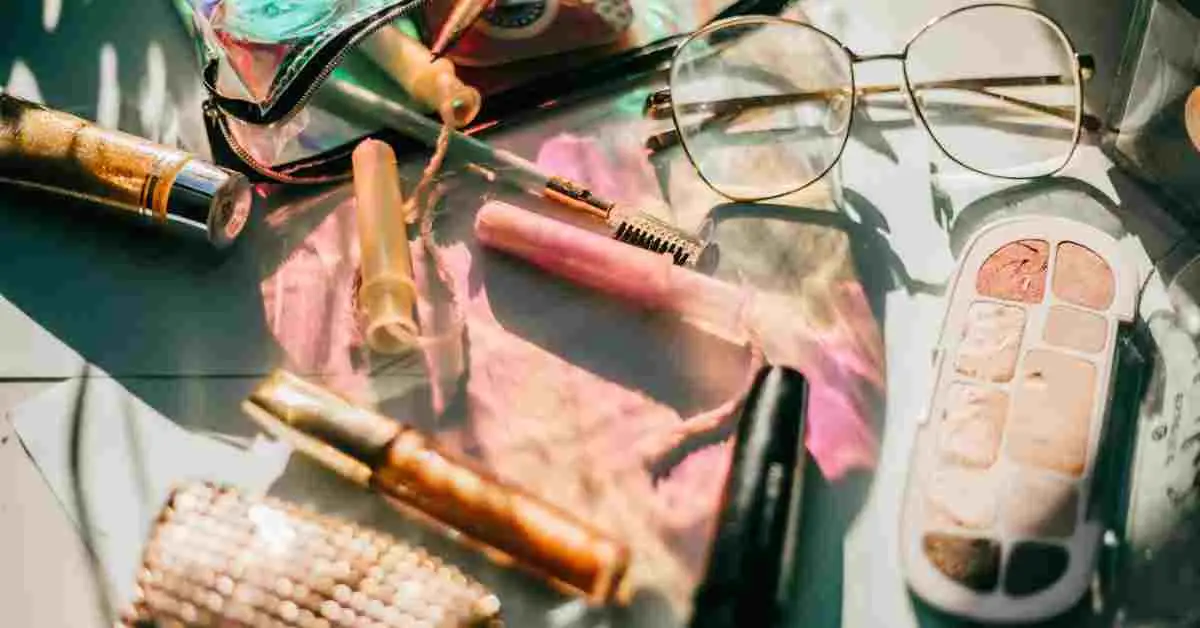
Bathroom cabinets are another hidden clutter zone. Old lotions, makeup, sunscreen, and skincare products often sit forgotten for months or even years.
Here are general timelines experts often point to:
- Mascara: 3–6 months
- Liquid foundation: about 12 months
- Sunscreen: 1 year after opening
- Lipstick or lip balm: 1–2 years
- Skincare creams and serums: 6–12 months
Expired or old products aren’t just clutter — they can irritate skin or cause breakouts.
When I run a bathroom cabinet sweep, I usually remove:
- Products I stopped using weeks ago
- Makeup older than its recommended use period
- Sunscreen left from previous seasons
- Duplicate products crowding shelves
Clearing these out not only frees up space but also makes your daily routine smoother and healthier.
#4 Paper Clutter: Bills, Receipts, and Manuals
Paper clutter builds up quietly. One day you open a drawer and find old bills, random receipts, product manuals, and documents you haven’t looked at in years.
Professional organizers don’t try to sort every single sheet. Instead, they follow a simple rule: keep only what you truly need and digitize the rest.
When I go through paper piles, I usually divide them into three quick categories.
What to Keep vs What to Digitize
Not every document needs to stay in physical form anymore. Scanning important papers can instantly remove large stacks of clutter.
You can usually scan or store digitally:
- Appliance manuals
- Utility bills
- Insurance documents
- Receipts for smaller purchases
And keep physical copies for things like:
- Tax documents
- Property papers
- Legal agreements
- Warranties still in use
How Long You Should Keep Documents
Another reason paper clutter builds up is that people simply don’t know how long to keep things.
Financial experts generally suggest simple timelines like:
- Tax documents: keep for about 3–7 years
- Warranty receipts: until the warranty expires
- Utility bills: about 1 year
- Pay stubs: until annual tax filing
These timelines are commonly recommended in tax guidance from the Internal Revenue Service (IRS).
Once you know what actually needs to stay, clearing paper clutter becomes surprisingly quick.
#5 Broken or Unused Electronics and Cords
Almost every home has a “mystery cable drawer.” I’ve opened plenty of them and found chargers, adapters, and cables no one can identify anymore.
Professional organizers usually apply a simple rule here: if you can’t name the device within 10 seconds, it probably doesn’t belong in your home anymore.
These are some of the most common tech items that quietly collect dust:
- Random charging cables
- Old phone accessories
- Outdated headphones
- Broken small electronics
- Duplicate chargers for devices you no longer own
Instead of letting them pile up, organizers suggest either donating working electronics or recycling them properly.
A quick tech clean-out can free an entire drawer or shelf that used to feel permanently cluttered.
#6 Sentimental Items Without Emotional Closure
This is where decluttering becomes emotional. Sentimental items often stay in our homes because they carry memories, not because we actually use them.
Professional organizers don’t force people to throw these items away. Instead, they use simple systems to protect meaningful memories without letting them take over your space.
Use a Memory Box
One technique I’ve seen work very well is the memory box rule.
You keep one dedicated box for sentimental items like:
- Old letters
- Childhood keepsakes
- Travel souvenirs
- Small meaningful objects
Once the box is full, you choose what matters most.
Photos vs Physical Objects
Sometimes the memory matters more than the object itself. Taking a photo of an item can preserve the story without storing the physical item forever.
This works well for things like:
- Old school projects
- Childhood artwork
- Event souvenirs
Digital Backup for Important Memories
For important papers or photos, creating a digital archive can protect memories while reducing clutter.
Interestingly, many people in decluttering communities share that letting go of sentimental clutter becomes easier once they create a small, intentional space for memories instead of keeping everything.
#7 Items That Are Duplicated or Never Used
Another thing professional organizers notice immediately is duplicates. Homes slowly collect extra versions of things without anyone realizing it.
A second spatula here, another screwdriver there, two extra notebooks somewhere else — and suddenly drawers are overflowing.
When I declutter a space, I usually start by looking for items that appear more than once or twice.
Common duplicate clutter includes:
- Kitchen tools like peelers, spatulas, or measuring cups
- Office supplies like pens, notebooks, or staplers
- Hobby gear that was bought but rarely used
- Duplicate household tools
Professional organizers often ask one simple question:
“How many of these do you realistically use?”
Keeping only the number you actually need can instantly create space without changing your daily routine. Many people also choose to sell extra household items instead of throwing them away. If you’re planning to do that, this guide explains 3 costly mistakes to avoid before selling items during spring cleaning.
Sometimes decluttering isn’t about removing everything — it’s simply about keeping the best version of what you already own.
Bonus: Digital Clutter Professionals Also Delete
Most people think spring cleaning only applies to physical spaces. But something I’ve noticed while studying professional organizing habits is that many experts also clean up digital clutter at the same time.
Your phone, laptop, and cloud storage can quietly collect thousands of unnecessary files. And just like physical clutter, it makes things harder to find and manage.
A quick digital reset can make your devices feel faster and more organized.
Old Files
Old downloads and documents pile up quickly, especially on laptops and desktops.
When I review digital files, I usually start with:
- Old downloads that were only needed once
- Duplicate documents saved multiple times
- Outdated work files or presentations
- Random PDFs that were never opened again
Deleting or archiving these files can instantly make your folders easier to navigate.
Unused Apps
Phones often hold dozens of apps we haven’t opened in months.
Professional organizers recommend a simple test: if you haven’t used an app in the last few months, it probably doesn’t need to stay on your phone.
You can start by removing:
- Shopping apps you rarely use
- Old games
- Apps tied to services you no longer use
- Duplicate apps that serve the same purpose
This not only declutters your screen but also frees up storage space.
Duplicate Photos
Photos are one of the biggest sources of digital clutter today.
Between screenshots, burst photos, and accidental duplicates, phones often store thousands of unnecessary images.
I usually start by removing:
- Screenshots that are no longer needed
- Blurry or accidental photos
- Duplicate images
- Old memes or temporary images
Even deleting a few hundred photos can make your camera roll feel dramatically cleaner.
Your Next Step: Start Small and Build Momentum
If there’s one thing I’ve learned from professional organizers, it’s this: decluttering doesn’t have to happen all at once.
Start with just one space today.
It could be:
- A single kitchen drawer
- One closet shelf
- Your bathroom cabinet
- The cable drawer everyone avoids
Once you remove a few obvious items, the process becomes much easier.
You can also give unwanted items a second life by:
- Donating usable clothes and household items
- Recycling electronics responsibly
- Giving extra kitchen tools to friends or family
Small steps create visible progress, and that progress builds motivation.
I’m curious about your experience too.
What’s the hardest item for you to throw away during spring cleaning? Let me know in the comments.
And if you enjoy practical home improvement and decluttering guides like this, you’ll find more helpful resources and ideas on Build Like New. It’s where I regularly share simple strategies to help make homes cleaner, smarter, and easier to manage.
Disclaimer: This article is for informational purposes only. Organization, cleaning, and storage recommendations may vary based on individual needs and household situations. Always follow manufacturer guidelines and local recycling or disposal regulations when discarding products.