7 Things in Your Kitchen You Should Stop Storing Today
I don’t know about you, but every time I step into a kitchen that’s piled high with stuff, I feel a little bit anxious. Counters crowded with random appliances, drawers stuffed with odd tools, and decorations that don’t really belong—it’s like the room is working against you instead of for you.
I’ve spent years helping people organize their kitchens, and one thing is clear: most of us are keeping items we don’t actually need. Some of these things are harmless clutter, but others can make cooking harder, slow you down, or even create safety hazards. You might not notice it at first, but over time, all that “stuff” quietly steals your time, space, and energy.
In this article, I’m going to walk you through seven types of items that really shouldn’t be in your kitchen. I’ll explain why they’re a problem, and give you practical tips for removing or relocating them. By the end, you’ll not only have more space but also a kitchen that actually makes sense for how you cook and live.
Before we dive in, think about this: what’s that one thing on your counter or in your drawers that you keep moving around but never actually use? Keep that in mind—you’ll probably be surprised when we get to it.
If you shop secondhand, it’s also smart to avoid certain secondhand kitchen items that are likely to become clutter or hazards.
1. Rarely Used Appliances That Collect Dust
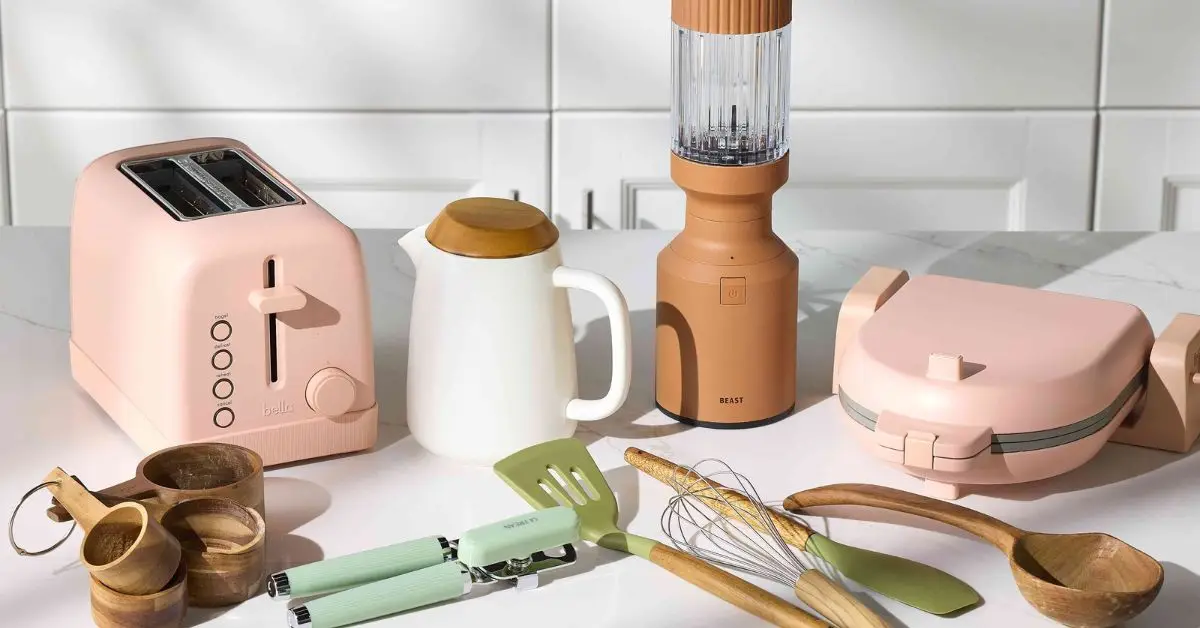
I’ll be honest—I’ve bought kitchen gadgets thinking I’d use them every week, only to find them buried in the back of a cabinet a few months later. Ice cream makers, panini presses, or that fancy spiralizer can all start as exciting purchases but quickly become dust collectors.
Here’s why you should think twice before letting them take up valuable kitchen space:
- Clutter slows you down: Every extra appliance on the counter or in a drawer adds visual and physical clutter, making cooking feel stressful instead of enjoyable. If you’re short on counter and cabinet space, there are simple design tweaks for a small kitchen that can make your space feel much more spacious and functional.
- Rarely used items get forgotten: Surveys show that many small appliances are used less than once a month. That means months of wasted space for almost no benefit.
- Extra cleaning and maintenance: The more appliances you own, the more surfaces you have to clean—and who really wants to dust an ice cream maker?
One of the best rules I follow is to invest only in multi-use appliances. If something serves multiple purposes, it’s worth the space. Otherwise, it might be better to borrow it when needed or store it somewhere out of the kitchen entirely. For a professional perspective, Martha Stewart emphasizes keeping only appliances that are functional and frequently used.
2. Excess Décor and Countertop Clutter
You might love the idea of a perfectly styled kitchen, but too many decorations on your counters can actually get in the way. I’ve seen kitchens where candles, vases, and cute little trinkets make the space look beautiful—but it also becomes harder to cook, prep, or even clean.
Here’s what you should consider about countertop clutter:
- Workspace matters: Every inch of clutter reduces your usable prep area. Even small items can interfere with chopping, mixing, or rolling dough.
- Hidden hygiene risks: Decorations collect dust, grease, and food particles, turning them into an unseen source of germs.
- Visual chaos increases stress: Your kitchen should feel inviting, not overwhelming. Too much stuff can make it feel chaotic even when it’s clean.
Interior designers often warn against treating a kitchen like a living room or coffee table. Keeping the counters clear not only makes cooking easier but also gives you a calmer, more functional space. For practical tips on streamlining your countertops, Homes and Gardens has some great advice on removing unnecessary kitchen clutter.
3. Outdated or Excess Cookware and Tools
Let’s talk about the cookware and utensils that have seen better days. I don’t know about you, but I’ve had spatulas with peeling handles, cracked mixing bowls, and storage containers that no longer seal properly. These aren’t just clutter—they can be unsafe or unsanitary.
Here’s what I look for when cleaning out my kitchen drawers and cabinets:
- Cracked or peeling tools: They can harbor bacteria and make cooking messy.
- Mismatched storage containers: Hard to stack, hard to use, and they take up more space than necessary.
- Old spices and ingredients: Even if they don’t look bad, they lose flavor over time and add unnecessary clutter.
A practical approach is to replace items gradually with quality, multi-purpose tools. Experts emphasize prioritizing safety and function over keeping every single item “just in case.”
4. Cleaning Products & Non‑Kitchen Supplies
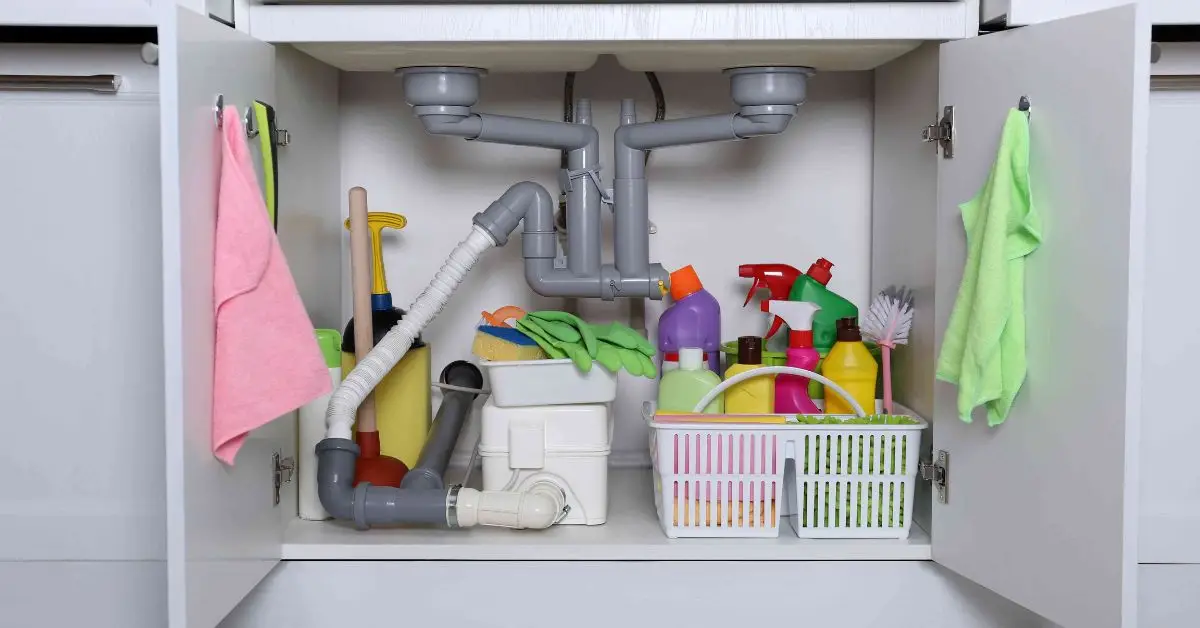
Sometimes our kitchens become accidental storage rooms for things that don’t belong. I’ve opened drawers to find random screwdrivers, paintbrushes, and old cleaning products meant for bathrooms. These items may seem harmless, but they can pose serious risks.
Here’s what you should keep in mind:
- Flammables are dangerous: Gasoline, paint thinner, and some cleaning chemicals shouldn’t be anywhere near your food prep areas.
- Extra hazards: Random tools in drawers can cause accidents if you reach for a knife and grab the wrong thing.
- Organizers’ warning: Many people admit to using kitchen drawers for unrelated items, but professionals suggest keeping these tools elsewhere.
While clearing out cleaning products and non-kitchen supplies, you might also want to check under your sink—there are several dangerous items under your kitchen sink that should be removed immediately to keep your kitchen safe.
For expert tips on clearing out junk drawers and keeping your kitchen safe and organized, check out Good Housekeeping.
5. Paper Clutter, Junk and Personal Stuff
Let’s be real—our kitchens often double as dumping grounds for mail, receipts, planners, and random cords. I’ve found myself shoving my phone charger in a drawer next to the spatulas. It might seem harmless, but it slowly eats away at your workspace and mental clarity.
Why this matters:
- Counters get crowded: Even small paper piles reduce usable prep area.
- Drawers overflow: Random items mixed with utensils make it frustrating to find what you actually need.
- Hidden stress: Clutter like this can make the kitchen feel chaotic, even if it’s clean.
6. Bulky or Unsafe Counter Items (Knives, Boards, Glasses)
Counters should make cooking easier, not more dangerous. I’ve walked into kitchens where knives were scattered, chopping boards were sticky, and glassware teetered on the edge. It only takes a small slip to create a serious accident.
Here’s what I recommend:
- Store knives safely: Knife blocks or magnetic strips keep them accessible but secure.
- Keep boards clean and organized: Don’t leave them stacked with other items; proper drying prevents bacteria growth.
- Glassware and breakables: Store in cabinets, not on counters, to avoid accidents.
7. Specialty Items and Seasonal Stuff
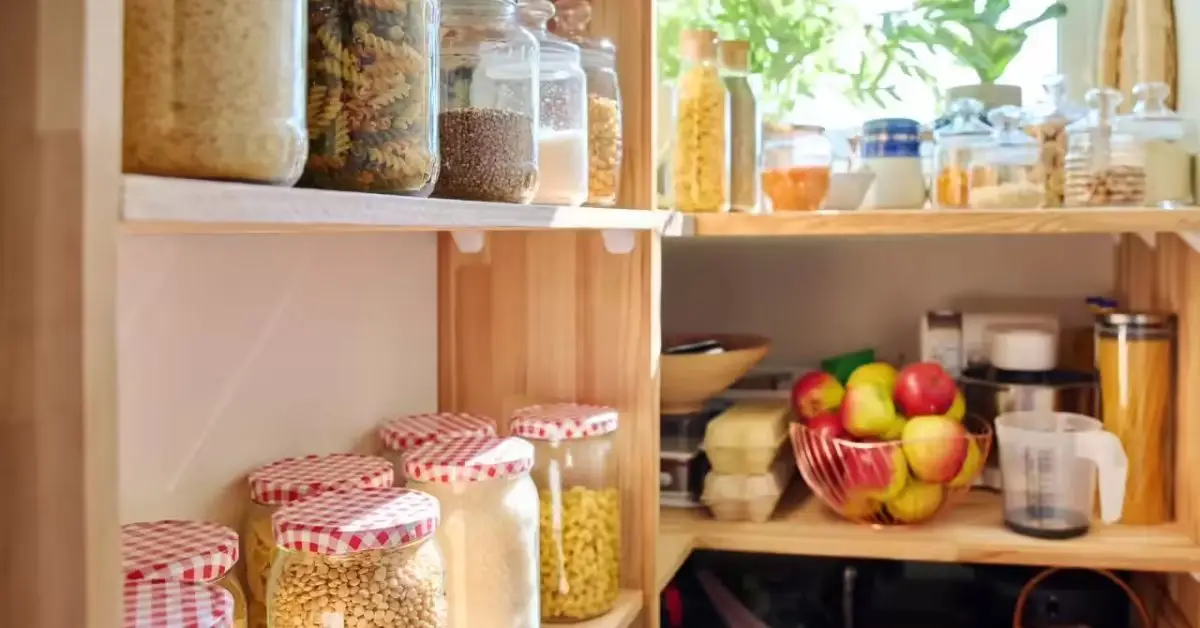
You know those holiday cookie cutters, seasonal bakeware, or that giant waffle maker you pull out once a year? I’ve been guilty of letting them take up valuable real estate in my kitchen, thinking “I’ll need this someday.”
Here’s the problem:
- Takes up everyday space: Items you rarely use crowd counters, cabinets, and drawers.
- Slows down cooking: Digging through rarely used items makes meal prep more frustrating.
- Adds hidden clutter: Even if they’re tucked away, seasonal items can make organization tricky if not stored properly.
My tip? Store these items somewhere outside your main kitchen—like the attic, garage, or a pantry. If you haven’t used something in the past year, consider donating it.
Where to Put These Things Instead (Actionable Storage Moves)
Clearing out items is one thing—but knowing where to put them is where most people get stuck. I’ve learned that creating a system is key:
- Donate: For things you haven’t used in over a year, or extras you don’t need.
- Store off-site: Seasonal items, extra appliances, or specialty tools work well in an attic, garage, or spare closet.
- Use organizers: Shelves, hooks, drawer dividers, and bins make a huge difference in keeping what stays neat and accessible.
By having a dedicated spot for every item, you reduce clutter stress and make your kitchen genuinely functional.
Quick Safety Checklist Before You Toss
Before you start tossing, take a quick moment to check:
- Is it unsafe? Cracked tools, frayed cords, or expired chemicals belong out immediately.
- Do I actually use it? If it hasn’t been used in a year, it might be better elsewhere.
- Does it have sentimental or functional value? If yes, find a proper storage spot instead of letting it clutter counters.
This simple checklist helps you make smart decisions without regret—and keeps your kitchen safe and tidy.
Final Workflow Strategy (Declutter Your Kitchen in One Weekend)
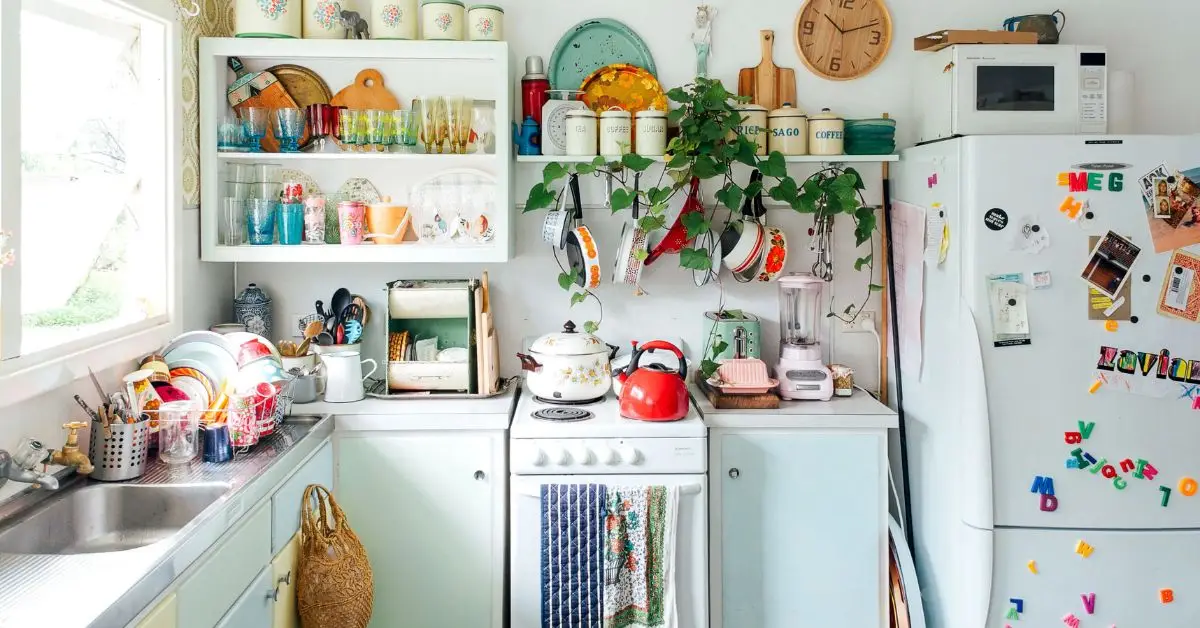
Here’s a practical system I follow to tackle the kitchen in one go:
- Set a timer: Pick a weekend and block off a few hours for each section.
- Use the box system: One box for trash, one for donations, one for items to relocate.
- Sort by zone: Go cabinet by cabinet, drawer by drawer, rather than randomly.
- Use vs no-use test: Ask yourself, “Have I used this in the last year?” If not, it goes in the donation or storage box.
- Reorganize strategically: Place items you use daily in easy-to-reach spots; seasonal or specialty items go out of the main kitchen.
When you finish, your counters will finally feel like the functional space they’re meant to be. You’ll notice the difference not just visually, but in how you cook and move around your kitchen.
Let’s Make Your Kitchen Even Better
I’d love to hear from you—what’s the one item you finally removed that completely changed your kitchen workflow? Drop your thoughts in the comments below. And if you want more expert tips, DIY storage hacks, and real-life decluttering strategies, check out Build Like New for ideas you can implement today.
Disclaimer: This article is for informational purposes only. The tips and suggestions shared are based on expert advice and personal experience, but results may vary depending on your kitchen setup and individual circumstances. Always use caution when handling tools, appliances, and cleaning products.