8 Easy Fixes to Eliminate Pillow Odors and Tough Stains Fast
You don’t really notice your pillows… until you do.
One day they look bright and fluffy. A few months later, there’s a faint yellow ring. A slight musty smell. Maybe your allergies feel worse at night. I’ve seen this happen in almost every home — and most people assume it’s just “normal wear.”
It’s not.
Your pillow absorbs sweat, body oils, drool, skin cells, and moisture every single night. Over time, that buildup turns into stains and odor — even if you wash your pillowcases regularly. And here’s the bigger problem: most people think they’re washing pillows the right way, but they’re actually locking in smells or damaging the fill.
I’ve tested different cleaning methods over the years — from basic machine washes to targeted stain treatments — and the difference between “just washed” and “actually clean” is huge. The wrong method leaves your pillow damp inside. The right one removes odor at the source.
In this guide, I’m going to walk you through 8 proven ways to remove odors and stains from pillows — safely, effectively, and without ruining the material. Whether you’re dealing with yellow sweat marks, lingering smells, or just want a proper reset, I’ll show you exactly what works.
Before we start, let me ask you something: when was the last time you washed your pillows — not just the covers, but the pillows themselves?
Know Your Pillow Type Before You Clean Anything
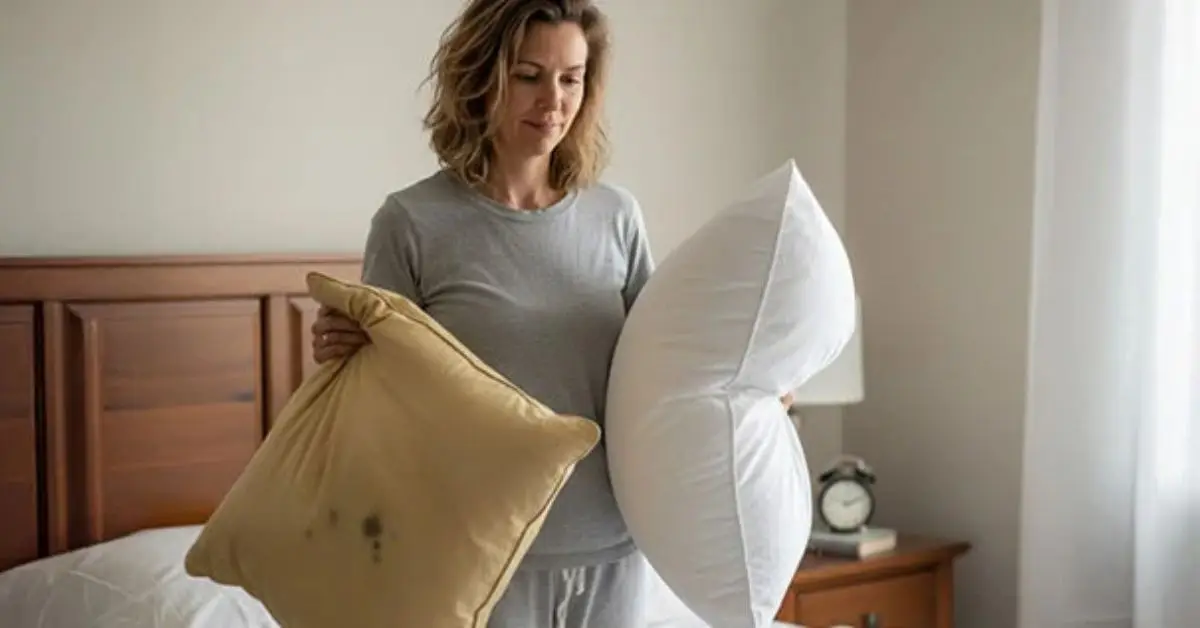
Before you throw your pillow into the washer, pause.
I’ve seen people ruin perfectly good pillows just because they assumed “a pillow is a pillow.” It’s not. The fill inside decides everything — water temperature, agitation level, even whether it should touch a washing machine at all.
If you skip this step, you don’t just risk poor cleaning. You risk clumping, tearing, or permanent odor trapped inside.
Here’s how I want you to think about it:
Down or Feather Pillows
These are washable — but only if you’re gentle.
- Use a delicate cycle
- Avoid high heat
- Dry completely to prevent that wet-feather smell
If you overdry or over-agitate them, they lose fluff fast. If you under-dry them, they start smelling worse than before.
Polyester (Fiberfill) Pillows
These are the most forgiving.
- Usually machine washable
- Handle warm water well
- Easier to dry evenly
But even here, too much detergent leaves residue that traps odor instead of removing it.
Memory Foam Pillows
This is where most people go wrong.
- Never machine wash
- Never soak fully
- Spot clean only
If you submerge memory foam, it absorbs water like a sponge — and it can take days to dry. That trapped moisture becomes a breeding ground for odor.
Latex Pillows
Similar to memory foam.
- No machine washing
- No twisting or wringing
- Light surface cleaning only
Latex breaks down with aggressive washing. Once damaged, there’s no fixing it.
Way #1 – Machine Wash the Right Way (For Washable Pillows)
Now let’s talk about what most people search for: how to wash pillows the right way.
If your pillow is down, feather, or polyester, you can machine wash it — but the method matters more than the wash itself.
Here’s the framework I personally follow:
- Use warm water (not hot) — hot water can break down fibers and shrink filling
- Add mild detergent only — heavy detergents leave buildup
- Select a gentle or delicate cycle
- Run an extra rinse cycle
- Wash two pillows together to balance the drum
That extra rinse step is not optional. Many home-care experts, including guidance referenced by brands like The Spruce, emphasize that detergent residue is one of the main reasons pillows still smell after washing.
I’ve noticed the same thing in real homes. When you skip the second rinse, leftover soap traps moisture and odor inside the fill.
And one more thing — don’t overload the machine. Your pillow needs room to move so water can flush through it properly. If you want a complete walkthrough beyond just machine washing, I’ve broken it down step by step in my guide on deep cleaning your pillows at home without expensive tools.
Way #2 – Deep Deodorizing With Baking Soda
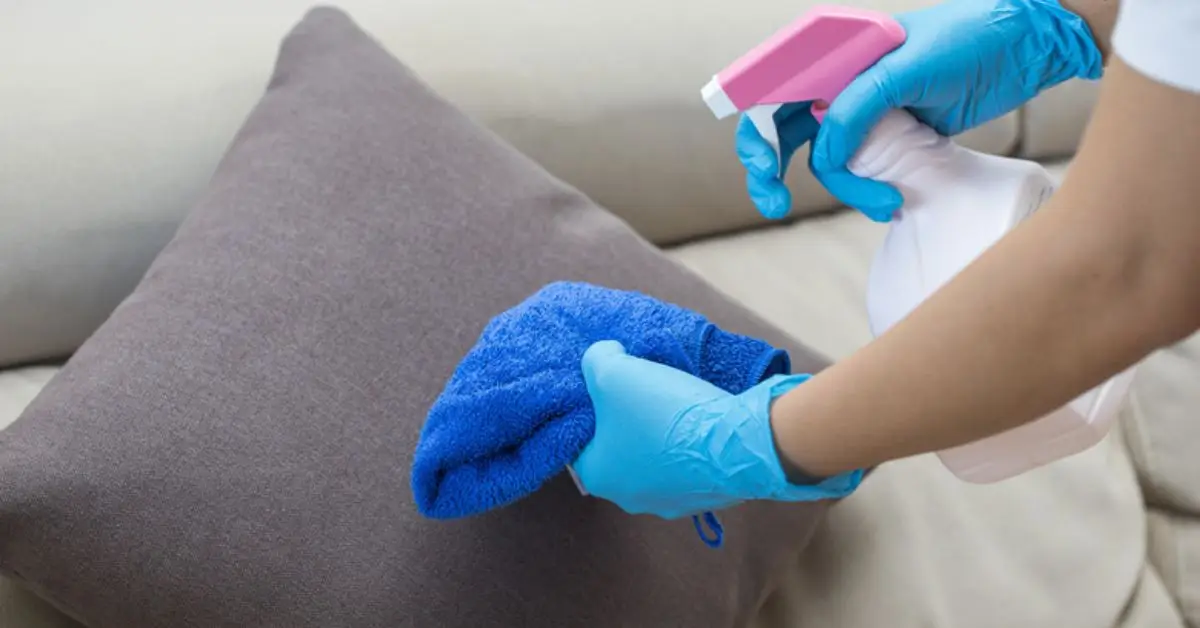
Sometimes your pillow doesn’t need a full wash — it just smells stale, like something’s been sitting in a damp closet. That’s where baking soda comes in.
Here’s what I do:
- Sprinkle baking soda generously over every part of the pillow
- Let it sit for 30–60 minutes so it can absorb odors
- Vacuum off thoroughly with an upholstery attachment
If the smell is strong, leave the baking soda on a bit longer while the pillow gets fresh air.
Way #3 – Hydrogen Peroxide + Baking Soda for Yellow Stains
Yellow sweat stains are common, especially on the side of your pillow where you rest your face. Regular detergent often fails here — because sweat and body oils can bind tightly to fibers.
Try this targeted formula:
- 1 cup hydrogen peroxide
- ½ cup baking soda
- Small amount of dish soap
Mix into a paste and apply to the stained areas. Let it sit for ~30 minutes, then wash as usual if your pillow type allows it.
Major home-care guides point to this combination because hydrogen peroxide breaks down organic stains while baking soda lifts residue.
Way #4 – Vinegar Rinse for Lingering Odors
Ever wash your pillow and it still smells? That’s usually detergent residue or trapped bacteria talking.
Here’s how I reset it:
- Add ½–1 cup white vinegar into the rinse cycle
- Don’t use detergent during this rinse
- Follow with an extra rinse if needed
Vinegar neutralizes odor-causing residue instead of just covering it up.
Experts at Martha Stewart also recommend vinegar as a natural deodorizer that cuts through buildup and refreshes fibers.
Way #5 – Sunlight and Fresh Air Treatment
Cleaning isn’t just about removing dirt and stains — it’s about discouraging odor-causing bacteria inside the pillow.
Here’s what works:
- Set the pillow in direct sunlight for 2–3 hours
- Flip it halfway through so both sides get UV exposure
- Make sure the pillow is completely dry before bringing it in
Just be careful with memory foam or latex — too much direct heat can damage them. For those, opt for shaded fresh air instead.
Way #6 – Proper Drying (The Step That Prevents Mold)
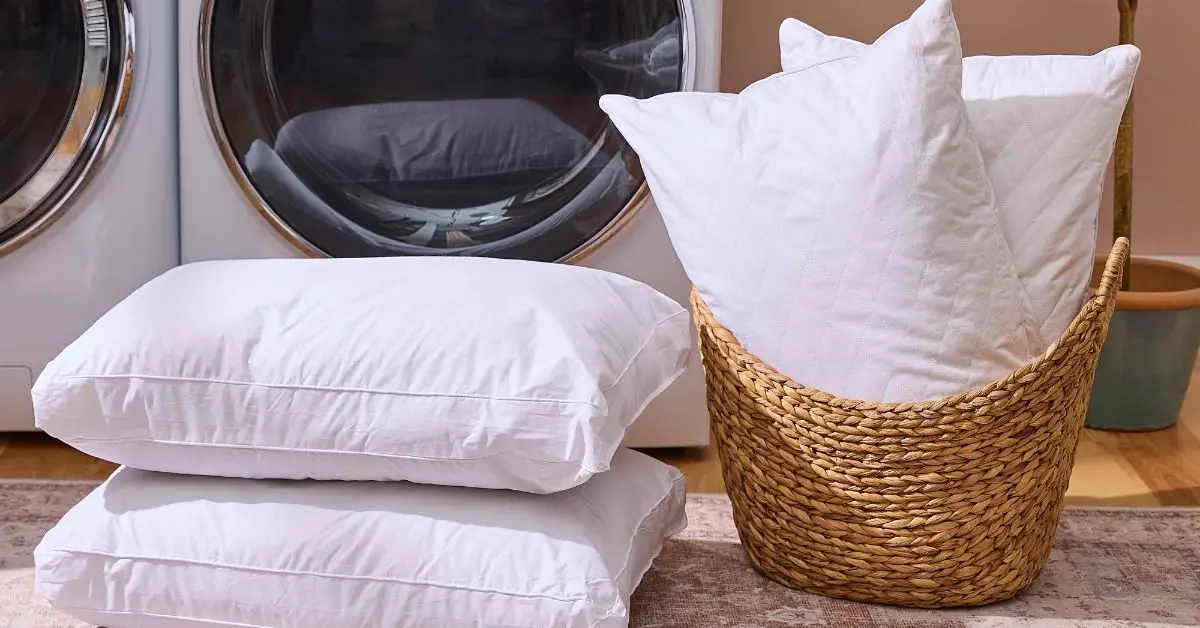
If I had to point to one reason pillows start smelling again after washing, it’s this: they weren’t fully dry.
The outside feels dry. The inside is still damp. And that trapped moisture? That’s where odor returns.
Here’s how I make sure that doesn’t happen:
- Use low heat only — high heat can damage filling and trap moisture
- Add dryer balls or clean tennis balls to keep the filling moving
- Run multiple drying cycles if needed
- Stop midway and break up clumps by hand
I always press down firmly in the center before calling it done. If there’s even slight coolness inside, it goes back in.
Moisture left inside pillows can encourage microbial growth, which is why hygiene sources stress complete drying. According to guidance from the Sleep Foundation, proper drying is just as important as washing when it comes to preventing odor and buildup.
Way #7 – Spot Cleaning for Foam and Non-Washable Pillows
Memory foam and latex don’t forgive mistakes.
I never soak them. Not even a little. Once water gets deep inside, it’s hard to remove — and that’s when smells start.
Here’s the safe approach:
- Mix a small amount of mild detergent with warm water
- Dip a clean cloth in the solution
- Blot the stain gently — don’t scrub hard
- Never soak or saturate the foam
- Let it air dry completely, ideally in a well-ventilated space
If odor is the issue, I’ll sprinkle baking soda first, vacuum it off, then spot clean only where needed.
Way #8 – Prevent Future Odors and Stains
Cleaning is reactive. Maintenance is smart.
If you want fewer deep-clean sessions, here’s what I recommend:
- Wash pillowcases every week
- Use a waterproof pillow protector under the pillowcase
- Wash washable pillows every 3–6 months
- Replace pillows every 1–2 years, depending on type and wear
Sleep and hygiene experts commonly suggest the 3–6 month cleaning window because pillows collect sweat, skin cells, and allergens over time.
I’ve found that when you stay ahead of buildup, stains don’t set in and odors don’t get the chance to develop.
Let me ask you — are you maintaining your pillows, or just reacting when they start to smell?
When Cleaning Isn’t Enough — Time to Replace the Pillow
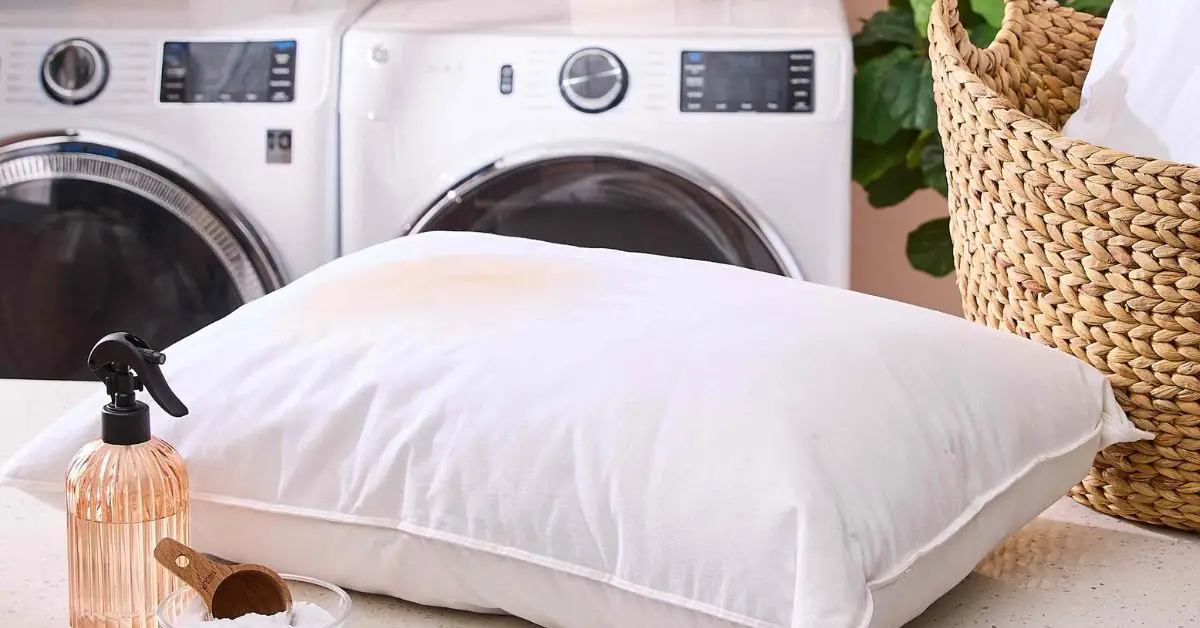
I’m all for restoring things instead of replacing them. But sometimes, cleaning isn’t the solution.
Here’s how I decide it’s time to let a pillow go:
- Permanent smell that doesn’t disappear after washing, vinegar rinse, and full drying
- Flattened shape that doesn’t bounce back, even after drying with balls
- Persistent allergy symptoms that improve when you switch pillows
If you’ve deep cleaned it properly and the odor still lingers, the internal filling may be permanently saturated with sweat and oils. At that point, you’re fighting material breakdown — not just surface dirt. And before you toss it out, take a look at these smart ways to reuse old pillows before throwing them away.
And if your pillow stays flat no matter what you do, it’s no longer supporting your neck the way it should. That affects sleep quality more than most people realize.
Final Thoughts
If you’ve read this far, you already care about doing it the right way.
Washing pillows isn’t just about removing stains. It’s about understanding the material, eliminating odor at the source, drying them properly, and maintaining them before problems build up.
When you match the method to the problem, pillows don’t just look cleaner — they last longer and feel better to sleep on. And if you’re already refreshing your bedding, you might also want to avoid these common decor mistakes that make your home look outdated.
Now I want to hear from you.
Have you ever washed a pillow and still struggled with lingering odor or yellow stains? What method worked best for you?
Drop your experience in the comments — your tip might help someone else.
And if you like practical, no-fluff home care guides like this, visit Build Like New for more real-world cleaning and maintenance advice that actually works.
Disclaimer: The cleaning methods shared here are general home-care guidelines. Always check your pillow’s care label before applying any treatment, and test stain-removal solutions on a small hidden area first. If you have severe allergies, mold concerns, or sensitive materials, consider consulting a professional cleaning service or replacing the pillow for safety.