Never Steam Clean These 6 Surfaces, Experts Say
I love steam cleaners. I really do.
They feel powerful. Fast. Almost magical. You point hot steam at grime, and it melts away without harsh chemicals. For busy homes, pets, kids — it sounds like the safest, smartest cleaning shortcut.
But here’s what most people don’t realize until it’s too late: steam can quietly ruin the wrong surface.
I’ve seen hardwood floors start to cup. Paint bubble. Upholstery shrink. Electronics glitch. And in almost every case, the person thought they were doing the right thing.
If you’ve ever wondered what not to steam clean, you’re asking the right question. Because high heat plus moisture isn’t gentle — it’s aggressive. And some materials simply aren’t built for it.
Before you roll that steamer across your floors or blast your couch cushions, let’s talk about the six surfaces experts say you should absolutely avoid — and why skipping steam today could save you thousands tomorrow.
Have you ever used a steam cleaner on something and regretted it?
Why You Can’t Steam Clean Everything
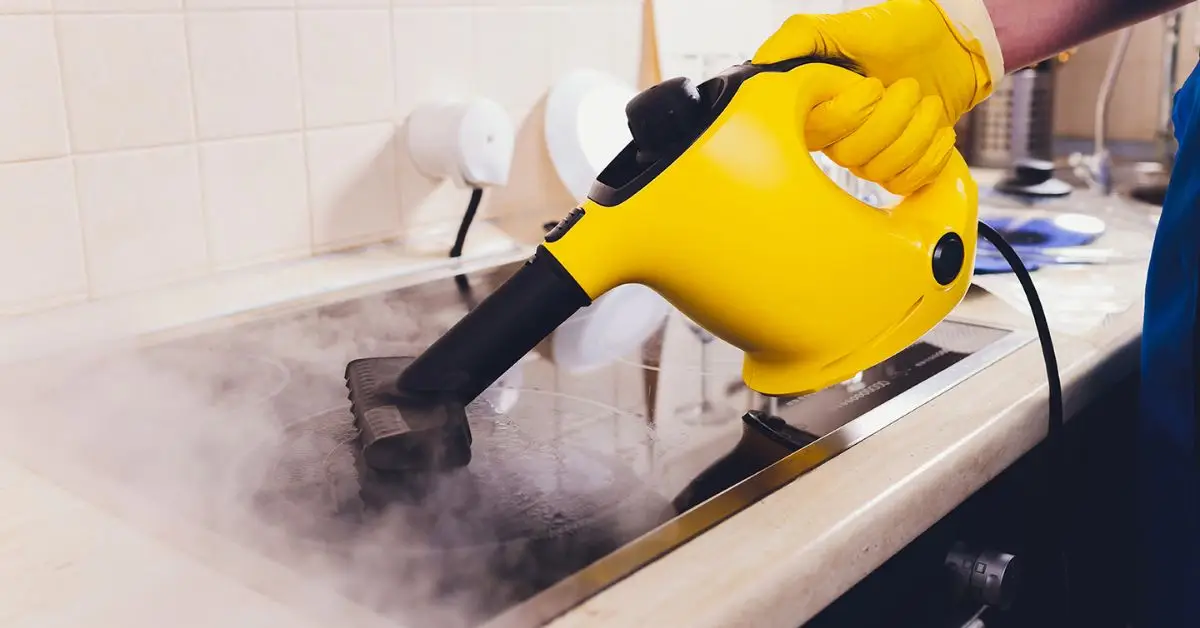
Let me explain this in simple terms.
When you use a steam cleaner, you’re blasting a surface with very high heat — often over 200°F — combined with moisture under pressure. That combination feels powerful. It loosens grime fast. It melts grease. It can reduce bacteria on hard surfaces.
But powerful doesn’t mean universally safe.
Once you understand how steam behaves, you’ll see why you can’t use it on everything in your home.
What Steam Cleaning Actually Does
Every time you run a steam cleaner, this is happening:
- High heat softens dirt and residue
- Moisture seeps into pores, seams, and tiny cracks
- Pressure pushes steam beneath the visible surface
- Rapid heating and cooling cause expansion and contraction
That expansion and contraction is where problems begin.
Wood swells and shrinks. Adhesives weaken. Protective finishes soften. Paint can bubble. Fabric fibers can tighten or distort. Electronics can trap condensation internally.
Steam doesn’t just clean the surface — it interacts with the structure underneath.
Why Some Materials React Badly
Certain materials are sensitive to moisture. Others are sensitive to heat. Many are sensitive to both.
For example:
- Unsealed hardwood absorbs moisture and can warp or cup
- Laminate flooring may swell at the seams
- Natural stone can gradually lose protective sealants
- Delicate upholstery fibers may shrink or bleed color
- Electronics can suffer internal moisture damage
If something is layered, glued, sealed, porous, or coated, steam can compromise it.
This isn’t just opinion. Even consumer watchdogs like Which? warn against using steam cleaners on certain flooring types because repeated exposure to heat and moisture can cause long-term damage.
The Biggest Myth I See
I hear this all the time:
“Steam kills germs, so it must be safe everywhere.”
Steam can reduce many bacteria. That part is true.
But it can also:
- Break down finishes
- Loosen adhesives
- Push moisture into areas that can’t dry properly
- Shorten the lifespan of expensive materials
You want your home clean. I get that.
But you also want your floors, furniture, and electronics to last. Once you understand how heat and moisture interact with materials, the warning list you’re about to read won’t feel dramatic — it’ll feel practical.
6 Surfaces You Should Never Steam Clean
If you remember nothing else from this article, remember this list.
These are the surfaces I see people damage most often. And once the damage happens, it’s expensive — sometimes irreversible.
Let’s go one by one.
1. Hardwood Floors (Unfinished or Water-Sensitive)
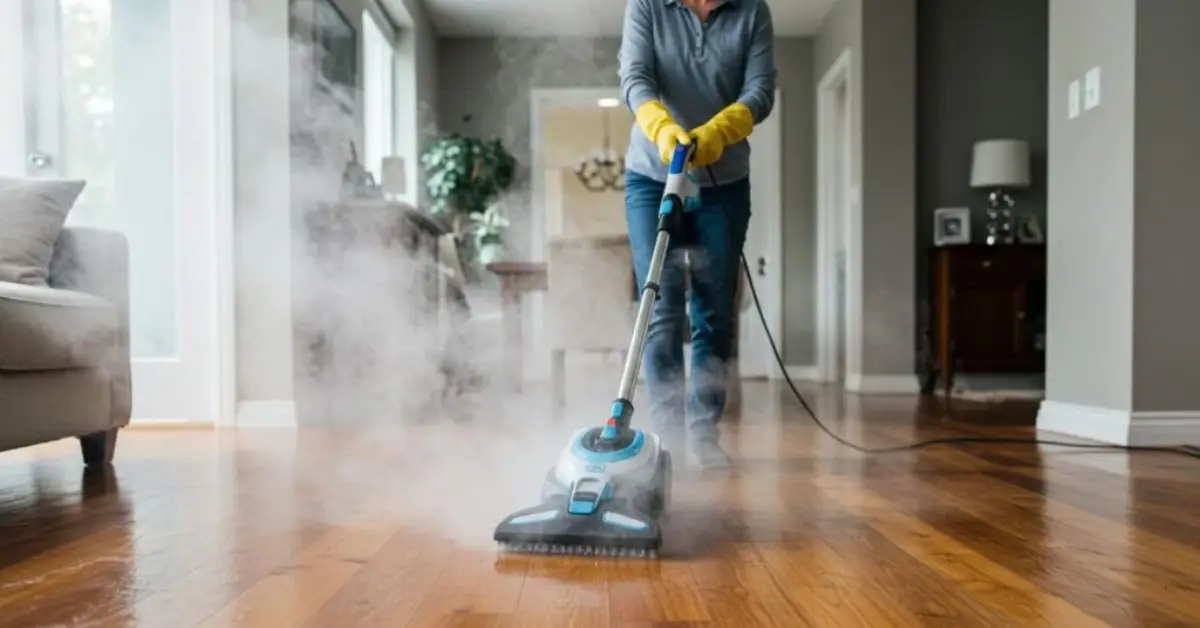
This is the big one.
I can’t tell you how many homeowners assume steam is safe for wood because it “uses less water.” That sounds logical — but it’s misleading.
Steam forces heat and moisture deep into the wood grain.
Here’s what can happen:
- Warping or cupping
- Separation between planks
- Finish breakdown
- Dull or cloudy protective coatings
Unfinished hardwood is especially vulnerable because it absorbs moisture directly.
Even sealed hardwood isn’t always safe. If the seal is worn, cracked, or thin, steam can still seep through and cause internal swelling.
The difference matters:
- Unsealed wood: High risk of absorption and permanent damage
- Properly sealed wood: Lower risk, but still not recommended long term
If you’re trying to avoid a flooring replacement bill, this is the surface to be most careful with. If you’re using a steam mop instead of a handheld unit, I’ve explained this in more detail in Thinking of Using a Steam Mop? These 6 Items Say Absolutely Not — it highlights even more surfaces people accidentally damage.
2. Natural Stone (Marble, Granite, Travertine)
Natural stone looks tough. It feels solid. But it’s porous and often sealed for protection.
Repeated steam exposure can:
- Break down protective sealants
- Cause surface dullness
- Lead to etching over time
- Increase staining risk
Marble and travertine are especially sensitive.
Cleaning experts at Southern Living caution against using steam cleaners on certain natural materials because high heat can compromise protective layers and affect long-term durability.
If you’ve invested in real stone countertops or floors, you don’t want to slowly strip away the sealant that keeps them looking polished.
3. Unsealed Grout and Tile
This one surprises people.
Tile itself is often safe. But grout is another story.
Grout is porous. When you blast it with steam:
- Moisture can penetrate below the tile
- Water can get trapped in the substrate
- Mold growth becomes possible
- Adhesives underneath may weaken
If grout is professionally sealed and maintained, light steam use may be acceptable.
But if it’s older, cracked, or unsealed? Steam can make things worse instead of better.
Grout is not automatically steam-safe. That nuance matters.
4. Upholstery with Delicate Fabrics
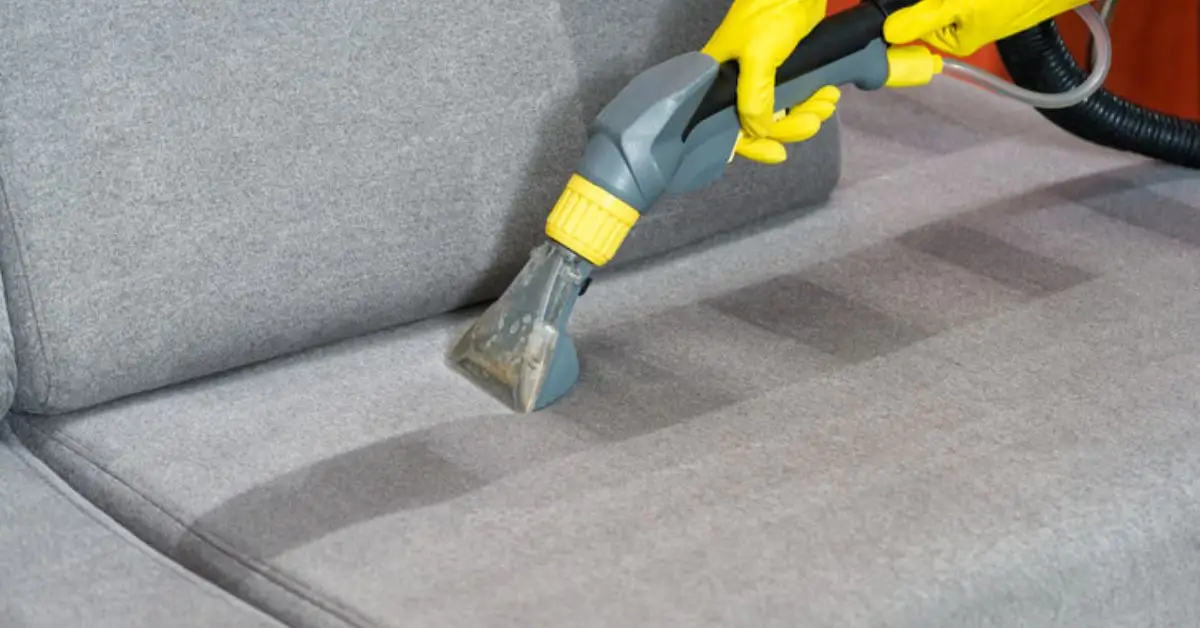
Steam and delicate fabrics don’t mix well.
High heat can:
- Shrink fibers
- Cause color bleeding
- Weaken structural integrity
- Leave water rings
Fabrics to avoid steaming:
- Silk
- Velvet
- Rayon
- Certain blends with adhesives or backing
You might think you’re freshening your couch. Instead, you could permanently distort the texture.
If you’re unsure about the fabric code, it’s safer to pause before using steam.
5. Electronics, Screens, and Keyboards
I’ve seen people try this — especially for “deep disinfecting.”
It’s risky.
Steam can:
- Force moisture into internal circuits
- Cause condensation buildup
- Lead to short circuits
- Damage screens and coatings
Even if the surface looks dry afterward, internal moisture can remain trapped.
For tech cleaning, stick to:
- Dry microfiber cloths
- Compressed air
- Manufacturer-approved wipes
Steam and electronics simply don’t belong together. And if you’re tempted to use steam on small kitchen appliances because they’re tough to clean, here are safer methods in 9 Easy Ways to Clean a Waffle Maker With Household Items (Even the Stuck Batter Comes Off) that won’t risk internal damage.
6. Wallpaper or Painted Walls
Walls seem harmless, right?
But steam can loosen adhesives behind wallpaper. It can also soften paint layers — especially flat or matte finishes.
Possible outcomes:
- Peeling wallpaper
- Bubbling paint
- Uneven texture
- Streaking or discoloration
Light steam is sometimes used intentionally to remove wallpaper. That tells you something. If you’re planning to remove wallpaper the right way, I’ve shared a full step-by-step guide in Steam Away Wallpaper – 6 Simple Steps From Prep to Cleanup so you don’t end up damaging the drywall underneath.
If your goal is cleaning — not stripping — steam usually isn’t the safest choice.
Bonus: Surfaces You Can Steam Clean Safely
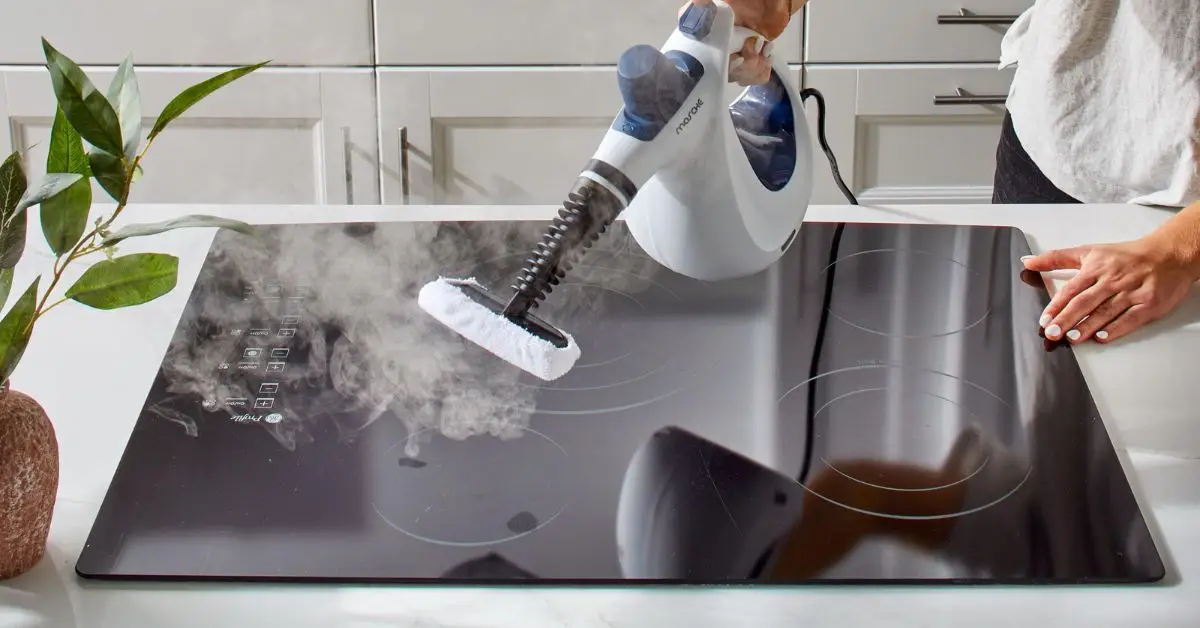
After all the warnings, let’s talk about where steam actually makes sense.
Steam cleaners are tools — and like any tool, they work best when you use them on the right surfaces.
Glass (Be Careful With Streaking)
You can steam clean glass safely because it’s non-porous.
What steam does here:
- Loosens stubborn spots
- Cuts through grease without harsh chemicals
- Sanitizes where traditional sprays struggle
But you must wipe immediately with a clean cloth, or you’ll end up with streaks.
Steam doesn’t lift grime — it just loosens it. The wipe-down is where the real cleaning happens.
Ceramic Tile (When Grout Is Sealed)
Ceramic tile itself is generally steam-safe. The key is what’s between tiles: grout.
If your grout is well sealed and free of cracks, steam can help lift surface grime.
But if it’s unsealed or deteriorating, moisture can still get underneath — which leads to the same problems we warned about earlier.
Good rule of thumb: inspect grout first, steam second.
Some Sealed Countertops
Certain sealed stone or engineered surfaces can tolerate occasional steam use — as long as the sealant is intact.
A quick check you can do:
- Sprinkle a few drops of water on the surface
- If it beads up, the seal is still doing its job
- If it soaks in, skip the steam
This matches what material science cleaning guides explain about how steam works on sealed vs porous surfaces.
Steam works best when the surface isn’t absorbing anything.
Expert Tips Before You Steam Clean Anything
I’ve learned over the years that the difference between “safe steam cleaning” and “oops” is usually just preparation.
Here’s my checklist before every steam session:
- Test a hidden spot first — small preview avoids big mistakes
- Read the product’s care instructions — manufacturer guidance matters
- Use the right attachment — surface-specific tools make a difference
- Keep the nozzle moving — don’t hover in one place
- Avoid sensitive seams or edges — that’s where damage starts
If the owner’s manual doesn’t say “steam safe,” don’t assume it is. Many manufacturers explicitly advise against steam on certain materials unless they’ve verified resistance to heat and moisture.
A little caution here goes a long way.
Common Myths About Steam Cleaning (and the Truth)
Steam cleaners are sold as miracle machines — and that marketing has created some big misunderstandings.
Let’s clear up the ones I hear most often.
Myth: “Steam kills all germs instantly, everywhere.”
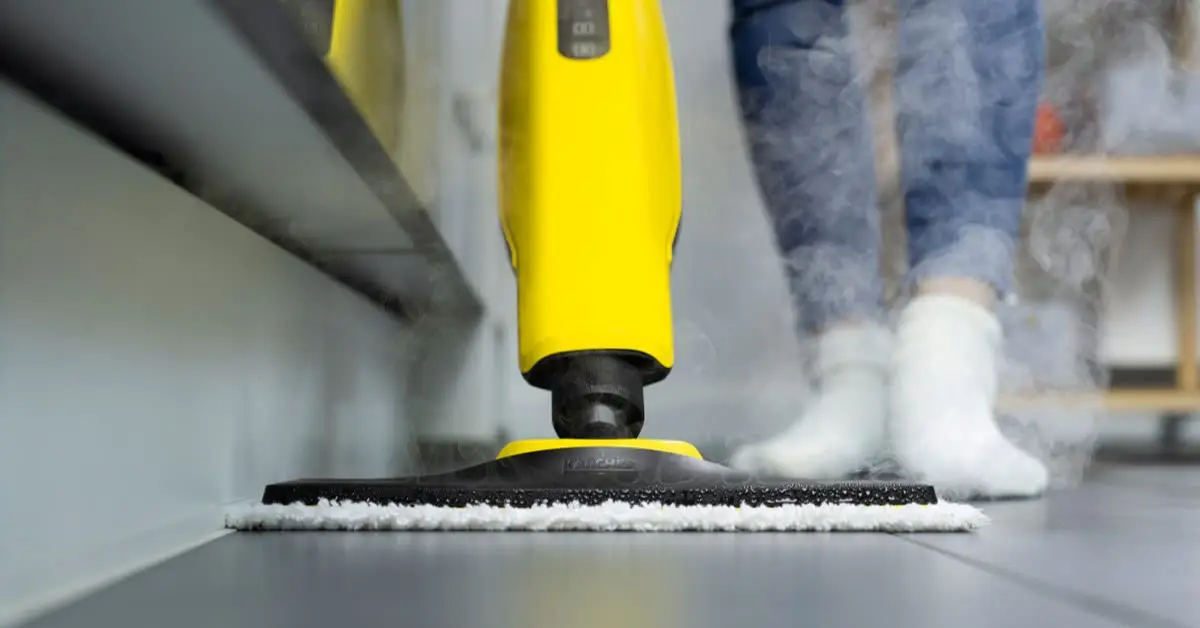
Here’s the truth:
Steam can reduce many bacteria and microbes — but effectiveness depends on:
- Surface type
- Contact time
- Temperature consistency
Steam isn’t instant magic. It’s heat and moisture working together, and that combo doesn’t perform the same on every surface.
You can scatter steam everywhere, but if it’s not held in contact long enough on a hard, non-porous surface, the sanitizing effect is limited.
Myth: “Steam deep-cleans carpets better than shampooing.”
Steam can freshen carpet and loosen surface soil.
But deep cleaning is more than loosening — it’s extracting grime and moisture afterward.
That’s why professional carpet cleaners use hot water extraction systems — they rinse and remove debris too, not just heat it.
Steam alone may leave residue trapped at fiber depth if you don’t pair it with extraction.
Quick Reference: What Not to Steam Clean (and What to Do Instead)
If you just want the fast answer, this is it.
Save this. Screenshot it. Come back to it before you plug in your steamer.
| Surface | Steam Safe? | Why or Why Not | Best Alternative |
|---|---|---|---|
| Unfinished Hardwood Floors | No | Absorbs moisture → warping, cupping, finish damage | Damp microfiber mop + wood-safe cleaner |
| Sealed Hardwood (Good Condition) | Risky | Steam can penetrate worn seals over time | Manufacturer-approved hardwood cleaner |
| Natural Stone (Marble, Travertine) | No | Heat weakens sealant, can cause etching and dullness | pH-neutral stone cleaner |
| Sealed Granite (Well Maintained) | Occasionally | Only if seal is intact; repeated steam may degrade it | Soft cloth + stone-safe spray |
| Unsealed Grout | No | Moisture can seep below tile → mold and adhesive damage | Grout brush + mild cleaner |
| Sealed Grout | With Care | Must be sealed and intact | Light steam + immediate dry wipe |
| Delicate Upholstery (Silk, Velvet, Rayon) | No | Shrinkage, color bleeding, fiber damage | Fabric-safe upholstery cleaner |
| Electronics / Screens | Never | Moisture ingress → short circuits | Dry microfiber + compressed air |
| Wallpaper | No (unless removing) | Steam loosens adhesive | Mild surface cleaner + soft cloth |
| Glass | Yes | Non-porous; safe if wiped immediately | Steam + microfiber wipe |
If the surface is porous, layered, glued, sealed, or moisture-sensitive, pause before steaming.
That one pause can save you thousands.
What You Should Actually Do From Here
Instead of thinking, “Is steam good or bad?” think like this:
- Check if the surface is sealed and heat-resistant
- Read the manufacturer’s cleaning instructions first
- Test a hidden spot before doing the whole area
- Keep steam moving — don’t let it sit in one place
- Avoid seams, edges, and joints
- When in doubt, choose a safer low-moisture method
Steam cleaning works best on hard, non-porous, fully sealed surfaces.
Everything else requires caution.
I’ve seen too many homeowners cause damage because they assumed steam was the safest option in the house.
It’s powerful. But power needs direction.
If this guide helped you avoid a mistake, I’d love to hear about it.
Have you ever steam-cleaned something and regretted it — or had a great result?
Drop your experience in the comments. Your story might help someone else avoid expensive damage.
And if you care about maintaining your home the smart way, visit Build Like New for more practical, no-fluff home improvement advice designed to protect your investment — not ruin it.
Disclaimer: This article is for general informational purposes only. Always follow your product manufacturer’s care instructions before using a steam cleaner on any surface. When in doubt, consult a flooring, appliance, or material professional to avoid damage.