9 Bathroom Items You Didn’t Know You Could Clean With Hydrogen Peroxide
Most people keep a bottle of hydrogen peroxide in the bathroom cabinet — usually for cuts and scrapes. Cleaning the bathroom with it? That rarely crosses anyone’s mind.
I used to think the same way.
One day, while dealing with stubborn grout stains in my own bathroom, I sprayed a little hydrogen peroxide on the tile just to see what would happen. Within minutes, the grime started loosening. No harsh chemical smell. No endless scrubbing.
That moment changed the way I clean my bathroom.
Hydrogen peroxide is surprisingly powerful when it comes to breaking down stains, mold, and bacteria. And unlike many strong cleaners, it’s simple, affordable, and easy to find in almost any store.
Over time, I realized something interesting: it works incredibly well on several bathroom spots that most people struggle to clean. Not just the obvious places like toilets and tiles, but a few unexpected items too.
In this guide, I’ll show you 9 surprising things you can clean in your bathroom with hydrogen peroxide — along with simple tips to make it work even better.
You might end up seeing that small brown bottle in your cabinet as one of the most useful cleaning tools in your home.
Let’s start with why hydrogen peroxide works so well for bathroom cleaning in the first place.
Why Hydrogen Peroxide Works So Well for Bathroom Cleaning
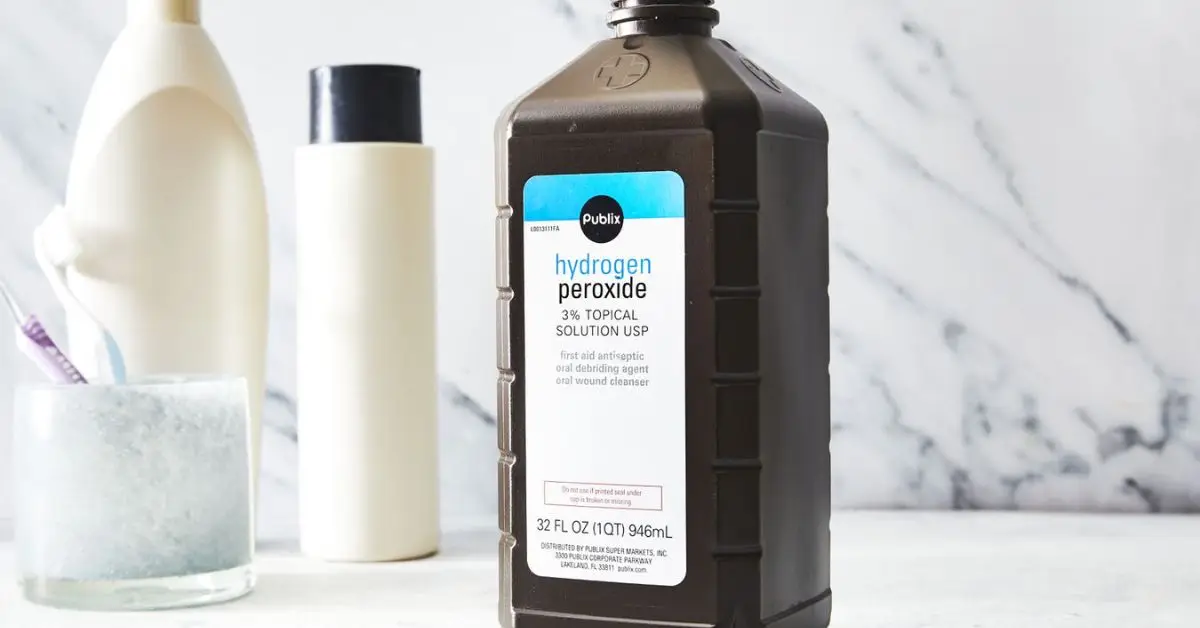
When I first started using hydrogen peroxide for cleaning, I honestly assumed it was just a basic antiseptic. But once I understood how it actually works, it became clear why it performs so well in the bathroom.
Hydrogen peroxide cleans through a process called oxidation. When it comes into contact with dirt, bacteria, or organic stains, it releases oxygen molecules that break those particles apart. That bubbling reaction you sometimes see isn’t random — it’s the cleaner actively breaking down grime and microbes.
Bathrooms happen to contain exactly the types of mess hydrogen peroxide handles best: moisture, bacteria, soap residue, and mildew.
Here’s why it works particularly well in this space:
- Breaks down bacteria and germs: The oxygen released during oxidation damages bacterial cells and prevents them from spreading across surfaces.
- Helps tackle mold and mildew: Damp areas like shower grout, tile corners, and curtains often develop mold. Hydrogen peroxide can penetrate porous areas and help weaken the mold structure.
- Lifts organic stains: Toothpaste splatter, soap scum, body oils, and residue all fall into the category of organic stains, which hydrogen peroxide can break apart.
- Works as a gentler bleach alternative: Instead of leaving strong chemical fumes behind, hydrogen peroxide eventually breaks down into water and oxygen after reacting.
Because of these properties, hydrogen peroxide is commonly used as a disinfectant in professional environments. The Centers for Disease Control and Prevention explains that hydrogen peroxide has antimicrobial activity and can help deactivate bacteria, fungi, and viruses on surfaces.
Once I understood the science behind it, the cleaning results made a lot more sense.
But before you grab the bottle and start spraying it around the bathroom, there are a few simple safety rules you should know.
Quick Safety Rules Before Using Hydrogen Peroxide in Your Bathroom
Hydrogen peroxide is simple to use, but like any cleaner, it works best when you follow a few basic precautions. I’ve noticed many cleaning guides jump straight into tips and skip these small details.
These are the rules I personally follow whenever I use hydrogen peroxide in the bathroom.
- Stick to 3% hydrogen peroxide: The standard bottle sold in most pharmacies is 3% concentration. That strength is effective for household cleaning and safe for most surfaces.
- Never mix it with other cleaning chemicals: Avoid combining hydrogen peroxide with bleach, vinegar, or ammonia. Mixing cleaning chemicals can cause unwanted reactions.
- Always spot-test first: Before spraying a large area, I test a small hidden spot on tiles, countertops, or fixtures to make sure the surface reacts well.
- Let the cleaner sit for a few minutes: Hydrogen peroxide needs a little contact time to break down bacteria and stains. Spraying and wiping immediately won’t give it time to work.
- Store it in a dark bottle: Hydrogen peroxide breaks down when exposed to light. That’s why it’s usually sold in brown bottles — it helps maintain its strength longer.
Once you keep these simple rules in mind, hydrogen peroxide becomes one of the easiest and most versatile cleaners you can use in your bathroom.
Now let’s look at something interesting — the surprising bathroom items you can actually clean with hydrogen peroxide.
9 Surprising Things You Can Clean in Your Bathroom With Hydrogen Peroxide
Once I started using hydrogen peroxide in my bathroom, I realized it could handle far more than basic disinfecting. Some of the toughest bathroom problems—grout stains, mildew, cloudy glass—respond surprisingly well to it.
The reason is simple: hydrogen peroxide releases oxygen that helps break down bacteria and organic buildup. Research published on PubMed shows hydrogen peroxide has strong antimicrobial activity and can significantly reduce bacteria such as E. coli and Staphylococcus when used on surfaces.
That same cleaning power is what makes it useful for everyday bathroom cleaning.
Here are some surprising places where it works really well.
1. Grimy Shower Grout That Looks Permanently Stained
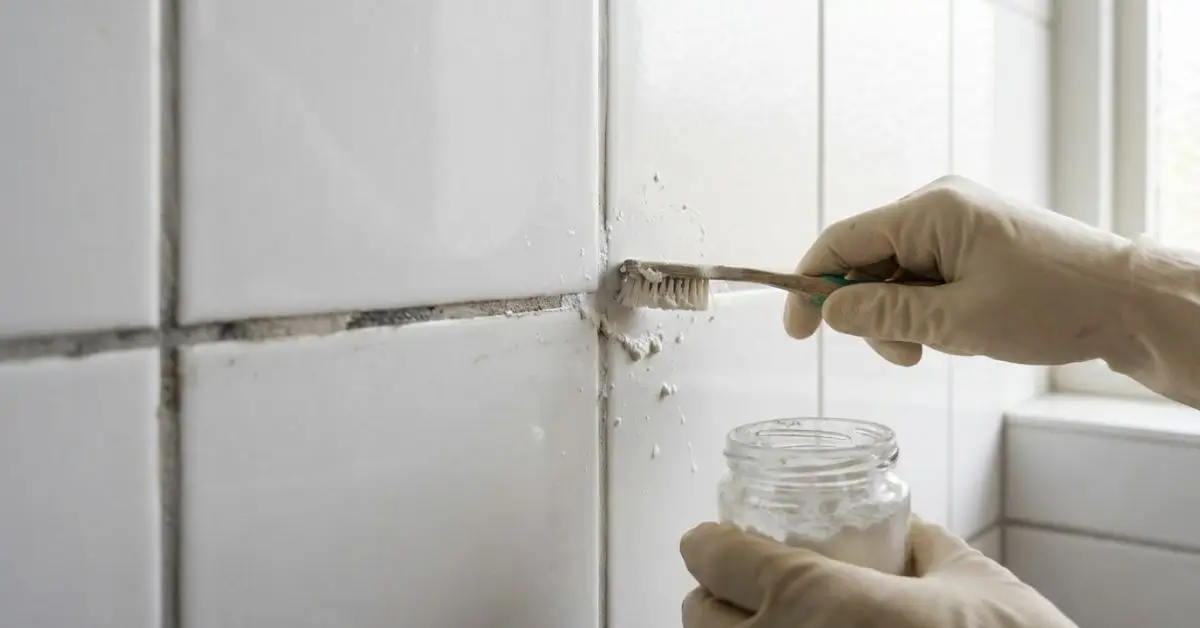
Grout is one of the biggest cleaning frustrations in any bathroom. It traps moisture, soap residue, and mold, which slowly turns those white lines dark.
I’ve had great results using hydrogen peroxide here.
How you can try it:
- Spray undiluted hydrogen peroxide directly on the grout
- Let it sit for 10–15 minutes
- Scrub gently with a grout brush or old toothbrush
- Wipe clean with warm water
For deeper stains, you can mix hydrogen peroxide with baking soda to create a paste and scrub stubborn spots. You can also follow this step-by-step method explained here: The Simplest Way to Clean Carpets With Baking Soda and Hydrogen Peroxide — which shows how this combination breaks down stubborn stains effectively.
2. The Toilet Bowl Ring Most Cleaners Can’t Remove
That stubborn toilet ring often comes from mineral deposits mixed with bacteria. Regular cleaners sometimes lighten it but don’t fully remove it.
Hydrogen peroxide can help loosen the buildup.
Simple method:
- Pour about ½ cup hydrogen peroxide into the toilet bowl
- Let it sit for 20–30 minutes
- Scrub with a toilet brush
- Flush normally
Giving the solution time to sit makes the stain much easier to scrub away.
3. Cloudy Bathroom Mirrors and Glass Shower Doors
If your bathroom mirror or shower door always looks cloudy, hydrogen peroxide can help restore clarity.
What I usually do:
- Mix 1:1 hydrogen peroxide and water in a spray bottle
- Spray lightly on mirrors or glass doors
- Wipe with a microfiber cloth
It helps remove toothpaste splatter, fingerprints, and light residue without leaving heavy streaks.
4. Mold and Mildew on Shower Tiles
Bathrooms create the perfect environment for mold—warm air, moisture, and poor ventilation.
Hydrogen peroxide can help weaken mold growth on tile surfaces.
Try this method:
- Spray peroxide directly onto the mold
- Let it sit for about 30 minutes
- Scrub lightly and rinse
Giving it enough contact time helps the solution break down the mold structure.
5. Bathroom Sink and Faucet Buildup
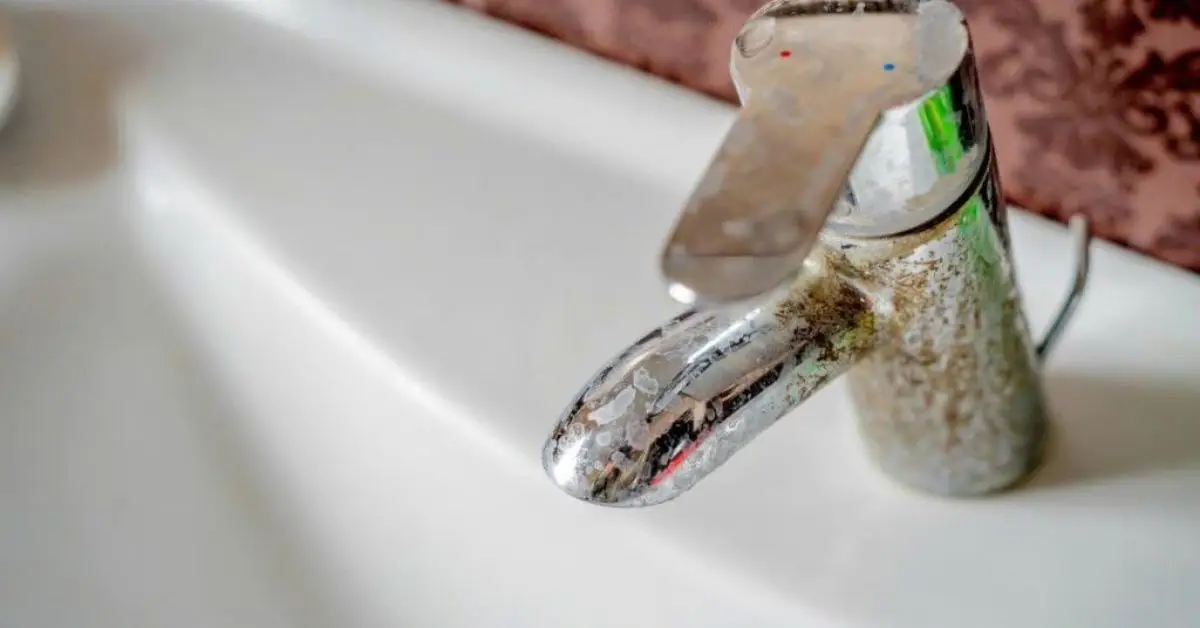
Soap scum and mineral deposits slowly collect around bathroom faucets and sinks. Over time, fixtures can start looking dull or cloudy.
Hydrogen peroxide can help loosen that buildup.
Quick approach:
- Spray the sink and faucet
- Let it sit for a few minutes
- Wipe with a cloth
- Use a toothbrush to clean tight corners around handles
It’s a simple way to bring back the shine.
6. Smelly Shower Curtains
Shower curtains often develop a musty smell because they stay damp for long periods.
Hydrogen peroxide helps kill the bacteria that cause that odor.
Two easy ways to use it:
- Spray diluted peroxide on mildew spots
- Or soak the curtain in water mixed with hydrogen peroxide
After rinsing and drying, the curtain usually smells much fresher.
7. Bathroom Floor Tiles and Grout Lines
Bathroom floors collect moisture, dust, and bacteria every day.
You can use hydrogen peroxide as part of a simple floor cleaner.
What works well:
- Mix hydrogen peroxide with warm water
- Use it as a mopping solution
- Pay extra attention to grout lines
If grout stains are especially stubborn, you can also try some of these methods from 7 DIY Ways to Restore Dirty Tile Grout (No Expensive Tools Needed) — which explains several simple grout-restoration techniques.
It helps break down grime while freshening the floor.
8. Toothbrush Holders and Small Bathroom Accessories
One of the most overlooked places in the bathroom is the toothbrush holder.
Think about it—water drips into it constantly, and toothpaste residue builds up quickly.
How I clean them:
- Pour hydrogen peroxide into a small bowl
- Soak the holder or accessories for several minutes
- Rinse with warm water
This helps remove buildup and disinfect small items that often get ignored.
9. Musty Towels and Bath Mats
If your towels or bath mats smell musty even after washing, bacteria and mildew are usually the cause.
Hydrogen peroxide can help refresh them.
Laundry trick:
- Add ½–1 cup hydrogen peroxide to the washing machine. And if your bathroom rugs or nearby carpets have dents from furniture or washing machines, this quick guide on 3 Easy Ways to Remove Furniture Dents From Carpet (Fast Fixes That Work) — can help restore their shape easily.
- Wash towels or bath mats as usual
- Let them dry completely
It helps break down odor-causing bacteria and leaves fabrics smelling cleaner.
I’m curious about your experience.
Have you ever tried cleaning your bathroom with hydrogen peroxide, or is there a stubborn spot you still struggle to clean?
Pro Cleaning Tricks That Make Hydrogen Peroxide Work Better
When I first started cleaning with hydrogen peroxide, I made the same mistake many people do—I sprayed it and wiped it immediately.
The problem is, disinfectants need time to work. If you wipe them off too quickly, they don’t get the chance to break down bacteria and stains.
Over time, I learned a few simple tricks that professional cleaners often use to make hydrogen peroxide far more effective.
Here are three that make a big difference:
- Give it proper contact time: After spraying hydrogen peroxide, let it sit for several minutes before wiping. This gives the oxidation reaction time to break down bacteria, mold, and grime.
- Use baking soda paste for tough stains: For deep grout stains or soap scum, mix hydrogen peroxide with baking soda to form a paste. Apply it, let it sit, then scrub lightly.
- Use a spray bottle for even coverage: Pour hydrogen peroxide into a spray bottle so you can cover surfaces evenly. This prevents over-soaking certain areas and helps the cleaner work consistently.
Professional cleaning guides often emphasize the importance of contact time for disinfectants. For example, advice from The Spruce highlights that allowing cleaning solutions to sit on surfaces before wiping helps them work more effectively.
These small adjustments may seem minor, but they can dramatically improve your results.
Bathroom Surfaces You Should NOT Clean With Hydrogen Peroxide
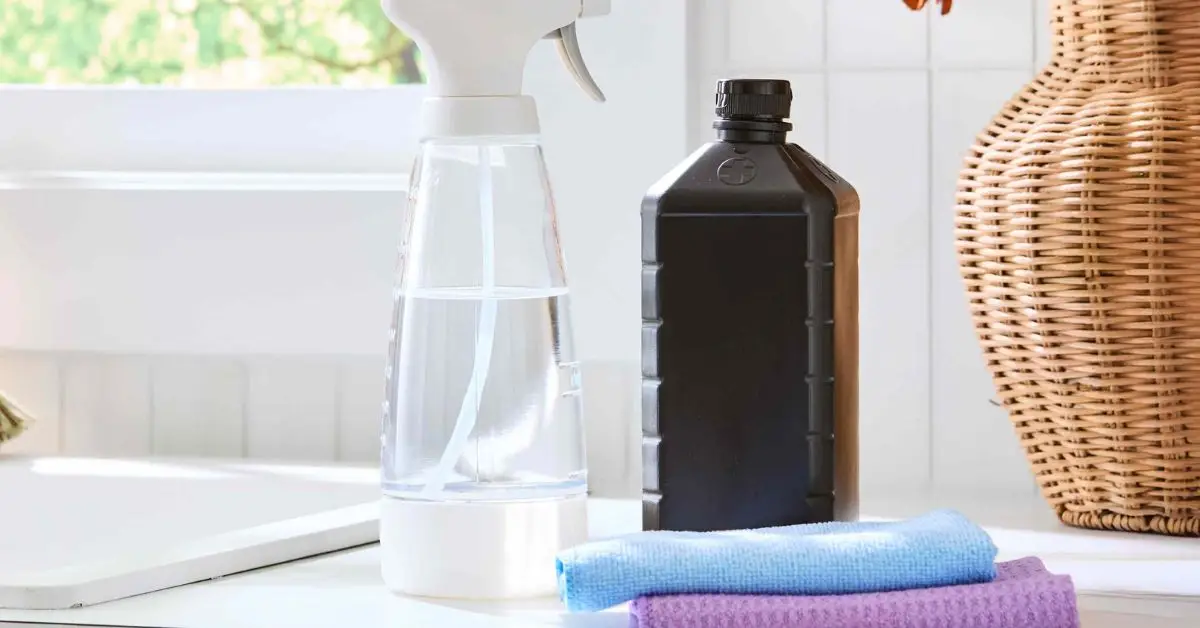
Hydrogen peroxide works well on many bathroom surfaces, but it isn’t safe for everything. I always check the material before using it because some finishes can react poorly.
If you’re not careful, you could end up damaging a surface instead of cleaning it.
Here are a few materials where hydrogen peroxide should be avoided or used very cautiously:
- Natural stone (marble or granite): These stones are porous and can become dull or discolored when exposed to strong cleaners.
- Brass, copper, or aluminum fixtures: Hydrogen peroxide can cause oxidation that leads to discoloration on certain metals.
- Wood finishes: Wood vanities or cabinets may lose their finish if exposed to strong cleaning solutions.
- Delicate fabrics: Some fabrics can fade or weaken when exposed to peroxide.
If you’re unsure, I always recommend testing a small hidden area first before cleaning a large surface.
This step alone can prevent many common cleaning mistakes.
When Hydrogen Peroxide Works Better Than Bleach
Bleach has been a go-to bathroom cleaner for decades, but it’s not always the best option.
In many everyday situations, hydrogen peroxide can actually be the easier cleaner to use.
Here’s why I often reach for it instead of bleach:
- Much less harsh smell: Bleach fumes can feel overwhelming in small bathrooms. Hydrogen peroxide usually has a much milder odor.
- Breaks down naturally: After reacting, hydrogen peroxide breaks down into water and oxygen, leaving fewer chemical residues behind.
- Works well on mold and bacteria: Its oxidation reaction helps break down organic matter, which makes it effective for many bathroom cleaning problems.
That doesn’t mean bleach is useless. It’s still powerful for certain heavy sanitation jobs.
But for everyday bathroom cleaning, hydrogen peroxide often feels simpler and easier to work with.
A Simple Hydrogen Peroxide Bathroom Cleaning Routine
One thing I’ve learned about bathroom cleaning is that consistency matters more than intensity. You don’t need a deep clean every week if you maintain surfaces regularly.
Here’s a quick routine you can try using hydrogen peroxide.
Step 1 — Spray the grout
Lightly spray grout lines around the shower or sink and let it sit while you clean other areas.
Step 2 — Clean the toilet
Pour hydrogen peroxide into the bowl, let it sit for several minutes, then scrub and flush.
Step 3 — Wipe mirrors and glass
Use a diluted hydrogen peroxide spray and wipe with a microfiber cloth.
Step 4 — Disinfect high-touch spots
Spray faucet handles, light switches, and door handles, then wipe them down.
The entire process usually takes about 10 minutes, and it helps prevent grime from building up in the first place.
Simple routines like this are often more effective than occasional heavy scrubbing.
The One Bottle Bathroom Cleaning Hack Most Homes Already Have
Sometimes the most useful cleaning tools are the ones already sitting in your cabinet.
Hydrogen peroxide is a perfect example. It’s inexpensive, easy to find, and surprisingly effective for many everyday bathroom cleaning problems. Once I started using it regularly, I realized I didn’t need a shelf full of specialized cleaners for every small task.
One simple bottle can help you:
- Disinfect bathroom surfaces
- Break down stubborn stains and soap scum
- Reduce mold and mildew buildup
- Refresh towels, grout, and shower areas
And the best part is how simple it is to use. A quick spray, a little contact time, and basic wiping can handle many of the cleaning jobs that normally take much more effort.
Of course, every bathroom is a little different. What works best often depends on the surfaces, humidity, and how often the space is used.
Now I’m curious about your experience.
Have you ever tried cleaning your bathroom with hydrogen peroxide?
Or is there a stubborn spot you’re still struggling to clean?
Share your thoughts in the comments—I’d love to hear what has worked for you.
And if you enjoy practical home care tips like this, you can find more simple cleaning ideas, home improvement guides, and smart maintenance advice on Build Like New.
Disclaimer: This article is for informational purposes only. Always test cleaning solutions on a small hidden area first and follow manufacturer guidelines for surfaces and materials.