Before You Sleep: 5 Things to Clear Off Your Kitchen Counters Tonight
I used to think a messy kitchen at night was harmless. I’d tell myself, I’ll deal with it in the morning. But over time, I noticed something odd—you might’ve felt it too. Even when I was tired, my brain wouldn’t fully shut off if the counters were crowded. A blender left out. A plate in the sink. Random mail near the coffee maker. Small things, but they added up.
Here’s what most people don’t realize: your brain treats visible clutter like unfinished business. When you see it before bed, your mind stays in “task mode,” even if your body wants rest. That low-level stress doesn’t always feel loud—but it follows you into sleep and shows up the next morning as irritation, fog, or that rushed feeling before the day even starts.
If you’ve ever woken up already feeling behind, your kitchen might be part of the problem. The counter is often the last thing you see at night and the first thing you face in the morning. When it’s crowded, your day starts with visual noise instead of calm. When it’s clear, something shifts—you feel lighter, more in control, and strangely more motivated.
This isn’t about deep cleaning or perfection. It’s about removing a few specific items that quietly mess with your head. Things that don’t belong on the counter overnight, even if they seem harmless. Once you know what they are, a five-minute reset can change how your night and morning feel.
Let me ask you this—when you walk into your kitchen in the morning, does it make you feel calm… or already tired?
The Real Nighttime Problem With Leaving Things on Counters
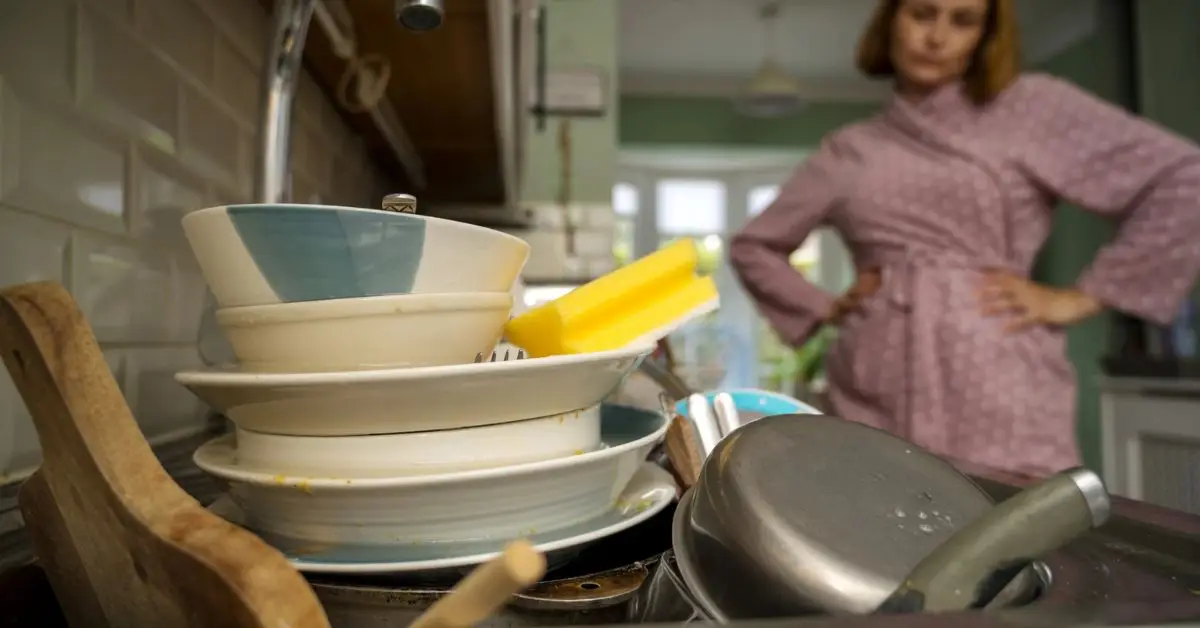
Most people think the issue is dirt or germs. Honestly, that’s not the main problem. The real issue is what clutter does to your head when the day is supposed to end.
When I leave things out on the counter at night, my brain doesn’t read it as “I’ll handle this tomorrow.” It reads it as unfinished. And your brain hates unfinished business.
Here’s how it quietly messes with you:
Visual noise keeps the brain in “task mode”
Your eyes don’t switch off just because you’re tired. When you see objects spread across the counter, your brain keeps scanning and processing them.
- Appliances
- Dishes
- Random items with no home
All of this creates visual noise. And visual noise tells your brain: stay alert, stay active, don’t relax yet.
Unfinished cues trigger subconscious stress
Even clean items can feel mentally heavy. A blender you didn’t use. A toaster sitting out “just in case.” These are cues of postponed decisions.
You may not consciously feel stressed, but your nervous system notices. Studies summarized by Calm explain how clutter keeps the mind overstimulated and raises stress levels, especially during rest hours.
Morning overwhelm starts the night before
This part is underrated. When you wake up to a crowded counter, your day starts with friction.
- Too many things to look at
- Too many micro-decisions
- Too much mental input, too early
That overwhelmed feeling in the morning? It usually didn’t start in the morning. It started the night before.
1. Small Appliances You Didn’t Use Today (Toaster, Blender, Coffee Gear)
This one surprises people. Appliances feel harmless because they’re “useful.” But mentally, they’re some of the loudest items on your counter.
When I leave unused appliances out overnight, my brain treats them like skipped routines or unfinished plans. Even if I didn’t plan to use them.
Why they quietly drain your mental energy:
- They take up visual space, even when clean. Some people keep appliances out because they’re worried about damaging the surface underneath—but if that’s your concern, these proven ways to remove kitchen countertop scratches at home can give you peace of mind and help you keep counters clear without fear.
- They signal “something should be happening here”
- They add to decision fatigue the next morning
Think about it from your brain’s point of view. When you walk into the kitchen and see a blender, toaster, coffee machine, and juicer all out at once, your mind has to filter what matters and what doesn’t—before you’ve even had coffee.
That’s exhausting.
Lifestyle-wise, here’s what tends to happen:
- You feel rushed for no clear reason
- You second-guess small choices (“Should I make coffee now?”)
- You start the day reacting instead of feeling settled
Minimalist and productivity communities talk a lot about this idea: clear surfaces = clear thinking. And when it comes to nighttime, appliances you didn’t use today don’t deserve to stay in sight while your brain is trying to rest.
Quick check for you: If you didn’t touch it today, does it really need to stay on the counter overnight—or is it just adding noise you’ve gotten used to?
2. Dirty or “Almost Clean” Dishes and Utensils
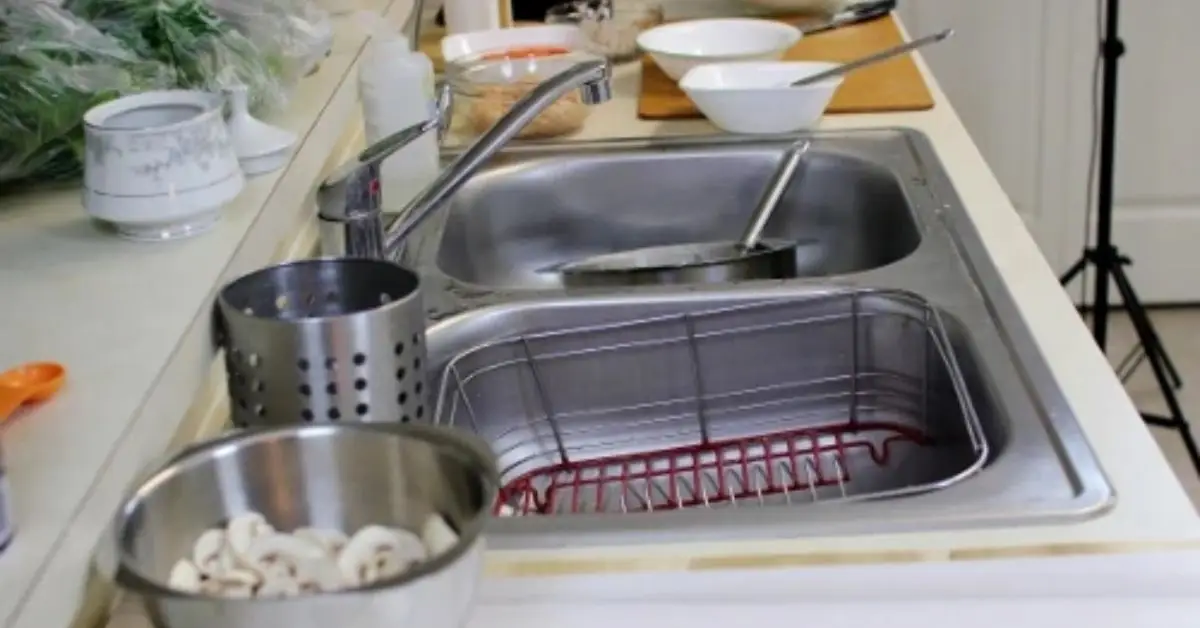
This one isn’t really about hygiene. It’s about mental closure.
I’ve noticed this with myself—and you might relate. One plate in the sink feels heavier than a fully messy kitchen. Why? Because it signals something that’s almost done. And our brains hate that state.
Here’s what’s actually happening:
- An “almost clean” dish becomes a silent reminder
- Your brain keeps it open as a pending task
- Even when you lie down, that task hasn’t mentally closed
Behavioral psychology shows that unfinished tasks linger in the mind longer than tasks not started at all. That’s why a single mug or spoon can create more stress than a full sink after a party.
What makes this worse at night:
- You want rest, but your brain wants resolution
- The kitchen doesn’t feel “done,” so neither does the day
- Sleep comes, but mental calm doesn’t fully follow
That’s why so many people talk online about resetting the kitchen as self-care. Not because the kitchen needs it—but because you do.
Quick rule I use: If it’s going to take under two minutes, finish it tonight. Let your brain close the loop.
3. Food Left Out (Fruit Bowls, Snacks, Open Packages)
Food on the counter seems innocent. Sometimes even healthy. But at night, it plays tricks on your mind.
When I leave food out, I notice two things happen—maybe you’ve felt this too:
- My eyes keep landing on it
- My brain starts negotiating
Food clutter creates subtle pressure. Not loud guilt, just quiet decision-making you didn’t ask for.
Here’s why it disrupts your calm:
- Visible snacks trigger late-night impulse eating
- Open packages signal “unfinished choices”
- Messy food visuals reduce the sense of order
Your environment heavily influences behavior. Wellness research shows that visual cues affect eating habits more than willpower. When food is out, your brain stays alert instead of winding down.
Nighttime kitchens work best when they send one message: Nothing left to decide. Nothing left to consume.
If the food isn’t meant to be eaten right now, it doesn’t need to stay in sight.
4. Mail, Grocery Lists, and Random Paper Clutter
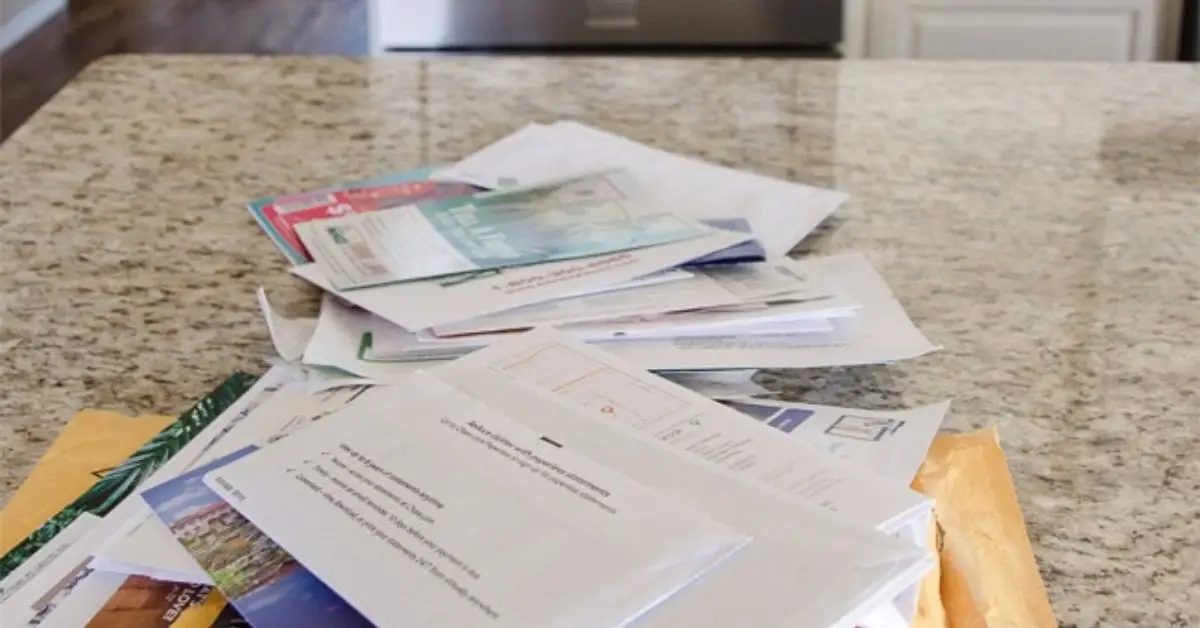
If there’s one thing that causes the most mental clutter, it’s paper.
Not because it’s messy—but because paper equals decisions.
Every piece of mail or scribbled list says something like:
- “Read me”
- “Decide later”
- “Don’t forget”
Over time, your kitchen counter turns into a mental to-do list. Interestingly, cluttered counters don’t just affect your own stress levels—many hosting experts point out that small habits like leaving papers, dishes, or sponges out are among the kitchen habits that quietly gross out your guests, even if they never say it out loud.
Why paper is so disruptive:
- It represents unresolved choices
- It pulls your brain into planning mode
- It blurs the line between rest and responsibility
Research summarized by Psychreg shows that household clutter—especially items tied to tasks and decisions—raises stress and reduces mental clarity.
Simple fix that works: Keep one small tray or folder away from the counter. Papers go there—out of sight, out of mind, at least until morning.
Let me ask you something real— Which of these items do you always leave out at night, even though you know it quietly stresses you out?
5. Cleaning Products and Sponges Left in Sight
This one feels ironic, I know. Cleaning items are supposed to signal order. But at night, they often do the opposite.
When I leave sponges, sprays, or scrubbers on the counter, my brain doesn’t see “clean.” It sees work paused midway.
Here’s why these items quietly raise stress levels:
- Cleaning tools signal unfinished chores
- They remind you of effort, not rest
- Your brain stays in “maintenance mode” instead of shutdown mode
Even if the kitchen is clean, visible cleaning supplies tell your mind that something is still in progress. If part of the reason you leave cleaning supplies out is because you’re unsure how often or how thoroughly to clean your counters, this guide on how to clean granite countertops the right way makes it much simpler—and helps you store those tools once the job is actually done.
There’s also a subtle social proof angle here. In community conversations about decluttering before bed, people often mention how even cleaning tools in sight make rest harder. For example, this Reddit thread highlights how clearing kitchen clutter — including cleaning gear — makes a noticeable difference in calm and focus.
But remember — the bigger issue isn’t germs or bacteria. It’s that cleaning tools are visual reminders of labor, and nighttime is not when your brain should be focused on effort.
Quick guideline:vIf something was used to clean today, store it out of sight before bed.
What to Do Instead: A 5-Minute Night Counter Reset Ritual
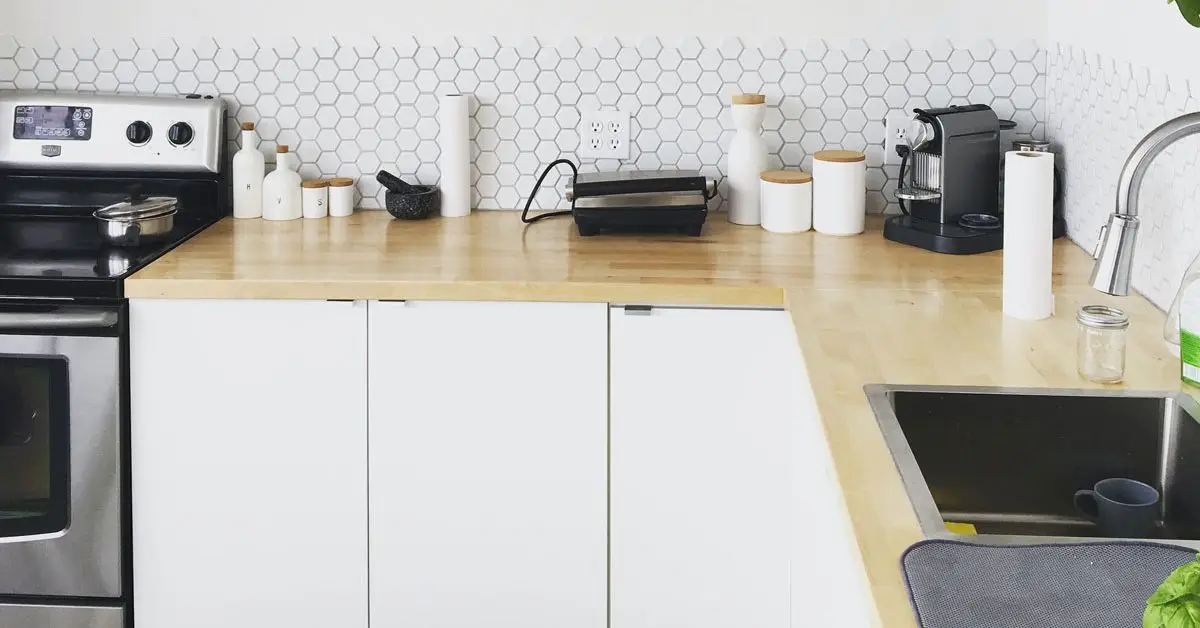
This is where everything comes together. You don’t need a perfect kitchen. You need a repeatable reset that your brain starts to recognize as “end of day.”
Decide a “night look” for your kitchen
Your kitchen doesn’t have to sparkle. It just needs to send a message of completion:
- Counters free of loose items
- Sink either clean or intentionally set up for morning
- Everything visible has a purpose or a home
When you define what done looks like, your brain stops scanning for unfinished work.
The one-basket rule for quick resets
This is my favorite cheat code.
- Keep a single basket or tray on the counter
- Toss anything without a home into it
- Deal with it tomorrow — out of sight tonight
This saves your energy now and keeps visual clutter off your radar.
Why consistency matters more than perfection
A consistent five-minute reset every night beats a perfect deep clean once a week.
People on social feeds — from TikTok to Instagram — are talking about nightly reset routines for this very reason. Not because their kitchens look pretty, but because their minds feel lighter.
This isn’t a trend; it’s a habit that builds comfort over time.
How a Clear Counter Changes Your Morning
Here’s the part most guides skip. Staying up late to clear clutter isn’t the reward — what you feel in the morning is.
When you wake up to a clear counter, you’ll notice:
- Less subtle anxiety before coffee
- Fewer tiny decisions to make early
- A grounded sense of readiness
For me, mornings feel smoother when the kitchen doesn’t “remind” me of last night’s unfinished tasks. Even small things — like an empty counter — cue calm.
Here’s what you gain:
- Less morning friction
- Faster, more focused routines
- A psychological edge before your day starts
Before we move on, think about this: Tomorrow morning, what would it feel like if your kitchen counter looked exactly the way you want your day to begin?
When You Don’t Need a Perfect Kitchen
Let me say this clearly—you don’t need a perfect kitchen for this to work.
I’ve seen people quit good habits just because they couldn’t do them perfectly. And that’s exactly what I don’t want for you. This isn’t about spotless counters or magazine-style kitchens. It’s about reducing visual stress, not chasing perfection.
Here’s the balance that actually works in real life:
- Progress matters more than perfection
- What’s visible affects your mind more than what’s hidden
- Even a 70% clear counter is a genuine win
Some nights you’ll be tired. Some nights life will get messy. That’s okay. If most of the counter is clear and the biggest stress triggers are gone, your brain still gets the signal it needs—the day is done.
I follow one simple mindset:
If my kitchen feels calmer than it did an hour ago, I’ve done enough.
Now I want to hear from you.
What’s the one item on your kitchen counter you struggle to put away at night? Drop it in the comments—I read them, and your answer might help someone else too.
And if you want more realistic, no-pressure home habits that actually make life feel lighter, you’ll find them on Build Like New. That’s where I share simple resets, practical routines, and smart fixes that work in real homes—not perfect ones.
Disclaimer: This content is for general lifestyle and wellness guidance only. Individual habits and experiences may vary, and this is not intended as medical, psychological, or professional advice. Use what feels realistic and helpful for your own routine.