How to Create a Safe Home Environment for Your Baby
When I first became a parent, I quickly realized that keeping a baby safe at home isn’t just about buying baby gates or outlet covers. It’s about understanding how your baby experiences the world at every stage. A newborn is very different from a crawling baby, and what’s safe today could be risky tomorrow.
For example, in the first few months, your baby’s biggest risks are around sleep. Sudden Infant Death Syndrome (SIDS) is still one of the leading causes of death for infants under one year, so placing your baby on their back, on a firm mattress, and keeping the crib free of blankets or toys isn’t optional—it’s essential.
Once your little one starts rolling, crawling, or pulling themselves up, everything in your home suddenly becomes “reachable” and potentially dangerous. Sharp corners, loose cords, unlocked cabinets—all of these can pose a real threat. At this stage, I found that walking through my home from the baby’s eye level was the most revealing way to spot hazards.
Understanding these stages helps you anticipate risks instead of reacting after an accident. You want to be proactive—babyproof before they can get into trouble, not after. And remember, as your child grows, the safety measures you put in place should evolve with them.
Practical takeaway: Take a few minutes this week to map your baby’s movements. Watch where they reach, what they grab, and which areas trigger curiosity. That observation alone will guide your next steps in babyproofing.
Setting Up a Safe Sleep Environment
When it comes to keeping your baby safe at home, sleep is where you really need to be careful. I learned early on that most parents underestimate how risky sleep time can be. Sudden Infant Death Syndrome (SIDS) and suffocation hazards are real, and the way you set up your baby’s sleep space makes a huge difference.
Here’s what I do and recommend:
- Always place your baby on their back. No matter how cute the side or tummy photos look, back sleeping is proven to lower SIDS risk.
- Choose a firm mattress. Soft bedding, pillows, or stuffed animals might feel cozy, but they increase the danger. Keep the crib bare except for a fitted sheet.
- Skip bed-sharing. I know it’s tempting to have your baby sleep in your bed, but it increases suffocation risks. A bassinet or crib in your room is the safest choice.
- Consider room-sharing, not bed-sharing. Having your baby close by allows you to respond quickly without compromising safety.
According to Yellow Pages on ensuring baby safety at home, these sleep practices are both practical and easy to follow, especially for parents navigating newborn routines for the first time.
Tip from experience: Set a bedtime routine early. Not only does it help your baby sleep better, but it also gives you peace of mind that their sleep environment is safe and consistent.
Room‑by‑Room Babyproofing Checklist
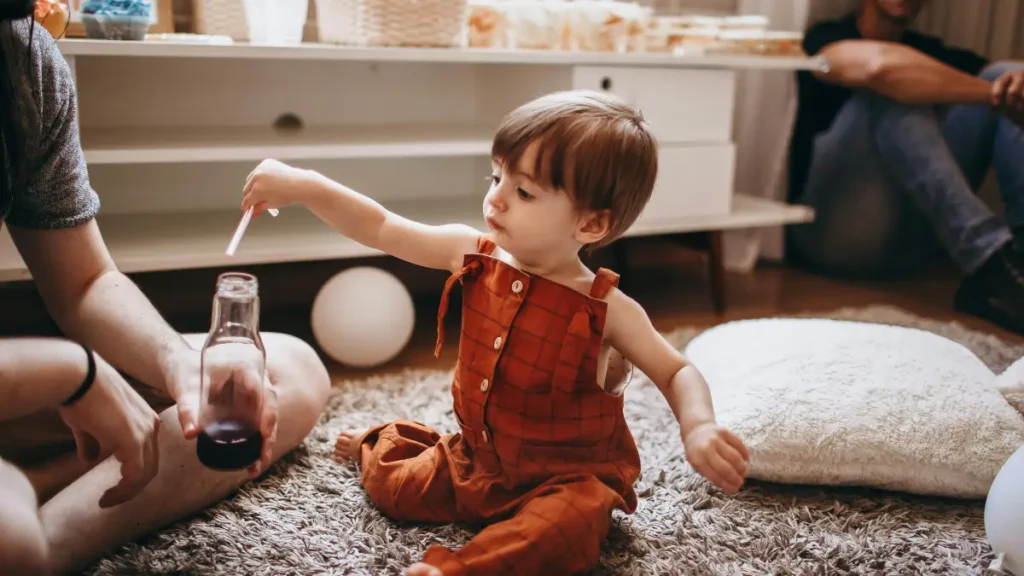
I always tell new parents: don’t try to babyproof “everything at once.” Breaking it down by room makes it manageable and ensures no hazards slip through the cracks. Let’s go room by room.
Kitchen & Dining Area
The kitchen is full of temptations for curious hands. I used to underestimate how fast babies can reach for small objects until I found a coin on the floor. Here’s what to do:
- Lock all cabinets and drawers, especially those with cleaning supplies or sharp objects.
- Use stove knob covers and keep hot surfaces out of reach.
- Store small items like coins, batteries, or magnets well out of reach.
The kitchen is one of the highest-risk areas in the house for injuries, from burns to choking hazards.
For additional home security tips that go beyond babyproofing, you can explore 6 Ways Home Security Systems Prevent Break-Ins and Emergencies—small measures can make a huge difference in overall household safety.
Living Room & Play Areas
This is where your baby starts exploring and crawling like a tiny adventurer. To keep it safe:
- Anchor furniture and TVs so they can’t tip over.
- Cover sharp corners and edges of tables or shelves.
- Keep cords tucked away and remove small objects they could choke on.
Your living room is likely their first real playground. A few simple adjustments turn it into a safe, controlled space for curiosity to thrive.
Nursery & Bedroom
Your baby’s room needs more than just a crib. I make sure every detail is safe:
- Crib setup: fitted sheet only, no toys, no blankets.
- Secure windows and blinds; cover all outlets.
- Lock medications, cosmetics, or other items out of reach.
Bedrooms can harbor hidden hazards that parents often overlook. Every item within reach should be evaluated.
Bathroom Safety
Bath time is fun but can be dangerous if you’re not vigilant:
- Use anti-slip mats and toilet locks.
- Set your water heater to a safe temperature and never leave the baby unattended in the tub.
Water-related accidents are among the leading causes of serious injury for infants at home. A few precautions prevent most incidents.
Stairs & Entrances
Even if your home has one staircase, it’s critical to take precautions:
- Install safety gates at the top and bottom.
- Clear walkways and ensure railings are secure.
Falls are the most common non-sleep-related injuries. Proper gates and clear paths can prevent serious accidents.
I often share quick safety checklists and bite-sized home tips over WhatsApp—it’s an easy way to stay updated without sifting through long articles.
Everyday Parenting Habits That Enhance Safety
Babyproofing gear is important, but honestly, it’s your habits that make the biggest difference. I learned that even the most secure home can become risky if you’re not paying attention.
Here’s what I follow every day:
- Always supervise. Especially during baths or when your baby is on a high surface like a changing table. Accidents happen in seconds, and having an eye on them is the simplest safety measure.
- One hand on the baby rule. Whenever I lift or move my little one, I make sure one hand is always supporting them. It’s a small habit that prevents falls.
- No smoking near the baby. Smoke lingers and can affect their tiny lungs. I make my home completely smoke-free around my baby.
- Safe feeding practices. Never leave small foods unattended, cut them appropriately, and always watch for choking hazards.
These habits aren’t complicated, but they create a level of safety that no gadget can replace.
Safety Products & Tools That Actually Work
When I started babyproofing, I realized not all products are created equal. Here’s what I found truly useful:
- Safety gates, cabinet locks, and outlet covers. These are non-negotiable for high-risk areas like the kitchen and stairs.
- Furniture anchor kits and blind cord wind-ups. TVs, bookshelves, and dressers need to be anchored; cords must be out of reach.
- Smoke and carbon monoxide detectors. They’re not just for adults—they protect the entire household, including your baby.
Investing in these products gives peace of mind, but pairing them with attentive parenting makes them really effective.
Even simple, low-tech tricks can enhance safety at home. For instance, this guide on low-tech home security shows how small changes can protect everyone, including your little one.
Common Mistakes Parents Make With Baby Safety
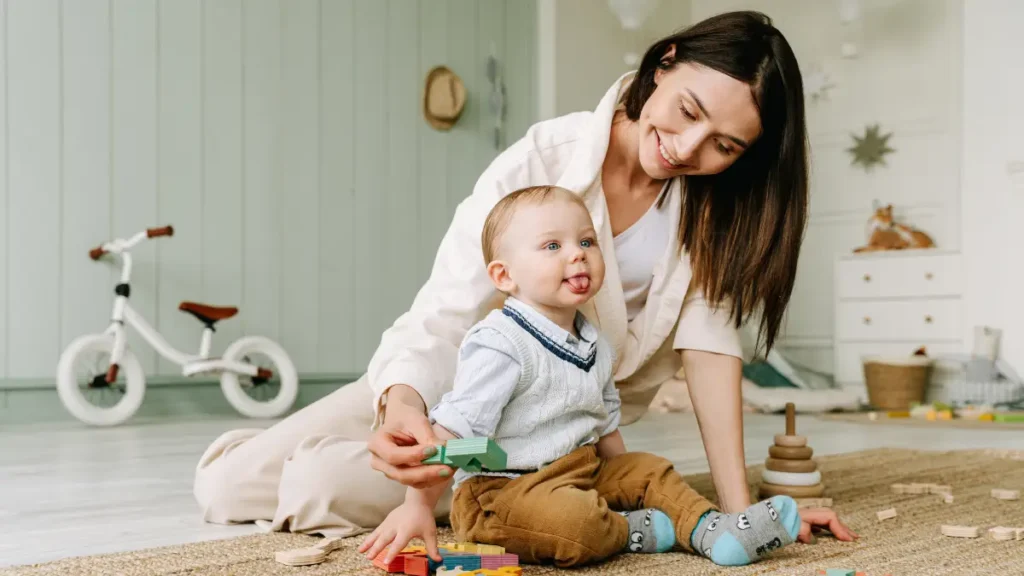
Even experienced parents slip up sometimes. I’ve learned a lot by talking to others and reading community experiences. Here are mistakes I see often:
- Assuming “just telling the baby not to touch” works. They’re curious, and warnings alone won’t stop them.
- Installing baby gates but forgetting to anchor them properly. A gate that wobbles can be just as dangerous as none.
- Underestimating cord hazards. Blind cords, charger wires, and dangling cords can be deadly if left accessible.
Learning from these mistakes helps me feel more prepared and reduces the stress of constantly worrying. Sometimes seeing what others overlook is the best teacher.
Quick Safety Inspections You Can Do in 10 Minutes
I know life with a baby can feel nonstop, but spending just ten minutes on a quick safety check can save you a lot of stress—and prevent accidents. I make this part of my weekly routine, and it gives me peace of mind knowing I haven’t missed anything.
Here’s a simple checklist you can follow:
- Check trip hazards and reachable objects. Walk through your home like your baby would—small items, loose rugs, or toys on the floor can all be dangerous.
- Test alarms and detector batteries. Smoke and carbon monoxide detectors are lifesavers, but only if they’re working. I check mine at least once a week.
- Ensure cabinet locks are functional. Even the best locks can wear out or loosen over time. Give them a quick test to make sure they still hold.
Doing this regularly turns safety into a habit. Ten minutes of attention now can prevent accidents and give you confidence that your home is secure for your little one.
You can even repurpose old devices for monitoring, like using your old smartphone as a DIY security camera—check out DIY Home Security: Use Your Old Smartphone as a Security Camera for practical ideas that complement babyproofing measures.
When to Seek Professional Help or Training
Even with babyproofing and routines, there are times when professional guidance makes a huge difference. I realized that learning a few extra skills can be a lifesaver.
- CPR and first-aid basics. Taking a certified class gives you confidence to act quickly if something goes wrong. I took a local course and now feel ready for emergencies.
- Pediatrician check-ins for safety advice. Your doctor can guide you on developmental milestones and what new hazards to anticipate as your baby grows.
These steps aren’t just extra—they’re a way to feel prepared and calm. Knowing when to bring in professional advice or training completes the picture of keeping your baby safe at home.
Closing Thought: Adopting a Safety Mindset
Keeping your baby safe at home isn’t a one-time project—it’s a mindset. I’ve learned that safety evolves as your little one grows. What works for a newborn might not be enough once they start crawling, standing, or exploring every corner of your home.
The best approach I’ve found is to stay curious and observant, just like your baby. Walk through your home from their perspective, anticipate risks before they happen, and combine that with consistent habits and smart products. It’s this mix that truly protects them.
Remember, small, consistent actions—like checking cords, testing alarms, or supervising closely—add up to a secure environment. It’s not about perfection; it’s about awareness, preparedness, and being present.
I’d love to hear from you: what’s the one safety change you made at home that made the biggest difference for your baby? Sharing experiences like this helps all of us stay alert and inspired.
If you want more tips on keeping your home safe and baby-friendly, follow me on X and join our Facebook community for daily advice and parent discussions.
Disclaimer: This article is for informational purposes only and is not a substitute for professional medical advice. Always consult your pediatrician or certified safety expert for guidance specific to your child. The author and sources are not responsible for any accidents or injuries that may occur.