9 Leading Causes of House Fires—and How to Prevent Them
I want to start by asking you something—have you ever paused to think about how easily a home fire could start in your own house? Most of us assume it won’t happen to us, but the truth is, thousands of families face devastating home fires every year. In fact, data from fire safety organizations shows that a significant number of these incidents happen due to preventable causes—things like unattended stoves, faulty wiring, or even a small candle left too close to curtains.
When I look at these statistics, what strikes me isn’t just the numbers—it’s the stories behind them. Families losing irreplaceable memories, people getting injured while trying to save their pets, and homes reduced to ashes in minutes. And the worst part? Many of these tragedies could have been avoided with simple awareness and action.
That’s exactly why I wrote this guide. I want you to understand the real triggers behind home fires, see the hidden hazards most people overlook, and walk away with practical steps to protect your loved ones. By the time you finish reading, you’ll know not just what causes fires, but how to prevent them before they ever start.
So let’s dive in—because knowing these dangers today could save a life tomorrow.
Cooking Accidents – The #1 Trigger of Household Fires
I’ve seen it too many times—people get distracted while cooking, thinking they’ll just “check something quickly” or scroll on their phone, and in the blink of an eye, a small flare-up becomes a dangerous fire. Cooking accidents are actually the leading cause of home fires, and the scary part is how fast they can escalate. According to Yellow Pages, unattended stoves and grease fires are among the top triggers in most households.
Here’s why this matters: in nearly half of all home fires, cooking was involved. That means it’s not just about your dinner—it’s about the safety of everyone in your home.
Common risky behaviors to watch out for:
- Leaving the stove unattended even for a few minutes. A grease flare-up can ignite in seconds.
- Multitasking while cooking—checking your phone, helping kids with homework, or doing laundry nearby.
- Clutter near heat sources—towels, paper, or plastic containers too close to the stove.
- Overheating oil or frying at too high a temperature, which can cause sudden flare-ups.
Practical tips to stay safe in the kitchen:
- Always stay in the kitchen when cooking anything on the stove. Even stirring every few minutes isn’t enough if something catches fire.
- Keep a lid nearby to smother small grease fires quickly.
- Install a smoke detector near the kitchen but far enough from regular cooking smoke to avoid false alarms.
- Have a fire extinguisher rated for grease fires within reach, and make sure you and your family know how to use it.
You see, I’m not just warning you about statistics. I want you to visualize this—your family, your home, the moments you treasure. Cooking safely is not just a habit; it’s a shield against disaster. Take a moment today to check your kitchen setup. Are there flammable items near the stove? Is your smoke detector working? These small actions can prevent a tragedy before it ever starts.
Faulty Electrical Wiring & Malfunctions – The Hidden Danger in Your Home
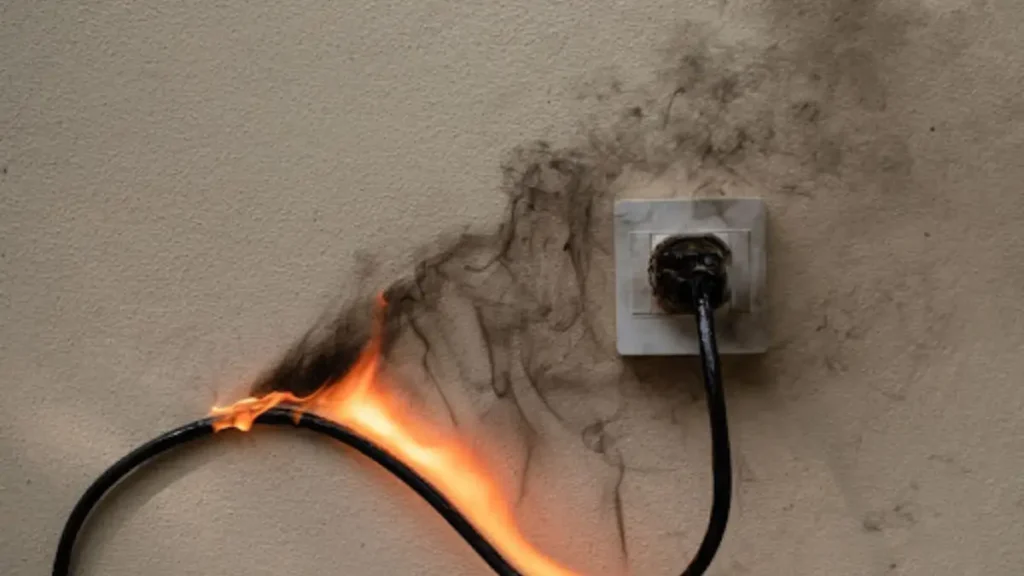
If there’s one fire hazard that often goes unnoticed, it’s your home’s electrical system. I’ve come across so many situations where a simple frayed wire or an overloaded outlet turned into a serious fire risk. It’s not flashy like a kitchen flare-up, but the damage can be just as devastating. According to Yellow Pages, electrical malfunctions are one of the top causes of home fires—and the scary part is how easily they can be overlooked.
Here’s what you should watch out for:
Signs your home electrical system might be unsafe:
- Frequent breaker trips or blown fuses when multiple devices are running.
- Flickering or dimming lights—a signal that wiring may be overloaded or faulty.
- Warm or discolored outlets and switches, or a burning smell near them.
- Old wiring in houses built decades ago, which may not meet today’s safety standards.
Practical actions to protect your home:
- Don’t overload outlets—use power strips with surge protection, but avoid daisy-chaining multiple strips.
- Hire a licensed electrician to inspect your wiring every few years, especially if your house is older.
- Replace frayed cords immediately and avoid running cords under rugs or furniture.
- Install arc fault circuit interrupters (AFCIs) in bedrooms and living areas—they can stop electrical fires before they start.
I want you to imagine the peace of mind you’ll feel knowing your home’s electrical system isn’t silently waiting to cause trouble. Checking outlets, hiring a professional, and updating old wiring isn’t just maintenance—it’s an act of protection for your loved ones.
Heating Appliances & Space Heaters – A Seasonal Risk You Can’t Ignore
Every winter, I see homes at risk because of space heaters or fireplaces. It’s easy to forget that the devices keeping you warm can actually start a fire if you’re not careful. Heating appliances are a leading cause of seasonal home fires, yet many of us underestimate the danger until it’s too late.
Common hazards with heating appliances:
- Space heaters placed too close to curtains, bedding, or furniture.
- Fireplaces with combustible debris nearby, like paper, wood, or rugs.
- Older or damaged heaters that overheat or have frayed cords.
Practical safety tips:
- Keep at least 3 feet of clearance around any heating device.
- Never leave space heaters or electric blankets running unattended.
- Clean fireplaces and chimneys regularly to remove soot and debris.
- Plug heaters directly into wall outlets; avoid extension cords whenever possible.
Imagine this: you’re enjoying a cozy evening at home, and a tiny spark from a heater could turn that comfort into chaos. Taking these precautions ensures your home stays warm and safe at the same time.
Careless Smoking & Indoor Smoking Risks – Small Habits, Big Dangers
Indoor smoking is one of those risks that often flies under the radar. Fires caused by careless smoking can escalate in seconds, and they often happen at home when people feel most relaxed.
Risks to watch for:
- Bedtime smoking—falling asleep with a lit cigarette is extremely dangerous.
- Furniture ignition—sofas, chairs, and carpets catch fire quickly.
- Ashes and embers that aren’t fully extinguished before disposal.
Practical precautions:
- Smoke outdoors whenever possible, or in a well-ventilated area.
- Use a metal ashtray, and make sure everything is fully extinguished before leaving.
- Avoid smoking around children or pets who might knock over ashtrays.
- Consider smoke alarms with strobe lights for added safety if indoor smoking cannot be avoided.
I want you to think about your own home routines. I’m not here to scold—you know your habits—but making even small adjustments in how and where you smoke can protect your family and prevent a disaster you never saw coming.
Candles, Lamps & Open Flames – Tiny Flames, Big Risks
I love the cozy vibe of candles, lamps, or even a small oil lamp—but I’ve seen how quickly a tiny flame can turn into a disaster. Just a year ago, a Northern Carolina family lost part of their home because a candle was left too close to curtains. That’s the reality: small flames are deceptively dangerous.
Common mistakes to avoid:
- Placing candles near curtains, furniture, or flammable decorations.
- Leaving candles unattended, even for a few minutes.
- Using oil lamps or kerosene lamps indoors without proper ventilation.
Practical safety tips:
- Always keep candles on stable surfaces and away from anything that can catch fire.
- Extinguish candles completely before leaving the room or going to bed.
- Consider LED candles—they give the same warm glow without the risk.
- For lamps or lanterns, check cords and wicks for damage before every use.
I want you to picture this: a simple evening with a candlelit dinner could end in a disaster in seconds. Paying attention to placement and alternatives is one small change that can prevent heartbreak.
Flammable Liquids & Chemical Storage Hazards – The Hidden Threat
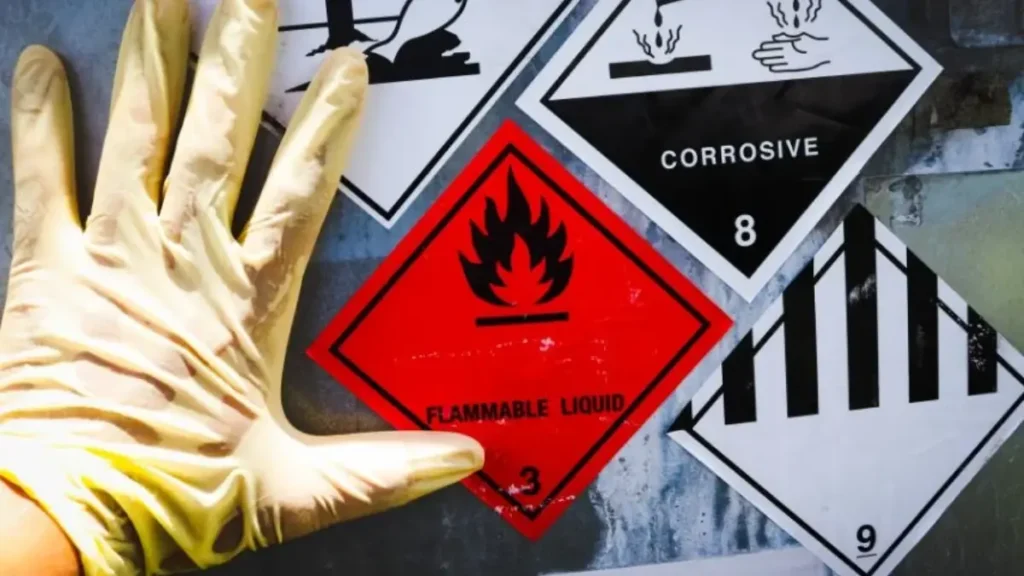
I have to be honest—most people don’t think about chemicals like gasoline, cleaning solvents, or even alcohol as fire hazards. But these liquids are highly flammable, and all it takes is one spark near a stove, heater, or electrical appliance to ignite them.
Why you should care:
- Flammable liquids can vaporize and ignite quickly, sometimes explosively.
- Even small amounts stored in improper containers can become dangerous.
Practical storage tips:
- Store chemicals in approved containers and away from heat sources.
- Keep them in a cool, ventilated area—never near stoves, heaters, or electrical outlets.
- Label containers clearly and keep them out of reach of children.
- Avoid storing large quantities indoors—if possible, use a dedicated outdoor shed for flammable liquids.
These are the hazards most articles skip over, but I want you to think about your own home. Even if you never thought about it before, a little care in storing chemicals can prevent a fire you never saw coming.
Children Playing with Matches or Lighters – The Unseen Danger
If you have kids, this is one fire risk that hits close to home. Curious children, matches, and lighters are a recipe for accidents, and it only takes one moment for a disaster to happen.
Common risky scenarios:
- Children finding matches or lighters left on tables or counters.
- Kids trying to “experiment” indoors without realizing the danger.
- Accidental ignition of paper, clothing, or furniture.
Practical safety tips:
- Keep all matches and lighters locked or out of reach of children.
- Educate kids about fire safety using simple, age-appropriate lessons.
- Set a household rule: no playing with fire—ever—and supervise carefully.
- Share real stories from parenting forums or Reddit to illustrate why it matters.
I want you to pause and picture your own home. Even one second of curiosity could turn into a tragedy. Taking these precautions is not just smart—it’s protecting your family in the most practical way.
Appliances Left Unattended – Modern Household Hazards
I can’t tell you how many fires I’ve seen start from appliances that were left running. It’s easy to underestimate everyday devices like dryers, irons, or dishwashers—but they can ignite quickly if something goes wrong. Dryer fires, in particular, are one of the most underrated risks in homes today.
Common risky appliances:
- Clothes dryers – lint buildup and overheating are major causes.
- Irons – leaving them on near clothes or curtains.
- Dishwashers and space heaters – overheating or faulty wiring.
Practical safety tips:
- Never leave appliances running unattended. If you have to step out, turn them off completely.
- Clean dryer lint traps after every load and inspect vents regularly.
- Check cords and plugs on all appliances for frays or damage.
- Invest in modern, safety-certified appliances that include automatic shutoff features.
I want you to think about your daily routines. Those small moments when you leave a dryer running while grabbing a snack or checking your phone could be the exact moment a fire starts. A little vigilance goes a long way in preventing disaster.
Hidden Hazards – Short Circuits & Building Code Gaps
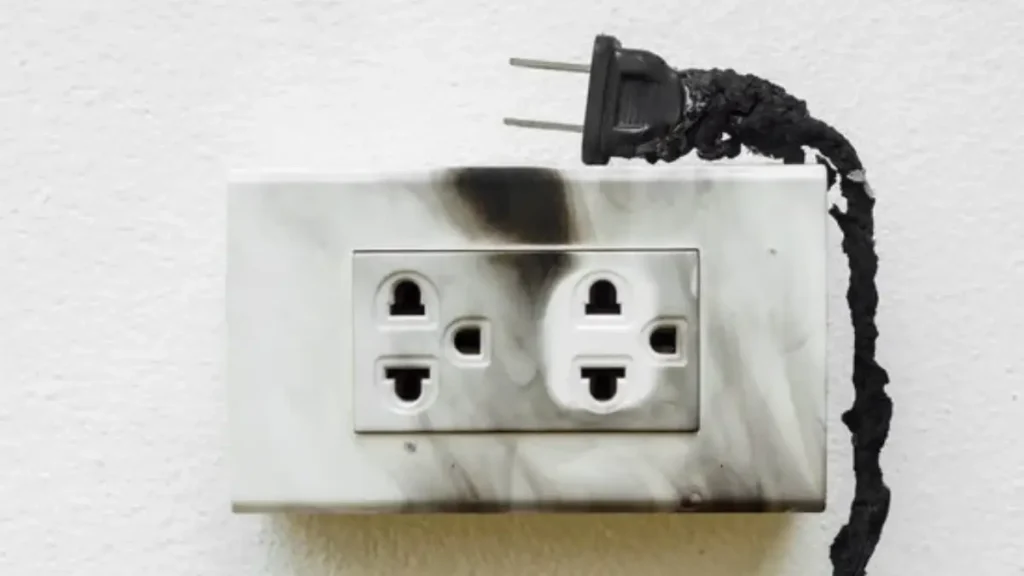
Here’s one most people never consider: your home’s infrastructure itself can be a hidden fire risk. Aging electrical systems, poor wiring, and code violations are silent dangers that can trigger fires unexpectedly. I’ve read about several cases in India, including Delhi, where electrical safety gaps in older buildings led to serious incidents.
Signs of hidden hazards:
- Frequent short circuits or tripped breakers.
- Visible wiring issues, such as frayed insulation or exposed wires.
- Buildings with outdated electrical codes or DIY modifications.
Practical steps to protect your home:
- Schedule regular electrical inspections with a licensed professional.
- Ensure all outlets and wiring meet current safety standards.
- Replace or upgrade old switchboards, sockets, and circuit panels as needed.
- Educate household members to report unusual sparks, smells, or heat from outlets immediately.
Even if your home seems fine, these silent risks can turn a safe environment into a disaster. I want you to check your infrastructure—especially if your building is older—before it’s too late.
Prevention Checklist – Steps to Make Your Home Fire-Safe
Now that you know the main causes, the question is: what can you do about it today? Prevention is simple but effective if done consistently.
Key actions for home fire safety:
- Smoke alarms: Install them on every level, inside bedrooms, and near kitchens. Test monthly and replace batteries annually.
- Fire extinguishers: Keep them in the kitchen, garage, and near major appliances. Learn how to use them properly.
- Home escape plan: Map at least two exits from each room. Practice drills with your family.
- Routine inspections: Check appliances, wiring, and heating systems regularly.
- Safe storage: Keep flammable liquids and chemicals in approved, ventilated areas.
I want you to imagine this: taking just a few hours to set up alarms, check your wiring, and plan your escape routes could save your home—and your loved ones. Prevention isn’t complicated—it’s about making small, deliberate choices every day.
Quick Myths vs Reality About Home Fire Causes – Don’t Fall for Dangerous Advice
I’ve noticed so many people make small mistakes based on myths they’ve heard a hundred times. Some of these “folk wisdom” tips aren’t just wrong—they’re actively dangerous. One viral example I came across recently warns against pouring water on a grease fire—a common mistake that can make the flames explode.
Common myths and the reality behind them:
- Myth: Pouring water on a grease fire will put it out.
- Reality: Water causes the burning oil to splatter, spreading the fire. Use a lid to smother the flames or a fire extinguisher rated for grease fires.
- Myth: Leaving a candle in a draft is safe as long as it’s on a table.
- Reality: Even a small breeze can knock it over or blow flames toward flammable materials. Always place candles away from edges and drafts.
- Myth: Electrical sparks are harmless if it only happens once.
- Reality: Even occasional sparks indicate a potential wiring issue that can lead to a fire. Get it checked immediately.
- Myth: Dryer fires are rare and don’t require cleaning lint traps.
- Reality: Lint is extremely flammable; clean the trap after every load to reduce fire risk.
I want you to think about the little tips you pass on or habits you assume are safe. These myths might seem harmless, but in the wrong moment, they can turn a small accident into a disaster. By understanding the real risks, you’re protecting your home and the people you care about—without relying on outdated or unsafe advice.
Take Action Today – Protect Your Home and Loved Ones
I’ve walked you through the most common causes of home fires—from unattended cooking and faulty wiring to hidden hazards like flammable liquids and curious little hands. You’ve also seen how small mistakes or myths can turn a safe home into a dangerous situation in seconds.
Here’s the truth I want you to take to heart: awareness alone isn’t enough. Every tip, every precaution, and every inspection matters because it could be the one action that prevents a tragedy in your home.
Your quick action checklist:
- Walk through each room and identify potential hazards—stoves, heaters, candles, and appliances.
- Test smoke alarms and make sure you have enough on every floor.
- Create or review your family escape plan—practice it at least twice a year.
- Check wiring and appliances for damage or overloads.
- Store flammable liquids safely and keep matches/lighters away from children.
- Replace myths with real knowledge—use proper methods for extinguishing fires.
I want you to imagine this: one small check, one simple habit, or one careful choice today could be what saves your home and your loved ones tomorrow. Fire safety isn’t about fear—it’s about control, awareness, and the peace of mind that comes from knowing you’ve done everything you can.
So tell me—what’s the first fire safety step you’ll take today? Whether it’s cleaning your dryer lint trap, moving a space heater, or updating smoke alarms, start now. Your family’s safety is worth it.
Disclaimer: This article is for informational purposes only and does not replace professional advice. Always follow local fire safety regulations and consult certified experts for inspections or emergencies. The author is not responsible for any damages or injuries resulting from actions taken based on this content.