Keep Your Air Safe: 7 Things Not to Add to Your Humidifier
I’ve always loved the feeling of a humidifier gently filling the room with mist—especially on dry winter mornings. But over the years, I’ve seen people make one big mistake: thinking anything that smells good, cleans better, or seems “natural” is safe to add.
Let me tell you—what you put in your humidifier isn’t just about the machine. It’s about your health. From tiny mineral particles in tap water to essential oils or old cleaning hacks, many of these “add-ins” can trigger allergies, irritate your lungs, or even spread bacteria in your home.
In this article, I want to walk you through the seven things you should never put in your humidifier, explain why they’re dangerous, and show you safer alternatives. By the end, you’ll know exactly what to avoid and how to keep your indoor air clean and healthy without risking your wellbeing.
7 Things You Should Never Put in Your Humidifier
1. Tap Water With Minerals (Hard Water)
If you’re like me, you might think tap water is harmless in your humidifier. The truth is, hard water can cause more problems than you’d expect. The minerals in the water don’t just sit there—they turn into a fine “white dust” that settles on furniture, floors, and even in your lungs if you breathe it in.
Here’s what I’ve learned from years of experimenting with humidifiers:
- Minerals can irritate your respiratory system, especially if you have asthma or allergies.
- They leave residue inside your humidifier, which can shorten the life of the machine.
- Over time, mineral buildup can promote bacteria or mold growth, turning your humidifier from a comfort device into a potential health risk.
To avoid this, I always use distilled or demineralized water. Healthline explains the risks of using tap water and offers simple tips for safe humidifier use—you can check their guide for practical advice.
2. Essential Oils (Unless Manufacturer Specifies)
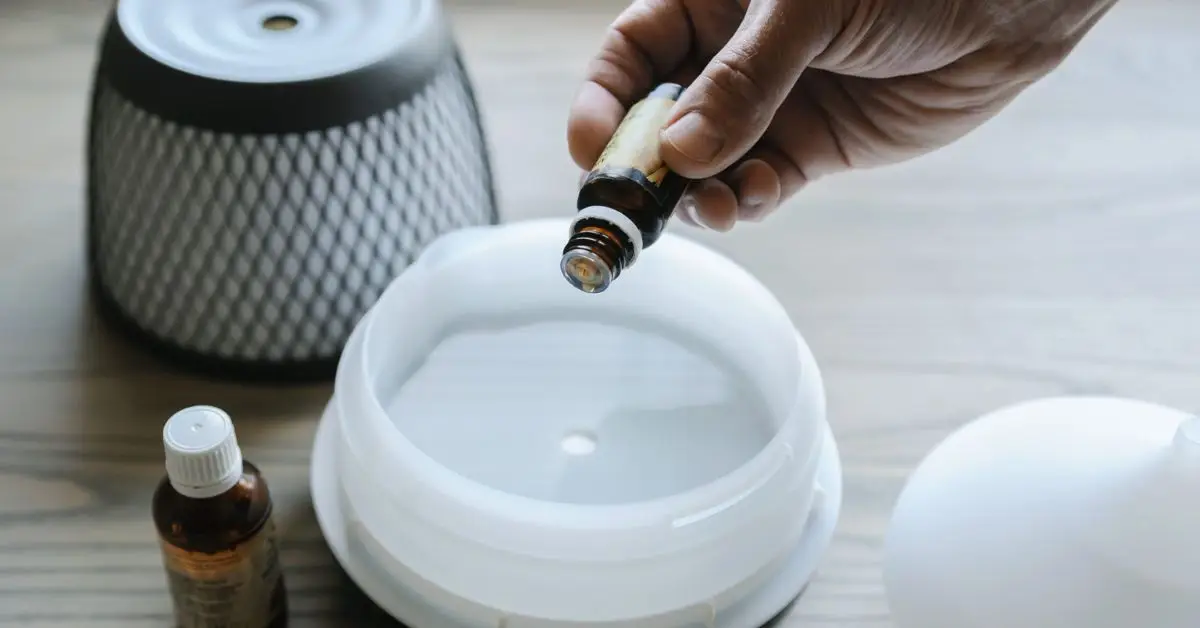
Essential oils smell amazing, I get it. But adding them to every humidifier isn’t safe. Ultrasonic models, in particular, break the oils into tiny droplets that go straight into the air—and into your lungs.
Here’s what I’d suggest:
- Check your manufacturer’s instructions—some warm-mist humidifiers can handle oils safely, but most ultrasonic or evaporative units cannot.
- Avoid oils if you or anyone in your home has respiratory issues, even “natural” ones like eucalyptus or lavender.
- Clean your humidifier regularly—oils can coat the inner parts and trap bacteria.
I know it’s tempting to try DIY aromatherapy, but think of it this way: a few drops of oil aren’t worth coughing fits or irritated sinuses.
3. Vicks VapoSteam and Similar Vaped Products
You’ve probably seen people add Vicks VapoSteam or menthol products to their humidifiers as a “quick relief hack.” I’ve done it myself in the past, only to realize it’s not worth it. These additives heat differently, leave sticky deposits in the machine, and can irritate your lungs.
Some points I keep in mind:
- Menthol additives can make the mist harsher, especially for children or pets.
- Residue builds up in the unit, which makes cleaning harder and increases bacterial growth.
Instead, I recommend sticking to plain water or following manufacturer-approved medicated inserts if needed. It keeps both your machine and your lungs safe.
4. Fragrance Oils, Perfumes, Air Fresheners, and Other Synthetics
I know it’s tempting to drop a few drops of fragrance or spray your favorite air freshener into the water. But here’s the reality: chemical VOCs (volatile organic compounds) can become airborne and irritate your lungs. Over time, these particles can trigger headaches, asthma flare-ups, or allergic reactions.
Here’s what I do to stay safe:
- Avoid adding perfumes or scented oils directly to your humidifier.
- Stick to manufacturer-approved additives, if any exist.
- Ventilate your room regularly to minimize VOC buildup.
For a detailed explanation of how chemicals in your home can affect indoor air quality, I often refer to the EPA’s indoor air guidance.
5. Bleach, Vinegar, Hydrogen Peroxide, and Other Cleaning Agents
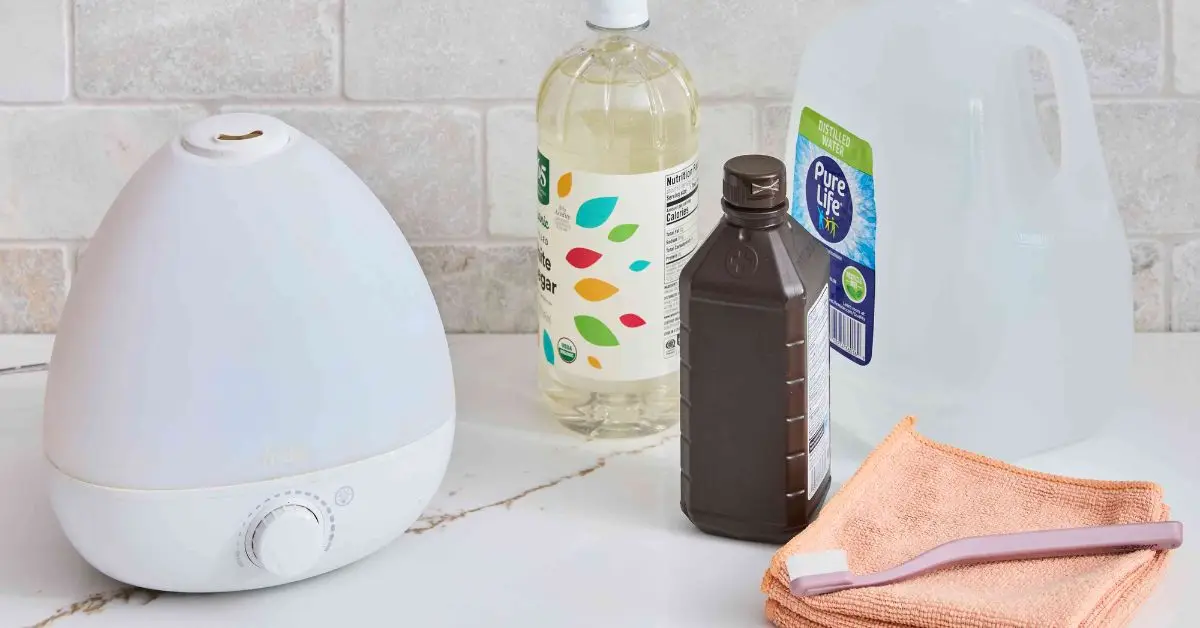
Adding bleach or vinegar to your humidifier might seem like a quick disinfecting hack—but trust me, it’s not worth it. These substances can create harmful fumes when aerosolized, and they might even damage your machine.
Here’s a safer approach I follow:
- Use water-only cleaning or manufacturer-recommended disinfectants.
- Clean your unit weekly, paying attention to corners and filters.
- Never improvise with household chemicals—what seems “natural” or “stronger” can backfire.
This simple routine keeps your humidifier safe without filling your room with chemical irritants.
6. Milk, Sugars, and Other Food Additives
I’ve even seen people add milk or sugar to their humidifiers, thinking it will make the air “healthier” or smell better. Here’s the truth: food in your humidifier is basically a breeding ground for bacteria and mold.
Key points to remember:
- Milk and sugars promote microbial growth, which can worsen indoor air quality.
- Food additives clog the machine and make cleaning much harder.
- Always stick to water-only mist or approved humidifier inserts.
Even if it sounds like an old home remedy, science and experience show that these additives are more harmful than helpful.
7. Herbal Mixes or Plant Extracts
I get it—herbs sound harmless. A few leaves, a dash of chamomile, or some plant extract seems natural and soothing. But here’s the truth from my experience: plant particles can clog your humidifier and foster bacterial or mold growth.
Things to keep in mind:
- Even “organic” herbs can become a breeding ground for microbes.
- Particles can coat the internal parts, making cleaning a headache.
- If you want a natural scent, stick to manufacturer-approved humidifier inserts.
Natural doesn’t always mean safe—especially when it’s floating in the mist you breathe every day.
What Happens When You Add the Wrong Things (Health Risks Explained)
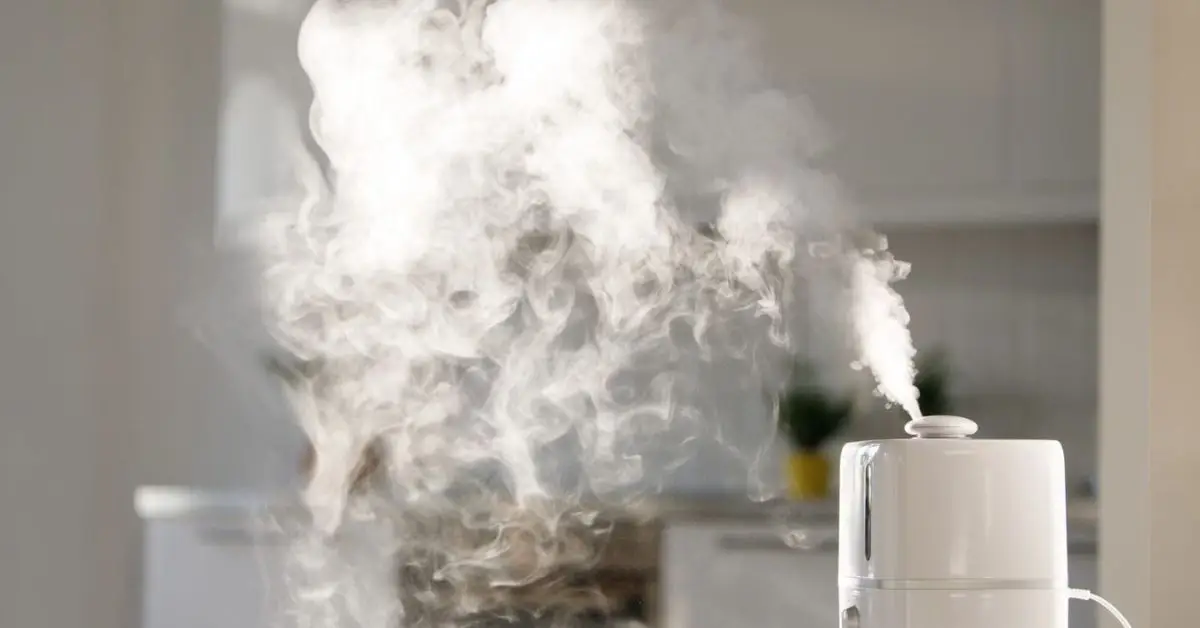
Over the years, I’ve noticed people underestimate the health consequences of adding the wrong substances to humidifiers. It’s not just about residue in the machine—your lungs and indoor air are at stake.
Here’s what can happen:
- Asthma flare-ups or increased allergy symptoms, triggered by aerosolized minerals or chemicals.
- Lung irritation, particularly in children, pets, or anyone with respiratory conditions.
- Microbial spread, including bacteria and mold, when sugary or organic additives are introduced.
These outcomes are why I always follow expert-backed guidance. For reliable evidence and health risks of improper humidifier use, I often refer to Children’s Colorado’s pediatric humidifier guidance.
Types of Humidifiers and Additive Safety
Not all humidifiers are created equal, and understanding this difference has saved me a lot of headaches.
- Ultrasonic humidifiers: Mist is fine and fast, but oils or minerals aerosolize more easily—bad for lungs.
- Warm-mist (steam) units: Can handle certain medicated inserts but still unsafe with food or fragrances.
- Evaporative fans: Less aggressive mist, but still unsafe with oils, herbs, or chemicals.
Knowing your machine type helps you avoid mistakes and choose safe additives, instead of just guessing.
Safe Alternatives and Best Practices
Instead of focusing only on what not to do, here’s what I actually do to keep my humidifier safe and my air clean:
- Use distilled or demineralized water for every refill.
- Follow manufacturer-approved additives only, if any.
- Clean regularly, ideally once a week, paying attention to filters and inner surfaces.
- Monitor humidity levels—too high can encourage mold, too low can dry air. Before putting your humidifier away, make sure you’ve done these essential steps outlined in 7 Things You Must Do Before Storing a Humidifier to prevent issues next season.
Signals You Have a Problem (Signs of Additive Harm)

If you’ve ever wondered whether something in your humidifier is causing issues, here are the signs I always watch for:
- Coughing or wheezing that worsens when the humidifier is on.
- White dust or residue appearing on furniture or floors.
- Strange smells, especially musty or chemical-like odors coming from the unit.
- Frequent headaches or irritated eyes, particularly after prolonged use.
- Visible mold or slime inside the tank or nozzle.
When you notice any of these, it’s a signal to stop using additives immediately and clean your machine thoroughly.
Safe Cleaning Routine (Do This, Not That)
Instead of trying risky shortcuts, I stick to a simple cleaning routine that keeps my humidifier safe:
- Empty the tank daily and rinse with clean water.
- Use manufacturer-recommended disinfectants, never bleach, vinegar, or hydrogen peroxide in the mist.
- Scrub corners and crevices weekly with a soft brush.
- Dry completely before refilling, especially if the humidifier isn’t in constant use. When it comes to storing your humidifier safely after the season, I follow the detailed advice in How to Clean and Store Your Humidifier for the Off-Season.
- Replace filters as instructed—old filters harbor bacteria and mold.
Following this routine keeps your unit running longer and ensures the air in your home stays healthy. For a step-by-step guide on keeping your humidifier mold-free this winter, check out 5 Easy Tips to Stop Mold in Your Humidifier This Winter.
Final Thought
At the end of the day, the safest approach is simple: stick to water-only mist unless your humidifier explicitly allows approved additives. Trying home hacks or “natural” remedies might feel clever, but they often do more harm than good.
I hope sharing my experience helps you avoid common mistakes. Now I’d love to hear from you:
- Have you ever experimented with humidifier add-ins? What happened?
- Which tips from this guide are you going to try first?
Drop a comment below to share your story or questions. And if you want more practical, home-health tips and expert advice, check out Build Like New for guides that help you improve your home safely and smartly.
Disclaimer: This article is for informational purposes only. It is not a substitute for professional medical advice. Always consult a healthcare professional for concerns about respiratory health or if you have questions about using humidifiers safely.