Stop Washing This Kitchen Item by Hand—Use the Dishwasher Instead
You’ve probably been washing your wine glasses the same way for years — warm water, a sponge, careful hands, towel dry. I used to do the same. It feels safer. More controlled. Less risky.
But here’s the truth most people don’t realize: the sink is often where wine glasses get damaged, not the dishwasher.
If you’ve ever noticed tiny scratches, cloudy bowls, or that dull film that won’t go away no matter how gently you scrub — that’s not bad luck. That’s handwashing doing slow damage. Pressure from your grip, friction from a sponge, hard water spots from air-drying — it all adds up.
Meanwhile, modern dishwashers are built to clean delicate glassware evenly, at controlled temperatures, with rinse cycles that actually prevent spotting. Even premium glassware brands now say the dishwasher — used correctly — is safer than washing by hand.
I know it sounds backward. You probably think you’re being careful.
But what if the “careful” method is exactly what’s shortening the life of your wine glasses?
Before you head back to the sink tonight, let’s break down what’s really happening — and why your dishwasher might be the better choice.
The Real Reason Wine Glasses Get Ruined in the Sink
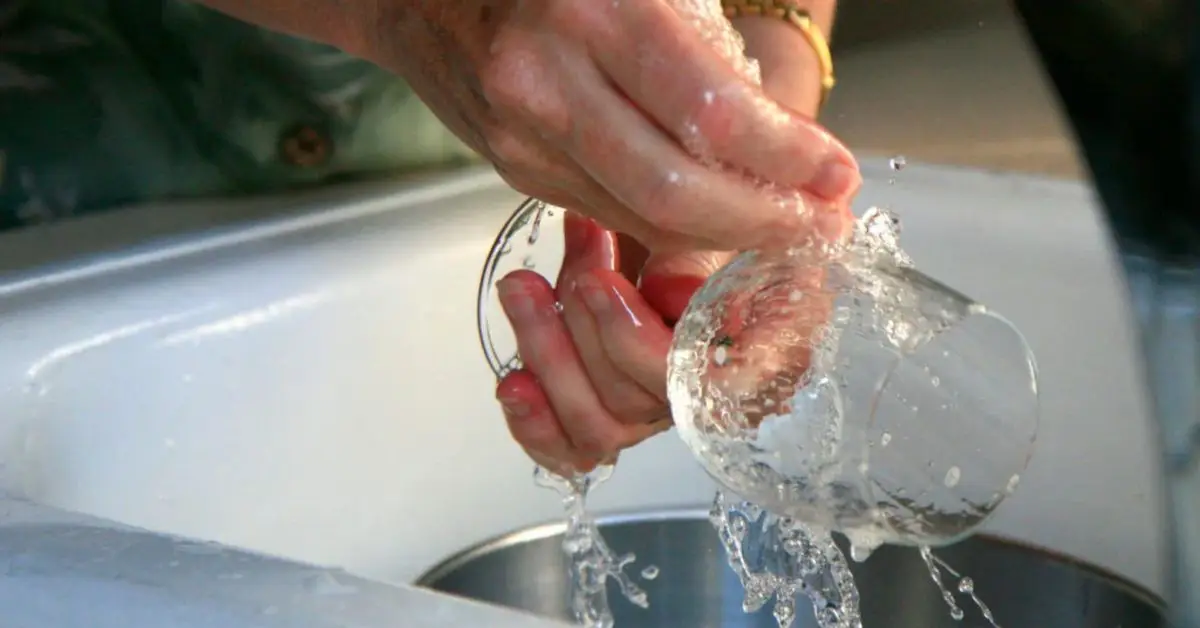
I used to think handwashing my wine glasses was the safest method. After all, who wants to risk a break in a machine? But over time, I noticed something frustrating: the delicate sparkle of my glasses would fade, tiny scratches would appear, and water spots seemed impossible to avoid. Here’s what’s really happening when you wash by hand:
1. The Fragility of Stemware and Why Handwashing Fails
- Wine glasses have thin stems and delicate bowls that can’t handle uneven pressure. Even a gentle twist or firm grip can stress the weakest points.
- You might think you’re careful, but handwashing often creates pressure points along the base and stem. Over time, this can lead to hairline cracks or sudden breaks.
- The risk is higher if your sink has a hard surface or if you wash multiple glasses at once. A slight bump, a sponge slip, or stacking can spell disaster.
2. Microscopic Scratches and Cloudy Glass
- Sponges, even soft ones, can create micro-abrasions on the glass surface.
- These tiny scratches are invisible at first but catch residue and water minerals, leaving your glasses looking cloudy.
- Handwashing exposes the entire surface to inconsistent friction, something the dishwasher avoids with steady water jets and racks.
3. Water Spots and Improper Drying
- Handwashing often leaves tiny water droplets behind, especially if you air-dry or towel-dry quickly.
- Hard water minerals cling to the surface, causing spots and streaks that seem impossible to remove.
- Dishwashers, in contrast, use controlled rinse cycles and optional rinse aids to prevent this issue entirely.
Fact-based tip: Premium glassware brands like Riedel recommend using a dishwasher for delicate stems when properly loaded — you can see their full tips.
Dishwasher Mechanics: Why It’s Actually Better for Wine Glasses
I know what you’re thinking: “The dishwasher will smash them!” I used to think the same. But modern machines are surprisingly gentle if you know how to use them.
1. Controlled Water Pressure and Temperature
- Dishwashers deliver water at a consistent pressure, unlike the variable force of your hand.
- Temperatures are carefully calibrated to clean thoroughly without thermal shock, which prevents breakage.
- Even delicate crystal survives if placed correctly.
2. Sanitization and Rinse Aid Benefits
- Automatic rinse cycles remove residue that handwashing often leaves behind.
- Rinse aids reduce water spotting and help glasses dry clear, sparkling, and streak-free.
- Your glasses get a level of sanitation that’s hard to replicate with a sponge and sink water.
3. Positioning Stems and Delicate Items Correctly
- Always use the top rack or a glassware-specific holder if your dishwasher has one.
- Avoid overcrowding — glasses shouldn’t touch each other during the cycle.
- Placing them upside-down at a slight angle helps water drain away naturally.
Most people avoid dishwashers because they assume it’s too harsh. Once you understand the controlled mechanics, you’ll see it’s actually safer and more reliable than handwashing.
Common Arguments for Handwashing (and Why They’re Wrong)
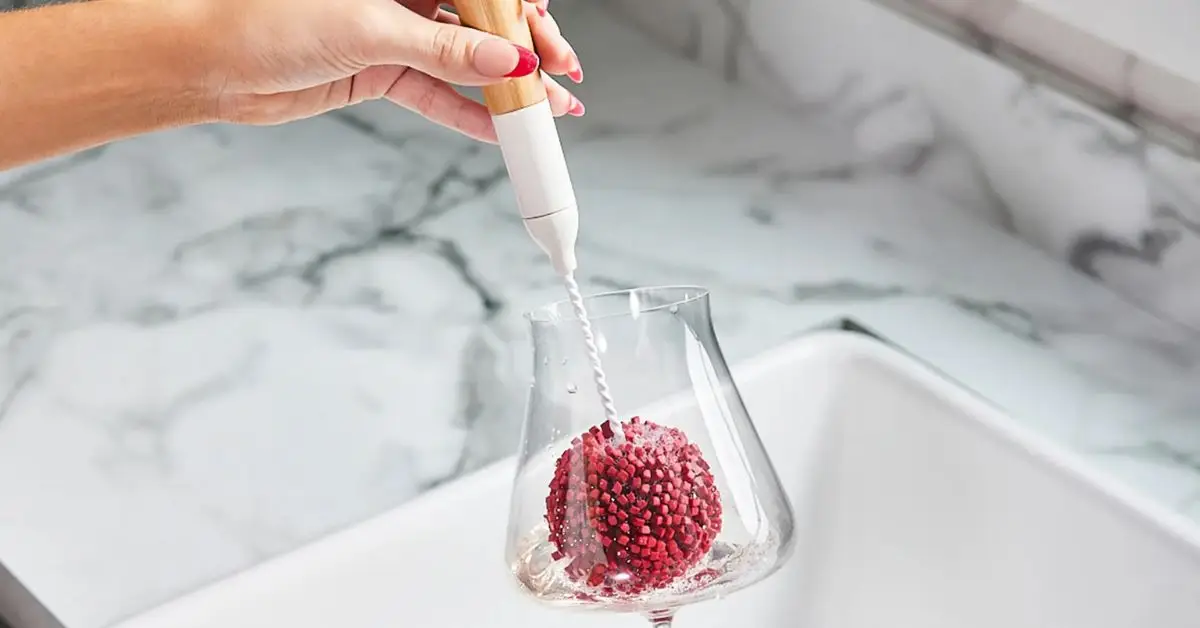
I know what you’re thinking — “I’m careful, so handwashing must be safer.” That’s exactly what I used to believe. But let’s break down the most common objections and why they don’t hold up.
1. “I’m Gentler by Hand”
- You might feel like your own hands are the safest tool, but when you’re focused on scrubbing spots or awkward angles, your grip can vary without you noticing.
- This inconsistency actually increases the chance of stress points along the stem and rim.
- Dishwashers, on the other hand, use evenly distributed water force — no squeezing, no twisting.
2. “Dishwashers Don’t Fit Delicate Stems”
- Not all stemware fits every rack perfectly, but most dishwashers have adjustable top racks or glassware holders.
- A little mindful placement — and sometimes a silicone stem guard — can prevent clinking and breakage.
- Once you get the hang of loading the dishwasher, it’s faster and much safer than balancing glasses over a slippery sink.
3. “Handwashing Saves Water”
- It seems like rinsing under the tap should use less water, but that’s not always true.
- Washing several glasses one-by-one, rinsing repeatedly, and towel drying can actually use more water than a single dishwasher cycle.
- As explained on The Spruce, freshwater usage in modern dishwashers is surprisingly efficient compared with multiple handwashes.
Step-by-Step: How to Safely Use Your Dishwasher for Wine Glasses
Once I realized the dishwasher was actually safer, I needed a simple routine to protect my glasses every time. Here’s what’s worked for me:
1. Pre-Rinse vs Skip Pre-Rinse
- Skip pre-rinsing in most cases. Modern dishwashers are designed to handle residue without wasting extra water.
- Only pre-rinse if there’s dried or sticky wine residue that could crust over.
2. Use of Racks and Protectors
- Place glasses upright or slightly angled on the top rack — it’s usually gentler than the bottom.
- Avoid overcrowding. Make sure glasses don’t touch each other or plates, so they don’t clink and chip mid-cycle. To keep your glasses safe, it’s smart to check out common dishwasher loading mistakes that many of us make, including tips on silverware and delicate items.
- If your dishwasher doesn’t have a dedicated glass rack, use silicone stem guards to protect the fragile parts.
3. Best Dishwasher Settings for Stemware
- Choose the “glass” or “delicate” cycle when available.
- Avoid high-heat sanitize settings unless you actually need the high temperature.
- Add rinse aid — it helps water sheet off surfaces instead of forming spots.
You’ll be surprised at how versatile dishwashers can be — even some bathroom surfaces can be cleaned easily with a dishwasher tablet.
What Not to Do Even in the Dishwasher
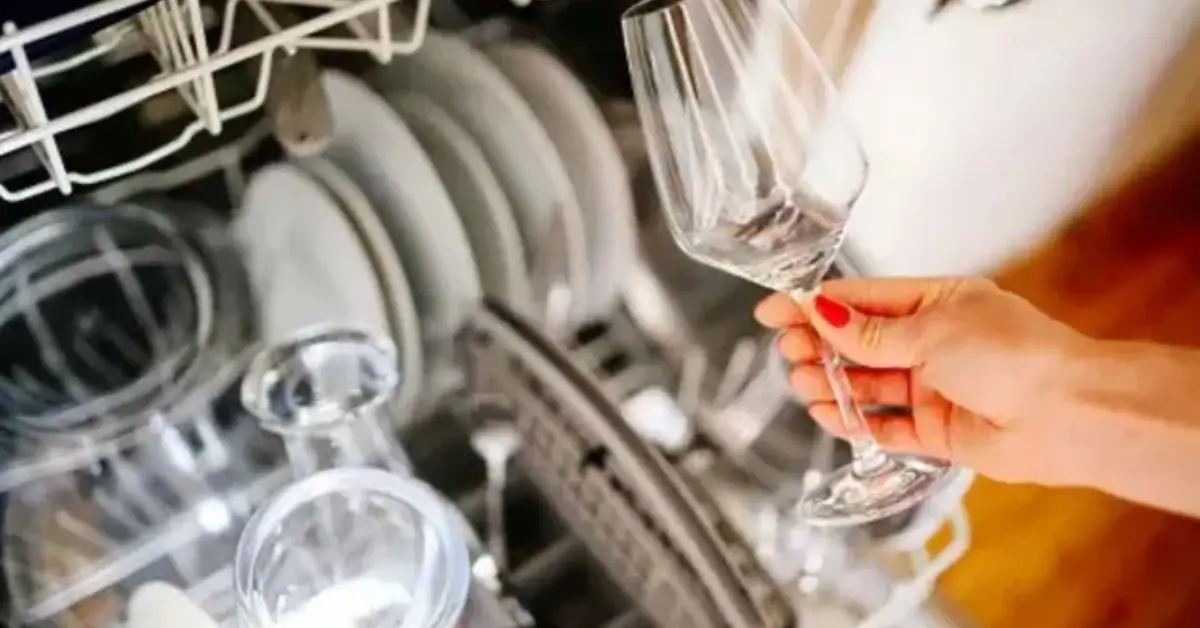
Even if you’ve embraced the dishwasher, a few mistakes can undo all the benefits. I learned these the hard way, so let me share what to avoid:
1. No Harsh Detergents
- Skip abrasive powders or bleach-heavy tablets — they can etch delicate glass.
- Use detergents labeled safe for glassware or crystal.
2. Avoid Overcrowding
- Don’t pack glasses too tightly. They need space to stay stable and let water reach all surfaces.
- Overcrowding increases the risk of clinking and chips mid-cycle.
3. Skip High-Heat Sanitize Unless Needed
- High-heat cycles can stress thin stems and rims.
- Only use sanitize settings if you need to kill germs on heavily used glassware.
Why this matters: Following these simple rules ensures your dishwasher doesn’t accidentally damage the very glasses it’s supposed to protect.
Quick Reference: Wine Glass Care Cheat Sheet
Here’s a handy checklist I keep by the dishwasher — it makes caring for wine glasses effortless:
- Best cycle settings: Glassware/delicate cycles with rinse aid.
- Dos: Use top rack, space glasses apart, use silicone stem guards if needed.
- Don’ts: Avoid harsh detergents, overcrowding, and high-heat sanitize unnecessarily.
- Frequency: Wash after each use; deep clean dishwasher monthly for best results.
Why this matters: A concise guide keeps things simple, prevents mistakes, and improves your confidence in using the dishwasher correctly.
Optional Value Boost: Other Kitchen Items You Might Be Washing Wrong
Once you start thinking about glassware, you’ll realize other items could also be at risk:
- Cast iron pans: Never soak or put in dishwasher; re-season after cleaning.
- Wooden utensils: Can warp or crack if submerged in hot water or dishwasher.
- Chef knives: Handwash only; dishwashers dull blades quickly.
Even though wine glasses are safe in the dishwasher when done right, it’s worth knowing which items you should never put in the dishwasher to avoid damage.
Why this matters: Adds extra value for readers, keeps them exploring your website, and sets up future internal linking opportunities.
Conclusion
If you’ve been carefully handwashing wine glasses, I hope now you see that the dishwasher — when used correctly — is actually safer, cleaner, and more efficient.
I’d love to hear from you: Have you noticed cloudy glasses or chips even when washing carefully? Drop a comment below and share your experience.
Also, if you want more smart, practical kitchen tips, check out my website, Build Like New, where I share step-by-step advice for making your home and tools last longer and work better.
Disclaimer: This article is for informational purposes only. Always follow manufacturer instructions and professional guidance when handling delicate glassware or using appliances. Results may vary depending on your dishwasher, water hardness, and glass type.