Replace Your Roof at the Right Time and Save Thousands
I’ve seen homeowners stress over roof replacements more than anything else. It’s not just the cost—it’s timing, weather, contractor schedules, and the worry that one wrong move could mean leaks, delays, or wasted money. Over the years, I’ve helped countless people figure out the perfect window to replace their roofs without unnecessary stress or surprises.
In this guide, I’m going to walk you through the best time of year to replace your roof, the seasonal pitfalls to avoid, and practical tips you can use to plan your project like a pro. By the end, you’ll know exactly when to act—and why timing can save you both money and headaches.
Why Timing Your Roof Replacement Matters
I’ve seen too many homeowners underestimate how much timing affects a roof replacement. If you rush into it or pick the wrong season, you can end up with higher costs, shoddy installation, or even delays that stretch your project for weeks. Getting this right isn’t just about convenience—it’s about protecting your investment.
Weather Impact on Roof Longevity
The season you choose affects how your shingles and other roofing materials perform:
- Temperature extremes can make shingles brittle in winter or overly soft in summer, affecting adhesion.
- Humidity and rain increase the risk of moisture getting trapped under your roof, shortening its lifespan.
- Wind and storms can slow installation or damage materials if you pick the wrong window.
According to Joyland Roofing’s seasonal guide, moderate weather is ideal for roof longevity because materials set properly and crews can work efficiently.
Contractor Availability and Costs
Timing also affects your access to skilled contractors:
- Peak seasons like summer often mean higher prices and limited scheduling.
- Off-season windows may offer discounts, but you risk weather delays.
- Planning a few months ahead can save you both money and headaches.
Seasonal Roof Replacement Guide

Here’s how the year breaks down and what you should keep in mind when planning your roof replacement.
Spring (March–May)
- Pros: Mild weather, open contractor schedules, lower humidity
- Cons: Occasional rain can delay projects
- Tip: Spring is perfect for booking early so you don’t get lost in the summer rush.
Summer (June–August)
- Pros: Long daylight hours, dry weather, shingles seal properly
- Cons: High temperatures can make installation uncomfortable for crews, and summer storms may pop up unexpectedly
- Fact: Summer heat can soften shingles temporarily, so proper handling is essential to avoid damage.
Fall (September–November)
- Pros: Optimal temperatures, low humidity, last chance before winter
- Cons: High demand means you need to schedule early to secure your contractor
- Tip: September often has more stable weather than November, which can be unpredictable.
Winter (December–February)
- Pros: Off-season discounts and better contractor availability
- Cons: Cold weather, ice, and snow make installation riskier
- Fact: Shingles may not adhere as well in freezing temperatures, so winter installations require experienced crews and proper materials handling.
If you’re planning a winter replacement, make sure to take proper precautions for snow and ice accumulation—here’s a guide on how to properly use a roof rake to remove thick snow in 5 safe steps.
Signs Your Roof Needs Replacement Now
I know it can be tempting to delay a roof replacement, especially if the season isn’t ideal. But waiting too long can turn small issues into costly problems. Here’s how you can tell it’s time to act:
Visual Cues
- Missing or curling shingles – These are often the first visible signs that your roof is aging.
- Sagging areas – Indicates structural weakness or water damage underneath.
- Granules in gutters – When shingles lose granules, it’s a sign the protective layer is wearing off. While checking for missing shingles or sagging, don’t forget to inspect your roof flashing, as small problems here can quickly turn into expensive repairs—learn more about the 6 roof flashing problems that can cost you thousands.
Leaks and Water Damage
- Ceiling stains or drips – Even small leaks can damage insulation and walls over time.
- Mold or mildew growth – Water penetration can create serious health hazards if ignored.
Even small leaks can hide bigger problems—if you suspect trapped moisture, check out these 7 hidden signs your roof is trapping moisture before it becomes a major issue.
Age of Roof vs Material Lifespan
- Asphalt shingles usually last 20–25 years, while metal or tile roofs can go 40+ years.
- If your roof is nearing the end of its expected lifespan, replacement is often safer than patching.
- For detailed guidance on lifespan by material, check out this resource from CEDUR on roof replacement timing and material longevity.
How to Plan Your Roof Replacement Like a Pro
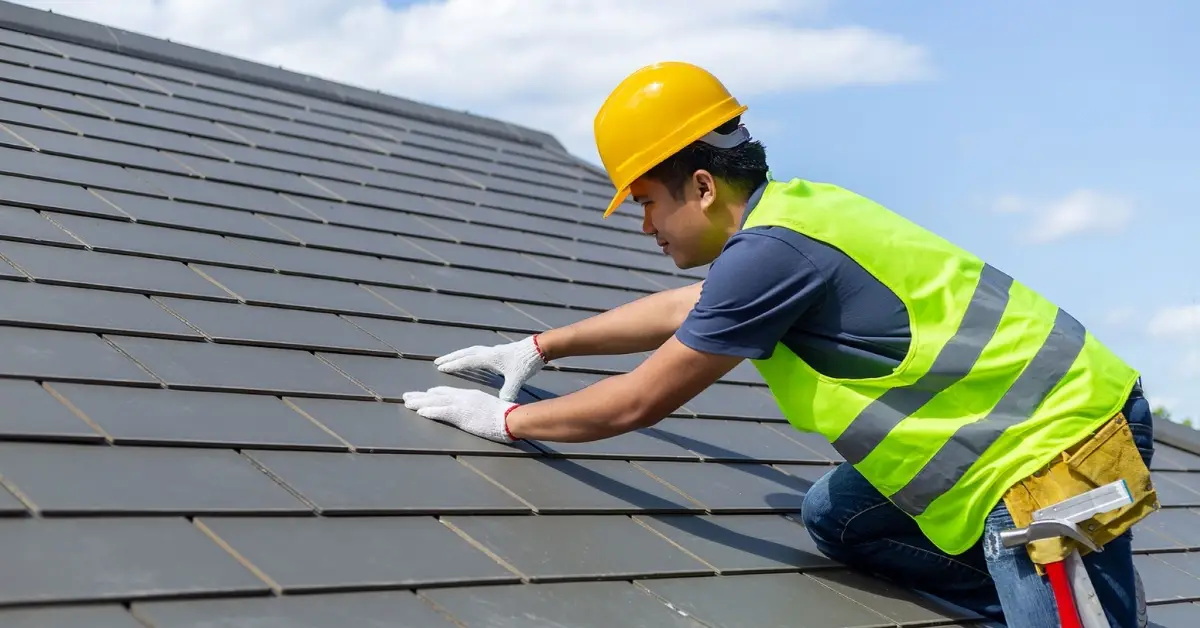
Once you know it’s time, planning your project carefully makes all the difference. I’ve seen how small steps upfront can save weeks of stress later.
Scheduling Tips
- Book 1–2 months in advance – Even in off-season, securing your contractor early ensures smoother execution.
- Check weather patterns – Avoid periods of heavy rain or extreme heat in your area.
Budget Planning by Season
- Prices fluctuate with demand. Summer is typically more expensive, while winter or spring can offer deals.
- Factor in potential delays—sometimes off-season weather can extend the project slightly.
Preparing Your Home for Installation
- Clear the area around the house – Remove outdoor furniture, plan for scaffolding access.
- Protect landscaping – Use tarps or temporary barriers.
- Social Media Tip: You could even share a quick checklist infographic on Pinterest or Instagram to track prep steps.
Choosing the Right Contractor
- Ask about seasonal experience – Some crews handle winter or summer installs better than others.
- Check references – Past projects during the season you plan for can reveal reliability and quality.
- Verify insurance and warranty – Always confirm coverage to protect yourself from unexpected issues.
Myths and Misconceptions About Roof Timing
I’ve noticed a lot of confusion around when to replace a roof. Let’s clear up some common myths so you can make a confident decision.
“Winter Roofs Don’t Work”
- Many people assume roofing in winter is impossible, but experienced crews can install properly with the right precautions.
- Cold weather slows adhesion on some shingles, but it doesn’t make replacement impossible.
- Pro tip: Ask your contractor about winter-ready shingles if you plan a cold-season installation.
“Summer Is Always the Best”
- While summer offers long days and dry weather, extreme heat can soften shingles and make the job harder for crews.
- Summer storms can also cause unexpected delays, so it’s not automatically the “perfect” season.
“All Shingles Perform the Same Across Seasons”
- Different materials react differently to weather. Asphalt, metal, and tile all have unique seasonal behaviors.
By understanding these misconceptions, you avoid costly mistakes and pick the timing that actually works for your home.
Bonus Tips: Save Money and Improve Efficiency

Here are some practical tips I always share with homeowners to get the most value from their roof replacement:
Off-Season Discounts
- Contractors often lower prices in winter or early spring when demand is slower.
- Even a 10–15% discount can cover material upgrades or minor extras.
Material Choices Based on Weather
- Lighter-colored shingles reflect heat, ideal for summer installs.
- Impact-resistant or rubberized shingles handle storms better in spring and fall.
- For a detailed material guide and performance by climate, check out this resource from Kin.com on roofing material lifespans and seasonal performance.
Coordinating Other Home Renovations
- Plan gutter, siding, or landscaping work around your roof replacement to save time and avoid repeated disruptions.
- Prepping multiple projects together often saves labor costs and ensures smoother scheduling.
Key Takeaways for Smart Roof Replacement
Before you schedule your roof replacement, keep these points in mind:
- Timing matters more than you think – Weather, contractor availability, and seasonal risks all affect cost and quality.
- Know the signs – Visual damage, leaks, and roof age can’t be ignored. Acting early saves money and stress.
- Plan ahead – Book your contractor in advance, budget for seasonal pricing, and prepare your home for installation.
- Pick the right materials – Match shingles to your climate and season for maximum lifespan.
- Don’t fall for myths – Winter isn’t always bad, summer isn’t always best, and not all shingles perform the same year-round.
Conclusion
Replacing your roof is a big decision, but with the right timing and planning, you can make it smooth, cost-effective, and even stress-free. I hope this guide gives you the confidence to choose the best season, prepare properly, and work with a contractor who gets the job done right.
I’d love to hear from you—what season do you think works best for your roof, or have you faced unexpected issues during a replacement? Drop your thoughts in the comments below.
And if you want more expert tips, check out Build Like New for practical guides, real-life examples, and resources to keep your home in top shape.
Disclaimer: This guide is for informational purposes only. Roofing conditions and local weather vary, so always consult a licensed contractor before starting any roof replacement project. Build Like New is not responsible for any damage or losses resulting from following this advice.