7 Genius Ways to Use Coconut Oil Around Your Home (No Chemicals Needed)
Most people keep coconut oil in the kitchen. I used to do the same. Then one day I accidentally discovered it works surprisingly well outside the kitchen too — especially when cleaning the house.
If you’ve ever struggled with sticky cabinet residue, dull wooden furniture, or squeaky hinges, you know how annoying those little problems can be. Store-bought cleaners promise quick fixes, but many are packed with harsh chemicals and still leave streaks or damage certain surfaces.
That’s where coconut oil surprised me.
Because it’s naturally rich in fatty acids like lauric acid, it has mild antimicrobial properties and works incredibly well at breaking down wax, grease, and sticky buildup. Sources like Healthline and Harvard’s Nutrition Source explain how these fatty acids interact with oils and residues — which is exactly why coconut oil can help with certain cleaning tasks around the house.
And the best part? You probably already have a jar sitting in your pantry.
Over time, I started testing coconut oil on different household problems — from polishing wood to removing stubborn adhesive residue. Some tricks worked so well that they completely replaced products I used to buy from the store.
In this guide, I’ll show you 7 surprisingly effective coconut oil cleaning hacks that can make everyday house cleaning much easier — using something simple, affordable, and already in your home.
Before we jump into the hacks though, there’s one important thing you should know: coconut oil works great for some surfaces… but it can damage others if used the wrong way. Let’s quickly look at where it works best — and where you should avoid using it.
Why Coconut Oil Works Surprisingly Well for Cleaning

When I first started using coconut oil outside the kitchen, I didn’t expect much. I figured it was just another natural remedy people talk about online. But after trying it on sticky labels, dull furniture, and even squeaky hinges, I realized something useful — coconut oil isn’t just for cooking.
It has real properties that make it good for certain cleaning jobs.
Here’s why.
Coconut oil contains fatty acids like lauric acid, which help it break down sticky residues and gently lift grime that water-based cleaners can struggle with. According to the Harvard T.H. Chan School of Public Health’s coconut oil guide the natural fats in coconut oil are what give it this versatile behavior.
Because it’s oil-based and slightly thick, coconut oil can:
- Help dissolve adhesive residue and wax buildup
- Smooth and condition wood surfaces
- Loosen grease and fingerprint marks on metal
- Lubricate stuck hinges or tools
That texture that makes it a great cooking fat also helps it slide under grime and debris, making removal easier when you wipe it off.
Another big reason people are turning to natural cleaners like coconut oil is safety.
Traditional cleaning sprays and solvents often contain harsh chemicals — and they can irritate eyes, skin, and lungs, especially in homes with kids or pets. Coconut oil doesn’t have strong fumes or harsh additives, and that’s why many homeowners prefer it for gentle cleaning jobs.
But here’s the important part: while coconut oil can be excellent for some surfaces, it isn’t a universal cleaner. It works well in certain contexts but can damage others if used carelessly.
So before you start applying it everywhere, let’s look at where you should — and shouldn’t — use coconut oil around the house.
Safety First: What Coconut Oil Can — and Can’t — Clean
One thing I’ve learned is that not all cleaning hacks are created equal. Coconut oil may be natural, but that doesn’t automatically make it safe for every surface.
Here’s how I approach it.
Surfaces Where Coconut Oil Works Best
These are the places I use coconut oil without worrying about damage:
- Sealed wood furniture or cabinets – nourishes and restores shine
- Leather items – softens and conditions gently
- Metal fixtures – effective for polishing stainless steel and brass
- Glass and smooth plastics – loosens stubborn sticky spots
On these surfaces, the oil sits on top and works with your cloth to lift away dirt, rather than sinking in and causing marks.
Surfaces to Avoid
There are a few places I never recommend using coconut oil:
- Porous stone (marble, granite) – oil seeps in and stains
- Unsealed wood floors – can darken or leave residue
- Textiles and fabric upholstery without spot testing first
- Electronics, phone screens, and cameras – oil can damage coatings or attract dust
Why Some Surfaces Don’t React Well
Here’s the key idea: oil molecules get absorbed into porous materials. When that happens, the oil doesn’t come back out easily — it just stays inside, trapping dust and dirt.
That’s why professionals advise using oil-based cleaners only on surfaces that are smooth and non-absorbent.
So before you go applying coconut oil everywhere, just do one small test:
- Choose a hidden corner
- Rub a bit of coconut oil on
- Wipe it off after a few seconds
- Look for darkening or residue
That quick check will save you from accidentally staining anything.
Hack 1: Restore and Shine Wooden Furniture
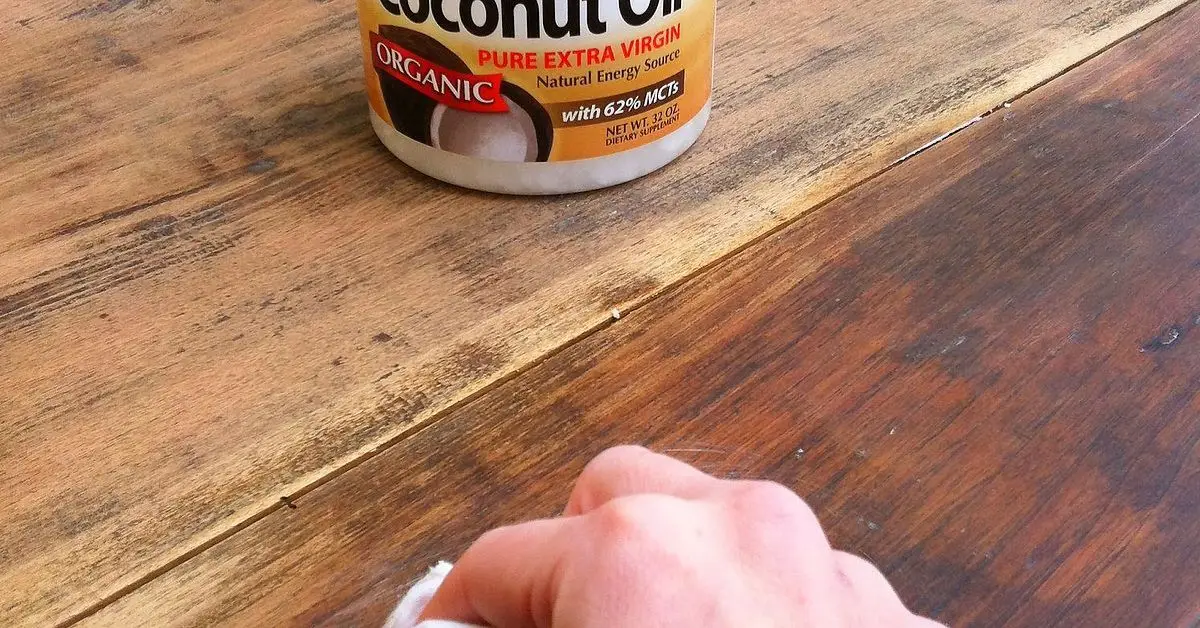
One of the first places I tested coconut oil was on my tired-looking wooden furniture. I wanted something simple, non-toxic, and affordable — and what I found surprised me.
Coconut oil doesn’t just sit on wood. It helps fill in tiny surface scratches and bring back warmth and shine without the harsh smell of typical furniture polishes.
How to Prepare the Coconut Oil Polish
You don’t need anything fancy. Here’s what I usually mix:
- Basic polish: 1 teaspoon of coconut oil
- Shine booster: add 2–3 drops of lemon juice
- Microfiber cloth
The lemon juice helps cut excess oil and adds brightness without damaging the wood.
This use is also mentioned in practical cleaning guides like the one on The Spruce about unexpected coconut oil uses which lists furniture care as one of the top ways coconut oil helps around the house.
Step-by-Step Application
- Wipe the wood surface with a dry cloth to remove dust.
- Dab a small amount of coconut oil onto your microfiber cloth.
- Rub into the wood in circular motions.
- Let it sit for 2–3 minutes.
- Buff with a clean cloth until no oily residue remains.
You’ll see the wood’s natural grain deepen and look more vibrant without that artificial sheen that chemical polishes sometimes leave.
Before & After Care Tips
A few practical tips I learned the hard way:
- Use only a little oil — too much attracts dust.
- Always buff thoroughly after applying.
- Don’t use this on unfinished wood; it can soak in and leave a dark patch.
I once applied too much to an open-pored wood shelf — it looked shiny at first, but then gathered dust quickly. Lesson learned: small amounts go a long way.
Hack 2: Lubricate Sticky Hinges and Tools
Here’s a hack most people don’t think of: coconut oil as a lubricant.
If you’ve ever opened a cabinet and heard that annoying squeak, you know how satisfying it is to fix it. Instead of pulling out WD-40, a tiny bit of coconut oil can often do the trick — especially for light household hinges and tools.
Quick Process (Cotton Swab + Oil)
Here’s what I do:
- Dip a cotton swab or small cloth in coconut oil.
- Apply a tiny amount directly onto the hinge or metal joint.
- Move the door or tool back and forth a few times.
- Wipe off any excess oil.
The squeak usually disappears right away.
You can use this for:
- Cabinet door hinges
- Drawer slides
- Scissors or pliers that feel stiff
- Small hand tools
When to Use Coconut Oil vs WD-40
Coconut oil works great when the problem is light friction or minor stickiness.
Use coconut oil when:
- The squeak isn’t severe
- You want a natural option
- It’s an indoor hinge
Choose WD-40 when:
- Parts are rusted or stuck tightly
- Outdoor hardware needs protection from moisture
Safety Tip
Remember to wipe off excess oil afterward. Too much oil can attract dust and leave a film that gets sticky over time.
Hack 3: Remove Crayon and Sticky Residue
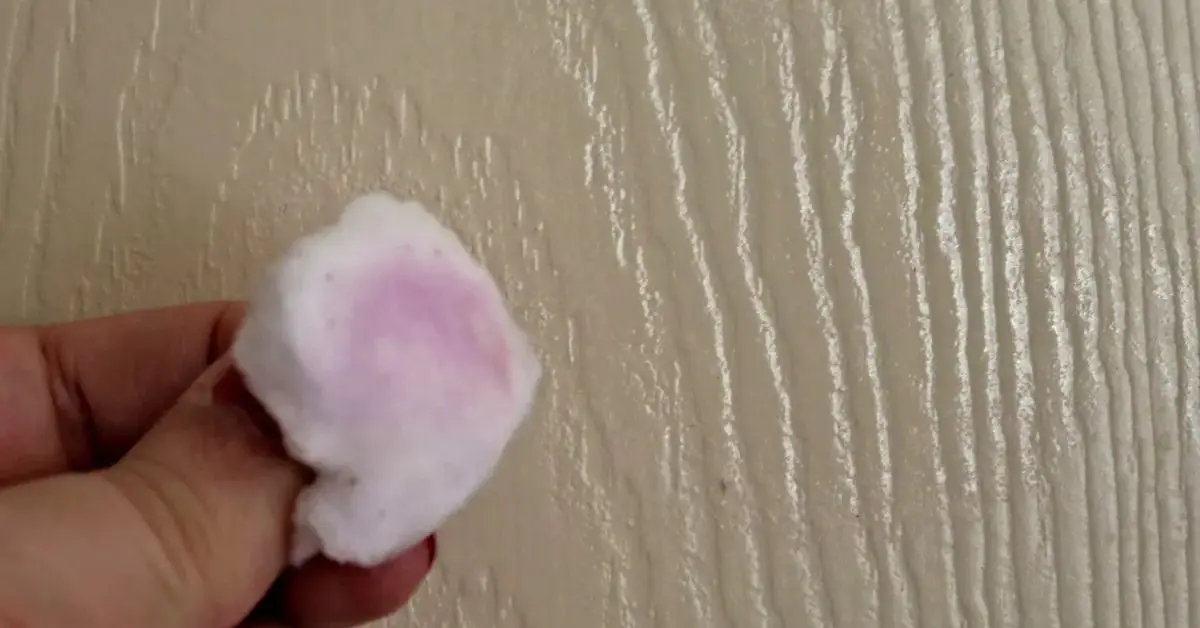
If you have kids (or messy makers) at home, this is one of the most practical coconut oil hacks you’ll use.
Crayons, stickers, and tape often leave behind waxy or sticky residue that water and regular cleaners struggle to remove. Coconut oil actually breaks down wax and adhesive because oil dissolves what water can’t.
How Oil Breaks Down Wax & Adhesive
Wax and many adhesives are hydrophobic — they repel water. But oil mixes with them, loosening the bond so the residue wipes away easily. That’s why coconut oil works better here than plain water or sprays.
Easy Steps (Apply, Wait, Wipe)
- Apply a small amount of coconut oil to the sticky area.
- Let it sit for 1–2 minutes.
- Use a microfiber cloth to wipe gently.
Most of the crayon or sticky mess will slide right off. If you’re trying to stay ahead of small messes like this, building a simple daily routine can make a huge difference. This guide on the 20-minute nightly cleaning habit that saves you hours all week explains how a short evening reset can prevent these little cleaning problems from piling up.
Extra Tip: Best Cloth for Wiping
Use a microfiber cloth instead of paper towels. Microfiber grips residue better, won’t scratch surfaces like painted wood or plastic, and gives you a cleaner finish.
This trick is widely shared in many parenting forums where people swap easy hacks for removing crayon from walls or furniture without damaging paint.
Hack 4: Clean and Condition Leather
Leather can look dry and dull over time — whether it’s a favorite jacket, couch, or a pair of shoes. While specific leather conditioners are ideal, coconut oil can serve as a simple, gentle alternative when used correctly.
Why Coconut Oil Works (Moisturizing + Gentle)
Leather naturally contains oils that keep it supple. Over time, these oils fade. Coconut oil’s moisturizing fats help replace lost moisture and can soften the surface without harsh chemicals.
How to Patch-Test First
Before applying coconut oil to a visible area, always test a small hidden spot first:
- Apply a tiny amount of oil.
- Wait 30 minutes.
- Check if the leather darkens or changes texture.
If it looks normal, you can proceed.
How Often to Reapply
- Once every few months is usually enough
- Avoid frequent applications
- Always use a very thin layer
Too much oil can oversaturate the leather and make it feel greasy rather than conditioned.
This simple leather care method is commonly shown in home-care videos and social cleaning tips where people demo gentle, affordable alternatives to commercial leather conditioners.
Hack 5: Polish Stainless Steel and Copper Without Streaks
Stainless steel appliances look amazing — until fingerprints and streaks start showing up everywhere. I used to wipe my fridge and sink constantly, and the shine still never looked right.
Coconut oil turned out to be a surprisingly simple fix.
Because oil dissolves grease and adds a thin protective layer, it helps metal surfaces look polished while reducing new smudges.
Quick Method for Shiny Metal Surfaces
Here’s the simple method I use:
- First wipe the surface with a damp cloth to remove dust or crumbs.
- Put a tiny amount of coconut oil on a microfiber cloth.
- Rub it gently along the grain of the metal.
- Buff with a dry cloth to remove extra oil.
The result is a clean surface with fewer streaks and a subtle shine.
You can use this trick on:
- Stainless steel refrigerators
- Kitchen sinks
- Faucets
- Copper utensils or decorative items
Mistake to Avoid
The most common mistake people make is using too much oil.
Too much coconut oil can create a greasy film instead of a polished finish. Always apply a very thin layer and buff well afterward.
Hack 6: Remove Crusty Grime From Kitchen Tools

Kitchen tools collect grime faster than we realize. Peelers, scissors, jar lids, and even metal handles often develop sticky buildup from food oils and residue.
Regular soap sometimes struggles with that sticky layer.
Coconut oil helps loosen hardened grease so it wipes away more easily.
How to Clean Sticky Kitchen Tools
Here’s the quick method I follow:
- Apply a small dab of coconut oil to the sticky area.
- Let it sit for 1–2 minutes.
- Wipe with a cloth or sponge.
- Wash normally with warm water and dish soap.
The oil helps break down the residue, and the soap removes the remaining oil. Interestingly, simple solutions like this were common long before modern cleaning products existed. Many of those practical methods are still useful today, as explained in 10 timeless cleaning habits your grandma swore by that still work today.
Tools This Works Well For
You’ll notice the biggest difference on:
- Vegetable peelers
- Kitchen scissors
- Jar lids with sticky labels
- Measuring spoons with dried residue
- Knife handles (not blades)
Important Tip
Avoid using coconut oil on cast iron cookware unless you know how seasoning works. Oils behave differently on seasoned surfaces and may affect the protective layer.
Hack 7: Stop Squeaky Doors and Protect Metal Fixtures
Squeaky doors are one of those small problems that slowly become annoying over time. I used to ignore them until the noise became impossible to miss.
A tiny bit of coconut oil can fix the problem quickly while also helping protect metal parts from friction.
Quick Fix for Door Hinges
Follow these steps:
- Dip a cotton swab into a small amount of coconut oil.
- Apply it to the hinge pin or joint.
- Open and close the door several times.
- Wipe away excess oil.
The squeak usually disappears almost immediately.
Where This Trick Works Best
You can use coconut oil for:
- Interior door hinges
- Cabinet hinges
- Small mechanical joints
- Drawer rails
The oil reduces friction and allows the metal parts to move smoothly again.
One Thing Many People Forget
Always wipe the hinge area after applying oil.
Leaving extra oil behind can attract dust, which eventually creates sticky buildup instead of fixing the problem.
For broader household cleaning guidance and additional natural cleaning tips, many home-care resources — including cleaning advice from Good Housekeeping’s home cleaning guide — discuss simple maintenance tricks that help keep surfaces in better condition over time.
Common Mistakes When Using Coconut Oil for Cleaning
After experimenting with these hacks around my home, I realized most problems people face come from using coconut oil the wrong way.
Here are a few mistakes worth avoiding:
- Using too much oil – creates greasy buildup
- Applying it to porous surfaces like marble or unsealed wood
- Skipping the buffing step after polishing
- Using it on electronics or screens
A tiny amount is usually all you need.
When used carefully, coconut oil can handle several small cleaning tasks around the house — from polishing wood to loosening stubborn residue — using something you probably already have in your kitchen.
Bonus: Everyday Coconut Oil Cleaning Mistakes to Avoid
Coconut oil can be incredibly useful around the house — but only when it’s used the right way. I’ve seen a lot of people try these hacks and then complain that they left stains or greasy spots behind.
Most of the time, the issue isn’t the coconut oil. It’s how it was used.
Here are the most common mistakes I’ve noticed — and how you can avoid them.
Using Too Much Oil
This is the biggest mistake people make.
Coconut oil is very concentrated. If you apply a thick layer, it won’t absorb properly and will attract dust or dirt.
A better approach:
- Use a pea-sized amount first
- Spread it with a cloth
- Buff the surface after applying
In most cases, less oil actually gives better results.
Using It on the Wrong Surfaces
Not every surface reacts well to oil-based cleaning.
Avoid using coconut oil on:
- Marble or granite countertops
- Unsealed wood
- Fabric upholstery without testing
- Electronics or screens
These materials can absorb oil or trap residue, which may leave permanent marks.
Skipping the Cleaning Step First
Another mistake I see often is applying coconut oil directly onto a dirty surface.
Oil should polish or loosen residue, not replace basic cleaning.
Before using coconut oil:
- Wipe the surface with a dry or slightly damp cloth
- Remove dust or loose dirt
- Then apply a small amount of oil
This simple step prevents smearing and gives a much better finish.
Avoiding these small mistakes will make coconut oil cleaning hacks work the way they’re supposed to.
Quick DIY Coconut Oil Cleaning Recipes (Cheat Sheet)
Sometimes plain coconut oil works perfectly. But for tougher cleaning jobs, I like combining it with a few simple ingredients that boost its effectiveness.
Here are three easy mixtures you can try.
Coconut Oil + Baking Soda (For Tough Grime)
This mix creates a mild scrubbing paste that helps remove stubborn buildup.
Recipe
- 1 tablespoon coconut oil
- 1 tablespoon baking soda
Best for
- Sticky residue
- Sink buildup
- Kitchen tools with dried food
Apply the paste, scrub gently, then rinse with warm water.
Coconut Oil + Lemon Juice (For Natural Shine)
Lemon juice cuts through oil while adding brightness to surfaces.
Recipe
- 1 teaspoon coconut oil
- 2–3 drops lemon juice
Best for
- Wooden furniture
- Stainless steel fixtures
- Cabinet surfaces
Rub lightly with a cloth and buff for a smooth shine.
Coconut Oil + Salt (For Light Abrasive Cleaning)
Salt adds gentle scrubbing power, which helps remove stubborn spots.
Recipe
- 1 teaspoon coconut oil
- ½ teaspoon salt
Best for
- Stubborn stains on metal items
- Sticky kitchen tools
- Hard surfaces needing light scrubbing
A Simple Way to Make Cleaning Easier
Sometimes the best cleaning tricks aren’t complicated at all. Coconut oil is a great example. It’s affordable, easy to find, and surprisingly useful for several everyday household problems.
From polishing wooden furniture to loosening sticky residue, a small amount can make cleaning tasks easier when you use it correctly.
The key is simple:
- Use small amounts
- Apply it on the right surfaces
- Always buff or wipe after using
These little habits make a big difference. And if you’ve ever returned from a trip to a messy home, these 4 cleaning tasks to do right after returning from vacation can help you reset your space quickly and avoid spending hours catching up on chores.
If you enjoyed these tips and want more practical home improvement and maintenance ideas, you’ll find plenty of helpful guides on Build Like New where we share simple ways to keep your home running smoothly.
And I’m curious about your experience.
Have you ever tried cleaning with coconut oil before?
Did one of these hacks work for you — or do you have another trick that people should know about?
Share it in the comments. Your tip might help someone else solve a problem in their home.
Disclaimer: The cleaning tips shared in this article are for informational purposes only and are based on general household practices. Always test coconut oil on a small, hidden area before applying it to any surface to avoid potential staining or damage. Results may vary depending on the material and condition of the surface. The information provided by Build Like New should not replace professional cleaning or maintenance advice when needed.