What Happens If You Turn Off Your Heat When You’re Not Home?
I’ve often wondered the same thing you might be thinking: is it really safe to turn off my heat when I’m not home? On one hand, it feels like a simple way to save money on energy bills. On the other, I keep hearing warnings about frozen pipes, mold, and unnecessary strain on my heating system. Over the years, I’ve learned that the answer isn’t as simple as “yes” or “no.” It depends on your home, your heating system, and how long you’ll be away.
In this article, I’ll break down what HVAC experts actually recommend, what most guides miss, and the real risks of shutting off your heat completely. By the time you’re done reading, you’ll know how to protect your home, save energy, and make choices that actually make sense — without gambling with expensive repairs or wasted energy.
Before we dive in, think about your own home: how insulated is it? What type of heating system do you have? Your answers to these questions will shape exactly what strategy works best for you.
Understanding What “Turning Off the Heat” Really Means
When I first looked into this, I realized that not everyone means the same thing when they say “turn off the heat.” You might think it’s as simple as flipping a switch, but there are actually a few different strategies — and each comes with its own consequences.
Turning Off vs. Turning Down — Two Very Different Strategies
Here’s what I’ve learned from experts and my own experience:
- Turning the heat completely off: This shuts down your system entirely. It might seem like the ultimate energy saver, but it can leave your home vulnerable to freezing pipes, condensation, and extra wear on your system when it has to work overtime to warm up again.
- Thermostat setback: This is where you lower the temperature while you’re away but don’t turn it off entirely. It’s smart because your home loses heat more slowly than you might expect. In fact, energy authorities like HowStuffWorks explain that a proper setback can reduce your energy use without harming your system — meaning you get savings without risking damage.
- Vacation mode: Some modern thermostats have a “vacation” or “away” setting that automatically adjusts the temperature for extended absences. It’s basically a more hands-off version of a setback and often the safest middle ground.
Types of Heating Systems (and How They Respond)
I’ve also noticed that the type of heating system you have changes everything:
- Furnaces: Most can handle short-term shutdowns fairly well, but repeated on-off cycles can add wear over time.
- Heat pumps: These systems are more sensitive. Turning them off repeatedly can strain the compressor and reduce efficiency — something I’ve seen discussed often on communities like Reddit.
- Boilers and hydronic systems: They retain heat longer than air-based systems, so brief shutdowns are usually safe, but extended periods without heat can still cause pipe issues.
Understanding these differences has helped me make smarter decisions about when to turn down the heat, and when it’s better to leave it on. It’s not just about saving energy — it’s about protecting your home and your wallet at the same time.
The Risks of Turning Your Heat Off Completely
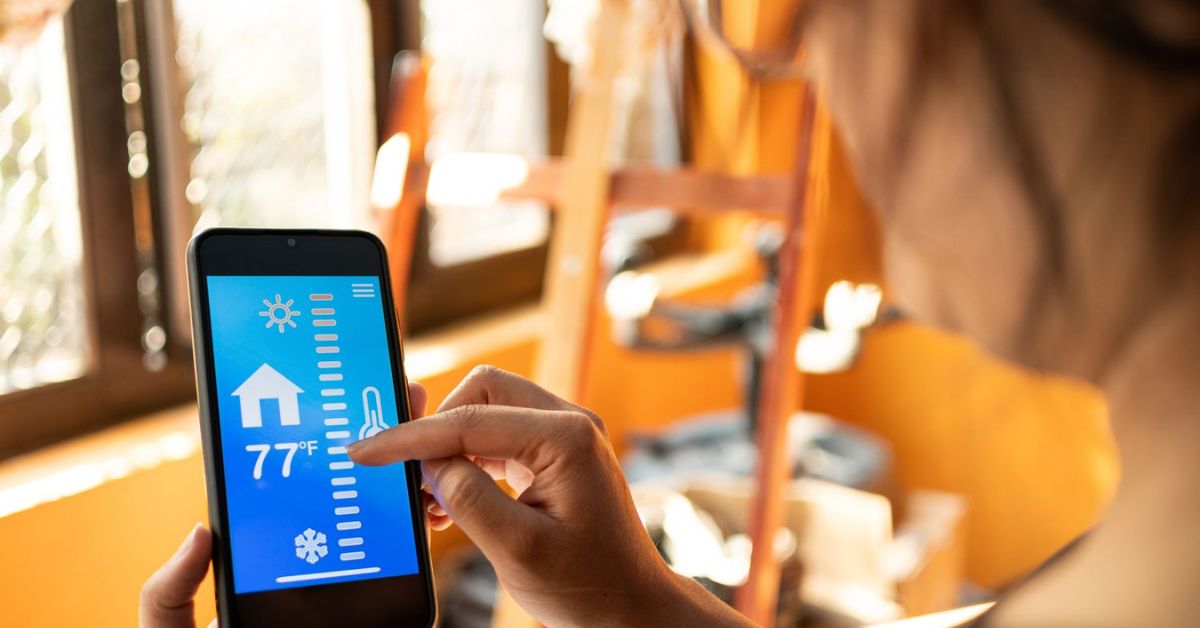
I used to think the biggest danger of shutting off your heat was frozen pipes. But as I dug deeper, I realized there’s more at stake — often things most guides almost never mention.
Frozen or Burst Pipes – The Most Obvious Hazard
- Water expands when it freezes, and even a tiny ice blockage can make a pipe burst.
- Cold spots in basements and exterior walls are the first to go — and repairs can easily cost thousands.
- Experts warn that in freezing conditions, keeping the heat off completely can turn a small issue into a big bill.
Moisture, Condensation, and Mold Growth
- Cold air can’t hold much moisture, so humidity can condense on walls and windows.
- Over time, that dampness invites mold — a sneaky problem that harms your health and your home.
- According to a practical thermostat guide, completely turning off your heat increases condensation and mold risk, whereas simply setting the thermostat wisely helps prevent both mold and high bills.
Strain on the HVAC System and Shorter Lifespan
- Believe it or not, reheating a really cold house makes your HVAC work much harder than just maintaining a steady temperature.
- It’s similar to hard braking in a car — lots of stress in short bursts shortens the lifespan of major components. Keeping your system healthy is just as important as how you set the thermostat — for example, forgetting to change your HVAC filter can reduce efficiency and put extra strain on your system.
Hidden Structural Risks (Drywall, Wood, Insulation)
- Drastic temperature swings don’t just chill the air — they stress building materials.
- Wood can warp, drywall can crack, insulation can compress.
- These subtle damages are rarely talked about, yet they add up over years.
When Turning Off the Heat is (Actually) Reasonable
Now here’s the part most articles don’t make clear: turning off the heat can make sense in certain situations — but only if you understand the context.
Short Trips vs. Extended Absences
- If you’re stepping out just for work or a few hours, turning off the heat entirely might be okay — as long as your indoor temp stays above freezing.
- But for most people, the energy you save is so small that the risks aren’t worth it.
Well‑Insulated Homes and Mild Climates
- In homes with excellent insulation or in mild winter climates, the temperature drops slowly.
- In those cases, turning the heat off for a short time isn’t as risky — but you still need to be careful about condensation along cold walls. If you’re worried about your home getting too cold while you’re away, I’ve also written about safe ways to heat your home during power outages or extreme cold.
Smart Thermostat Strategies Instead of Full Off
- The best middle ground I’ve found is using vacation mode or automated setbacks instead of shutting off completely.
- These strategies still save money — authorities estimate proper setback settings can cut your heating costs by notable percentages without risking damage.
Expert‑Recommended Temperature Settings When You’re Away
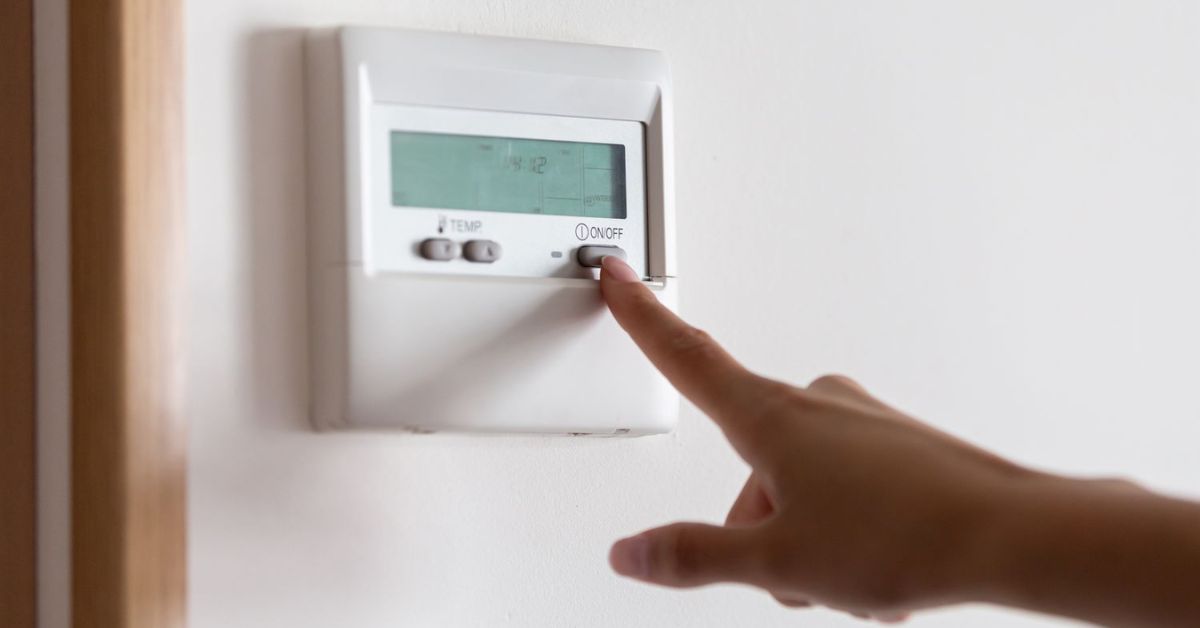
After talking to HVAC pros and reviewing multiple guides, I realized most articles skip the exact numbers and system-specific tips. Here’s what I’ve learned that actually helps you save energy and protect your home.
Winter Setback Guidelines
- For most homes, keeping your thermostat between 50–60°F while you’re away strikes the right balance.
- This range prevents pipes from freezing and avoids putting unnecessary strain on your heating system.
Differences by System Type (Furnace vs. Heat Pump)
- Furnaces: Standard setbacks work fine — just make sure you don’t go below the safe minimum.
- Heat pumps: These need extra care. Turning them off entirely or too low can cause ice buildup and make the system run in expensive emergency (EM) heat mode.
- The Spruce notes that EM heat is less efficient and can spike energy bills if you’re not careful.
Vacation Mode & Smart Control Tips
- If you have a smart thermostat, vacation mode is a lifesaver. It keeps your home safe, maintains energy efficiency, and can adjust automatically if the forecast changes.
- Remote monitoring lets you check your home’s temperature from anywhere — giving you peace of mind while you’re away.
- You can even schedule gradual temperature changes so the house warms up efficiently before you return, instead of blasting heat all at once.
Cost & Energy Savings Breakdown
One of the first questions I ask myself is always: how much will I actually save? The answer depends on how you manage your thermostat and the type of home you live in.
How Much You Can Save by Turning Down vs. Off
- Lowering your thermostat while you’re away (rather than turning it off) can save 5–15% on heating costs depending on your system and climate.
- Proper setback strategies deliver real savings without risking your pipes or system.
When Turning Off Truly Saves vs. When It Doesn’t
- Climate: If you live in a mild region, heat loss is slower — turning off might work short-term.
- Insulation: Well-insulated homes retain heat longer, making full shutdown less risky.
- HVAC system: Heat pumps, boilers, and furnaces react differently to shutdowns; some may run in costly emergency modes if fully turned off.
Safety Checklist Before You Leave
Before you leave your home for a trip, here’s what I always do to keep things safe and energy-efficient:
- Insulate any exposed pipes to prevent freezing.
- Check the weather forecast — sudden freezes can catch you off guard.
- Set the thermostat to a safe setback temperature, not completely off.
- Use smart controls or vacation mode to maintain flexibility and peace of mind. Other small steps, like how you manage doors and airflow in your home during winter, can make a surprising difference in maintaining consistent heat while you’re away.
Final Recommendations — What HVAC Pros Actually Advise
Here’s the practical takeaway I follow, and what most HVAC experts recommend:
- Don’t turn your heat off completely during cold weather — the risks usually outweigh the savings.
- Use setbacks tailored to your home type and heating system.
- Invest in smart technology and improve insulation — these upgrades save more energy than just turning the heat off.
I’d love to hear from you: have you ever tried turning off your heat while away, and what happened? Share your experience in the comments below — I read every one. And if you want more practical home tips and guides like this, check out Build Like New for advice that actually works in real homes.
Disclaimer: This article is for informational purposes only and does not replace professional HVAC advice. Always consult a licensed technician for guidance specific to your home and heating system.