7 Safe & Proven Methods to Keep Laminate Floors Spotless
I’ve cleaned my fair share of laminate floors over the years, and if you’re like me, you know how easy it is to accidentally ruin that smooth, shiny surface with the wrong mop or cleaning solution. Laminate may look tough, but it’s actually quite sensitive — a bit too much water, harsh chemicals, or the wrong scrubbing method can leave it streaked, scratched, or even warped.
In this guide, I’m going to walk you through seven expert-approved ways to clean your laminate floors safely, so you can keep them looking fresh without any damage. These aren’t vague tips you’ll find on every blog — I’ve combined advice from flooring pros, trusted home experts, and real-life experiences from people just like you. By the end, you’ll know exactly what to do, what to avoid, and how to maintain that perfect shine effortlessly.
Have you ever tried a “shortcut” that backfired on your floors? Stick with me, and let’s make sure that never happens again.
Why Proper Laminate Floor Cleaning Matters
I’ve learned the hard way that laminate floors, while beautiful, aren’t as indestructible as they look. A tiny misstep — a wet mop left too long, harsh cleaners, or even steam — can leave your floor warped, scratched, or streaked. Understanding why your cleaning routine matters is the first step toward keeping your floors looking pristine for years.
Here’s what you should know:
- Laminate construction is delicate – Most laminate has a protective top layer, a photographic design layer, and a fiberboard core that swells with too much moisture.
- Common mistakes – Using too much water, steam cleaners, or abrasive cleaners can quickly damage the finish, as explained by the flooring experts at National Floors Direct.
- Hidden issues most guides miss – Residue buildup, streaking, and moisture trapped in seams can gradually dull your floor and even shorten its lifespan.
By understanding these risks, you can avoid costly mistakes and actually enjoy the process of keeping your laminate floors clean.
1. Start With Dry Cleaning: Sweep, Dust, or Vacuum First
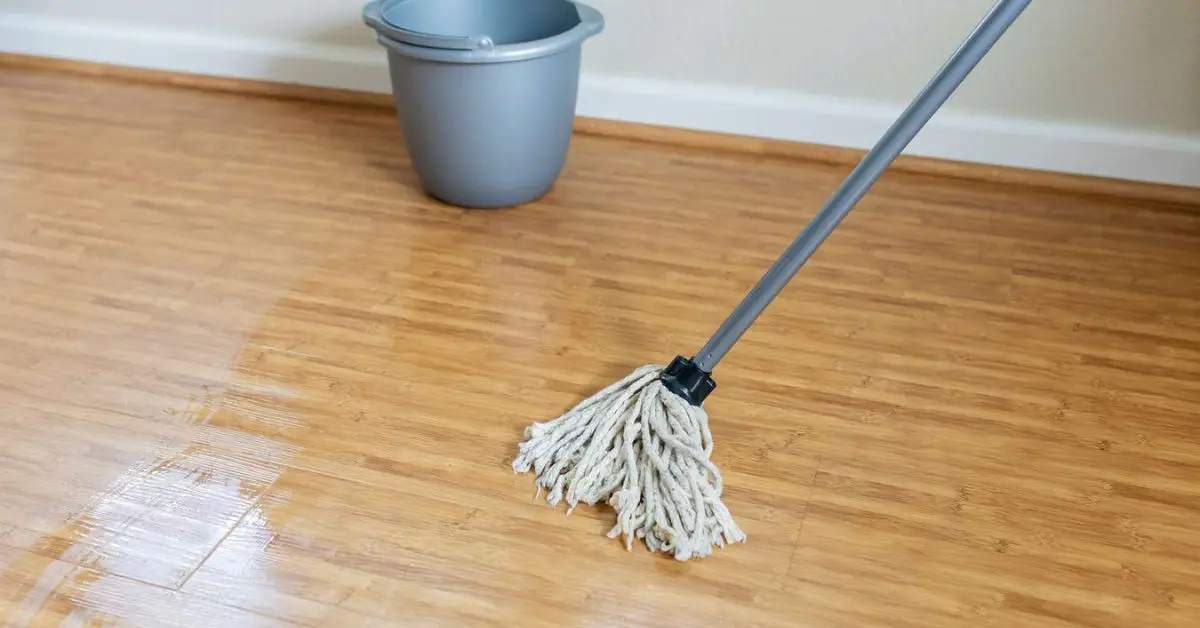
Before you even think about a mop, I always start with a dry clean. This simple step removes grit and dust that can scratch your floor if left behind under a wet mop. Trust me, it makes a huge difference.
- Use the right tools – A microfiber broom or a vacuum with a soft-bristled attachment works best.
- Sweep in sections – Work in small areas so nothing gets missed, especially corners and under furniture.
- Why it matters – Dry cleaning first protects your laminate, improves the results of your damp mopping, and keeps your floors looking flawless.
Even experts at HGTV recommend starting with dry cleaning to prevent scratches and extend the life of your floors. Not sure if you’re making common mopping mistakes? Check out 11 worst mopping mistakes that are making your floors filthy — and how to fix them.
2. Use Damp (Not Wet) Mopping Technique
If there’s one thing I’ve learned about laminate floors, it’s that too much water is your enemy. Even a little standing moisture can seep into the seams and warp the core. That’s why I always recommend a damp mop instead of a soaking wet one.
How to Damp Mop Safely
- Wring your mop thoroughly — it should barely be moist.
- Work in small sections so water doesn’t sit on the surface.
- Dry each section immediately with a soft cloth or microfiber pad.
Better Alternatives to Traditional Mops
- Microfiber flat mops give you controlled moisture without soaking the floor.
- Spray mops are perfect for quick touch-ups and let you clean without over-wetting.
3. Best Cleaning Solutions That Won’t Harm Laminate
When it comes to cleaning solutions, I’ve noticed most guides either leave you guessing or suggest harsh chemicals that can ruin your floor. Here’s what actually works and won’t damage your laminate:
- Gentle homemade mixture – A few drops of mild dish soap in warm water works wonders. You can also try 8 simple add-ins that make your mop water leave floors smelling fresh to make cleaning more enjoyable.
- Vinegar solutions – Safe in moderation, but overuse can dull the surface.
Using the right solution keeps your floor clean, shiny, and safe from streaks or damage.
4. Stain & Spot Cleaning Techniques That Protect the Surface
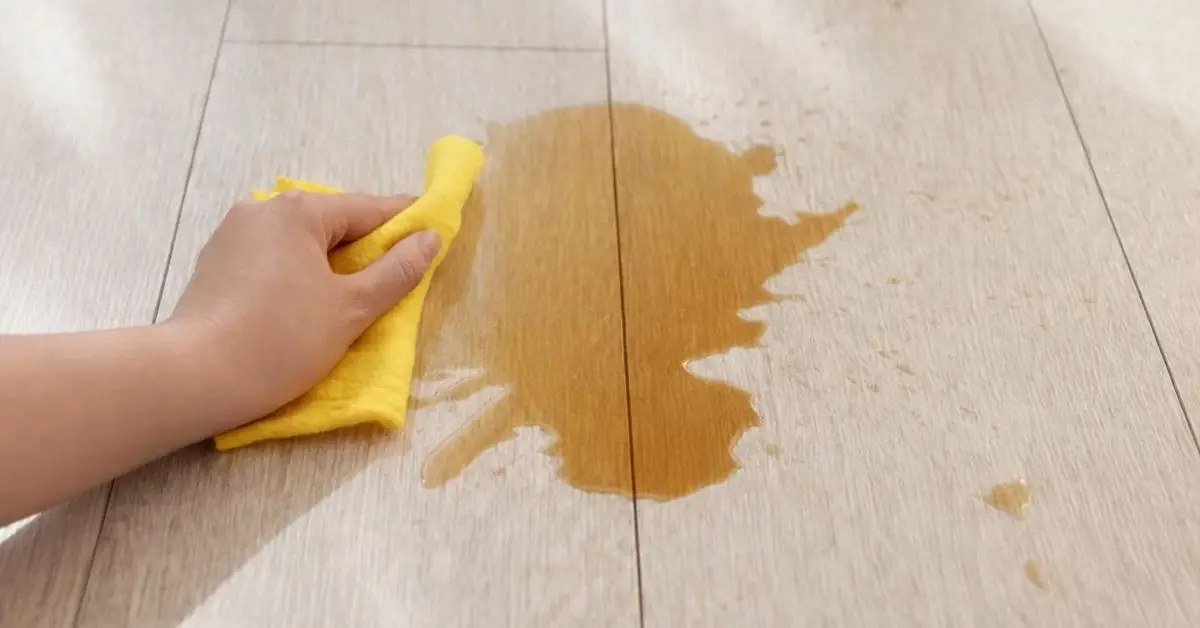
Accidents happen — I spill coffee, my kids drop snacks, and pets leave surprises. Knowing how to tackle stains safely makes all the difference. Most generic guides skip these actionable tips, but here’s what I do:
Liquid Spills & Food Stains
- Blot spills immediately to avoid seepage.
- Damp-wipe gently; never scrub aggressively.
Grease, Ink, Tough Spots
- Use a small amount of rubbing alcohol or a paste of baking soda and water.
- Test in a hidden corner first to ensure it doesn’t affect the finish.
For real-life stain solutions, I often refer to the practical methods shared on Next Step Living, which focus on protecting your floor while tackling common messes.
5. Common Tools & Products to Avoid
One of the biggest mistakes I see people make is thinking that more aggressive tools or cleaners will get their laminate floors cleaner. In reality, these are the exact things that shorten your floor’s life.
- Steam mops and heat – Even though they seem convenient, the high moisture and heat can warp the laminate core.
- Abrasive scrubbing pads and steel wool – These leave scratches that can’t be buffed out.
- Wax, polish, and harsh chemicals – They might make the floor look shiny for a day, but they leave a residue and can damage the protective layer.
Avoiding these tools and products is simple, but it saves you from costly mistakes and frustration later.
6. How Often Should You Clean Laminate Floors?
I get asked this all the time: “How often should I clean my floors?” The answer depends on your lifestyle and traffic, but having a routine makes it easier to keep your floors looking great.
- Daily: Quick dry sweep to remove dust and grit.
- Weekly: Damp mop for a deeper clean without over-wetting.
- Deep clean: Every 1–2 months, depending on how much traffic your floors see.
Sticking to this schedule prevents buildup, streaking, and potential damage over time. Wondering whether to clean before or after a party? Here are 9 expert tips every host needs to avoid last-minute disasters.
7. Preventive Habits for Long‑Lasting Laminate Shine
Cleaning isn’t just about mopping — it’s about habits that protect your floors before problems even start. Over the years, I’ve found a few small steps make a huge difference:
- Doormats and entryway traps – Stop dirt and sand before it scratches your floor.
- Felt pads under furniture – Move chairs and tables without leaving marks.
- Pet nail trimming – Prevent scratches from claws running across the surface.
These little preventive habits keep your floors looking new, so cleaning becomes easier and less frequent.
How to Troubleshoot Common Laminate Floor Cleaning Problems
Even when you follow every step perfectly, issues can still pop up. I’ve seen people frustrated by streaks, stubborn dirt, or uneven finishes — and it’s usually fixable with a few simple adjustments.
- Film or streaks after cleaning – Often caused by leftover soap or water. Wipe down immediately with a dry microfiber cloth.
- Persistent black dirt – Try gently scrubbing with a soft-bristled brush in a circular motion; avoid harsh chemicals.
- Uneven finish – Usually from uneven moisture or leftover residues. Damp mop in small sections and dry immediately.
By troubleshooting these common problems, you save time, prevent damage, and keep your floors looking their best.
Expert Tips From Cleaning Pros & Floor Manufacturers
Over the years, I’ve gathered advice from flooring pros and manufacturers that you won’t find in every guide. Here are the highlights I swear by:
- Avoid steam cleaners — they might warp your laminate core.
- Use vinegar or strong acids sparingly — overdoing it dulls the protective layer.
- Always test a new cleaner in a hidden spot first.
These tips are small adjustments, but they make a huge difference in preserving your floor’s life.
Quick Glossary: Laminate Floor Terms Every Cleaner Should Know
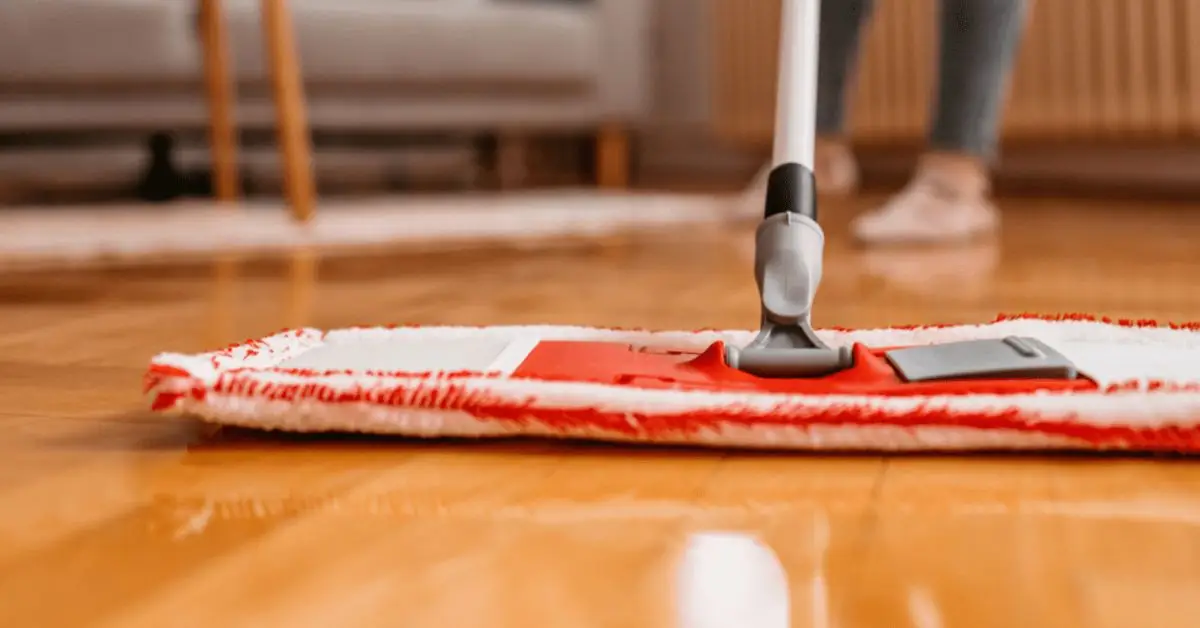
Understanding the language of laminate helps you make better cleaning choices:
- Wear layer – The top protective layer that prevents scratches.
- Core layer – The fiberboard that can swell with moisture.
- Seams – Where panels meet; water accumulation here can cause warping.
- pH-neutral cleaner – A safe cleaning solution that won’t damage the surface.
Knowing these terms helps you follow expert instructions without accidentally causing damage.
What Cleaning Practices Void Laminate Warranties?
Many homeowners don’t realize that improper cleaning can void their manufacturer’s warranty. Here’s what to avoid:
- Using steam mops or excessive water.
- Abrasive pads, steel wool, or harsh chemicals.
- Polishes or waxes not approved for your specific laminate brand.
Sticking to recommended cleaning practices ensures your warranty stays valid and your floor lasts longer.
Keeping Your Laminate Floors Safe: Quick Reference Table
| Cleaning Step | Frequency | Recommended Tools | Tips |
|---|---|---|---|
| Dry sweep | Daily | Microfiber broom or soft vacuum attachment | Prevents scratches and dust buildup |
| Damp mop | Weekly | Microfiber flat mop or spray mop | Avoid excess water; dry immediately |
| Deep clean | 1–2 months | pH-neutral cleaner | Work in small sections; test new cleaners first |
| Spot cleaning | As needed | Soft cloth, mild soap, or baking soda paste | Blot spills; avoid harsh scrubbing |
Let’s Keep the Conversation Going
I’d love to hear from you — what’s your biggest laminate floor challenge? Share your tips, ask questions, or tell me what’s worked in your home in the comments below.
And if you want more expert cleaning hacks and step-by-step home maintenance guides, check out Build Like New for practical advice that really works.
Disclaimer: The tips and advice in this article are for general informational purposes. Always check your laminate floor manufacturer’s instructions before trying any cleaning method, and test new products in a small, hidden area first. Build Like New is not responsible for any damage caused by improper cleaning.